
Storm damage claims · 10 min read
Claiming on insurance for storm damage to your roof
A storm damage roof insurance claim goes better in a set order: the call to your insurer, a safe temporary repair, the evidence you keep, and a clear roofer's report.
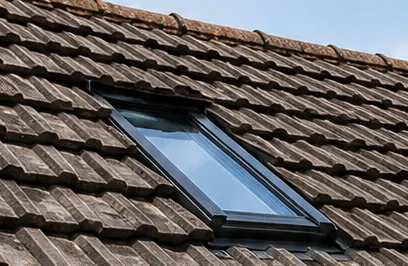
A gale has lifted tiles, a branch has come down on the slope, or the chimney stack has shifted, and now there is a stain spreading across the bedroom ceiling. The first hours are confusing. You want the water stopped, you want the roof looked at, and you have heard that the order in which you do things can affect a claim.
It can. The advice that follows draws on a Which? article and on guidance from structural engineers, and the two agree: make the building safe, tell your insurer early, and keep proof of everything. Nothing here is a promise about what a policy will pay. Every policy words its cover differently, and only your insurer can say whether a particular loss is covered.
The practical side is where a roofer comes in: stopping the water, recording the damage and putting in writing what the roof needs next. This guide walks through the claim from the phone call to the paperwork, so that you know what to ask, what to keep and where the trouble tends to start. If you have not yet dealt with the damage itself, our guide to a storm-damaged roof covers the first steps on site.
Ring your insurer before you ring anyone else
Which? advises homeowners to get in touch with their insurer as soon as possible after storm damage, and notes that insurers commonly run emergency helplines. Make that call early, even if the roof still looks like a small problem. Many policies expect to hear about damage promptly, and a late call gives the insurer a reason to ask questions you could have avoided.
Have the policy number to hand, plus the date and time the damage happened or was found. Describe what is visible from the lawn and from the rooms below: tiles on the lawn, a gap along the ridge, water marks on a ceiling, a chimney pot lying in the garden. Do not go onto the roof yourself to look. A wet roof in a gale is the most common way a bad day becomes a worse one.
Ask the insurer four things while you have someone on the line:
- whether you need their approval before any repair is arranged
- whether they have a repair firm they want you to use, or whether you can choose your own
- what they want to see as evidence, and in what form
- what the excess is on this type of claim
Write down the name of the person you spoke to, the time and any reference number. A short note made at the time is worth far more than a recollection three weeks later.
If you cannot reach anyone because the phone lines are busy after a big storm, do not leave the roof open to the weather while you wait. Make it safe, record what you did, and keep trying the insurer. Our page on a temporary repair before the insurer agrees goes into that situation in more detail.
Making the roof safe without spoiling the claim
Water pouring into a house does more harm every hour, and an insurer will expect you to limit the damage where you reasonably can. If you pay for emergency work yourself, Which? tells readers to let the insurer know and to hold on to every receipt, since the paperwork supports the claim. Its advice on ruined belongings is to keep them, with the exception of anything that endangers health.
In practice a make-safe is a stopgap. Water is kept out and loose material is stopped from dropping on anyone below. It is not the final repair, and it should be described that way on the invoice. A sheet over a damaged slope, a loose chimney pot taken down, or a hole in the covering boarded over are all examples. Our guide to what a roof make-safe involves explains the methods and when scaffolding comes into it.
What to ask the roofer for
Ask for a written note of what was done, where, and why it was needed. It should name the address and the date. It should say plainly that the work was temporary, and it should carry the price as one total. If the insurer later asks what the emergency visit involved, that paper answers the question.
Keep any materials the roofer removes if they could help the insurer see what failed, such as a split tile, a snapped batten or a section of lead. Ask before they go in the skip. Some insurers want to inspect the damage before permanent work starts, and a sensible roofer will photograph what they find so the permanent repair can wait for the insurer's visit without the house being left exposed.
One practical point: do not agree to a full replacement while the roof is wet and you are frightened. A make-safe buys time to decide.
Photographs, notes and receipts that carry weight
The Institution of Structural Engineers calls photographs vital to an insurance claim, as pictures show the damage better than a description can. Its guidance also lists urgent repairs, temporary coverings among them, and pictures of the affected areas as details owners should pass to the insurer. That is the list to work from.
Take pictures before anything is moved or cleared, provided you can do so without risk, from the ground, from windows and inside the house. Wide shots show where the damage sits on the building. Close shots show the detail. Put something in the frame for scale if you can, and photograph ceilings, walls and floors where water has come through as well as the roof itself.
A simple evidence folder
Keep everything in one place, on paper or on a phone:
- dated photographs of the roof, the loft and the rooms below
- notes of calls with the insurer: who, when, what was said
- receipts and invoices for emergency work and for any items thrown away or ruined
- the roofer's written report and quote
- weather notes: the date of the storm and when you first noticed the damage
If your roofer takes photographs from the roof, ask for copies. Pictures of the actual fault, such as a torn flashing or a displaced ridge, show the insurer what failed. Our guide to photos of roof damage covers what makes a picture useful to a claims handler and what makes it a waste of storage.
Storm damage or wear and tear: where claims stall
Home insurance is written to cover sudden events. It is not written to pay for a roof that has simply aged out. Which? gives an example of the line: if water enters your home through a poorly maintained roof, that can be treated as wear and tear and not as an insured loss. The article also quotes Financial Conduct Authority figures: only 32% of storm-related claims made in 2024 ended in a payout.
That statistic is not a reason to be put off. It is a reason to be careful about the evidence. A claim stands on whether the damage was caused by the storm, and the roof's condition before the storm is part of that picture. A gale that lifts a sound ridge is one kind of story. A gale that finds slipped tiles and a worn-out felt is another.
How a roofer can help the picture
A roofer who sees the damage at close quarters can describe what they found. Fresh breaks look different from old ones. Displaced tiles with clean nail holes and sound battens tell a different story from tiles whose fixings have rusted through. A roofer can say that in writing, with photographs, and leave the conclusion to the insurer and its loss adjuster.
It is the roofer's job to report what is there. It is the insurer's job to decide cover. We take care to describe what we see in plain terms and do not press either way. If the roof was already tired, the report will say that, because a repair based on a false account helps nobody.
Read our guide to storm damage versus wear and tear for the signs that point each way.
Getting a roofer's report and quote that fit the claim
After the make-safe, the roof needs a proper look. A survey gives you a written account of what has failed, what is sound and what the permanent repair involves. For a claim, three things matter in that paperwork.
- A description of the damage. Which slope, which tiles, which flashing, which part of the chimney, in plain words.
- A verdict. Mend it, bridge the gap with a temporary fix, or renew it, and why. We put forward the least work that clears the fault, which also keeps a claim to what is genuinely needed.
- One total price in writing. The quote follows the survey and gives a single figure for the job. Look for VAT and scaffolding in that figure, because an insurer's loss adjuster will look at both.
Insurers sometimes send their own assessor, and sometimes they ask for two quotes. Give them whatever they ask for, but do not let a deadline push you into an unnecessary full re-roof. If the assessor's view differs from the roofer's, ask the insurer to put its reasons in writing.
Who carries out the permanent repair
Some policies direct you to the insurer's own contractors. Others pay on a quote from a firm you choose. Ask at the first call which applies, and if you are told to use their firm, keep the written terms. Either way, you choose who you are comfortable having on your roof, and you are entitled to know what is being done to your roof, and the reasons for it.
Our emergency roof repairs page sets out how we approach a storm call-out, from the make-safe to the written quote.
If the claim is refused or the offer looks too low
Not every claim ends the way the policyholder hoped. Which? sets out the route when you are unhappy: complain to the insurer first, and if that does not settle it, take the complaint to the Financial Ombudsman Service, which is free to use. Keep every letter and email in the evidence folder.
Before you escalate, ask the insurer for the reasons in writing. A refusal that cites wear and tear, a policy exclusion or a lack of maintenance can be tested against the facts. If your roofer's report shows a sudden cause and the insurer has relied on a different account, put the report in front of them with your complaint. If the report supports the insurer's view, you will at least know where you stand before spending more.
When the roof is dangerous
Sometimes the problem is bigger than a few tiles. A chimney leaning over a neighbour's garden or a roof section that has sagged is a danger to people, whoever pays. The Institution of Structural Engineers adds that an unsafe building element can be reported to the Building Control department of your council. Keep people away from the area, and tell your insurer about the report as part of the claim.
Paying for the work meanwhile
If the insurer takes time to decide, do not leave the house open for weeks. The make-safe protects the building, and the permanent repair can follow once the position is clear. Ask your roofer to write down which jobs are urgent and which can wait, so you can discuss the timing with the insurer on facts.
If you are weighing up a claim for something slower, such as a leak that has built up over time, our guide to insurance and roof leaks covers the differences.
Questions
Storm claim queries
Should I wait for the loss adjuster before anything is touched?
Do not wait if rain is getting in. Make the roof safe, photograph the damage first and keep receipts, then tell the insurer what you did. Which? says to tell your insurer about emergency repairs and keep the receipts. Leave permanent work until the insurer has said what it needs to see, if it asks to inspect.
Can the roofer tell me whether my policy will pay out?
No. Only your insurer can decide cover under your policy. A roofer can describe what failed, take photographs and write a repair-or-replace verdict with one total price, and that report is useful evidence. The decision on whether the loss is covered stays with the insurer and its assessor.
What if a policy excess is higher than the repair?
Ask the insurer what the excess is before you decide whether to claim. If a small repair costs less than the excess, a claim may not make sense. Get the written quote first, compare it with the excess, and decide with the full figure in front of you. Keep the photographs either way in case damage appears later.