
Roof inspections and surveys in Bognor Regis
A roof inspection shows what is sound, what is wearing and what needs work, before a small fault becomes a leak. We check the loft, then the roof, photograph each fault and give you a straight written verdict.

- Repair or replace,
said plainly - Photos of
your own roof - Written quote,
one total price - Ridges and verges
fixed to BS 5534
Signs
Signs a Bognor Regis roof is due an inspection
- Stains or tide marks on a ceiling
- Tiles or slates sitting out of line
- Moss, lichen or debris packed in valleys
- A damp smell or drips in the loft
- No record of the roof ever being checked
What an inspection covers
What we look at on every roof inspection in West Sussex
The loft and underside
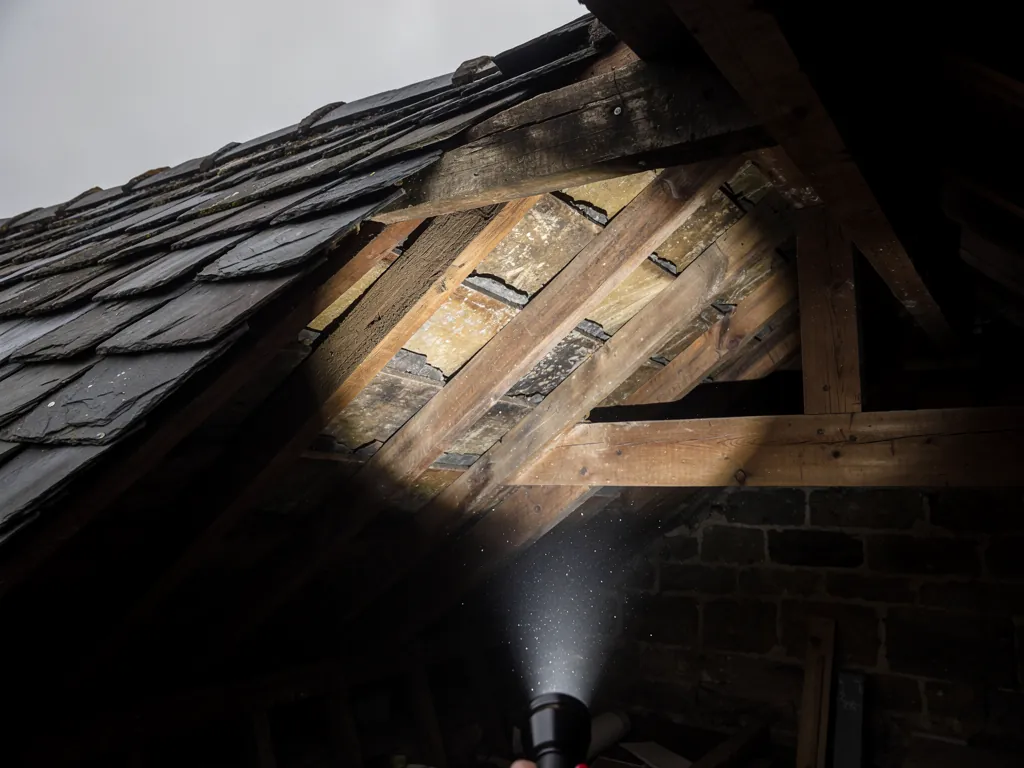
Rafters, battens, underlay, insulation and ventilation are checked from inside for tide marks, rot, daylight and condensation, which show where water has been.
Tiles, slates and coverings
We look for cracked, slipped or missing tiles and slates, rusted fixings, and wear that shows how much life the covering has left.
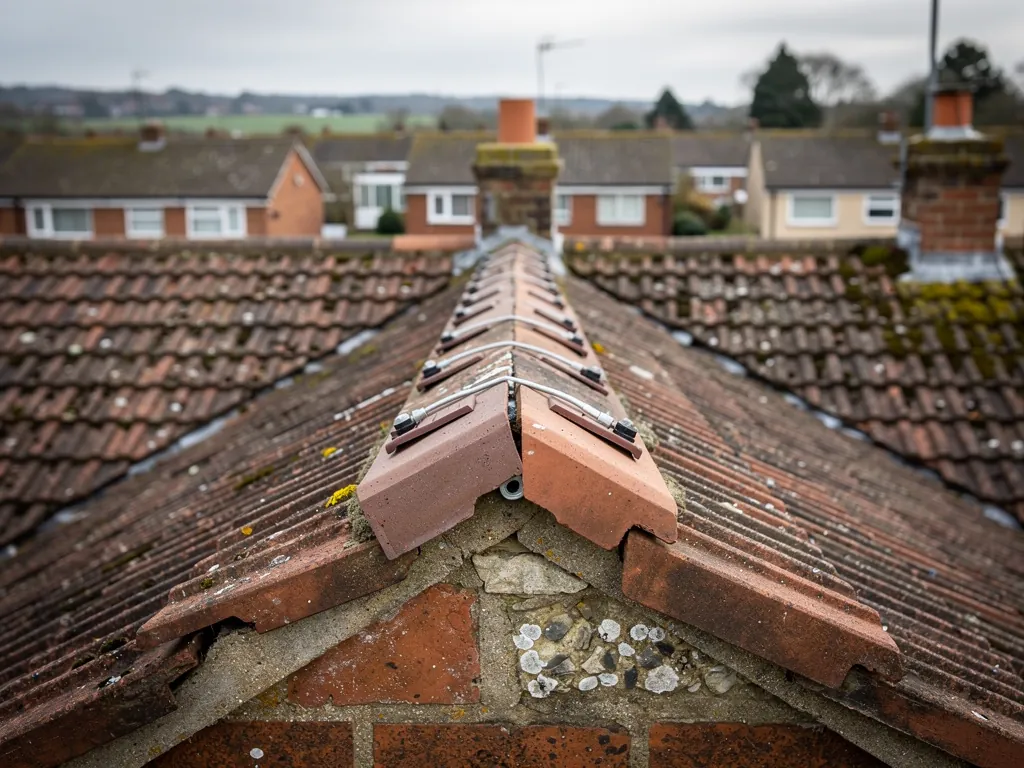
Ridges, hips and verges
The top line, the sloping corners and the gable edges take the wind first. We check how each one is bedded and whether it is mechanically fixed.

Flashings, valleys and chimneys
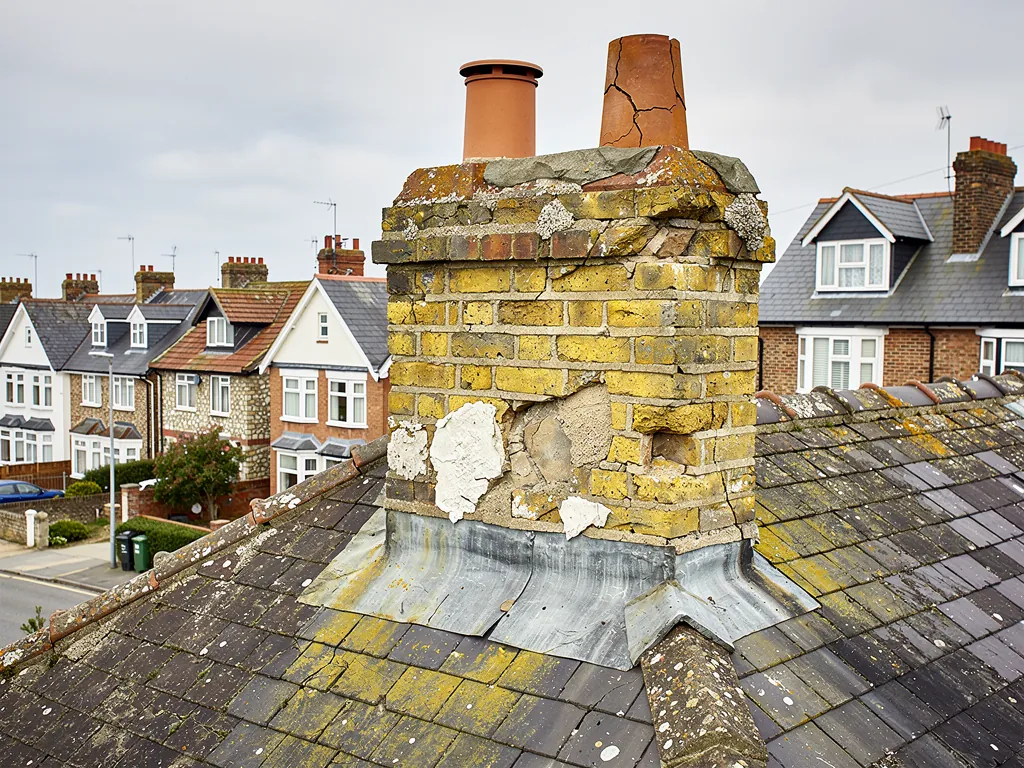
Lead flashings, soakers, valley linings and the mortar cap on a chimney are checked wherever the roof meets a wall or another slope.
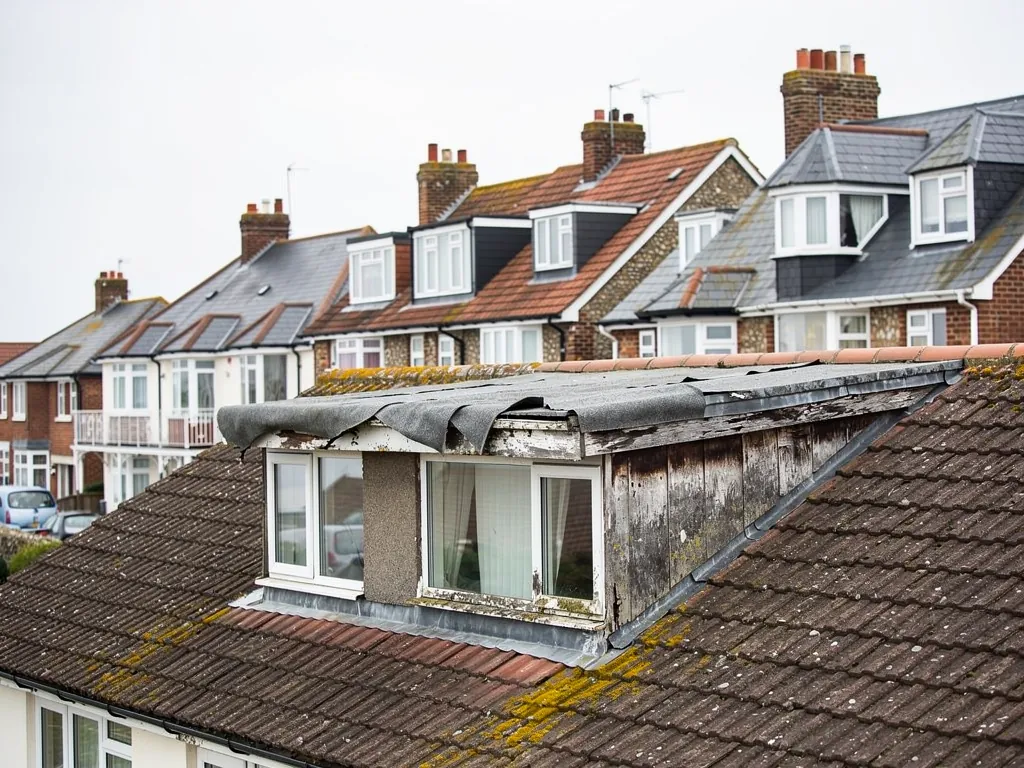
Flat roofs and extensions
On felt, EPDM and GRP we look at laps, splits, blisters, upstands, outlets and standing water, and whether the deck underneath is dry.
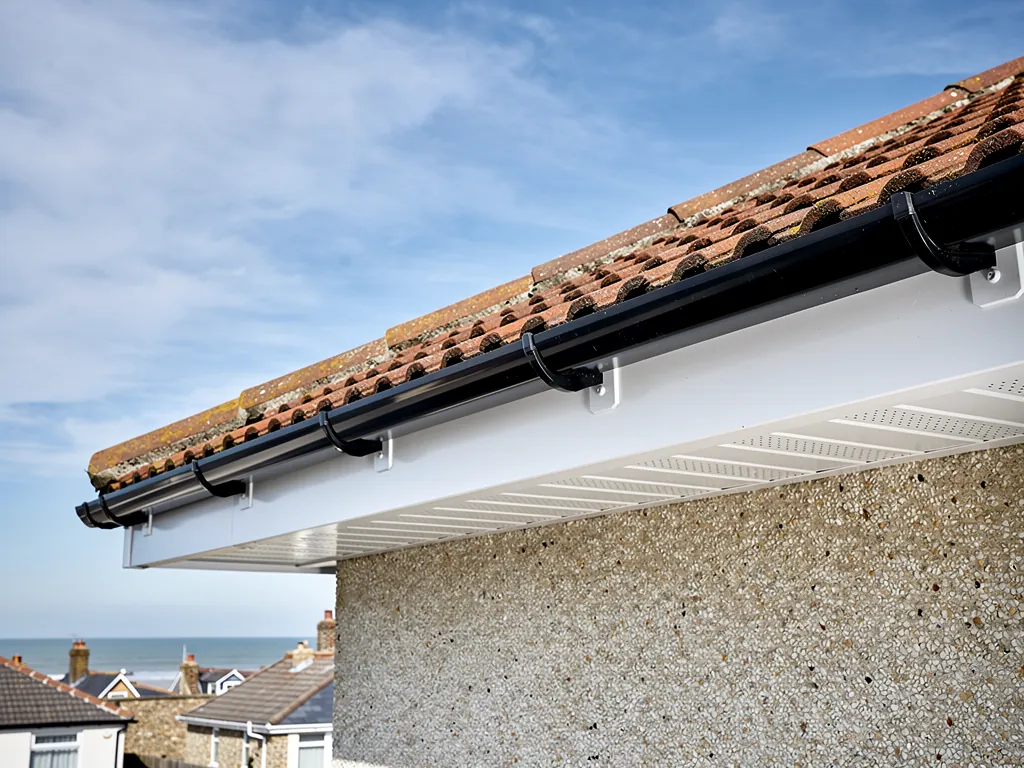
Gutters and the roofline
Gutters, outlets, fascias and soffits are checked for blockages, sagging and rot, since a failing roofline sends water back under the covering.
What it costs
What a roof inspection costs in Bognor Regis
£150 to £500
Typical UK range from a flat roof check to a full roof survey, plus VAT, Checkatrade September 2026
Roof height, size and the method needed move the figure. A bungalow reached from a ladder sits towards the lower end of national guides.
How a roof inspection runs, from first call to written verdict
- 1Tell us what you have seenRing 01243 252373, or WhatsApp whatever you have: a ceiling mark, a tile on the path, a view of the roof from the garden, and when you spotted it.
- 2We check it inside outLoft first, then the roof from ladders, roof access or a drone, whichever fits the height and the covering.
- 3Photographs and a clear verdictThe verdict comes first, with a photograph beside each fault: a repair will hold, a patch will do for now, or the roof is due replacement.
- 4A quote if work is neededIf the roof needs work, one total price follows in writing. If it is sound, you hear that and nothing more is proposed.
Roof inspections, in depth
How roof inspections are carried out across coastal Sussex
What is checked, how the roof is reached, flat roof surveys, reports, costs and the older roofs that need extra care, in six parts.
Chapter 1: What a roof inspection actually checks2318
Sheet 01 / 06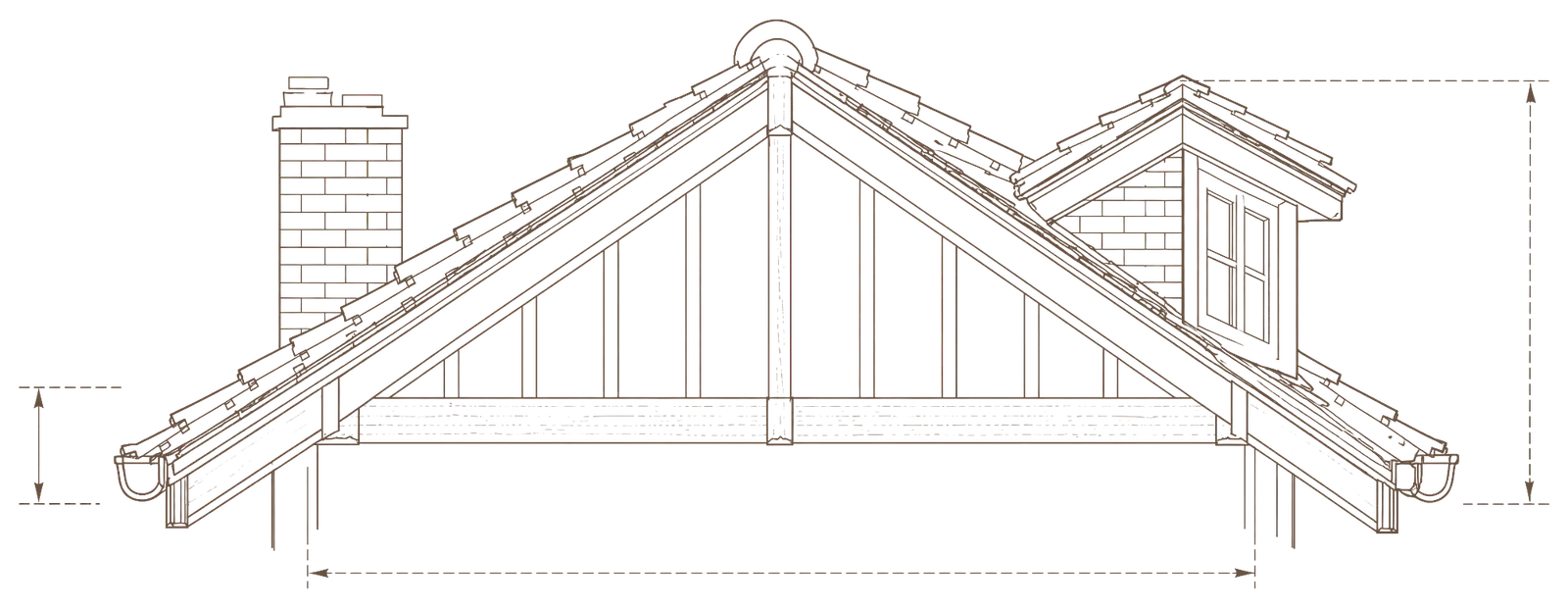
- Ridge Bedding and mechanical fixings are checked along the whole top line.
- Eaves Brittle underlay and blocked ventilation show up where roof meets wall.
- Dormer cheek Lead soakers and aprons are checked for lift and cracks.
- Valley Linings and cut tiles are checked for splits and debris.
- Gutter outlet A blocked outlet is photographed before it backs water up.
An inspection works from the inside out: the loft first, then the covering, then every junction where water gets a chance.
A roof inspection is a structured look at every layer that keeps the weather out, written up and photographed so you can see the roof as we found it. It is a check on the roof, and a quote follows only if the roof needs work. For local roofing in Bognor Regis, Aldwick or Felpham, the aim is plain: find the faults that are small and cheap now, and say clearly where the roof is sound, so nobody pays to replace what a repair would hold.
Looked at on every roof
- Rafters, battens and underlay from inside
- Ridges, hips and verges
- Lead and valley linings
- Chimney flaunching and pointing
- Gutters, outlets and roofline
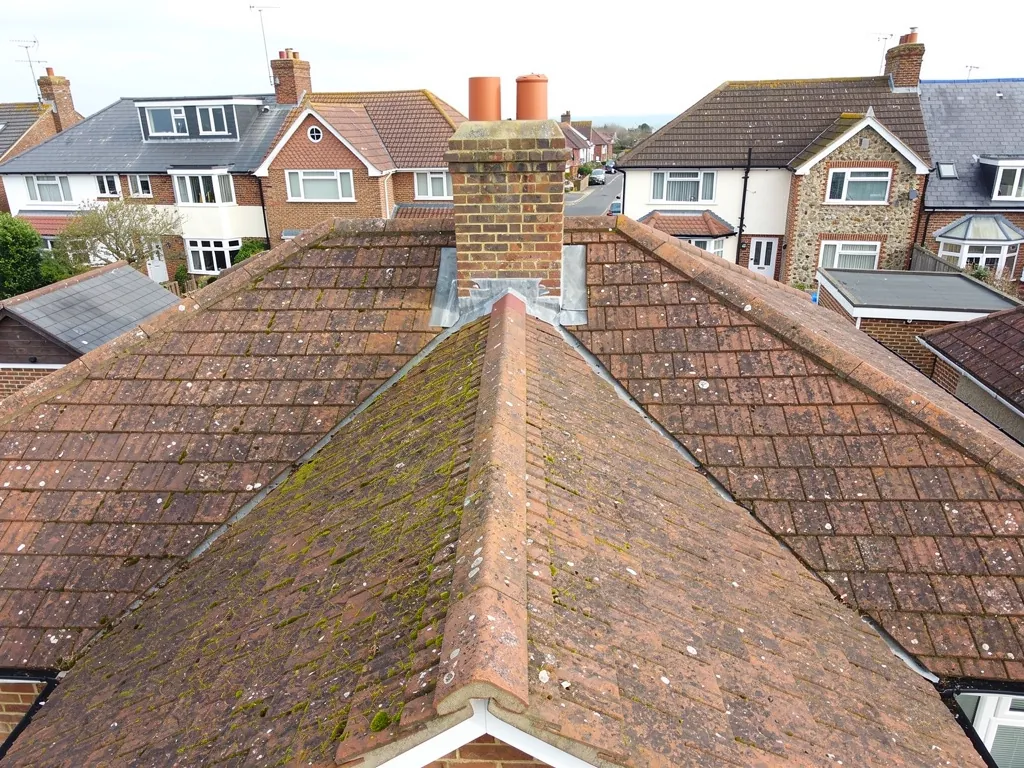
1.1 Starting in the loft
We go into the loft first, because the underside of a roof tells the truth about the top. Rafters are the sloping timbers and battens are the thin strips the tiles hang from. Underlay is the waterproof sheet, felt or membrane, fixed beneath the battens. With a torch we look for tide marks, dark or soft timber, daylight where there should be none, and brittle or torn underlay at the eaves. Insulation pushed hard into the eaves can block the air path, so we check that as well. With a high-resistance underlay, Marley gives 10 mm of ventilation along the eaves for pitches above 15 degrees and 25 mm for pitches of 15 degrees or less, and BS 5250 is the code of practice on moisture behind that guidance. A boarded loft does not stop the survey, but we tell you which parts we could not see.
1.2 Then the covering and its edges
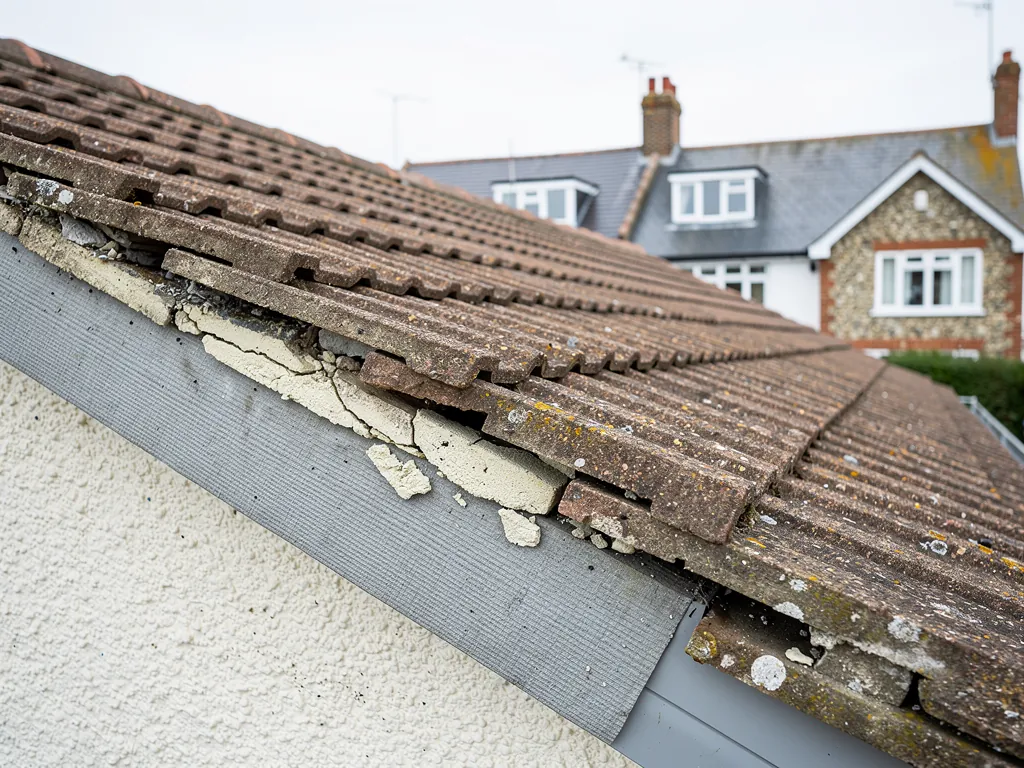
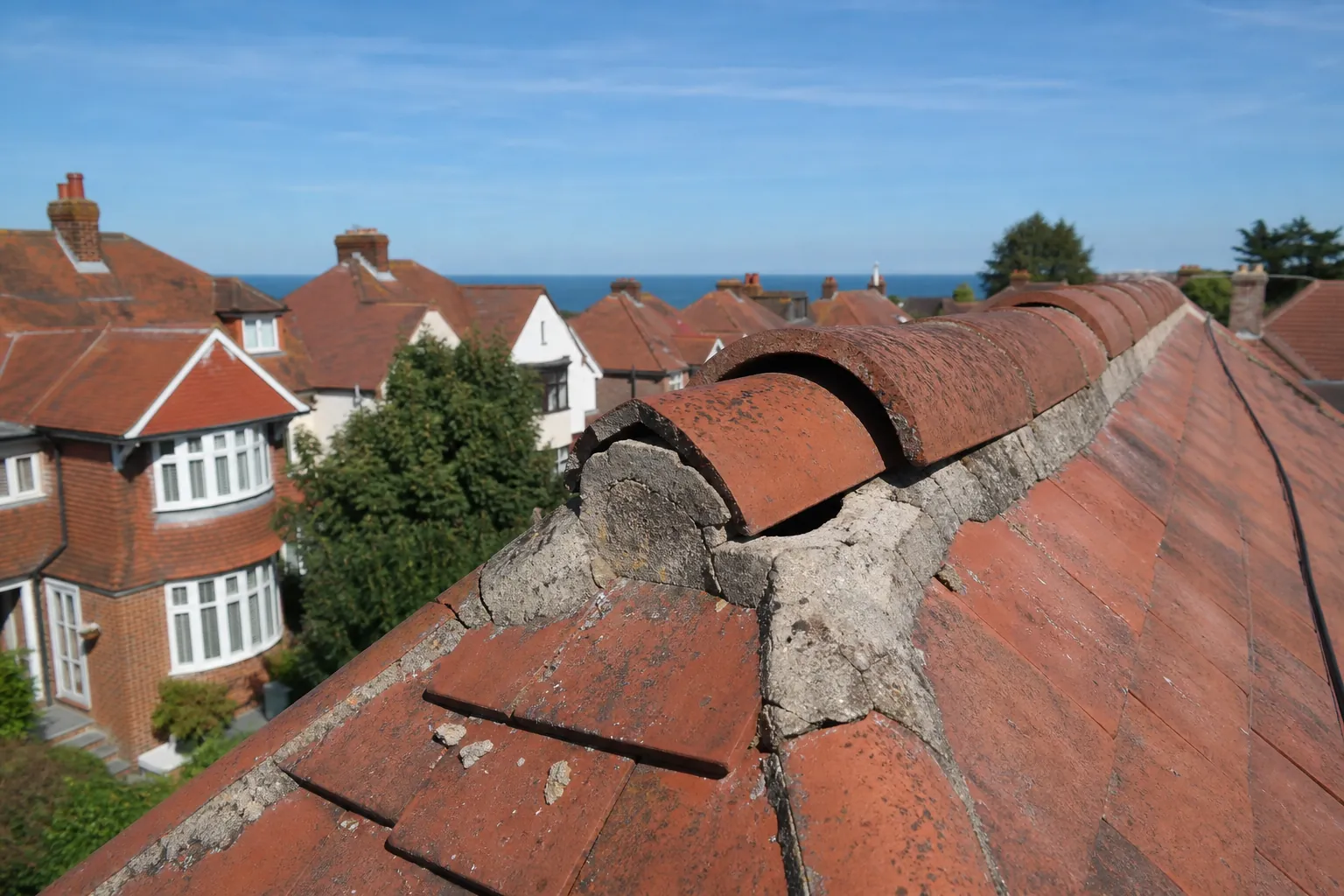
Outside, the covering comes first. On tiles we look for cracks, slips and broken nibs, the small lugs on the back that hook over the batten. On slate we look for slid or missing slates and rusted fixings. Edges take the wind first, so ridges, hips and verges get close attention. The ridge runs along the apex. A hip slopes down the outside corner of the roof, and a verge is the tiled edge over a gable end. Mortar on its own has not been trusted to hold ridge or hip tiles since BS 5534 was revised in 2014, so a bedded ridge without mechanical fixings goes on the report. Marley warns of severe suction on the windward side of slopes pitched below 30 degrees, so on a low-pitched bungalow roof near the sea we look hardest at the exposed edges.
1.3 Junctions, lead and rainwater goods
Water finds the joints. We check flashings, the lead strips that seal a roof to a wall or chimney, the soakers folded between tile courses, and valleys, the internal channels where two slopes meet. Flaunching, the mortar sloped off around the base of the pots, is checked for cracks. Gutters and outlets come last, because a blocked outlet pushes water back beneath the lowest course. Each finding gets a photograph that goes into the written verdict.
30 degrees
pitch below which Marley warns of windward suction
Look at the underside first: the loft shows where water has been, and the outside shows why.
Chapter 2: Ladder, roof access or drone1708
Sheet 02 / 06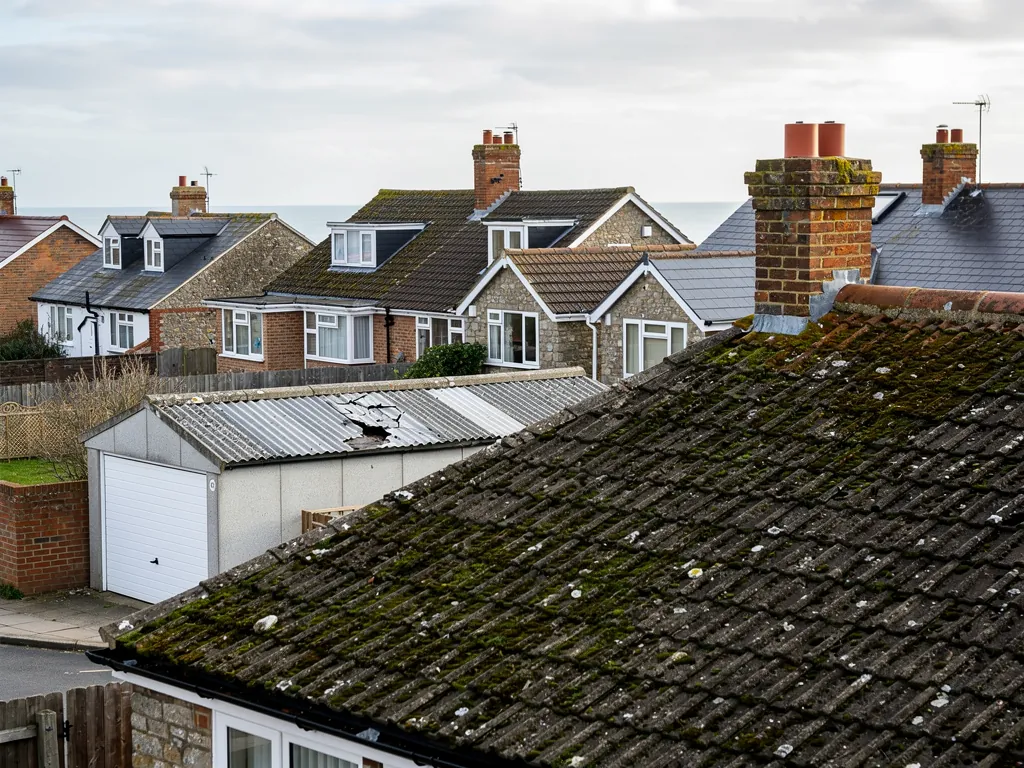
Some roofs are best checked on foot, some from the air, and the method should follow the roof rather than the equipment.
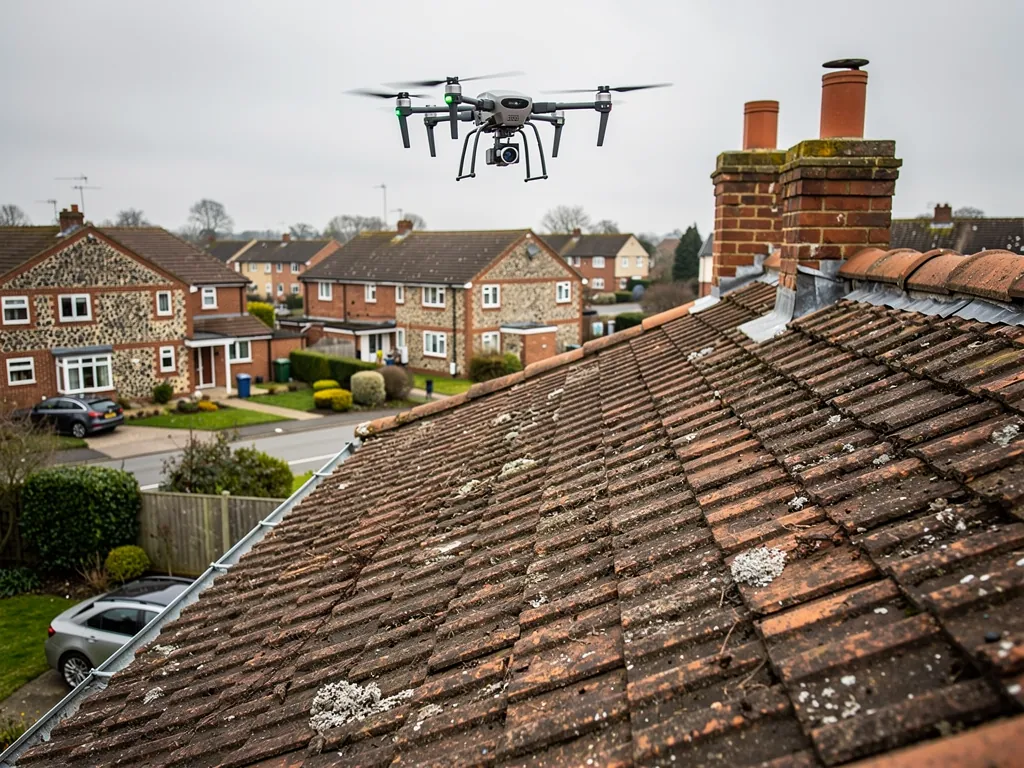
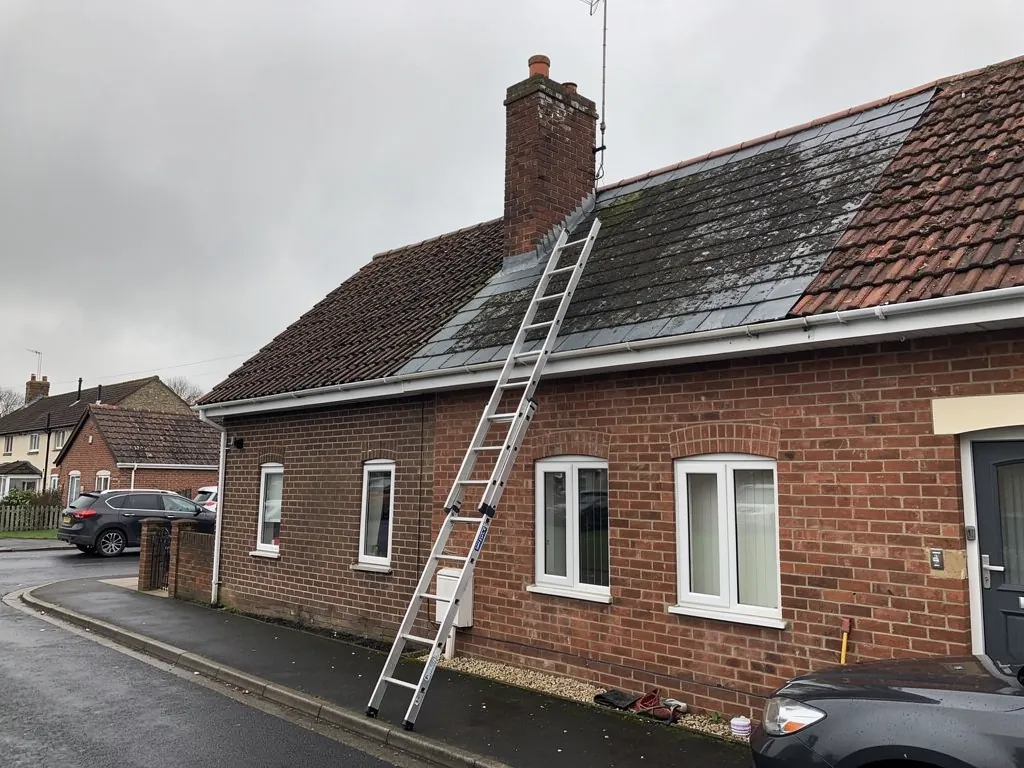
How a roof is reached decides what can be seen. A single-storey extension or a bungalow can be inspected from a ladder at the eaves and a roof ladder across the slope. A three-storey seafront terrace, with tall chimneys on the skyline, may need a tower, a scaffold or a drone. The Steyne, in Arun's description, is two and three storey terraced houses with bay windows and balconies, which is exactly the kind of building where the highest slope is out of reach of an ordinary ladder. On Felpham's estates, where the Victoria County History records a mixture of houses and bungalows built during the 1960s and 70s, one street can need two different approaches.
Two ways of reaching the roof
Ladder and roof access
Close, hands-on checks of tiles, decks, fixings and sealed details wherever the covering will bear it.
Drone
Wide, safe views of high stacks, steep slopes and distant ridges, with no weight on the covering.
2.1 When a ladder or roof access is enough
Hands on the roof tell you things a photograph cannot. We can lift a tile edge to look at the batten behind it, test a fixing, press the deck beside a split and feel whether a felt lap has lifted. Where the roof is a safe pitch and the covering is sound, that is the most useful way to inspect it. Where a covering is fragile, nobody walks on it. HSE guidance describes asbestos cement roofs as always fragile, and rooflights and some old sheeting can give way without warning, so those roofs are inspected from a platform or tower at the edge, or from the air. Anything the inspector could not reach goes on the report, so you know the limits of what was seen.
2.2 What a drone shows, and what it misses
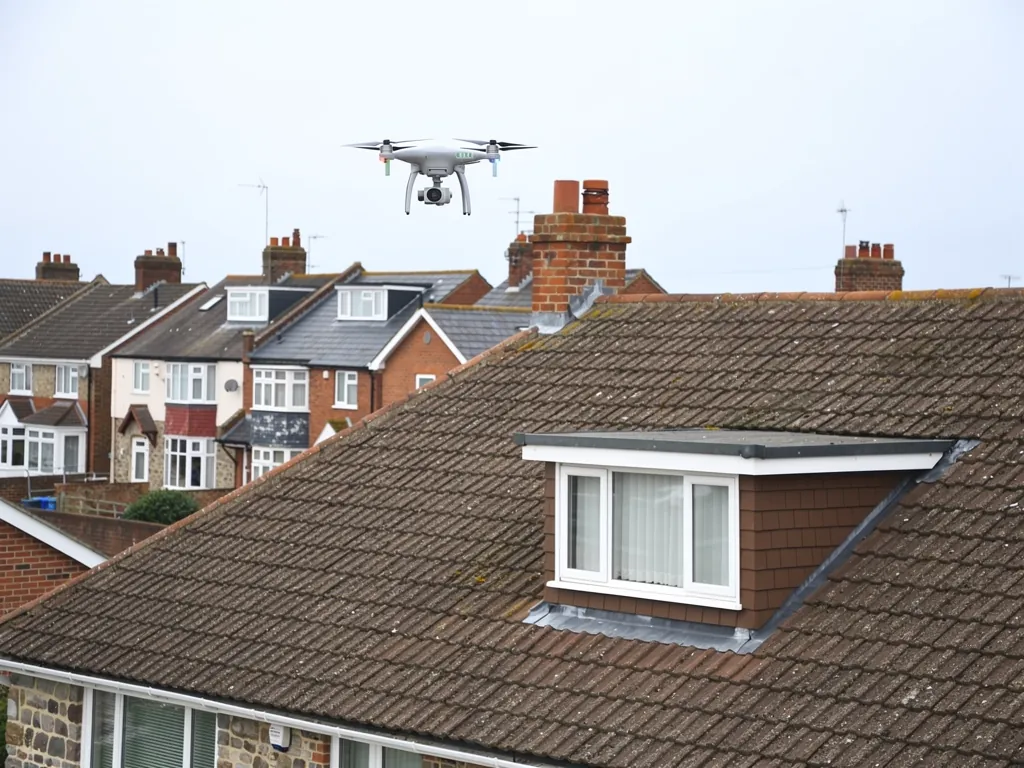
A drone is a good way to see a high ridge, a steep slate slope or a chimney stack without anyone climbing. It records the whole roof in one set of images, which suits a report, and it can return to the same spot next time for a fair comparison. It cannot lift a slate, press a deck or hold a hose over a flashing, and it sees nothing of the underlay or the loft. So a drone survey sits alongside a loft check; it does not replace one.
Whichever method is used, ask what you will receive at the end. You should get photographs of each fault, a note of where on the roof it sits and a plain statement of what was and was not reached. Pictures taken from the same positions each year make the clearest record of change. Our guide to what drone roof inspections show weighs the two methods in more depth.
Chapter 3: Flat roof surveys: felt, EPDM and GRP2257
Sheet 03 / 06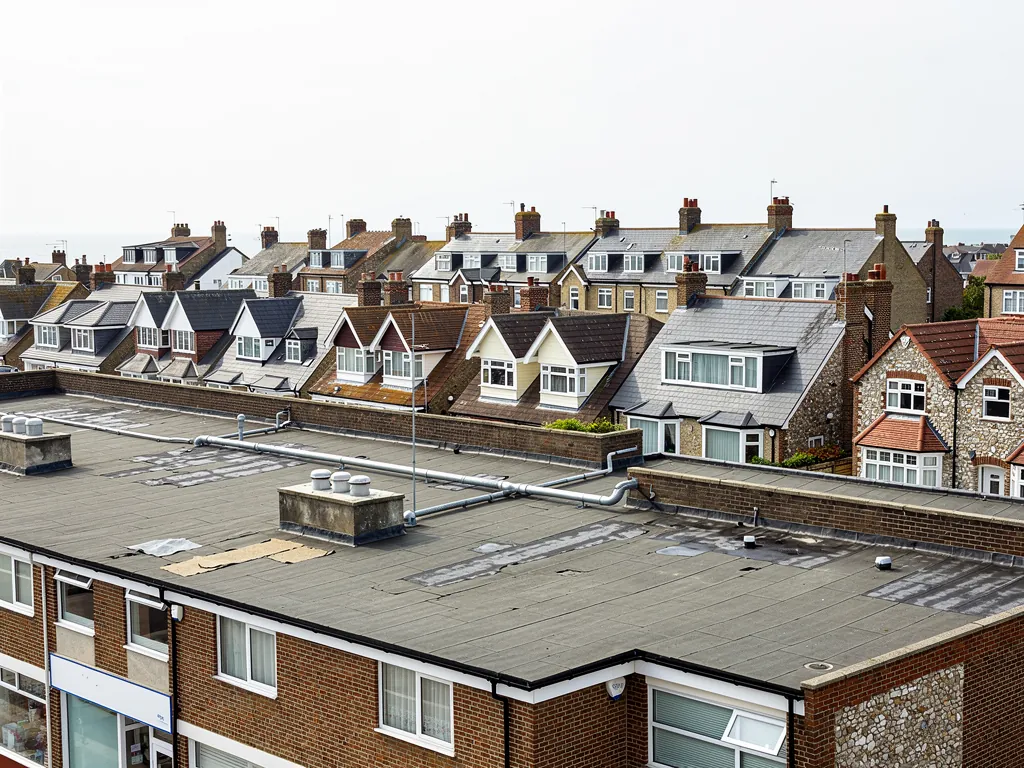
A flat roof survey is about moisture, laps and falls: whether the deck is dry, the covering is sound and the water can leave.
Flat roofs cover extensions, garages, dormer tops, seafront flats and commercial units, and they fail differently from a tiled roof. Water has nowhere steep to run, so every small defect matters. A flat roof survey asks three questions: is the covering sound, is the deck beneath it dry, and does the water drain away. Extensions on older bungalows and chalet bungalows are a common place to find all three questions answered differently on different parts of one roof, because a later addition often has a newer covering than the house.
3.1 Reading the covering
Felt roofing is built up in bitumen layers, torched onto the deck. In its flat roof guide of March 2026, Less gives felt a life of 10 to 20 years, with a warning that a badly laid roof can give out in less than ten. EPDM is a single rubber sheet, and GreenSpec quotes 20 to 30 years of service life. GRP, a glass-reinforced plastic laminate, is put by Less at 25 to 40 years. A life range is not a promise, so the report describes the actual signs of wear on your roof. On felt we look for blisters, splits and open laps; on EPDM, for lifted seams and pulled upstands; on GRP, for hairline cracks and trims that have loosened. A repair for one covering will not bond to another, so naming the material correctly is part of the survey.
What a flat roof survey concludes
- SoundA dry deck, tight laps and clear outlets, needing only a seasonal look.
- RepairOne split, blister or open edge on an otherwise healthy covering.
- ReplaceA sodden deck, ponds across the middle, or repeated patching.
1:80
minimum finished fall under BS 6229:2025
A flat roof holding water is telling you the fall is wrong, not that it needs more felt.
3.2 Moisture, falls and outlets
A soft spot underfoot, a dark stain on the ceiling below or a damp smell tell us the deck is holding water, and a patch on top of wet timber only hides the problem. Ponding points to the fall, the gentle slope that sends rain to the outlet. BS 6229:2025, which replaced the 2018 edition in December 2025, keeps a minimum finished fall of 1:80, and roofers usually design closer to 1:40 to leave margin once the structure moves. Outlets are checked for grit and leaves, and edge trims for whether they send water into the gutter and not over the fascia.
The verdict matters here, because a flat roof that is failing across its whole area is a replacement rather than a repair. Under Approved Document L, replacing the waterproof membrane counts as renovation, and insulation may have to be improved when more than 50 per cent of the roof's surface is renovated. We explain that at the survey. Our flat roof survey guide goes through moisture and seams, and our flat roofing service covers the work itself.
Chapter 4: The written report and what to do with it2501
Sheet 04 / 06A useful report names each fault, shows it in a photograph, says where it sits on the roof and gives a verdict.
The report is what you keep. A good one starts by describing the roof: its covering, its pitch, its extensions and anything that limited the view. Then it works through the findings one at a time, each with a photograph, a location on the roof and a note of how urgent it is. It closes with a verdict you can act on, put in words: mend the fault, hold it with a temporary patch, or renew the roof, with the reasons. Where a roof is fine we write that down too, since a clean report is worth having.
4.1 Buying, selling and a flagged roof
A homebuyer surveyor looks at the whole building, so the roof is one part of a long report, and a note about the roof can say little more than that further investigation is advised. A roofer's report on that one roof gives you the detail: what is wrong, how far it has spread, and what a repair or replacement would involve. Sellers sometimes commission the same check before listing, so that buyers see a documented roof rather than a worry. Our guide to what happens when a surveyor flags the roof sets out the next steps.
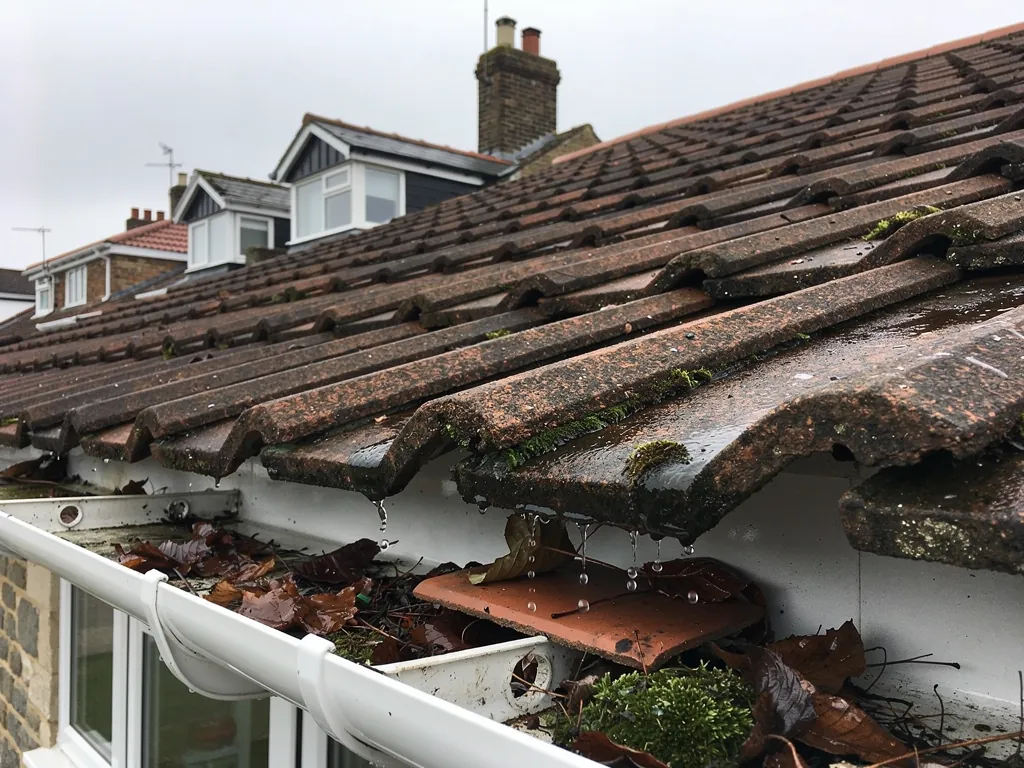
4.2 After a gale, and insurance
After storm damage the order of events matters. Which? says to contact the insurer early, and to keep the receipts if you pay for emergency repairs yourself. IStructE adds that photographs are vital evidence. Which? offers a poorly maintained roof that lets water in as its wear and tear example, which is why a dated record of the roof's condition is useful. It is evidence only, never a promise that any claim will be paid. If you are unhappy with the result, complain to the insurer first, then take it to the Financial Ombudsman Service, which costs nothing. See our guide to a roof inspection after a storm.
Keep the report with your deeds or home papers. It gives the next roofer a starting point, shows a future buyer what was found and done, and lets you compare the roof year on year. Autumn, before the wet months, and the weeks after a gale are natural moments to look again. Our guide to the roof inspection report lists what it should contain.
A report, from visit to verdict
- 1VisitThe loft and roof are checked, and anything we could not reach is noted.
- 2PhotographsEach fault is photographed with its position on the roof written beside it.
- 3VerdictMend it, hold it with a patch, or renew it, backed by the evidence.
- 4QuoteIf work is needed, one total price follows in writing.
Chapter 5: What roof inspections cost, and where scaffolding comes in3538
Sheet 05 / 06The inspection itself is a modest figure; access is what changes it, and scaffolding is the biggest part of access.
Checkatrade's table, last updated September 2026, runs from about £150 for a flat roof inspection to £300 to £500 for a full survey, plus VAT. Checkatrade's roof repair guide lists roofers' rates at around £280 to £360 a day (table updated June 2026), and states that its figures exclude VAT, which is charged at the standard 20 per cent. What moves the price is the height of the building, the size and shape of the roof, how many roof planes there are and which method suits the covering. Check whether any figure you are given includes VAT, and whether a quote for work includes scaffolding.
Typical UK scaffold hire, per month
- Terraced house£800 a month
- Two-storey semi-detached£875 a month
- Detached bungalow£1,000 a month
- Detached house£1,200 a month
National monthly hire figures. Whether a scaffold is needed at all is settled on the roof, so check any quote for scaffolding and VAT.
Source: Checkatrade scaffolding cost guide, table last updated October 2026
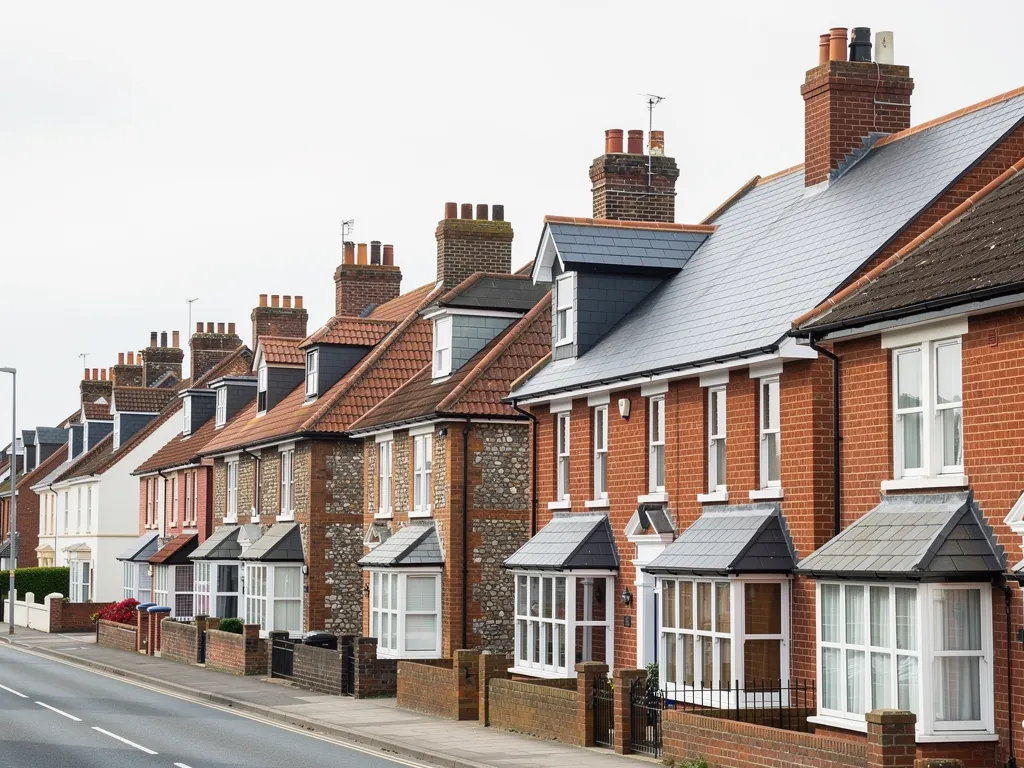
5.1 Should you pay for an inspection?
It depends who is checking and why. If you want an independent view, say before buying or when you doubt a quote, paying for a report with photographs is reasonable, because the roofer has no work to sell. If a roofer is inspecting in order to quote a repair, the survey may be built into the job. Either way, ask before you book: is there a charge, is it taken off the work if you go ahead, and what will you receive on paper. The answers tell you how the firm works.
5.2 How scaffolding changes the bill
Many inspections need no scaffold at all. Ladders, a tower or a drone reach a good number of roofs. A scaffold becomes necessary where a safe working platform is needed, for instance at the eaves of a tall house. Checkatrade's scaffolding guide, table last updated October 2026, puts hire at around £800 a month for a terrace, £875 for a two-storey semi and £1,200 for a detached house. Scaffolding over a footway or road needs a Highways Act licence, issued by the highway authority. West Sussex County Council wants at least 10 working days' notice and charges £266 for one month.
Price is also how to spot a poor roofer. Treat with caution anyone who turns up unannounced to say your roof is dangerous, who will not put the problem on paper with photographs, or who wants cash before the work is agreed. Ask what guarantee comes with the work and how long it runs, in writing. Work agreed at your home carries a 14-day cancellation right, and a firm that wants to start inside it should ask you to say so in writing. Our guide to the cost of a roof inspection gives the detail.
£150 to £500
typical UK flat roof check to full survey, Checkatrade 2026
Chapter 6: Older roofs, listed buildings and what lies underneath3294
Sheet 06 / 06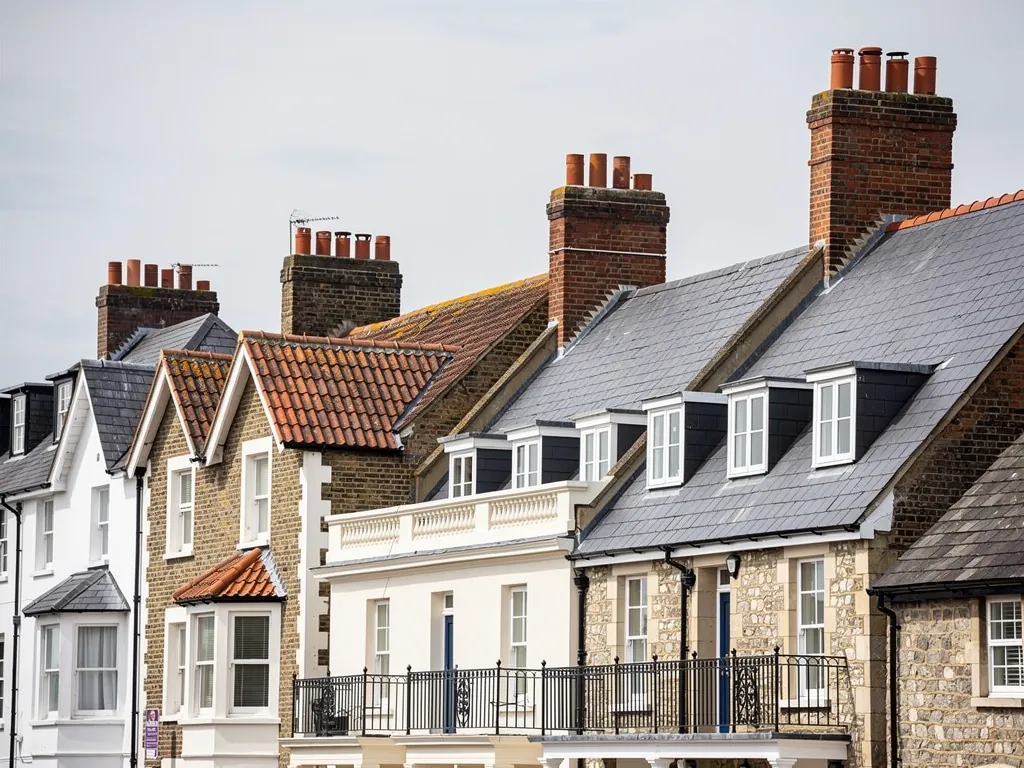
Period roofs, asbestos-era materials and protected wildlife each change how a roof is inspected, before anyone lifts a tile.
Along the seafront and in the villages, the roof can be as old as the house. The Steyne and Waterloo Square were designated a conservation area in August 1979 and extended in July 1994, and Arun's guidance calls the chimneys there important features on the skyline. Aldwick Road was designated in July 1994, and Arun's guidance records modern concrete interlocking tiles standing where slate used to be. An inspection of a roof like that records which materials survive and which have already been changed, and that record helps anyone planning a repair or a replacement later.
Before any slate is lifted
On a listed or conservation-area roof, the photographs from the inspection help settle the consent route before the scaffold goes up.
6.1 Conservation areas and listed buildings
Replacing a covering like for like seldom needs planning permission, since work that leaves a building's appearance materially unchanged is not treated as development. Listed buildings are different: works that would affect the character of a listed building need listed building consent. The South Downs National Park Authority lists routine maintenance and small in-situ like-for-like repairs as work that needs no listed building consent. Arun's Article 4 directions in Bognor remove no roof rights, but check with Arun District Council's planning team before changing a covering. Inside the National Park, the South Downs National Park Authority decides in the Arun part, and in the Chichester part the district council handles applications on its behalf. Our guide to a listed building roof survey covers it.
6.2 Asbestos and spray foam
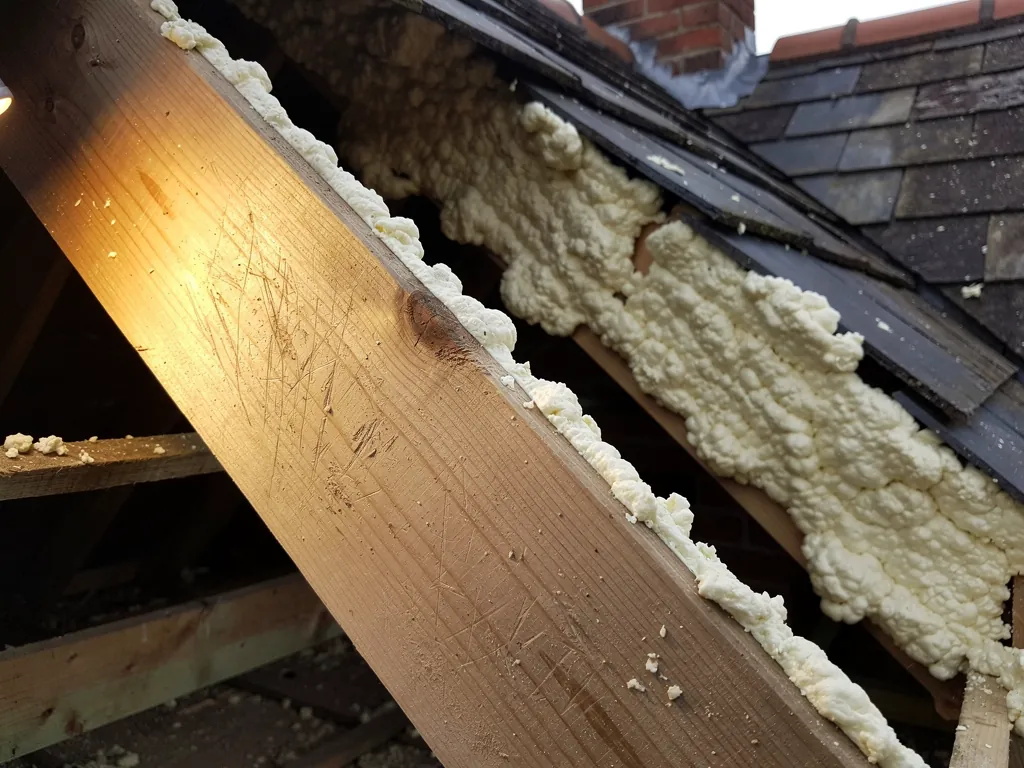
HSE tells owners to assume asbestos is present in any building constructed or refurbished before 2000. HSE also says it is difficult to tell asbestos insulating board from its non-asbestos equivalents, so an inspector can flag suspect material, but nobody should treat a glance as proof. Careful removal of weathered asbestos cement is non-licensed work, and badly broken sheets make it notifiable. See our roof asbestos check guide. Spray foam in the loft is noted too: the RICS consumer guide of March 2023 warns that badly installed insulation can cause uncontrolled condensation, and a November 2024 report in Today's Conveyancer said some lenders refuse homes with spray foam while others decide case by case. Our spray foam assessment and removal page explains the options.
Bats and their resting places are legally protected, and roof work can disturb a roost, so the inspection notes any signs before work starts. When a job is finished, the same checklist runs in reverse, with the completed roof looked over against what was agreed and photographed for your records.
Price guide
Typical UK prices around a roof inspection
| Job | Typical range |
|---|---|
| Roof inspection, flat roof check to full survey | £150 to £500 |
| Roofer's day rate | £280 to £360 per day |
| Small flat roof repairs | £150 to £500 |
These are national guide figures. Any work we recommend is priced after the survey, in writing, as one total.
Source: Checkatrade roof inspection cost guide, table last updated September 2026; Checkatrade roof repair cost guide, table last updated June 2026; Less flat roof cost guide, March 2026
Guides and answers
Roof inspection guides and answers
Short guides covering costs, reports, drones, flat roofs, storms and period buildings, with Bognor Regis and the surrounding coast in mind.
 How much does it cost for someone to check your roof?9 min read
 What a roof survey checks, top to bottom9 min read
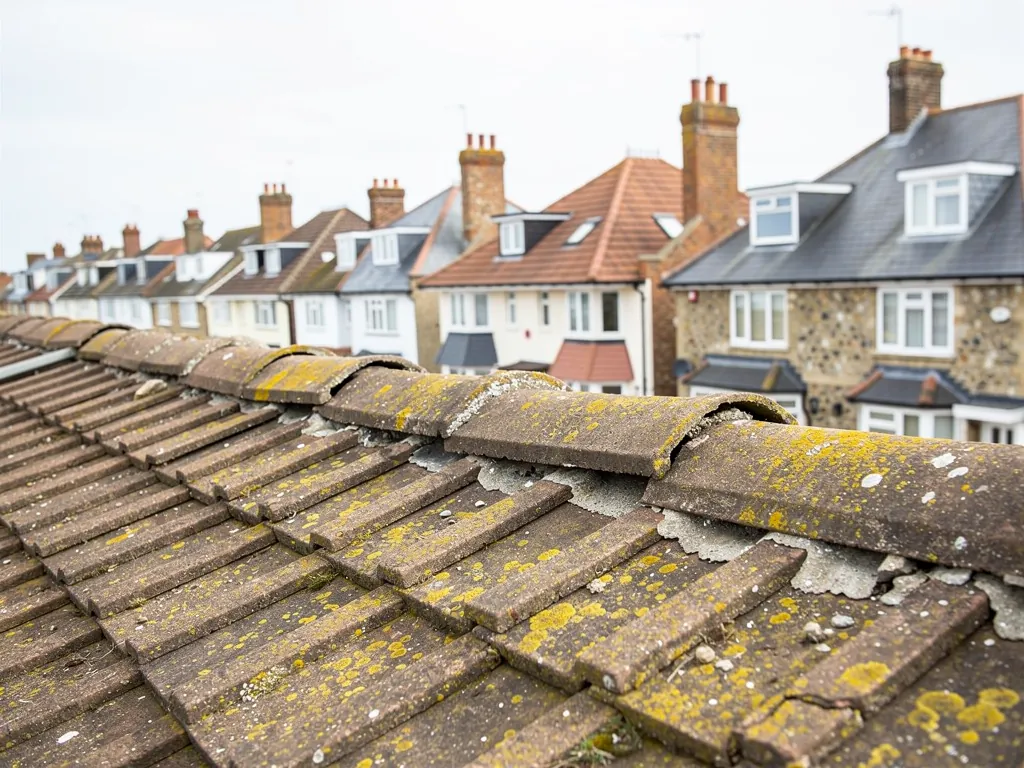 The surveyor flagged the roof: what happens next9 min read
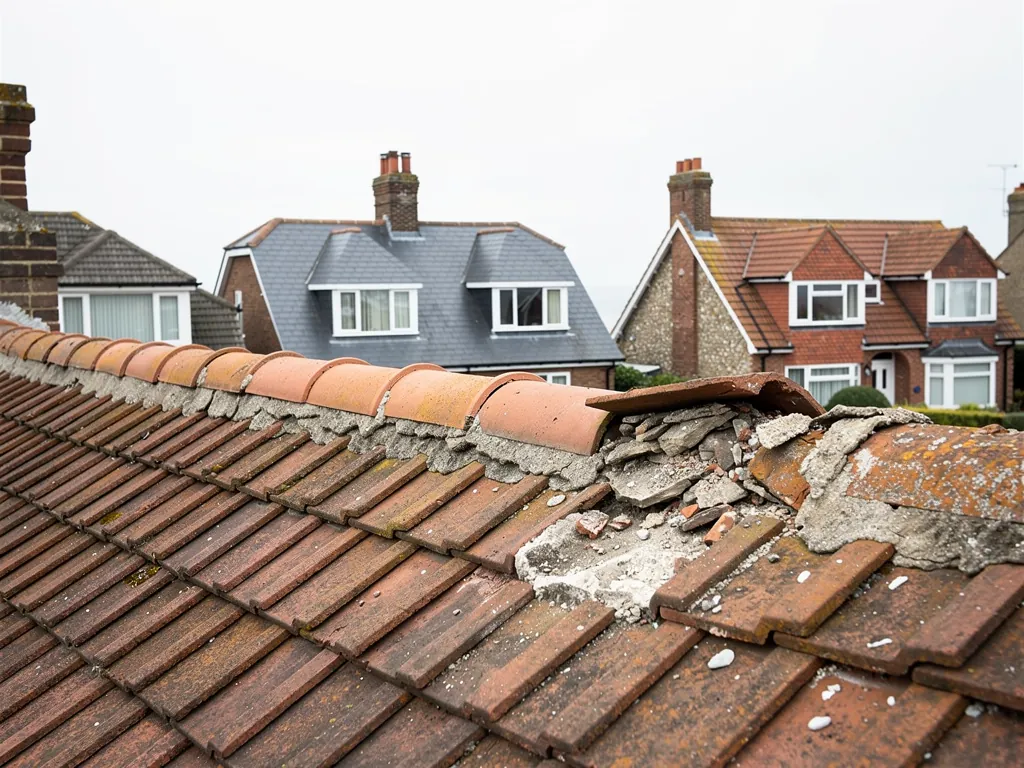 Roof inspections for insurance claims9 min read
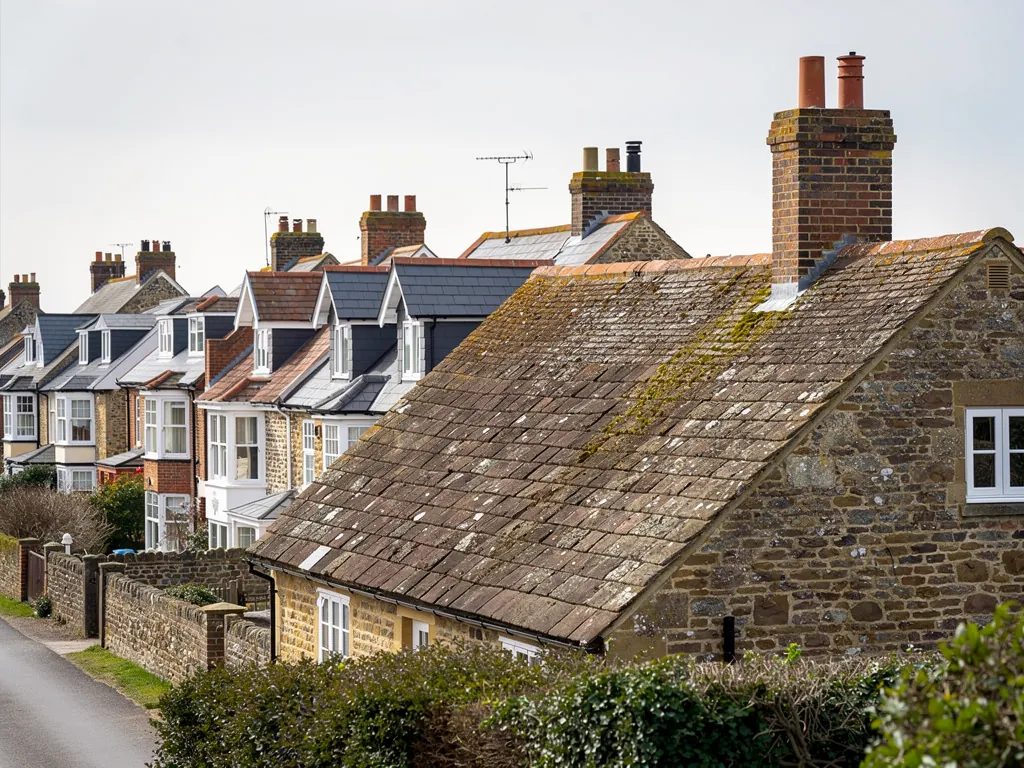 Inspecting a period or listed roof9 min read
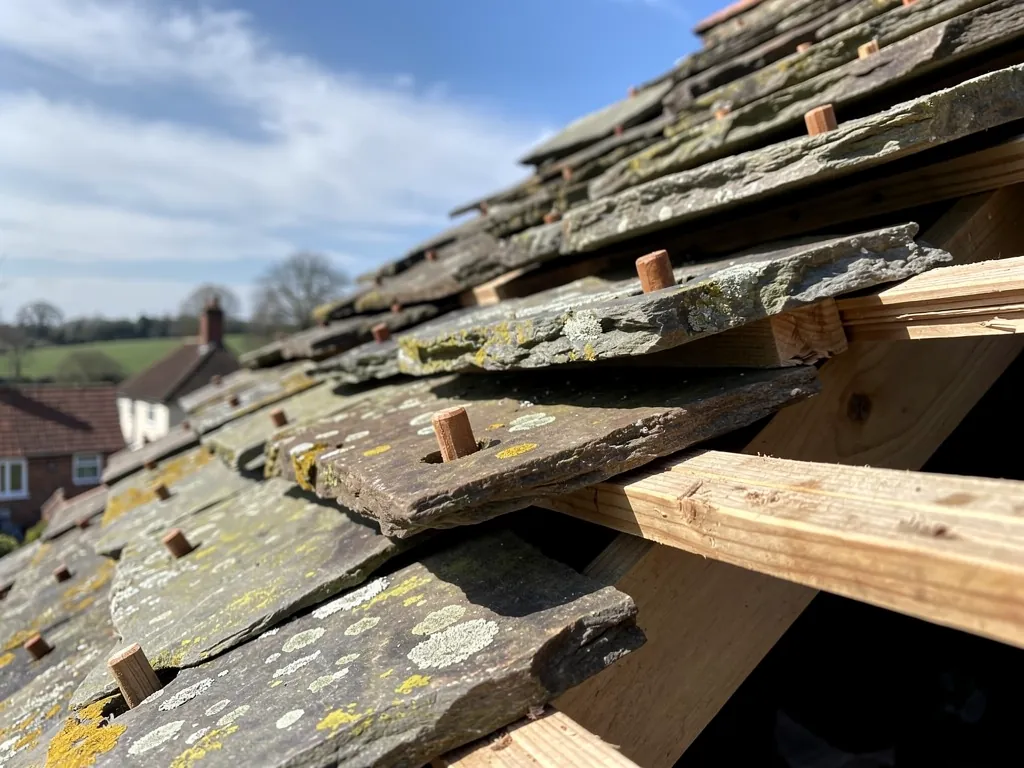 Drone roof inspections: what they show and what they miss9 min read
 How often should a roof be inspected?9 min read
 Roof condition reports for buying, selling and insurance9 min read
 What you can check from the loft yourself9 min read
 Post-storm roof inspections: what a roofer looks for9 min read
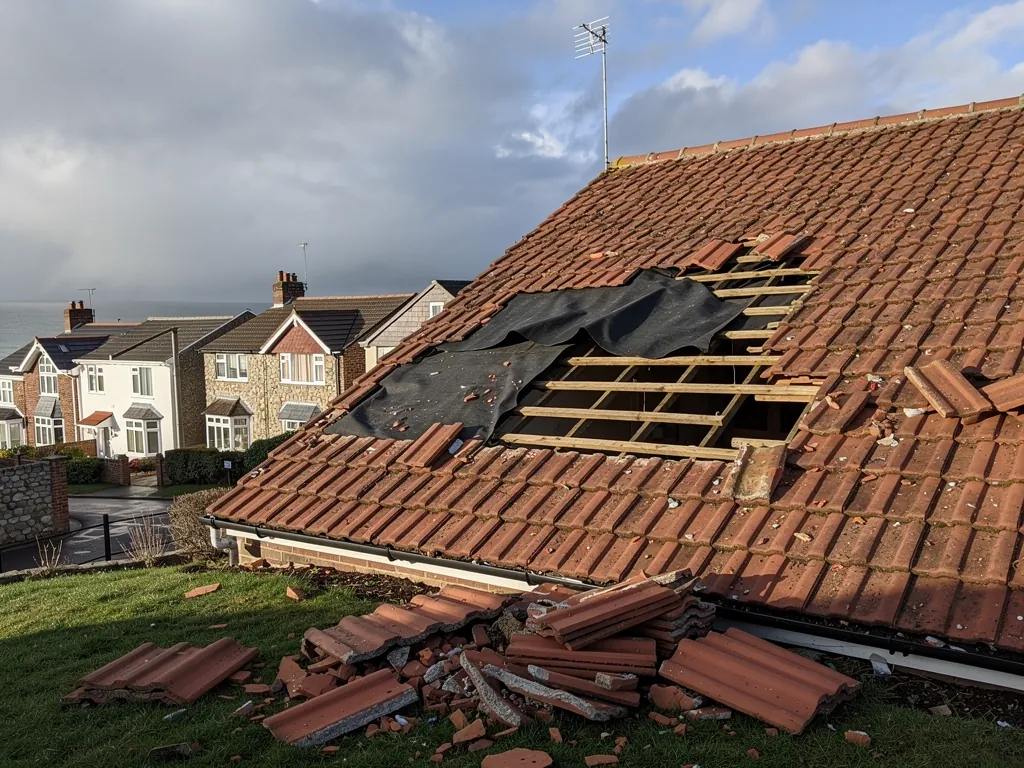 Flat roof surveys: moisture, seams and outlets10 min read
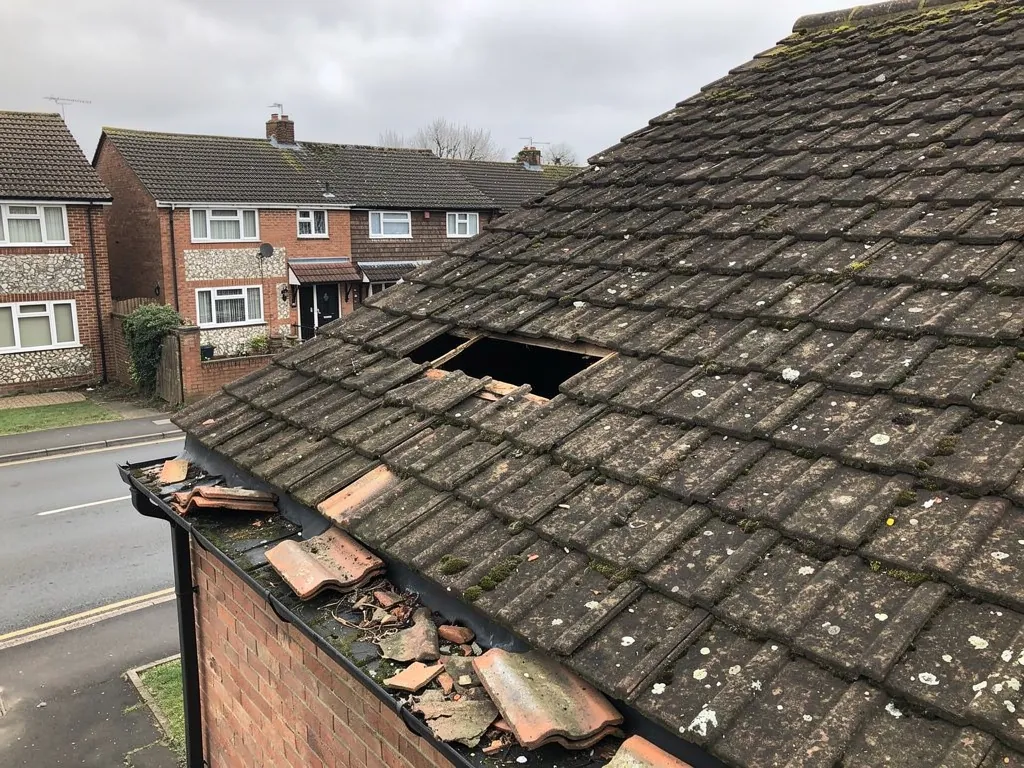 Why autumn is the time for a roof check9 min read
Quick answers
- Should you pay for a roof inspection?
- Is a free roof inspection worth having?
- Roof survey or RICS homebuyer survey: what is the difference?
- Should you get the roof checked before selling?
- How long does a roof inspection take?
- Drone or ladder: which roof inspection is better?
- What should a roof inspection report include?
- Can thermal imaging find a roof leak?
- How can you tell how old a roof is?
- Does a roof inspection include gutters and chimneys?
- Can a roof be inspected without scaffolding?
- What does condensation in the loft tell you about the roof?
- Should you have a new-build roof inspected?
- Can you inspect your own roof safely?
- How do you check if a roof is ventilated properly?
- Can an inspection tell what my roof is made of?
- Can a roof inspection find asbestos?
- Can you get a video of your roof inspection?
- Should new roof work be inspected when it is finished?
- What should be checked on an older bungalow roof?
Questions
Roof inspection questions, answered
What does it cost to have a roof inspected in Bognor Regis?
Checkatrade's 2026 figures put a roof inspection at about £260 and a drone survey near £210, plus VAT. The figure rises with the height of the building, the size of the roof and the method needed, and it falls when a ladder is enough. Check whether any price includes VAT. Where an inspection leads to work, the written quote follows the photographs and carries one total price, so you can set it beside any other quote on the same terms.
Is it worth paying for an inspection before there is a leak?
It can be, especially before winter, after a gale, or when you are buying or selling. A report with photographs shows the roof's condition and any small faults while they are cheap to fix. It also gives you something to measure future quotes against. If the roof is sound, the inspection tells you that, and you can leave it alone with confidence rather than guess. Ask any roofer whether the inspection is charged for, credited against work, or included.
What are the warning signs of a roofer to avoid?
Look at what they put on paper. A sound roofer shows you pictures of the actual fault on your house, explains it in plain words, gives a written quote with a total price, and tells you what guarantee comes with the work and for how long. Warning signs include pressure to decide on the doorstep, a cash demand up front, no address, and a claim of danger with nothing to show for it. Work agreed at home carries 14 days to cancel.
Does a survey of my roof mean putting up scaffolding?
Often it does not. A roof ladder, a tower or a drone can reach many roofs, and a scaffold is only needed where there is no safe way to work at the eaves, such as on a tall terrace. If one is needed, a highway licence is needed when it stands on a footway or road. West Sussex County Council asks for 10 working days' notice. Check that any price you are given says whether scaffolding is included.
Should I get the roof inspected before or after telling my insurer about a storm?
Contact the insurer promptly, as Which? advises, and make the roof safe first. Photograph what has happened, keep any receipts for temporary work, and keep damaged items. A roofer's report can add detail, but ordinary wear and tear usually falls outside cover and no report promises a payout. If you are unhappy with the result, complain to the insurer first, then to the Financial Ombudsman Service, which is free to use.
Can an inspection find asbestos or bats in a roof?
An inspection can note suspect materials and signs of roosting, but it cannot confirm either by eye alone. HSE says to assume asbestos is present in buildings built or refurbished before 2000, and says it is hard to tell asbestos insulating board from non-asbestos equivalents. Bats and their roosts are fully protected by law, so signs found at the survey stop work until the right advice is taken. Neither is a reason to leave a roof unchecked.
Get a quote
Show us the roof's problem
Photographs of a ceiling mark or a worn corner of the roof, plus when it was last looked at, are all we need to begin in the loft.
Loading the enquiry form. You can also call 01243 252373.