
Spray foam insulation removal in Bognor Regis
Spray foam under your tiles does not always have to come out. We survey the loft, photograph the rafters and felt, and tell you plainly whether to leave it, open it up or remove it.

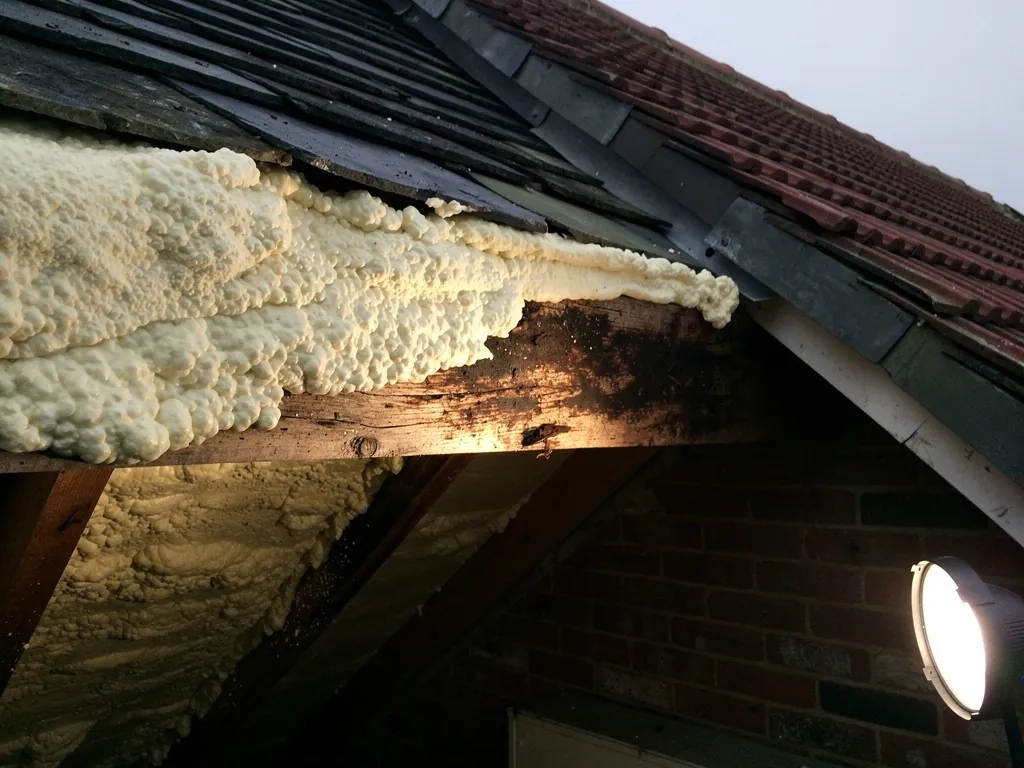
- Repair or replace,
said plainly - Photos of
your own roof - Written quote,
one total price - Ridges and verges
fixed to BS 5534
Signs
Signs spray foam is causing a problem
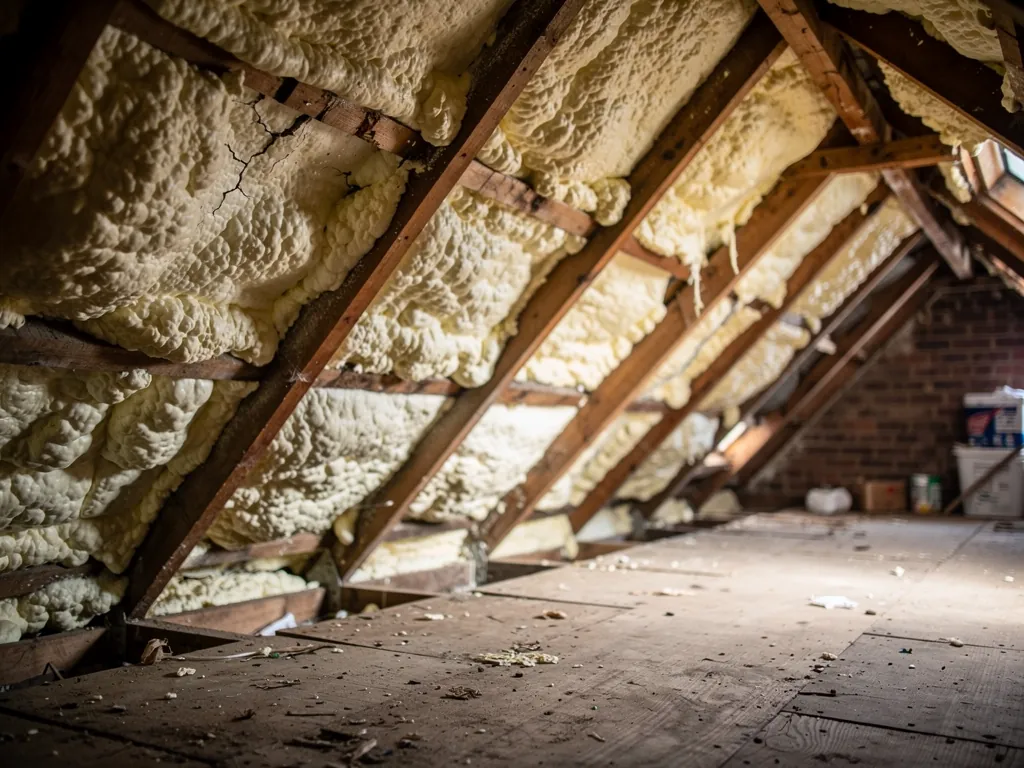
- Foam covering the rafters in the loft
- A survey report that flags foam
- A musty smell in the loft
- Ceiling stains under a foamed roof
- A lender hesitating over the insulation
What the work covers
What we do when spray foam is in the roof
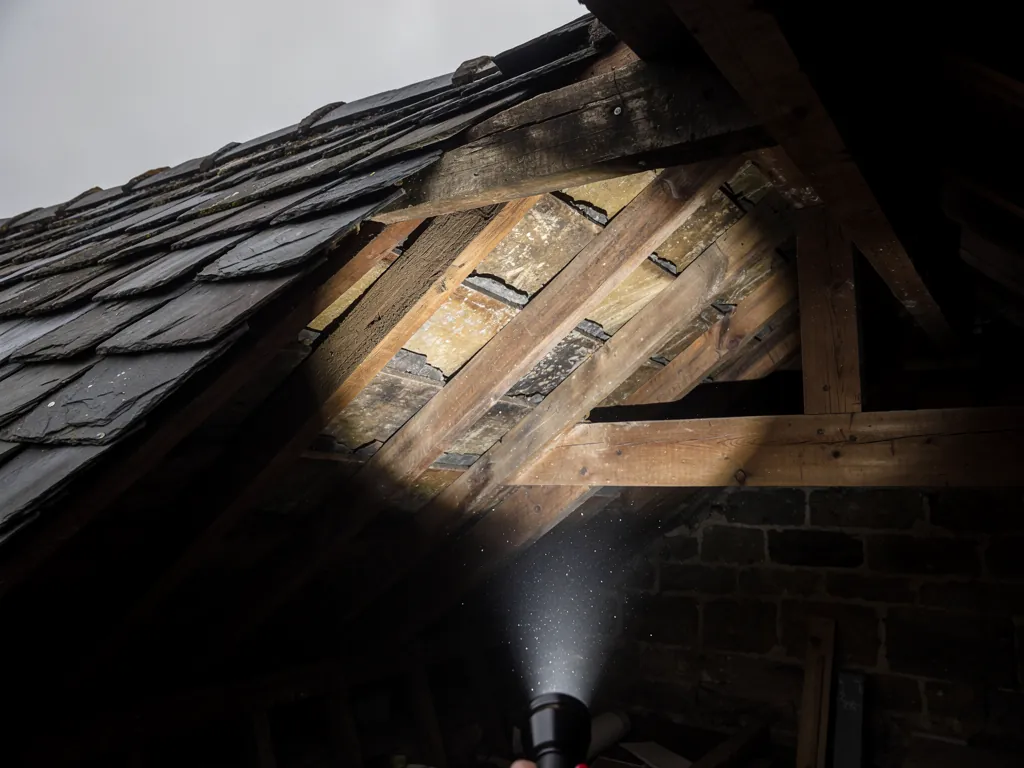
Loft survey and photographs
We look at the foam, the rafters and the felt from the loft, photograph what shows, probe any bare timber and give you a written plan with the photographs.
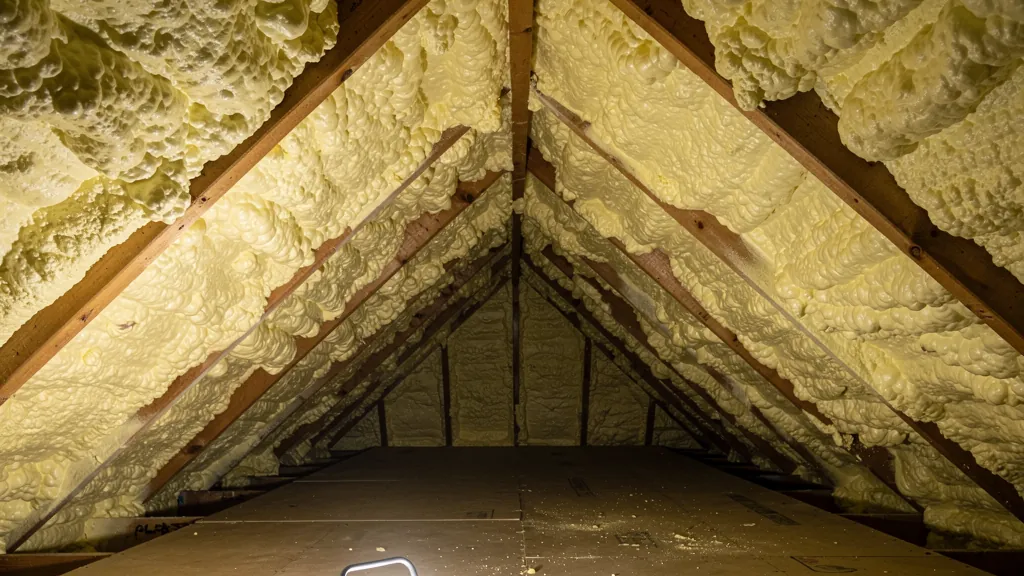
Removal from the loft side
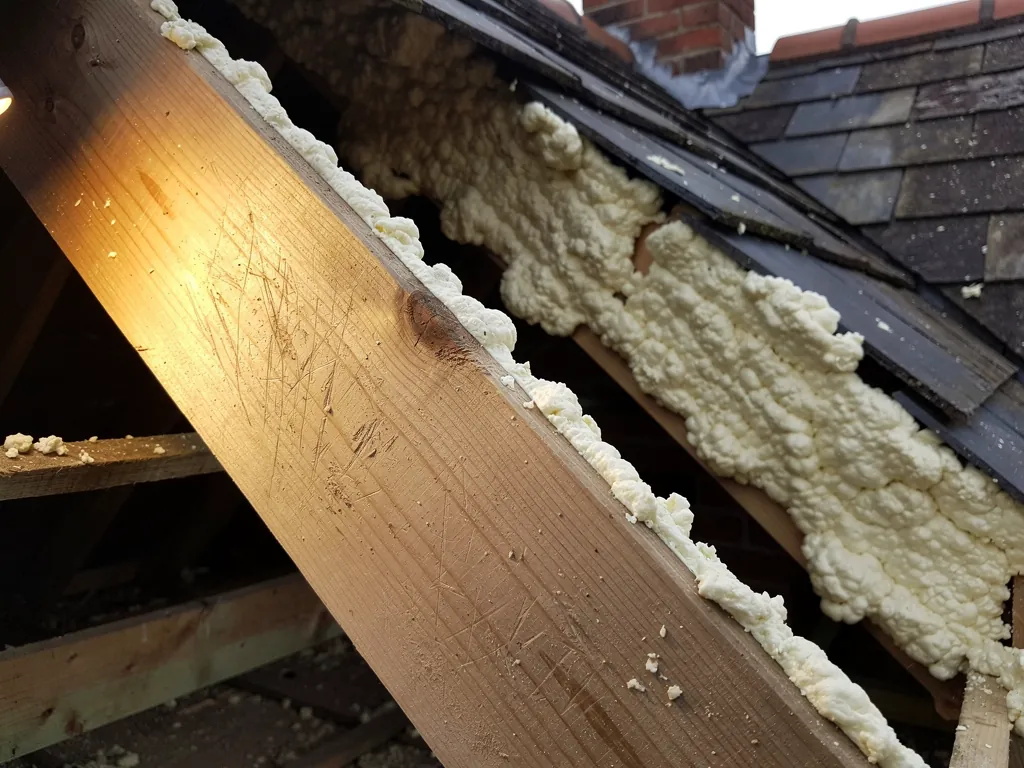
Where the foam sits on bare rafters, it is cut and scraped away by hand from inside, so the tiles can stay on and the roof stays closed.
Removal with the covering lifted
Where foam has stuck fast to the underlay or the back of the tiles, we strip the covering in sections, take the foam off and relay or renew what lies beneath.
Timber checks
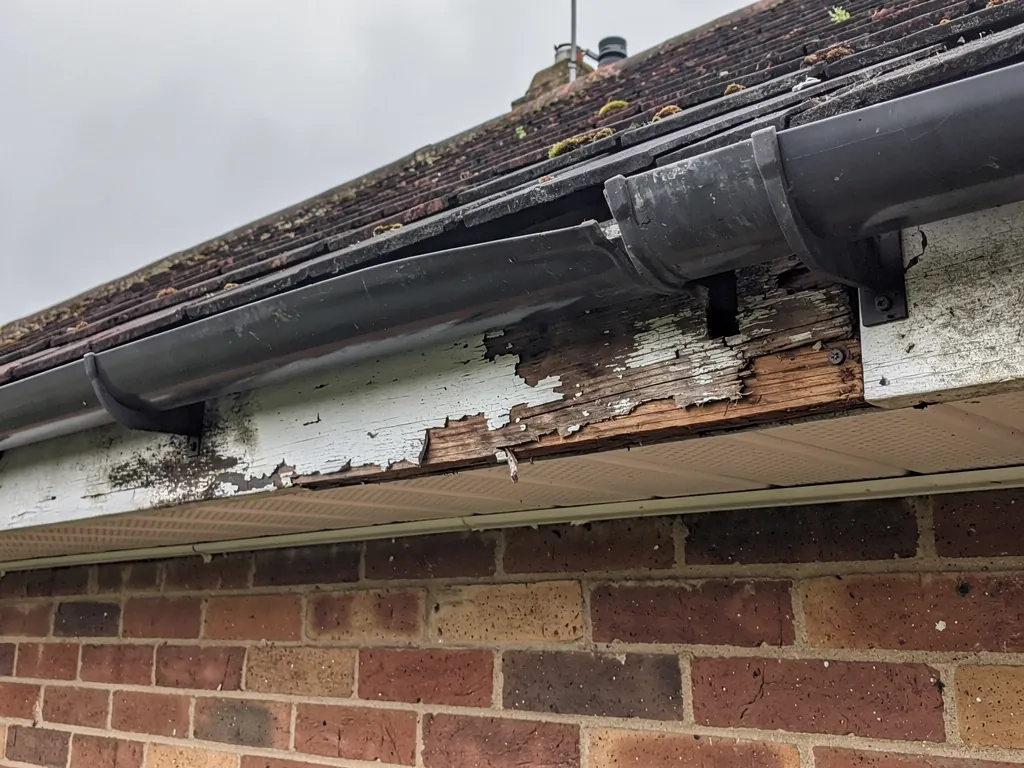
Once the rafters show, we check them for softness, staining and rot, and tell you which timber is sound and which needs treating or replacing.
Felt and ventilation put right
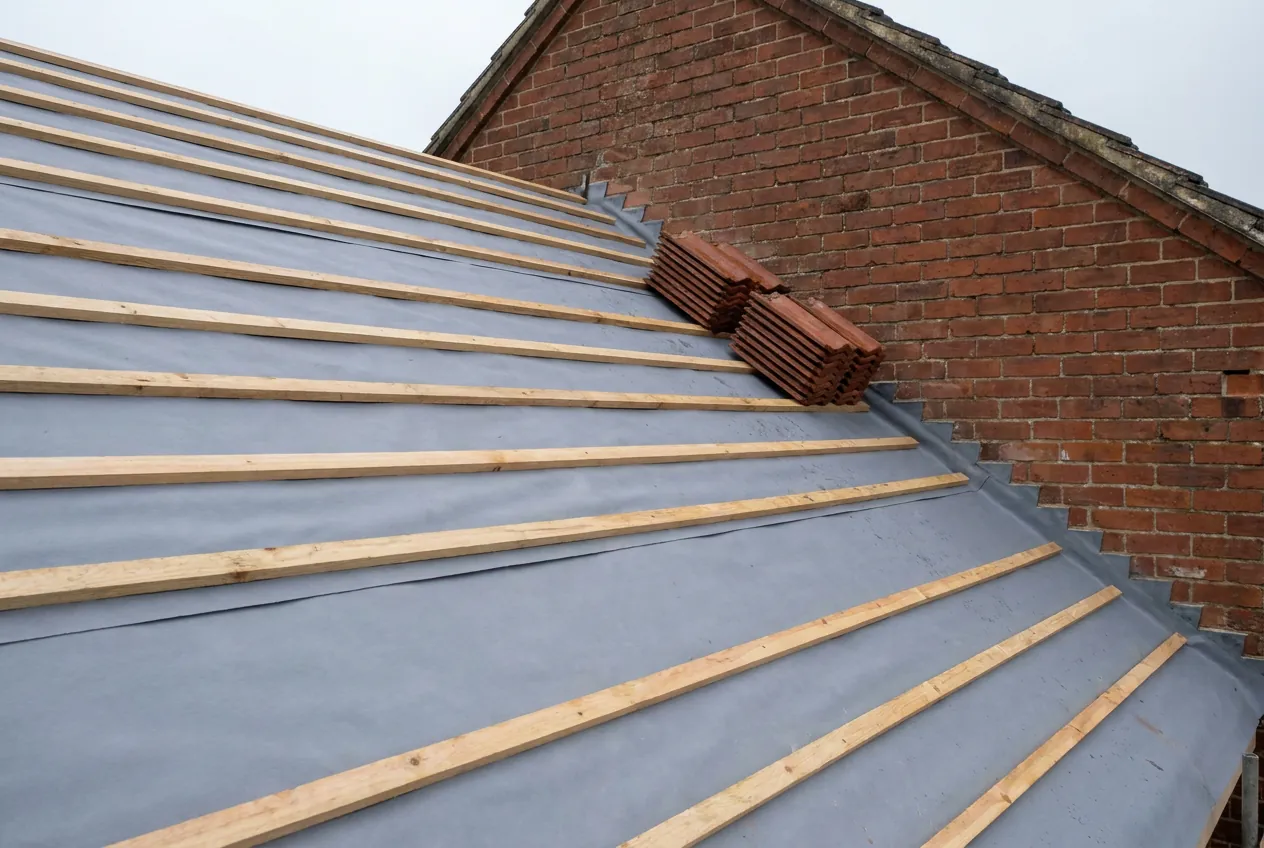
Torn or foam-stuck felt is renewed, and the air paths at the eaves and ridge are restored so the roof structure can dry out and stay dry.
Advice on insulating again
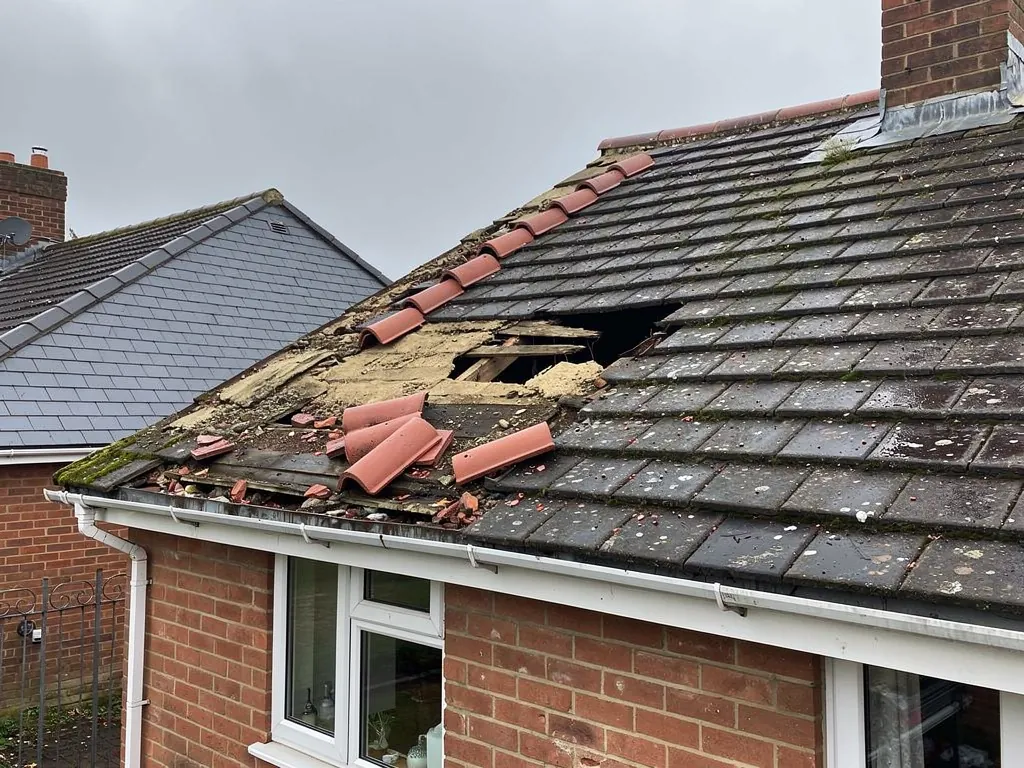
We explain what suits the roof next, such as quilt insulation at the ceiling joists, and what your building control body expects to see.
What it costs
Spray foam removal prices around Bognor Regis
priced on survey
Foam removal is quoted as one total once the roof has been seen
Roof area, foam type and thickness, the route in and the condition of the timber underneath set the total, which is why a table cannot fix it.
How a foam removal job runs, from loft photos to the finished roof
- 1Photos and a loft surveySend loft photos and any survey report that mentions foam, and we inspect the foam, rafters and felt before discussing methods.
- 2The verdict on the foamYou hear whether to leave it, open it up in places or remove it all, with photographs showing why.
- 3Removal and clear-upWe take the foam off by the route the survey chose, protect the house throughout and take the waste away.
- 4Timber check and a recordWith rafters and felt exposed we check them, then photograph the finished roof structure so you hold a record for any buyer or lender.
Spray foam removal, in depth
Spray foam in a roof: what to know before you decide
Six chapters on lenders and surveyors, spotting foam, whether it must go, how it comes off, what it costs and the consents around it.
Chapter 1: Why foam under the tiles worries buyers and lenders3111
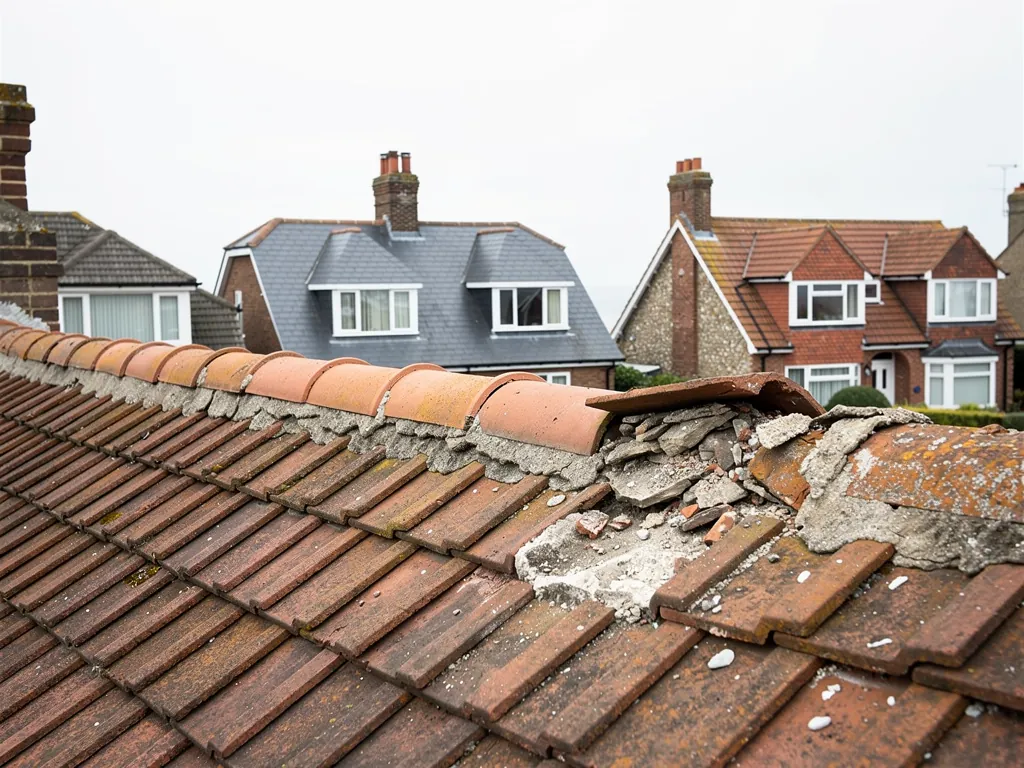
Sheet 01 / 06Once foam coats the underside of a roof, buyers, surveyors and lenders start asking what it is hiding.
Spray foam insulation is a two-part liquid sprayed onto the underside of a roof, where it expands and sets into a solid layer. It has been fitted in lofts as a quick way to insulate, sometimes on offers promising lower heating bills and no quilt to lay between the joists. The trouble tends to arrive later, often when the house is for sale. A buyer's surveyor climbs into the loft, finds a skin of foam over the rafters and cannot see, probe or photograph the timber beneath it. The report may say the roof structure could not be inspected, and a buyer who reads that line tends to ask for a price cut, a specialist opinion or both.
March 2023
date of the RICS consumer guide on spray foam
Foam that cannot be inspected is foam that cannot be signed off with confidence.
What a buyer's surveyor flags
- Foam hiding rafters and battens
- Damp or condensation risk
- Lender policy on foam
- Effect on the valuation
- Timber that cannot be probed
1.1 What the RICS guide says
The RICS consumer guide to spray foam insulation, dated March 2023, sets out the concern in plain terms. Insulation that is installed incorrectly can lead to dampness, including uncontrolled condensation. The presence of foam is a factor that could affect a surveyor's opinion of value. Owners are told to check with their mortgage provider whether the lender's policy allows foam at all, and the guide warns that taking it out could potentially damage the existing structure. Read together, those points say one thing: find out what you have before deciding what to do about it, and be wary of anyone certain without having looked.
1.2 What lenders have said
Lender attitudes are not uniform. In November 2024 Today's Conveyancer reported a split: some lenders refuse mortgages on houses containing foam, others judge each property individually. We cannot tell you what your lender will accept, and nobody else can until they have asked. A call to your lender or mortgage broker before you spend anything tells you what evidence they want, whether that is a surveyor's report on the timbers, photographs of the roof structure, or both.
For a homeowner in Bognor Regis who bought a house with foam already in the roof, that conversation can come as a shock. Our part is to look at the roof, say plainly what we find, and tell you whether removal is the answer or whether the foam can stay. We give you photographs of what we see, so the evidence is yours to show a lender, a solicitor or a buyer. Our guide to spray foam and mortgages goes through the lender side in more detail.
Chapter 2: Recognising foam from the loft hatch2196
Sheet 02 / 06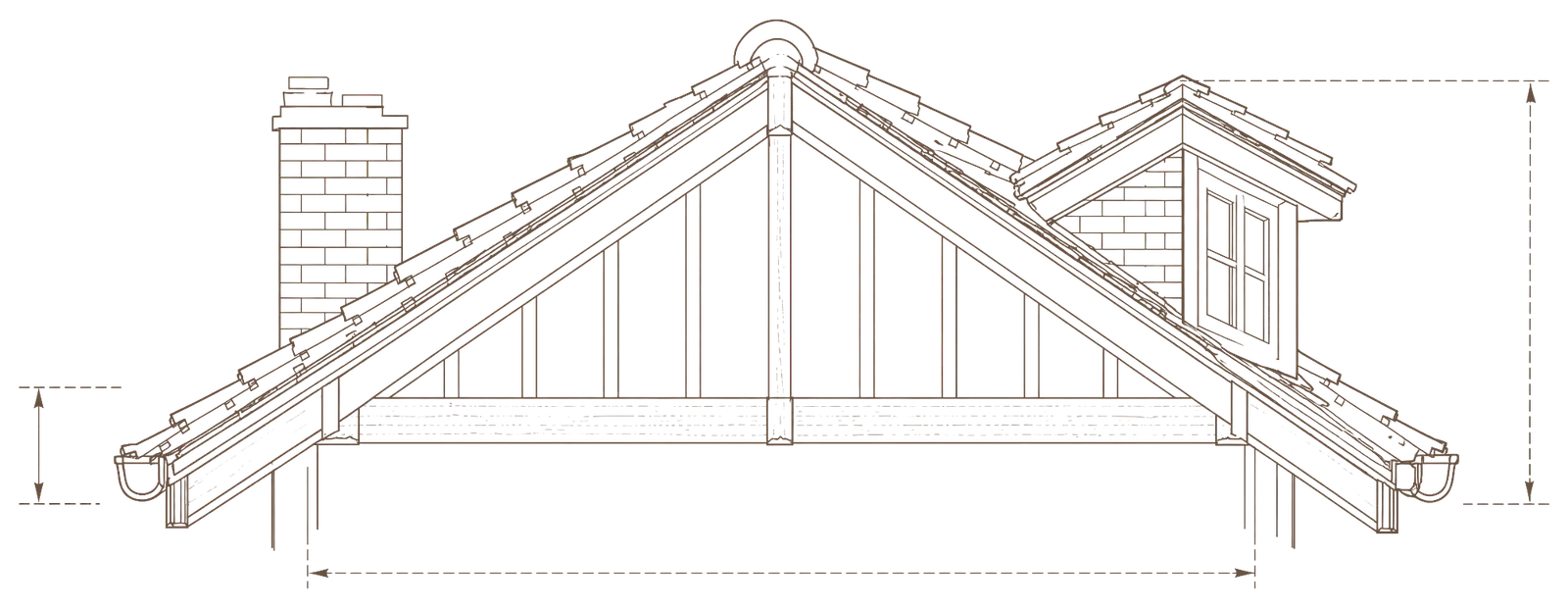
- Ridge Check whether the foam has been sprayed right up to the ridge.
- Rafter A foam coat stops anyone probing the timber for softness.
- Felt Foam over the underlay hides tears, stains and old leaks.
- Eaves Sealed eaves can shut off the air path the roof was built with.
- Wall plate Damp tends to show first where timber meets masonry.
A torch and a look from the hatch show whether foam covers the rafters, and what it was sprayed onto.
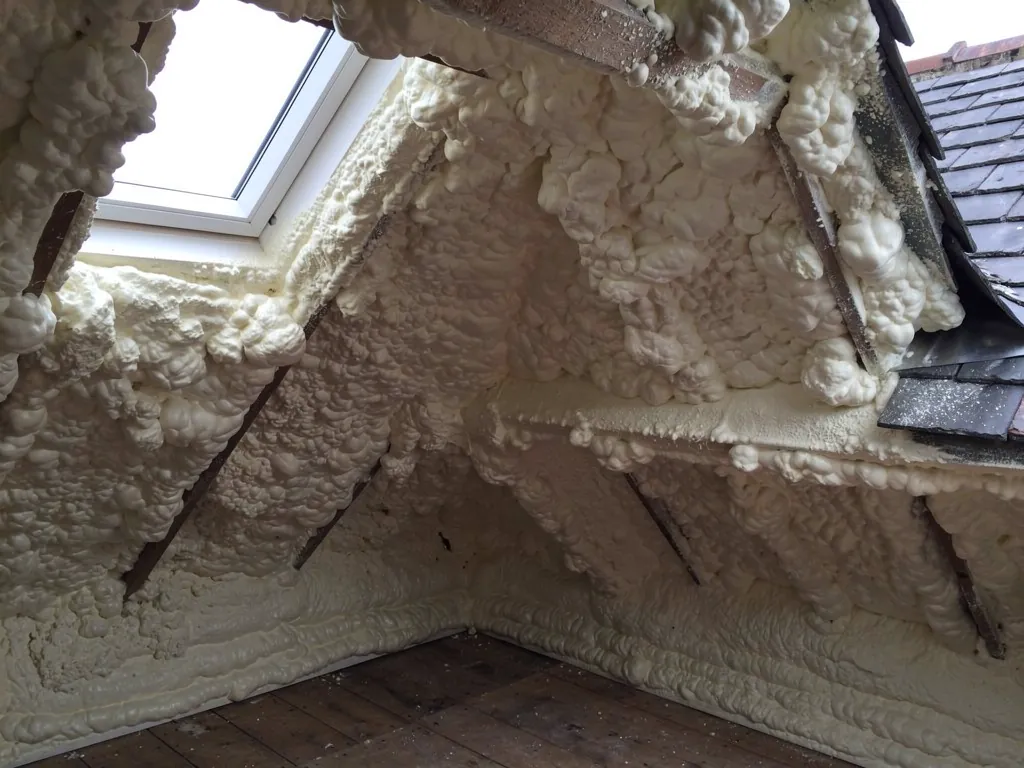
You do not need to climb in for a first look. From the hatch, with a torch, foam shows as a continuous cream, yellow or off-white skin across the underside of the roof, clinging to the rafters rather than lying between the joists on the loft floor. Rafters are the sloping timbers that carry the roof, and a traditional loft shows them as bare, dusty wood with felt or underlay visible between. If the timbers have vanished under a smooth or lumpy coating, you have foam. Keep to the boards or joists, take a torch and a phone for photographs, and do not cut into the coating to see what lies behind it, because a cut disturbs the very evidence a survey needs.
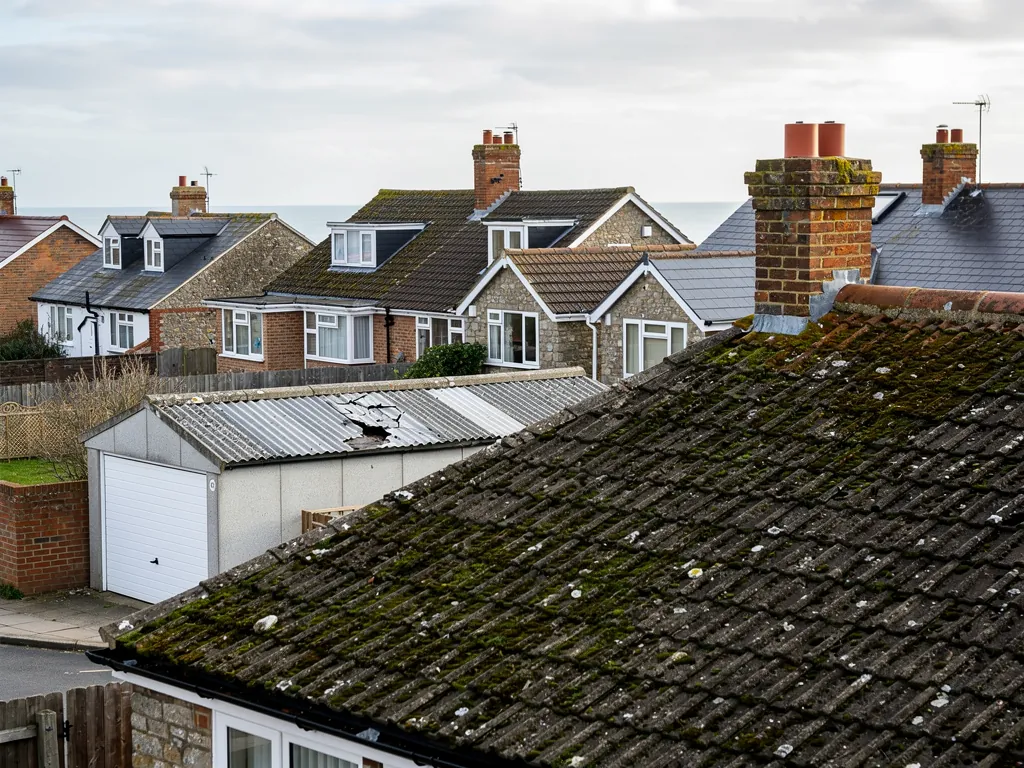
Open-cell foam
Softer, spongy foam once set. The Energy Saving Trust says the leaking-roof risk is much lower with it.
Closed-cell foam
Denser foam that sets hard and bonds tightly to timber and felt, so it is harder to lift off.
2.1 Open-cell and closed-cell foam
Two types are in circulation. Open-cell foam is softer and spongy once set. Closed-cell foam is denser and sets hard, bonding tightly to whatever it was sprayed onto. The difference matters on a roof that has ever leaked. The Energy Saving Trust, in guidance last updated in May 2026, does not recommend spraying foam onto a leaking roof without fixing the leak first, and says the risk should be much lower with an open-cell foam. Underlay, the felt or membrane under the battens, is where a leak leaves its mark, and foam sprayed over it hides the evidence.
2.2 What lies behind it
A ventilated roof is designed around air moving through the loft. Marley's guidance for a high-resistance underlay asks for 10 mm of continuous ventilation along the eaves on pitches above 15 degrees. Foam applied hard against the underside changes that arrangement, and bungalow lofts with shallow pitches have little spare room for air to move, and the questions a surveyor then asks are about timber: is it dry, sound and free of rot? Nobody can answer that for a rafter they cannot reach. Worth noting from below are a musty smell, stains on the bedroom ceilings, and anything dark or damp-looking where the foam meets the wall plate, the timber laid along the top of the wall that the rafters sit on.
Photograph what you see before anyone touches it: the foam from several angles, the eaves, the ridge end and any hatch or pipe where the coating stops. Send them with the survey report, if there is one, and the date of installation if you know it. Those photographs let us say whether a visit is needed at once or whether the roof is stable enough to wait. For a fuller look at what an inspection covers, see our spray foam survey guide, or our wider roof inspections and surveys service.
Chapter 3: Leave it, open it up or take it out2135
Sheet 03 / 06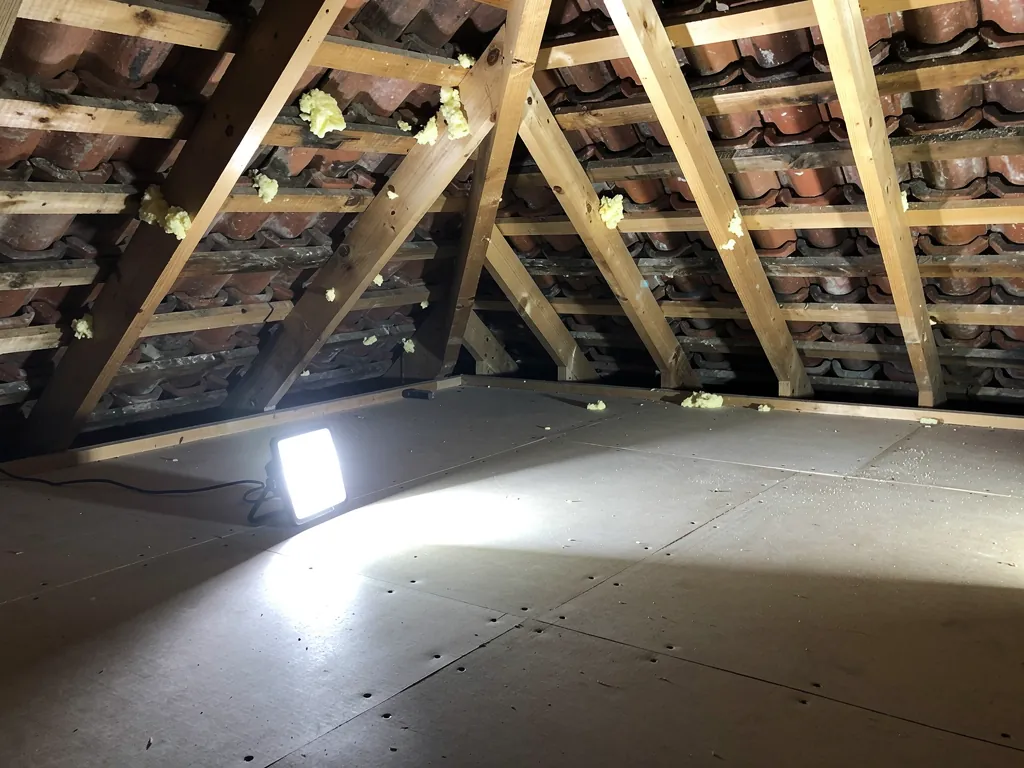
Removal is one outcome of three, and the right one depends on the roof, the timbers and what your lender needs.
Spray foam does not have to come out of every roof. That is worth saying plainly, because the loudest voices on this subject are often firms that sell removal. Foam that is sound and dry, on a roof with no history of leaks, can sometimes stay, provided your lender accepts it and you have no plans to sell, extend or re-roof. The only way to know is to look at the roof, and our verdict comes after that survey, never before it.
3.1 When we would leave it
We would leave foam in place where the loft is dry, the roof has not leaked, nobody is asking to inspect the timbers and your lender has no objection. Even then we would photograph it now, so any later survey has a record to compare with. If a sale is on the horizon, think again, because a buyer's surveyor will ask what is behind the foam. A loft conversion, a new covering or a solar installation plans around the roof structure too, and foam in the way makes each of them harder to price and to inspect.
Three verdicts on spray foam
- LeaveFoam sound, roof dry, lender content; photograph it now and look again if anything changes.
- Open upCut back at the eaves and wall plate so the timber there can be checked.
- RemoveThe roof leaks, a lender refuses, timbers are hidden or the covering is coming off.
3.2 When we would open it up or remove it
Opening it up means cutting the foam back where moisture is most likely to gather, such as the eaves and the wall plate, so the timber there can be checked. Full removal makes sense where the roof has leaked under the foam, where a lender will not proceed, where damp or soft timber is showing, or where the roof is coming off for a new covering anyway. Lifting the covering for a re-roof is the easiest moment to deal with foam, because the rafters are open from above. Our short answer on whether spray foam always has to be removed sets out the same decision.
3.3 Weighing the cost of waiting
Leaving foam alone costs nothing today, but it can cost more later if a leak starts behind it. Water that enters under a hidden covering can run along the felt for some distance before it shows, and by the time a ceiling stains, timber may have been wet for a while. That is the argument for opening up the eaves even where you decide to keep the rest: a small, checkable window into the roof structure is cheaper than discovering a problem after a sale has fallen through.
Foam that is dry, sound and accepted by the lender can sometimes stay.
Chapter 4: How foam comes off a roof1525
Sheet 04 / 06There are two routes to the timber, from inside the loft or from the roof covering, and the foam decides which one is open.
The method depends on the type of foam, how thick it is and what it was sprayed onto. Foam on bare rafters can sometimes be cut and scraped back by hand from inside the loft. Foam that has stuck fast to the underlay, or was sprayed against the back of the tiles, may only come off if the covering is lifted in sections and the foam taken away from above. The survey decides which, and we explain why before you agree to either. Our guide to how spray foam is removed from a roof follows the stages in more detail.
4.1 Why care matters
RICS warns that removal could potentially damage the existing structure, and that is the right thing to keep in mind. Foam sticks to timber, so pulling at it carelessly can take splinters of rafter with it, tear felt and loosen battens. The work is slow, tidy and done in sections, with dust sheets down, the loft contents protected and the rest of the house kept clean. Foam waste is bagged and taken off site with the other waste, and the site is left clear.
4.2 What happens to the timber afterwards
Once the rafters are bare, we probe them for softness and look for staining, fungal growth and rot. Sound timber stays as it is. Timber that has gone soft is cut out and replaced or strengthened, and we tell you what we found with photographs before any extra work goes ahead. The felt is then checked, torn lengths are renewed, and the battens and tiles are put back or replaced to suit the roof. Ventilation at the eaves and the ridge is restored, so the loft can dry out again. If you plan to insulate afterwards, wait for that advice, because the insulation has to suit the ventilation.
4.3 Working with the weather
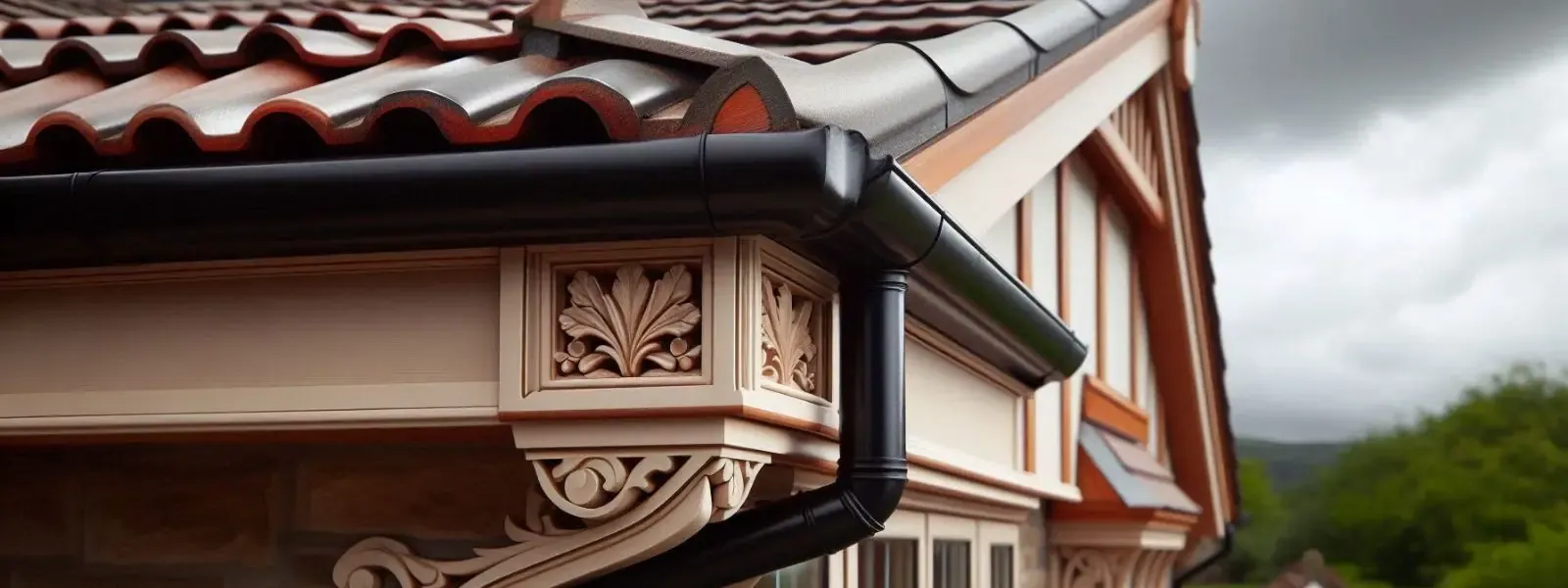
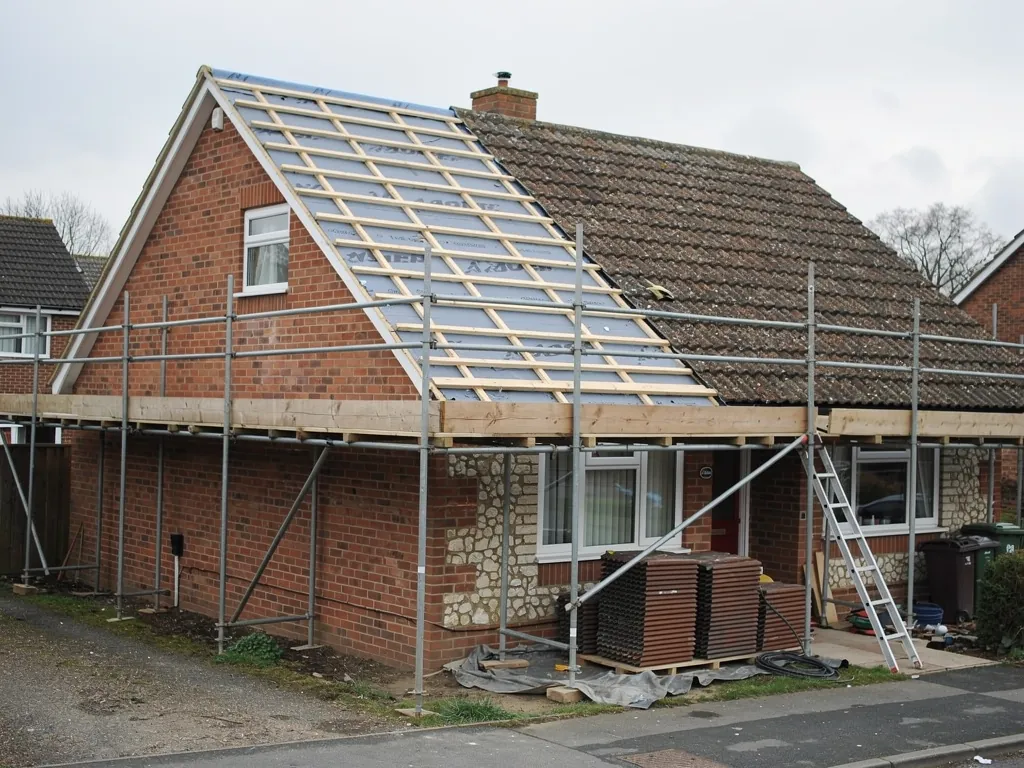
Lifting a roof covering exposes the house, so the work is planned around the forecast. Sections are opened only as far as can be sheeted before dark, and anything left open overnight is covered. On a coastal roof in Bognor Regis, where sea weather can turn quickly, that discipline matters more. Higher roofs may need scaffolding. A scaffold that occupies the footway or the carriageway needs a highway licence, issued by the highway authority.
Removal, in order
- 1ProtectDust sheets go down, loft contents are moved or covered and the access route is kept clear.
- 2OpenFoam is cut and scraped from the loft side, or the covering is lifted in sections from outside.
- 3CleanEach rafter and batten is taken back to bare timber so it can be seen and probed.
- 4CheckExposed timber is tested for softness, then felt, rafters and eaves are photographed.
Two routes
to the timber: from the loft or from above
Stripping a roof can disturb bats, a legally protected species, so we look for evidence of roosting before any tiles are lifted. If the foam turns out to sit on a roof that has reached the end of its life, we tell you, and our page on roof replacement explains when a new covering makes more sense than relaying the old one. Our answer on whether removing foam will damage your roof covers the damage question in more depth.
Chapter 5: Pricing a foam removal job1586
Sheet 05 / 06Foam removal is priced on what your roof needs, so the figure follows the survey and does not come from a table.
What moves the price is easy to list, even though the total is not. The roof area comes first, because the work grows with every metre of rafter. Then the thickness and type of foam, since dense closed-cell foam tends to take longer to lift than a soft open-cell layer. Then the route in: a job done from the loft is a different size from one that lifts the whole covering. Access matters too, from a bungalow you can reach with a ladder to a tall house needing a scaffold. Last is what the timbers show once they are bare, because soft or rotten wood has to be treated or replaced before anything goes back.
Typical UK re-roof ranges, for scale
- Most UK re-roofs£4,000 to £19,000
- Gable-ended roof£7,000 to £16,250
- Hip-ended roof£9,250 to £18,000
National re-roof ranges for scale only. A foam job is priced after the roof has been seen, and reaches you in writing as a single total.
Source: Checkatrade roof replacement cost guide, table last updated October 2026
5.1 Scaffold, VAT and what to ask
Ask every firm whether its figure includes scaffolding and VAT. In Checkatrade's scaffolding guide, with its table updated in October 2026, a month of hire comes to about £875 for a semi on two floors and about £1,000 for a detached bungalow. The standard VAT rate is 20 per cent. HMRC's VAT Notice 708/6 sets a zero rate for installing specified energy-saving materials, including roof and loft insulation, from 1 May 2023 to 31 March 2027, after which the rate reverts to 5 per cent. Whether that applies to a mixed job depends on how the work is supplied, so where new insulation goes in after the foam comes out, we explain the VAT on the quote.
A figure given before anyone has seen the roof is a guess, however confident it sounds.
Priced on survey
how foam removal is quoted, as one total
Comparing quotes needs care. A figure for cutting foam back from the loft side and a figure for lifting the whole covering are different jobs, so confirm that each quote describes the same route, covers the same area and says what happens if the timber needs repair. A price that looks low often leaves the difficult part to an extra later.
If the covering has to come off
When the whole covering is lifted, the comparison changes. Checkatrade's October 2026 replacement table starts from a UK average near £8,000, and for a three-bed semi the same guide says to expect around £12,000. A roof already near the end of its life can make sense to re-cover while the foam is dealt with, and we raise it only when the timber and tiles point that way. Our spray foam removal cost guide works through what raises and lowers the figure.
Chapter 6: Bognor roofs and the rules around foam2318
Sheet 06 / 06
Whatever the roof, listed status, conservation areas and Building Regulations can each add a step before foam comes out.
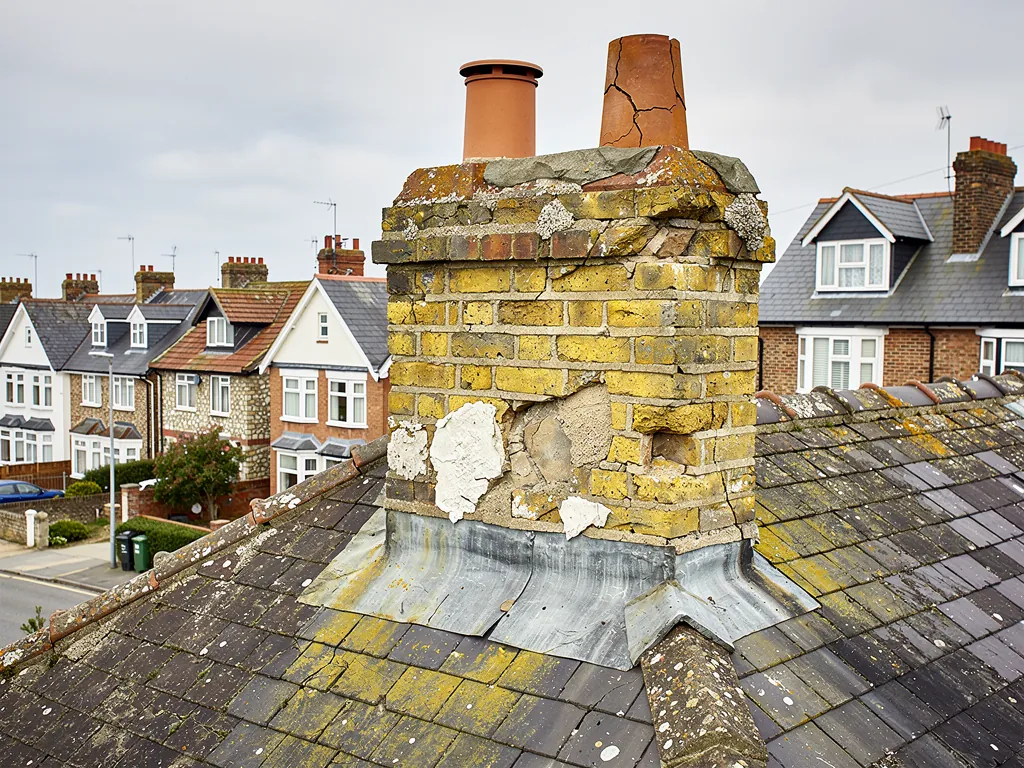
Foam can sit under any covering. Bognor's seafront terraces around The Steyne and Waterloo Square are slate and stucco, with tall chimneys that Arun's conservation guidance calls important features on the skyline. Aldwick's interwar Craigweil estate is recorded in the council's statement as built of local stock brick with plain clay tiled roofs, and Felpham's village core has orange and red clay tile. The covering, the pitch and the age of the felt all affect how foam can be taken off, which is why each job starts with a survey and not a standard method.
Check before the covering comes off
Listed building, conservation area or South Downs address? Ask the planning team before any covering is lifted, and keep the reply with your quote.
6.1 Listed buildings and conservation areas
RICS says spray foam must not be installed in a listed building or other protected structure without prior consent. Taking it out is a separate question. Works that would affect a listed building's character as a building of special interest need listed building consent, while routine upkeep and in-situ repairs that match what is there do not, the South Downs National Park Authority says. If your house is listed, or sits in a conservation area, put the question to Arun District Council's planners before anything starts on site. Bognor's Steyne and Waterloo Square conservation area dates from August 1979, with an extension in July 1994.
6.2 Building Regulations and Part L
Removing foam is not always notifiable, but replacing a roof covering or insulation can be. The Planning Portal's rule is that no building control application is normally needed if under 25 per cent of the total building envelope and under 50 per cent of the roof is touched. Arun's own building control page names replacing roof coverings as approval work, so ask the council or a registered building control approver what applies to your job. Approved Document L 2021, which applies until the 2026 edition takes effect on 24 March 2027, expects an existing roof worse than 0.35 to be upgraded towards 0.16 where more than 50 per cent of a thermal element's surface is renovated.
Where work is notifiable, the consent explanation and the Building Regulations notification are ours to deal with, not yours. A survey visit at your house leads to an off-premises contract, which gives you 14 days to cancel, and work begins inside that window only on your written request. We work across Bognor Regis and the towns within 30 road miles, from Aldwick, Felpham and Pagham to Selsey, Chichester, Littlehampton, Worthing, Havant and Midhurst. Send a few photographs from your loft and we will tell you whether a visit is the next step.
Price guide
Typical UK costs around a foam removal job
| Job | Typical range |
|---|---|
| Roofer's day rate | £280 to £360 |
| Scaffold hire for a month, terrace to detached house | £800 to £1,200 |
| Scaffold hire for a month, semi to detached bungalow | £875 to £1,000 |
National guide figures, shown for scale. Once the survey is done, one written total covers the removal.
Source: Checkatrade roof repair guide, table last updated June 2026; Checkatrade scaffolding guide, table last updated October 2026
Guides and answers
Spray foam guides and answers
Short guides on surveys, lenders, RICS advice, timber damage and the removal process, aimed at roofs from Aldwick to Selsey.
 How much does it cost to get spray foam insulation removed?9 min read
 Why are people removing spray foam insulation?9 min read
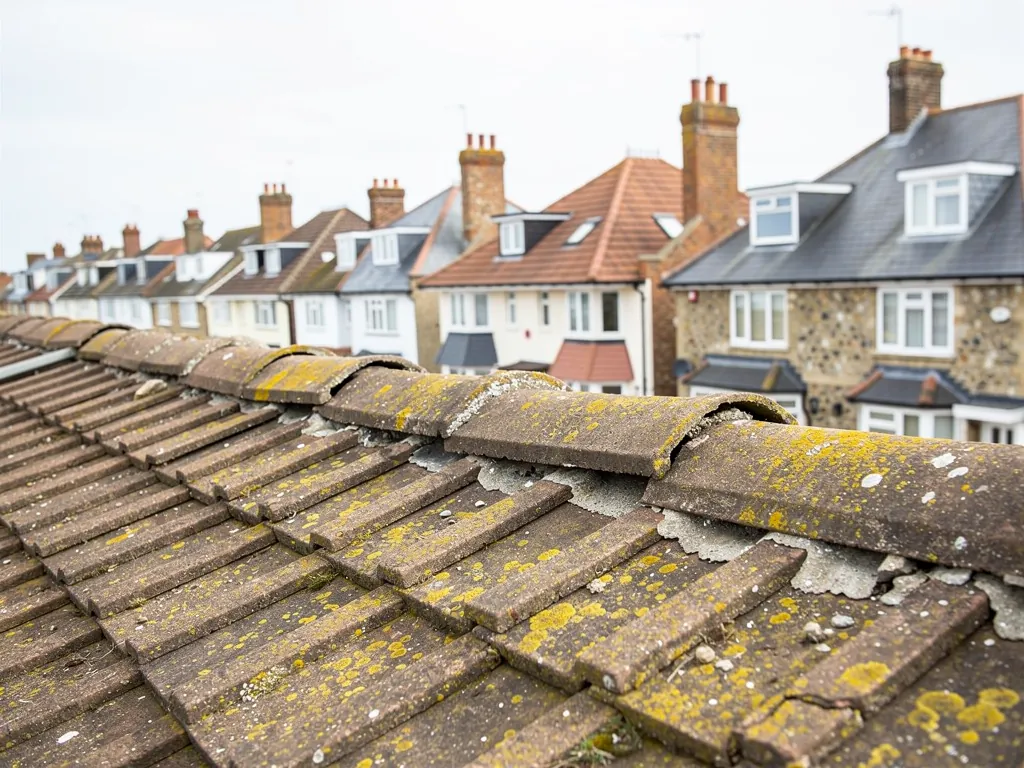 Spray foam and mortgages: what lenders have said9 min read
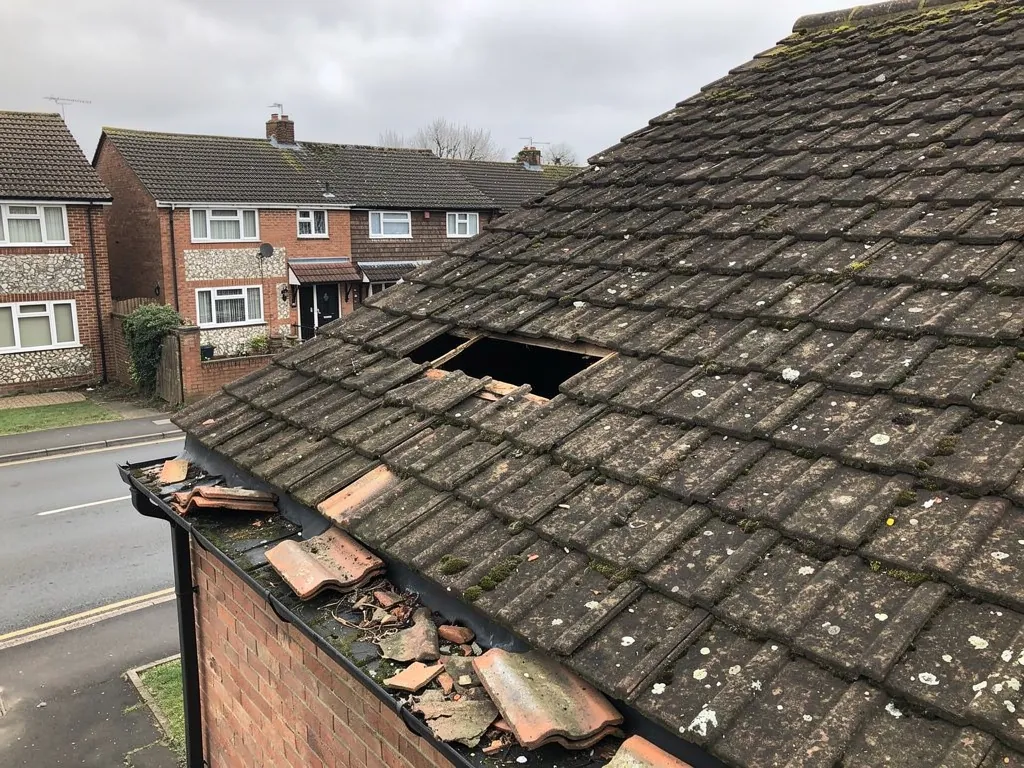 What RICS says about spray foam insulation9 min read
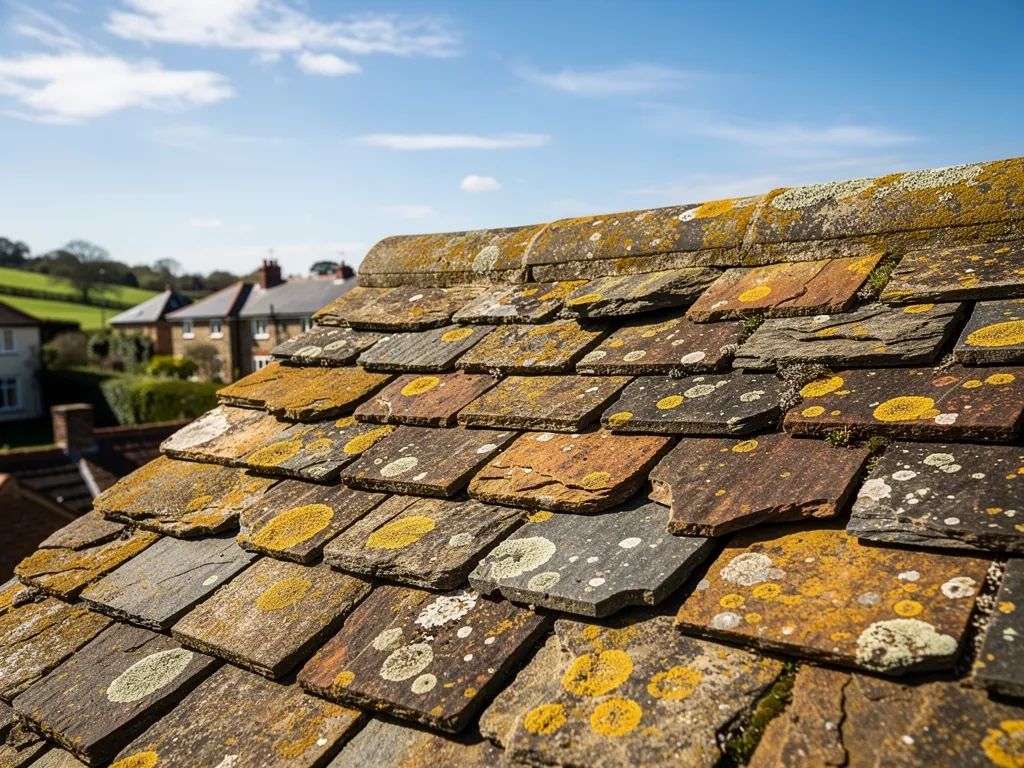 Open-cell vs closed-cell spray foam9 min read
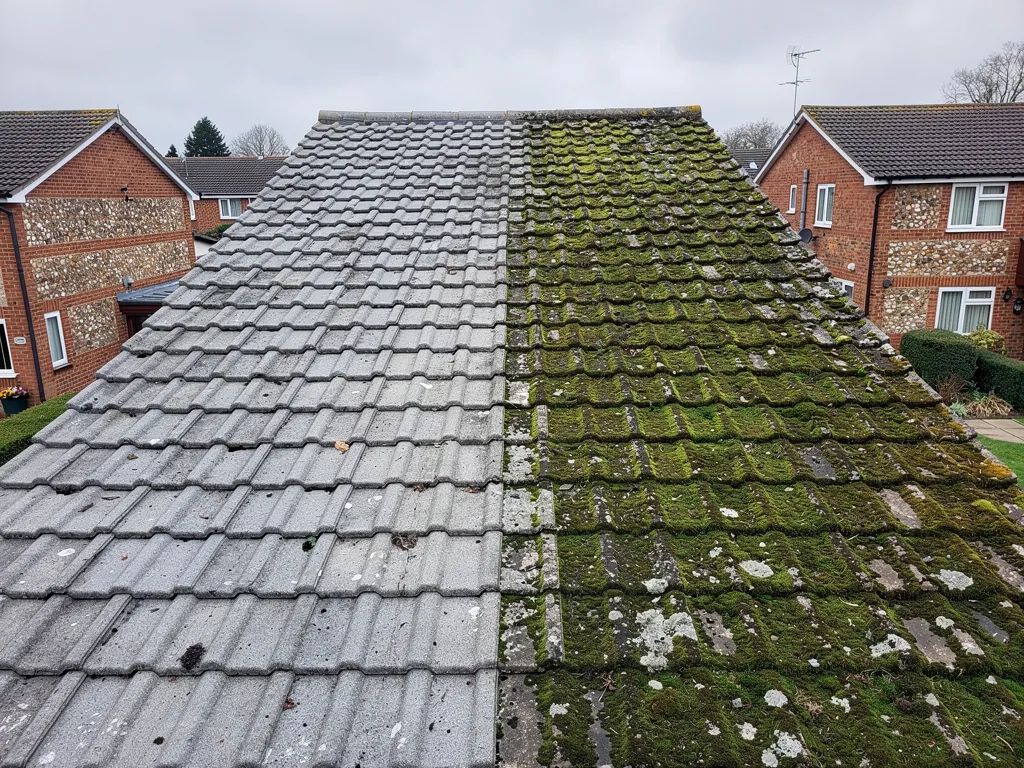 How spray foam is removed from a roof10 min read
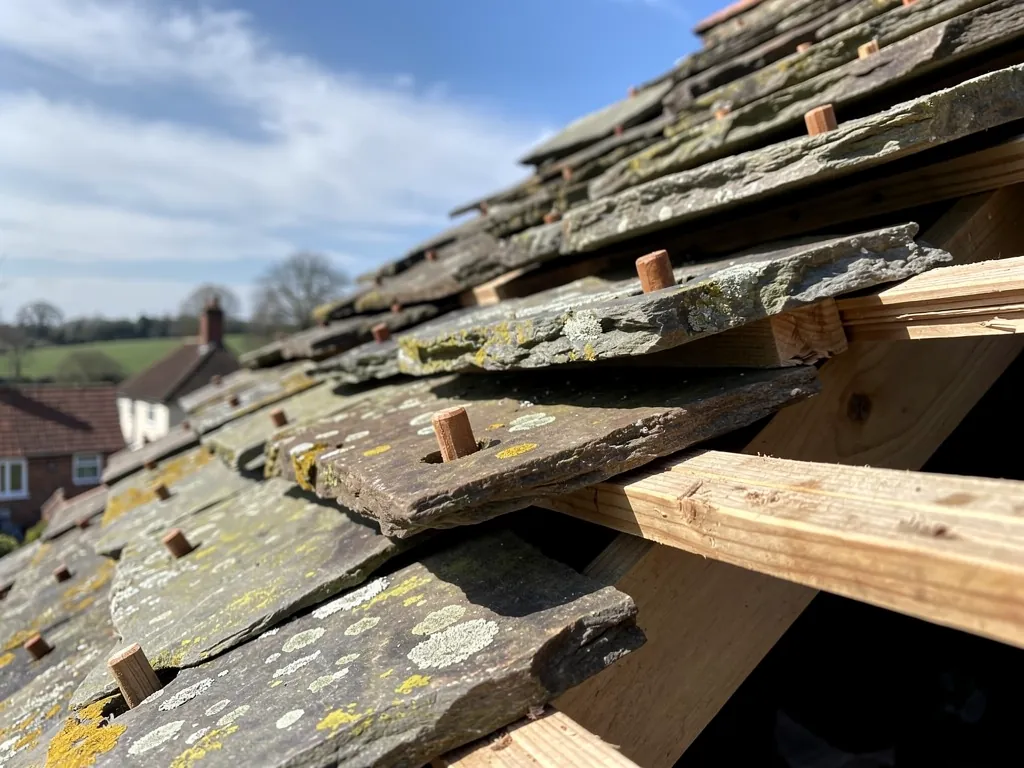 Selling a house with spray foam insulation9 min read
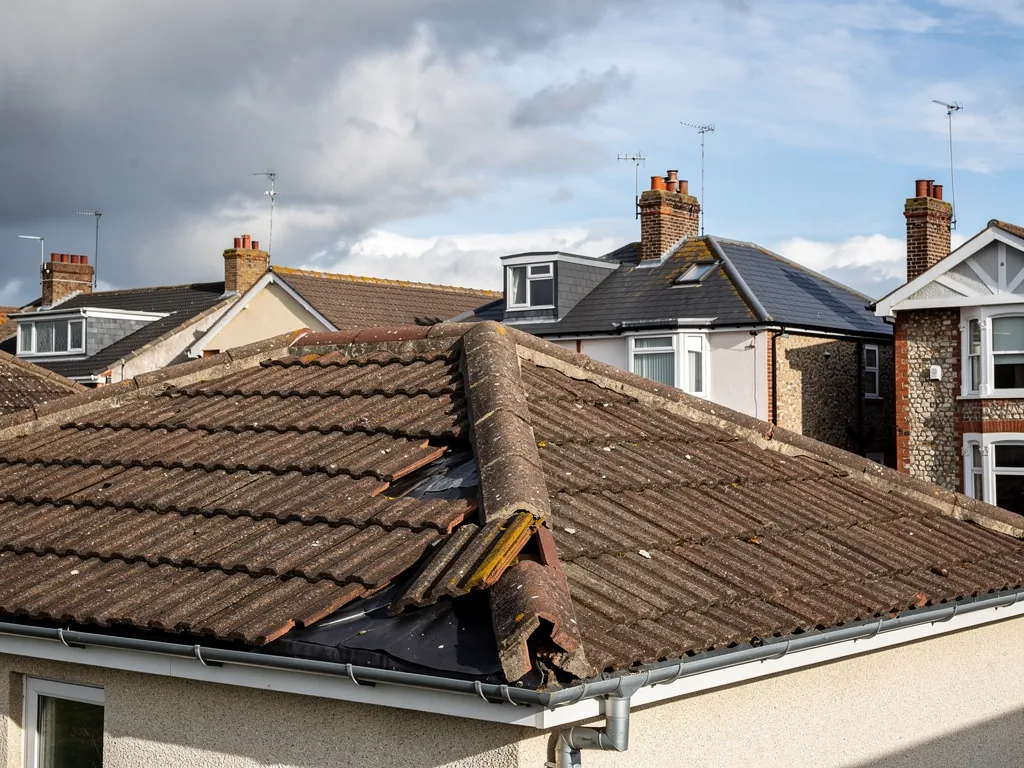 Does spray foam damage roof timbers?9 min read
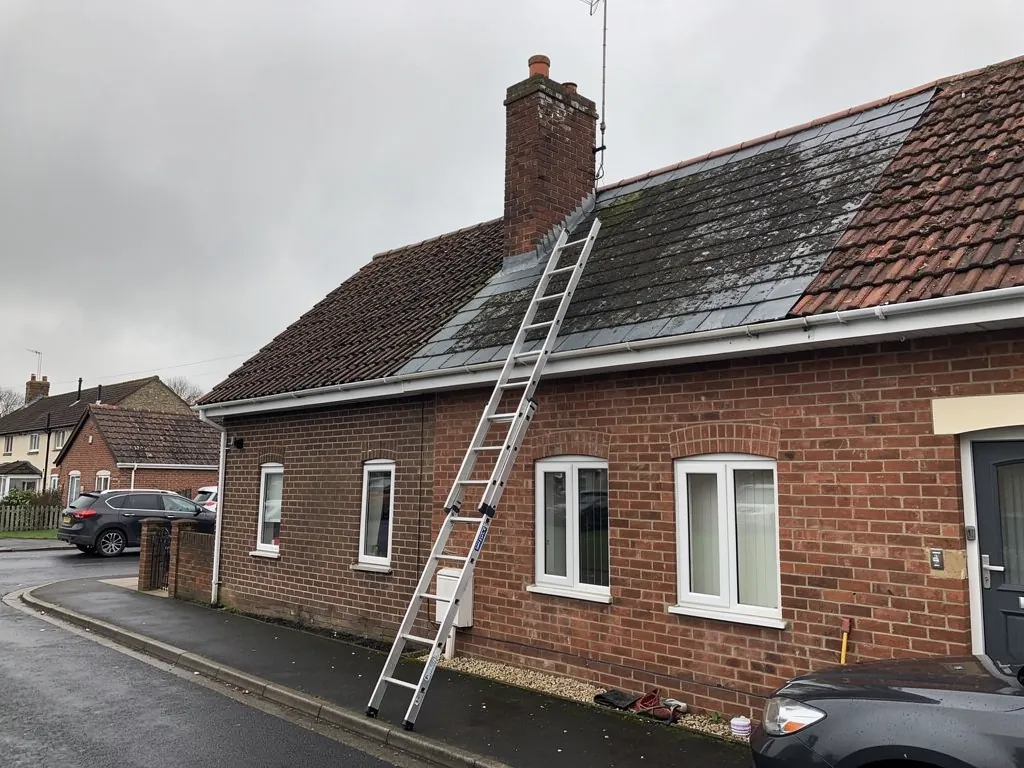 Spray foam surveys: what an inspection looks at9 min read
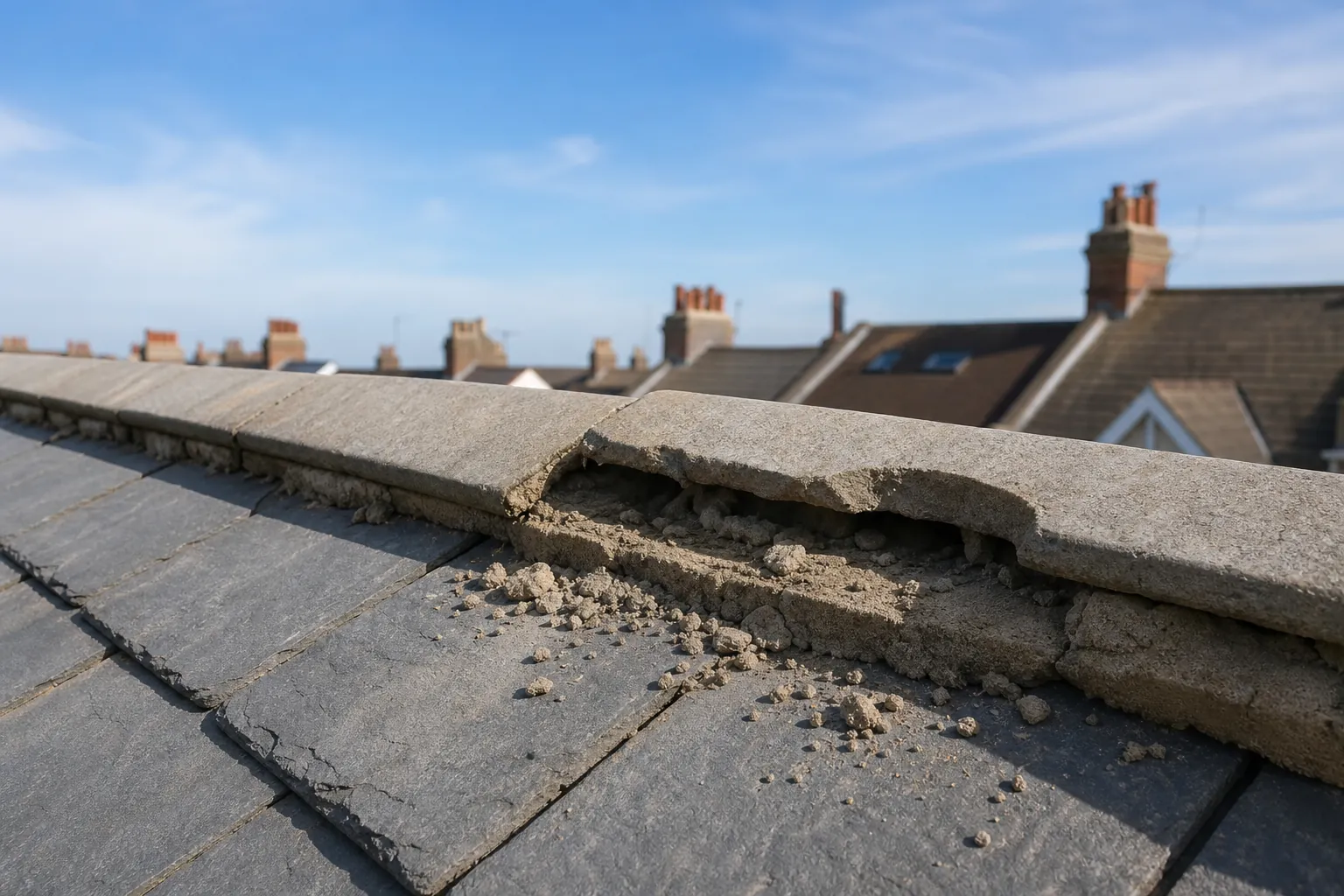 Spray foam sold as a fix for a leaking roof10 min read
 Insulating the loft after spray foam removal9 min read
 Spray foam, condensation and roof ventilation9 min read
Quick answers
- Can you have spray foam insulation removed?
- How difficult is it to remove spray foam insulation?
- How much does spray foam removal cost per square metre?
- Does spray foam always have to be removed?
- Will removing spray foam damage my roof?
- Can you remortgage or sell once spray foam is removed?
- The survey found spray foam: what now?
- How long does spray foam removal take?
- How do you know if your loft has spray foam?
- Do you need a new roof after spray foam removal?
- Can spray foam be removed without stripping the roof?
- What happens when spray foam is sprayed onto felt or tiles?
- Can spray foam go over a breathable membrane?
- Why can't a surveyor see my roof timbers?
- Can you remove spray foam yourself?
- Can you remove spray foam from just part of a roof?
- Can you convert a loft that has spray foam?
- Spray foam or mineral wool for a loft?
- What happens to spray foam after it is removed?
- What should you ask before booking spray foam removal?
Questions
Spray foam removal questions, answered
What does foam removal cost in Bognor Regis?
Foam removal is priced on survey, because roof area, foam type and thickness, the route in and the access all set the total. Whoever quotes, check whether scaffolding and VAT are included, and ask what happens if the timbers underneath need work. For scale, Checkatrade's scaffolding table of October 2026 lists about £1,000 a month for a detached bungalow. You receive your own figure in writing after we have seen the roof.
Is taking foam off a roof a difficult job?
It is slow rather than clever. Foam sticks to timber and felt, so the skill lies in lifting it without tearing either, which is why it is done in sections with the house protected. Foam on bare rafters reached from the loft is a smaller job than foam stuck to the underlay beneath a sound covering. Doing it yourself risks the structure, since RICS warns that removal could potentially damage it. Our survey tells you which type of job yours is.
What drives owners to strip foam out?
Usually one of a few things: a lender or buyer's surveyor asking about the roof structure, a leak or damp that may be running behind the foam, a worry about condensation, or a plan to convert the loft or re-roof. Some owners simply want to see their timbers. None of those makes removal automatic, which is why we survey first and give a verdict of leave it, open it up or remove it.
Could lifting the foam harm my roof?
It can if the job is rushed, and that is the concern RICS raises. Done properly, the foam comes off in sections, the timber is cleaned back and checked, torn felt is renewed and the ventilation paths are put back. We photograph the exposed rafters so you can see their condition for yourself. If the survey shows the roof is too tired to disturb, we tell you that before any work starts.
How many days should I allow for the work?
There is no fixed number. A loft-side job on a small roof is a different size from lifting the covering across a large one, and the weather, the thickness of the foam and the condition of the timbers all change the programme. Dates are agreed with you when the written quote arrives after the survey, so you know before anything starts when scaffolding goes up and when the house is closed in again.
Will a lender accept my house once the foam has gone?
Only the lender can say. A split among lenders was reported by Today's Conveyancer in November 2024: some decline houses with foam, others weigh each one individually, so attitudes vary. Removal followed by photographs of clean, sound timber gives you evidence to put in front of them. Ask your lender or broker what they want to see before you commission any work, and never treat removal as a guarantee of the outcome.
Get a quote
Send us your loft photos
Send photos of the loft from the hatch, plus any survey report that mentions foam, and tell us if a sale or remortgage is waiting.
Loading the enquiry form. You can also call 01243 252373.