
Lead roofing and leadwork in Bognor Regis
Lead keeps water out at the joints where a roof runs into masonry, a chimney or a dormer. We repair and renew lead work across Bognor Regis, photograph the fault first and say plainly whether a repair will hold.

- Repair or replace,
said plainly - Photos of
your own roof - Written quote,
one total price - Ridges and verges
fixed to BS 5534
Signs
Signs the lead on your roof needs attention
- Cracks or splits across lead sheet
- Flashing lifted away from the brickwork
- Damp patch beside the chimney breast
- Lead missing from a roof edge
- Stained ceiling under a bay or porch roof
Lead work we carry out
The lead roofing and leadwork we carry out across West Sussex
Flashings
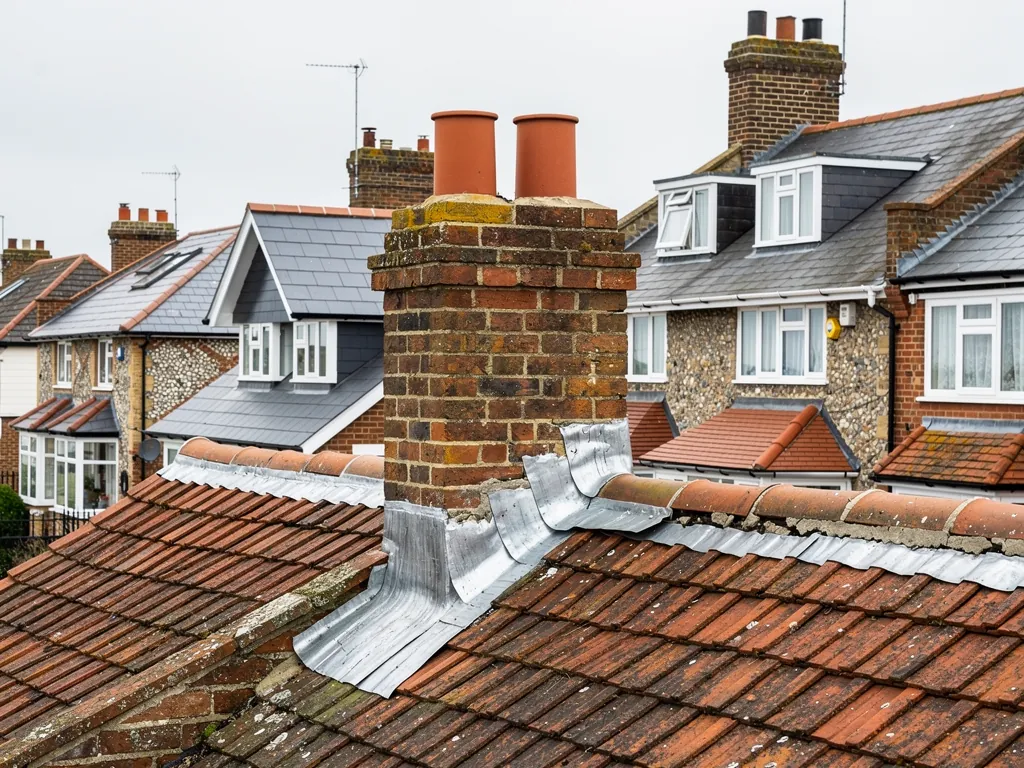
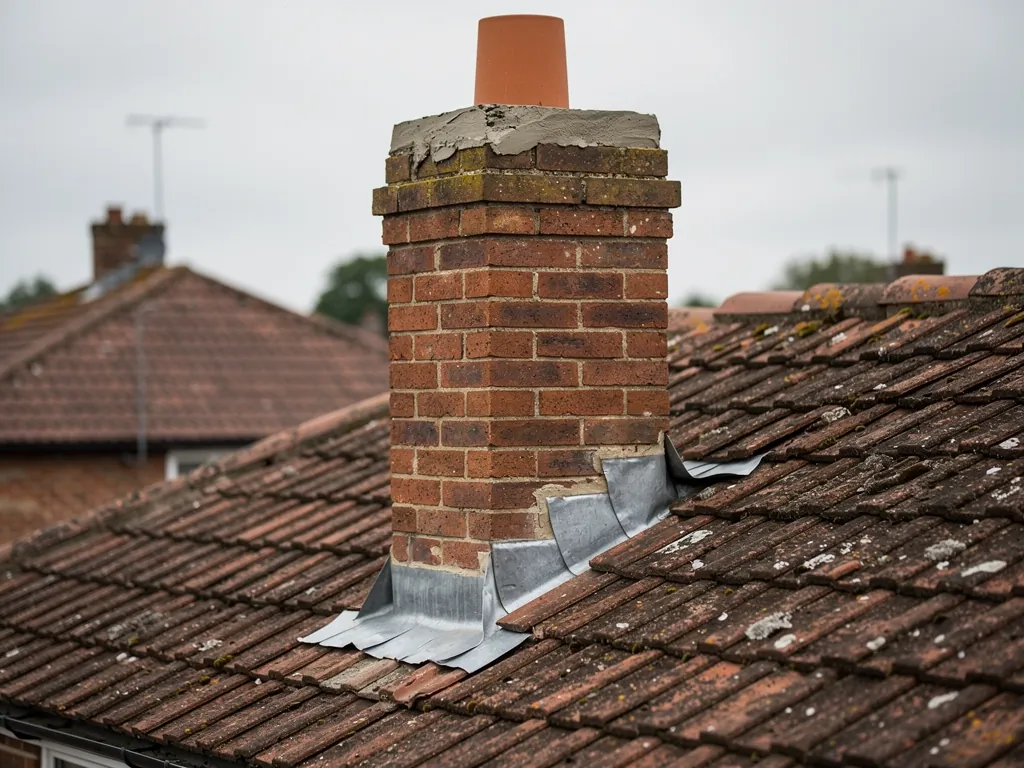
Wall, gable and chimney flashings renewed in lead, wedged into the brickwork and pointed so the roof edge stays tight against the masonry.

Soakers
Soakers are small folded pieces of lead set between courses of tiles or slates beside a wall. We replace those that have split, slipped or been left out.
Valleys
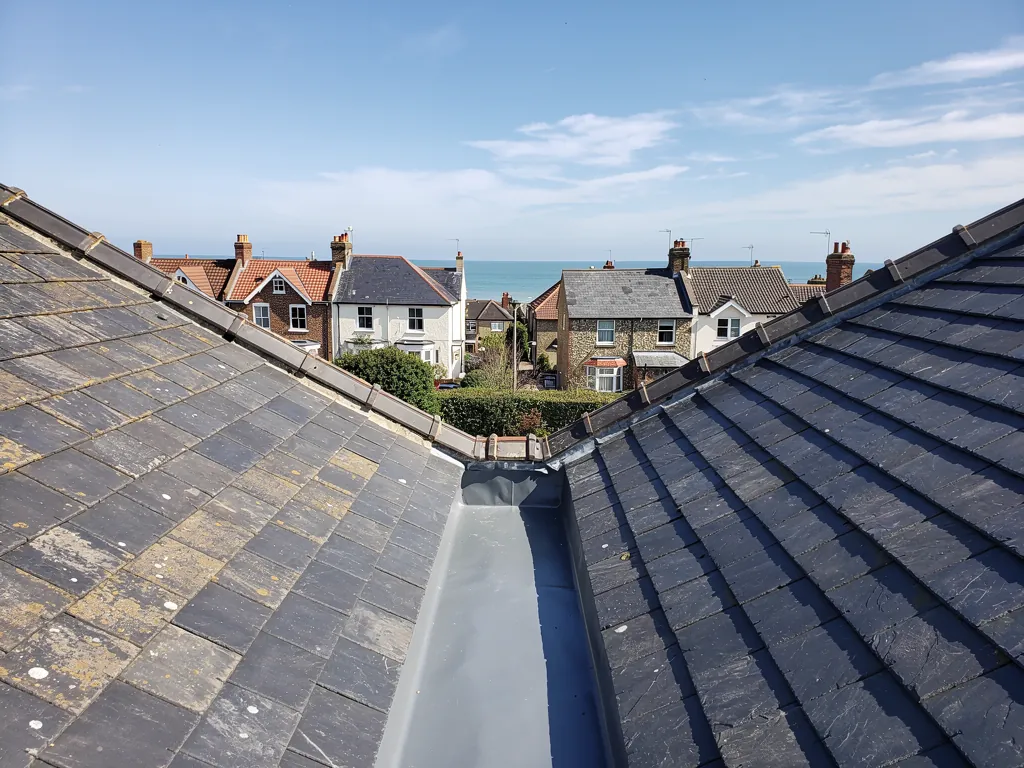
Lead-lined valleys relined or replaced where two slopes meet, with the tile or slate edges cut back and bedded neatly over the new lining.
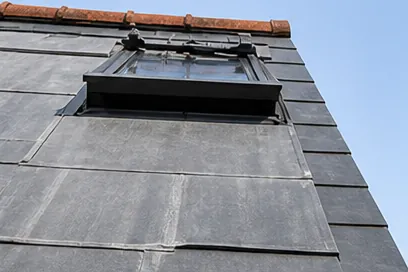
Dormers, bays and porches
Cheeks, flat tops and aprons on dormers, plus the lead over bay windows and porch canopies, repaired or covered again in new sheet.
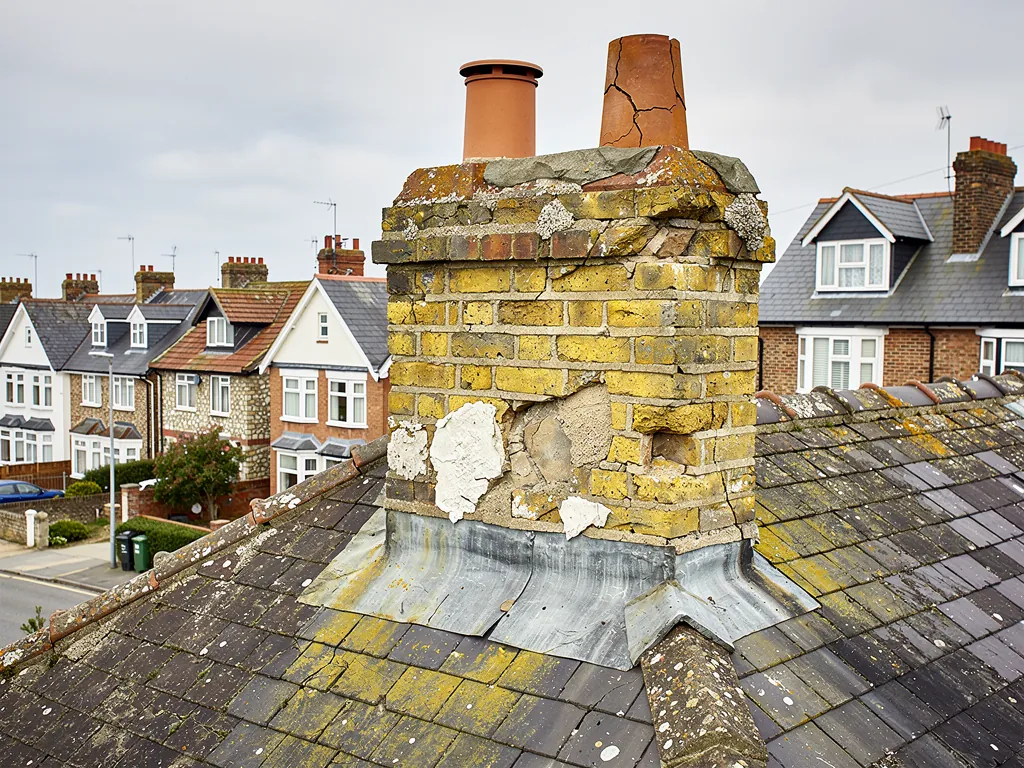
Chimney leadwork
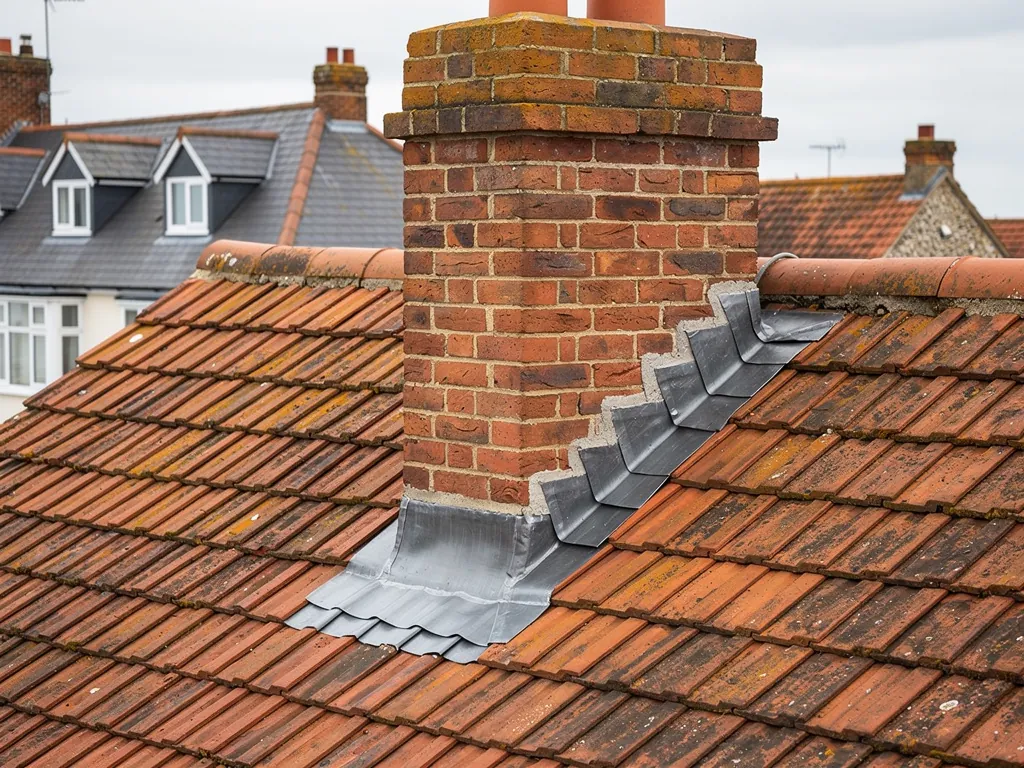
Aprons, stepped flashings and back gutters round the stack, usually renewed alongside the flaunching and pointing so one visit deals with the whole chimney.
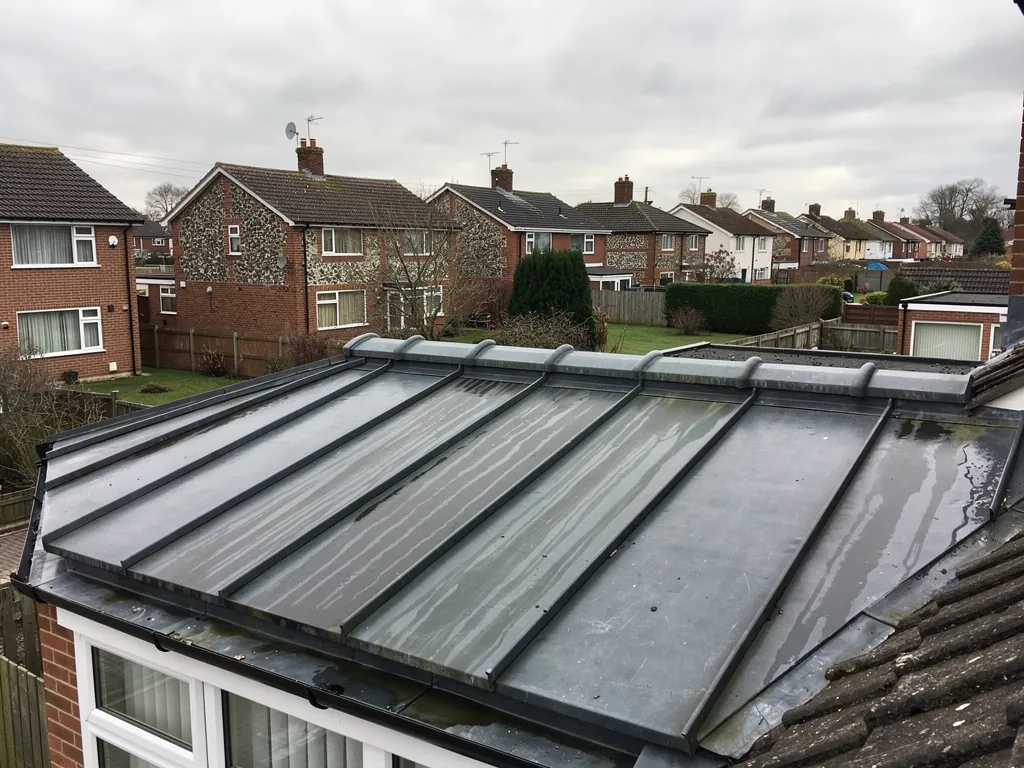
Lead flat roofs and gutters
Lead-covered flat roofs, box gutters and parapet gutters rebuilt on a sound deck where the old sheet has cracked or finally worn out.
What it costs
What lead roofing costs around Bognor Regis
priced on survey
Lead work ranges from a metre of flashing to a whole roof
Renewing one flashing and recovering a bay roof are different jobs, so the written price follows a survey of the lead, the access and the wall behind it.
How a lead roofing job runs, from the first picture to the final sweep
- 1Send photos of the dampRing 01243 252373 or WhatsApp a picture of the stain, the lifted flashing or the cracked lead, and say when the water first showed.
- 2We inspect lead and wallWe check the lead, the pointing that holds it and the tiles or slates around it, from the roof and from the loft.
- 3Plain verdict, then one pricePhotographs of the fault come first, then our advice to repair, renew or leave it, and then a quote in writing for a single total.
- 4Lead dressed, checked, cleared awayWe fit the new lead, photograph the finished joints, clear debris from the gutters and carry every scrap of waste off site.
Lead roofing, in depth
Lead work done well on the Sussex coast
Why lead is still used, flashings and soakers, sheet codes, valleys and dormers, what lead work costs and how long it lasts, in six chapters.
Chapter 1: Why lead still suits joints and corners2379
Sheet 01 / 06Tiles and slates shed water down a slope; lead is what seals the places where that slope stops, turns or meets masonry.
Ask whether roofers still use lead and the plain answer is yes. Tiles, slates and most flat roof coverings do the main work of shedding rain, but every roof has places where one surface meets another: a chimney stack, a gable wall, the cheek of a dormer, the corner where two slopes cross. Those joints need a material that can be shaped by hand to the wall on one side and the covering on the other. Lead sheet still does that better than most alternatives. It folds, it dresses tight over uneven brickwork, and it is made in set thicknesses so the right weight can be chosen for each job. Our short answer on whether roofers still use lead covers the same ground in a few paragraphs.
Over 80 years
life of lead flashing, per MyJobQuote September 2026
Lead is small in area on a roof and large in consequence when it fails.
Where lead is doing the work
- Chimney stacks and their back gutters
- Gable and party wall abutments
- Valleys between two slopes
- Dormer cheeks, tops and aprons
- Bay window and porch roofs
1.1 What lead work covers
The phrase takes in a family of jobs. Flashings seal a roof to a wall. Soakers are folded pieces laid between courses of tiles or slates. Valley linings carry water between two slopes, and aprons sit below a window or at the foot of a chimney. Further up the scale are lead-covered dormers, bay roofs, porch canopies and complete flat roofs, where lead is the weatherproof skin itself. Domestic roofs use most of these. Commercial buildings add parapet walls and box gutters, which are lead-lined channels set behind or between walls. Each term is explained again below where it first matters.
1.2 Why it is worth doing well
Leadwork is small in area and large in consequence. A flashing is a few metres of metal on a roof many times its size, yet when it lets go the water runs into the wall and the ceiling beneath. Plenty of roofs in Bognor Regis have sound tiles around failed lead, and the reverse happens too: a quality lead job under a tired covering that is well worth keeping when the tiles are renewed. Arun's conservation guidance describes the chimneys on The Steyne and Aldwick Road as important features on the skyline, and every one of those stacks has lead at its base. MyJobQuote's guide, last updated 22 September 2026, gives lead flashing a life of over 80 years. That is a figure for lead fitted well and left alone, which is why we look closely at the lead on every survey before anyone talks about a new roof. Lead also suits the look of older streets, where the grey sheet at a stack or bay has always been part of the roofline. You get photographs of the lead with the quote, so the evidence is in your own hands.
Chapter 2: Flashings, soakers and aprons on a pitched roof2867
Sheet 02 / 06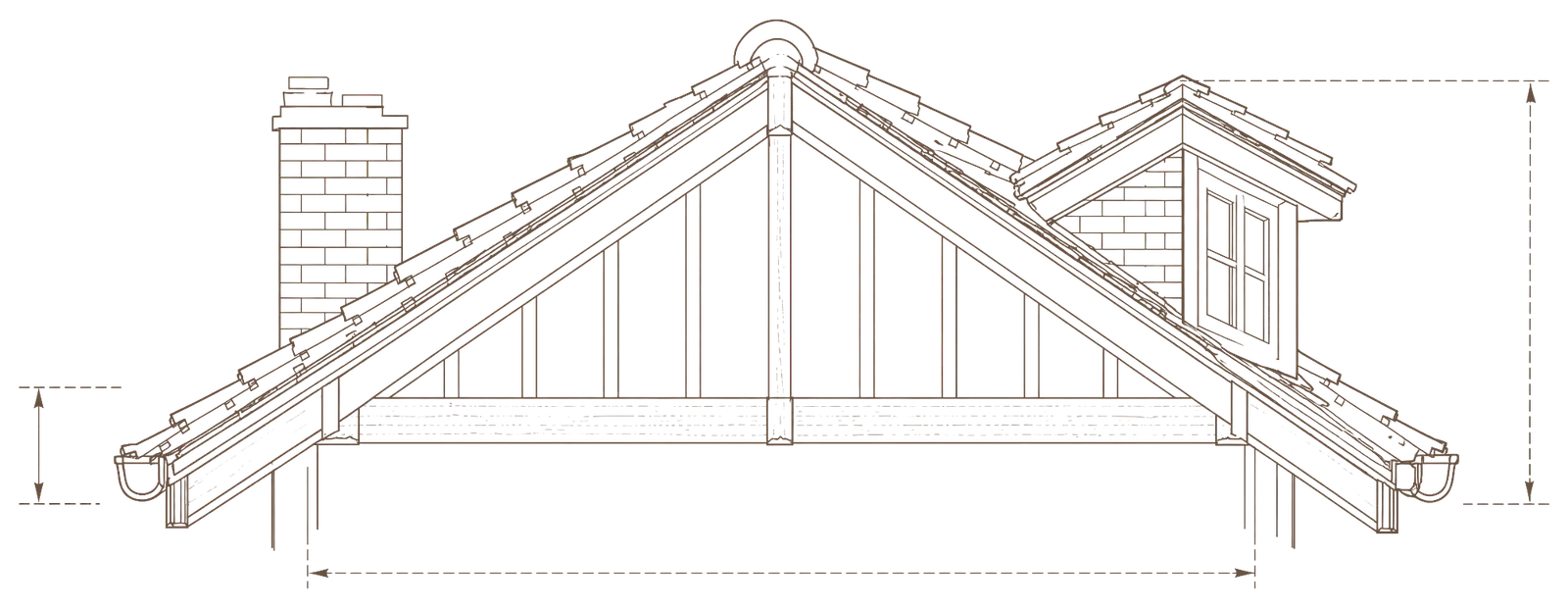
- Ridge Chimney saddles and back gutters sit where a stack meets the top line.
- Eaves Lead aprons finish bay and porch roofs where they meet the wall.
- Dormer cheek Lead cheeks are dressed over soakers, with an apron below the window.
- Valley A lead lining carries both slopes' water down to the gutter.
- Gutter outlet Lead-lined box gutters need the outlet kept clear of debris.
Most leaks that start in lead begin at a flashing that has lifted, split or lost its pointing, not in the sheet itself.
On a pitched roof the lead that matters most sits where the slope meets something vertical. A flashing is a strip of lead bridging the gap between roof and wall. Its top edge is turned into a raked-out mortar joint, held with small lead wedges and pointed, while its lower edge lies over the tiles or slates. Where a wall runs up the slope, as at a gable, soakers are used too. A soaker is a small piece of lead folded to an L-shape, tucked under one course and turned up the wall, so every course has its own waterproof step. The flashing then covers the tops of the soakers and finishes the joint. Where the roof slopes down past a wall rather than up it, the flashing steps down in sections, each one overlapping the next.
Renewing a flashing, in order
- 1StripLift the old lead and rake the loose pointing out of the brick joint.
- 2SoakersFit new soakers between the courses before the flashing goes on.
- 3DressShape the new lead to the wall and wedge its top edge in the joint.
- 4PointRepoint the joint so the lead is held without relying on sealant.
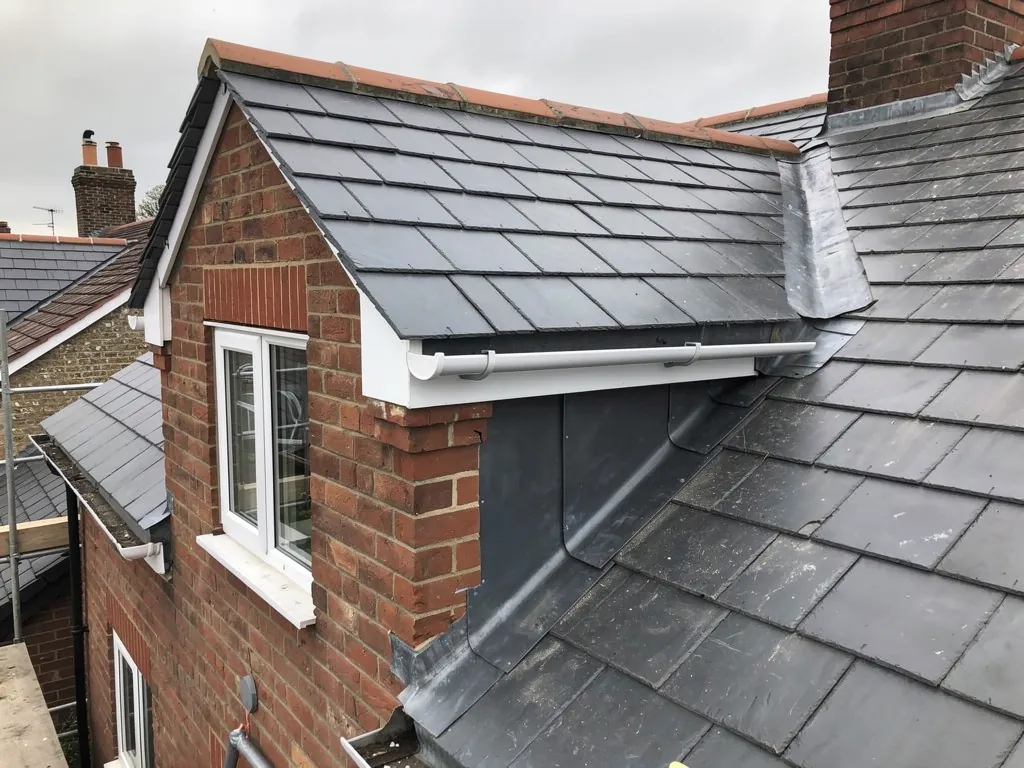
2.1 Chimney stacks
A chimney is a lead job from top to bottom. On the downhill face an apron covers the base of the stack. Along the sides run stepped flashings, cut to follow the brick courses. On the uphill side sits a back gutter, a small lead channel that sends water round the stack instead of letting it bank up behind. Tall stacks take the weather on every face, and when the lead round one fails the damp often shows indoors on the breast of the chimney, well below the roof. That is why our chimney repairs work treats the flaunching, the pointing and the lead as one job rather than three. Flaunching is the sloped mortar that caps the stack round its pots, and when it has cracked it is renewed on the same visit.
2.2 When a repair is enough
Lifted lead can sometimes be re-dressed and the joint repointed, and a short crack can be cut out and a new piece let in. A repair stops making sense when the lead has been patched several times, has split along its folds, or is too thin for the length it covers. We photograph the fault, show you what we found and say which of those it is. MyJobQuote puts patching chimney leadwork at £150 to £250 and a full renewal at £350 to £460 without scaffolding. With scaffolding the renewal figure rises to £700 to £920, and renewing is often the better spend then, because the scaffold is already standing. Each stage is photographed. Our guide to lead flashing shows each type in turn.
Self-adhesive tape and mastic have their uses as a stopgap, but a tape-covered flashing hides a fault rather than ending it, and it must come off before the lasting repair can start. Ask to see photographs of the lead before and after, so you know exactly what was done. On slate roofs, the lead and the slates around it should be assessed together, since a flashing is only as secure as the courses it sits on. Our slate roofing page covers that side of the work.
Chapter 3: Lead sheet codes and choosing the right thickness2989
Sheet 03 / 06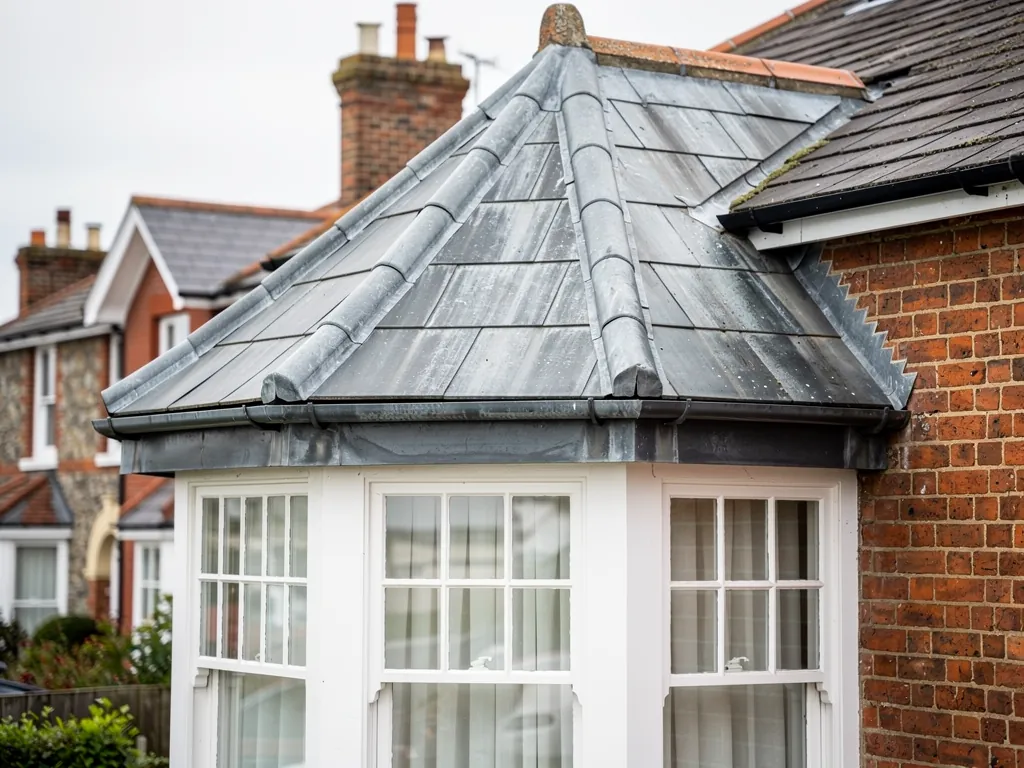
Lead is sold by code, meaning a thickness and a weight. The wrong code for the job is one reason lead splits early.
Each roll of sheet lead carries a code, a number that stands for thickness and weight. Royston Lead's cast-lead brochure sets out the range from code 3 to code 8. Code 3 is 1.32 mm thick and weighs 14.97 kg per square metre. Code 4 is 1.80 mm and 20.41 kg. Code 5 is 2.24 mm and 25.40 kg. Code 6 is 2.65 mm and 30.05 kg, code 7 is 3.15 mm and 35.72 kg, and code 8 is 3.55 mm and 40.26 kg. Each code carries its own colour mark on the sheet: green for 3, blue for 4, red for 5, black for 6, white for 7 and orange for 8. Our page on lead codes explained sets them out in a table.
3.1 Which code goes where
The same brochure ties each code to particular jobs. Code 3 is recommended for lead soakers only. Code 4 is listed for soakers, flashings, pitched valley gutters and dormers. Code 5 and code 6 are listed for flashings, valley gutters, parapet and box gutters, and dormers. Codes 7 and 8 are listed for the larger gutter and dormer work. In practice that means soakers in the lighter codes, flashings in the middle of the range and the long, wide or heavily exposed pieces in the heavier ones. We pick a code for each part of the job, never one weight for the whole roof.
Two codes often used for flashings
Code 4
1.80 mm and 20.41 kg per square metre; listed for soakers, flashings, pitched valleys and dormers.
Code 5
2.24 mm and 25.40 kg per square metre; listed for flashings, gutters and dormers.
Code 3 to code 8
range of lead sheet in Royston Lead's brochure
The code is chosen for the job, not for the roof as a whole.
3.2 Why heavier is not always better
Heavier lead costs more and is harder to dress round tight corners, so it is chosen for the lengths and positions that need it. A short flashing on a bungalow stack and a long parapet gutter on a shop are different problems. The survey records which codes are on the roof now, because lead that was too thin for its length can be the reason it cracked, and renewing it in the same weight would only repeat the fault. This is where quality lead work shows: the thickness is set by the job, then the sheet is cut, dressed, wedged and pointed to suit the wall in front of it. Thinner lead is not a fault in itself: a code 3 soaker is the right product in its place, and the mistake is using it where a flashing or gutter lining is needed. The same applies the other way, since code 8 on a small porch roof adds cost and weight with nothing gained.
If a roofer quotes for lead, ask which code each part of the job will use and why. A clear answer tells you the roofer has looked at the lengths and the exposure. A vague one, or the same code quoted for everything, deserves a second question. We put the codes we propose in the written quote, next to the single total price. Lead is also heavy, so on a lead flat roof or a long gutter we check that the timber beneath is sound enough to carry it.
Chapter 4: Lead valleys, dormers, bay roofs and porches2684
Sheet 04 / 06Away from the chimney, lead lines the valleys and covers the flat tops of dormers, bay windows and porch canopies.
Where two slopes run into each other at an inside corner, the junction is a valley, and both slopes send their rainwater down it together. Lead-lined valleys carry that water in one channel, with the tiles or slates cut back at each side and laid over the lining. They are hard to see from the ground and easy to forget, and leaves, moss and grit settle in them. When a lead valley leaks, the usual culprits are a crack in the lining, an edge that has lifted, or debris holding water in the channel until it finds a way through.
A leaking lead valley: repair, reline or rebuild
- RepairA short crack or lifted edge in a lining that is sound elsewhere.
- RelineNew lead in the valley, with the tile or slate edges rebedded over it.
- RebuildRotten boards or battens beneath, so the valley is formed again.
4.1 Valley repair or replacement
Reaching a valley lining means lifting the tiles or slates along both sides, so even a modest fault is not a ladder-and-five-minutes job. That shapes the verdict. A short crack in a lining that is otherwise sound can be repaired. A lining that has split in several places, or that was cut in lengths beyond what its thickness suits, is better replaced, because the tiles are already lifted and the new lead can run in one clean length. We tell you which it is, with photographs of the lining, before any price. Our guide to lead valley repair and replacement compares the options in more detail.
4.2 Dormers and bay window roofs
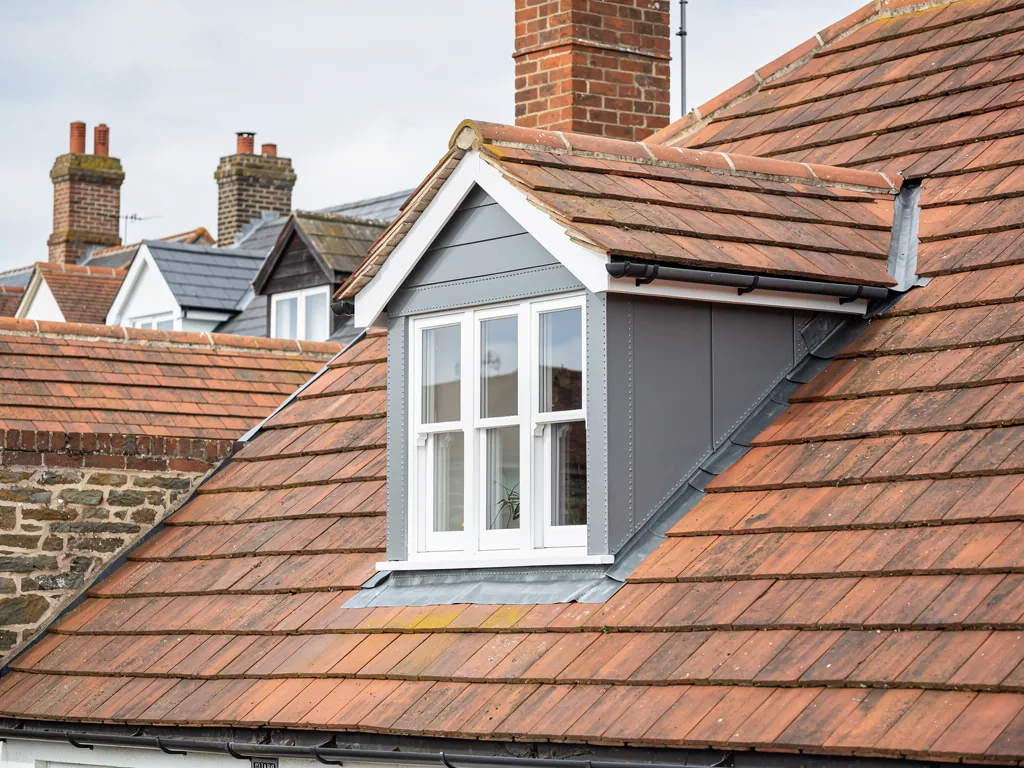
A dormer carries more lead than it appears to from the street. The cheeks are the side walls, the top is usually a small flat roof, and aprons seal the roof slope to the window below. Each joint is lead, and each one is a place where wind-driven rain can find a gap. Bay windows and porch canopies are the same on a smaller scale: a flat or shallow top, a flashing where it meets the wall, and an edge that must throw water clear. Arun's guidance on The Steyne describes terraces of two and three storeys with bay windows and balconies, so these small lead roofs are part of the street as well as the weatherproofing. Dormer lead takes wind from several directions at once, and its soakers sit under the cill and the cheek tiles, which are fiddly to reach. Where a dormer roof is old, we often find the cheek lead has slipped on its fixings and the top has ponded, so we test the fall by eye and with water. Renewing the cheeks, the apron and the top as one job makes more sense than patching them three times in as many winters.
Lead porch roofs have a local history too. Arun's statement for the Craigweil House conservation area in Aldwick records that Wychwood, built from 1934, has leaded roofs to a number of its entrance porches. A small lead canopy like that is easy to overlook in the survey of a larger roof, so we always check porches, bays and lean-to tops as well as the main slopes. Tell us about any bay roof that has marked the ceiling below, however faintly. A flat-topped porch needs a fall to drain, like any other lead roof.
Chapter 5: What lead work costs and what shifts it2379
Sheet 05 / 06Lead work has no single headline price, because the jobs run from a metre of flashing to a roof covered afresh in new sheet.
Four things set the figure on a lead job: the code and area of lead, how hard the roof is to reach, whether tiles or slates around the lead have to be lifted, and what the survey finds in the wall or deck underneath. We price after looking at the roof, never from a photograph alone, and the price we give is fair for the work we have shown you. Our guide to how much lead roofing costs works through the same factors with national figures beside them.
Typical UK lead work prices
- Lead flashing repair, per metre£50 to £70 per metre
- Chimney leadwork, patch£150 to £250
- Chimney leadwork, full renewal£350 to £460
- Chimney renewal with scaffold£700 to £920
National figures to judge a quote against; your own price arrives as a single written total after our survey of the lead and the access.
Source: Checkatrade roof repair guide, June 2026; MyJobQuote chimney leadwork guide, 22 September 2026
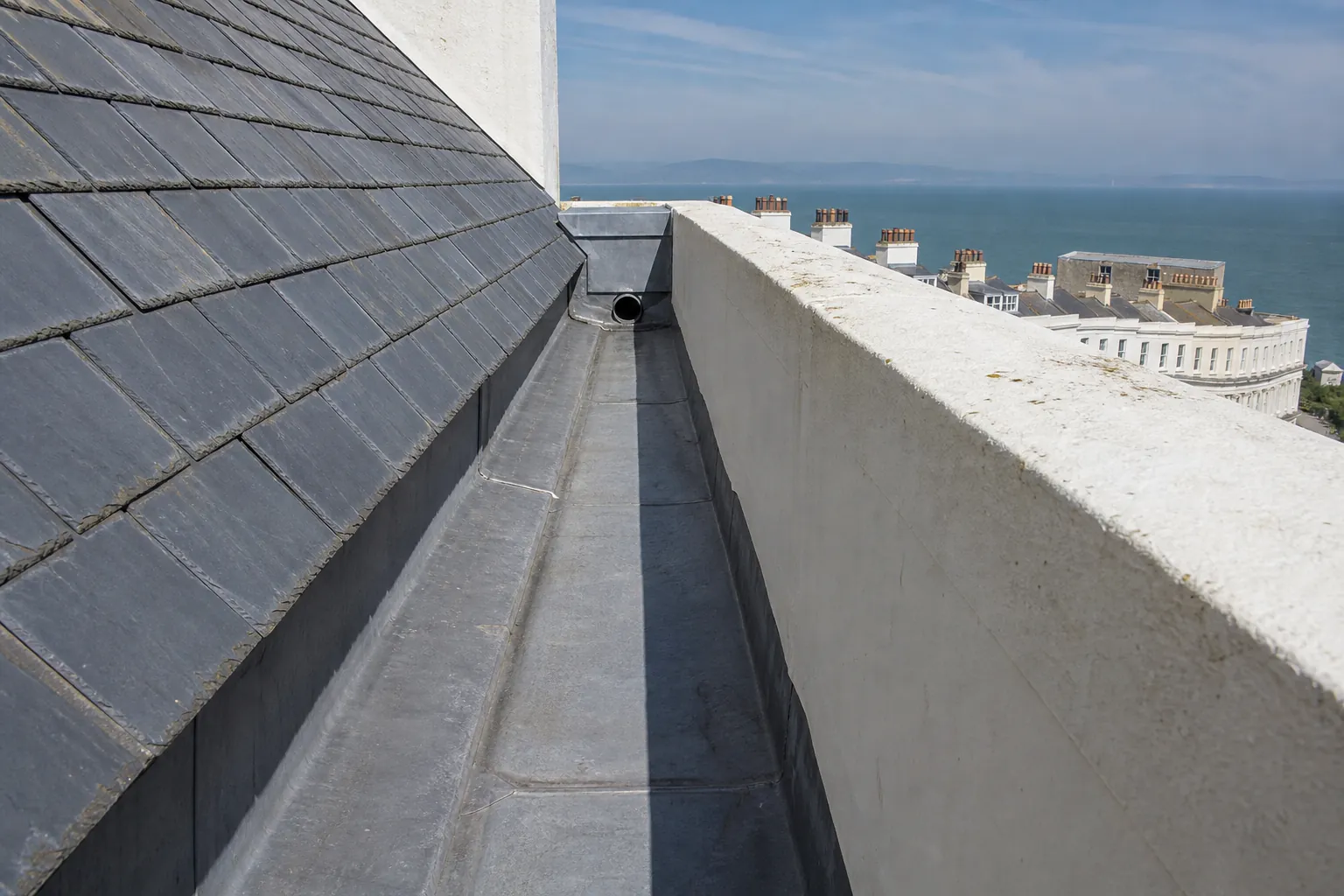
5.1 National guide prices
For repairs, the June 2026 table in Checkatrade's roof repair guide lists lead flashing repairs at £50 to £70 a metre, and notes that its figures exclude VAT, charged at the standard 20 per cent. MyJobQuote, last updated 22 September 2026, gives patching chimney leadwork as £150 to £250 and full renewal as £350 to £460 without scaffolding, rising to £700 to £920 with it. These are typical UK ranges, useful for judging whether a figure sounds sensible, not prices for your roof. Treat the figures as a guide to scale: a short flashing repair sits at the bottom, and a stack renewed from a scaffold sits nearer the top. Checkatrade also gives roofers' rates as around £280 to £360 a day, which is why a half-day flashing job and a two-day valley job sit far apart.
A patch that fails at the next storm is paid for twice over.
£700 to £920
full chimney lead renewal with scaffold, MyJobQuote 2026
5.2 Scaffolding and VAT
Access often decides the total. Scaffolding is priced by the month: Checkatrade's October 2026 table gives around £875 for a two-storey semi and around £1,000 for a detached bungalow. Poles and boards standing on the pavement or road call for a highway licence; West Sussex County Council wants at least 10 working days' notice and charges £266 for a month. When quotes arrive for your lead work, look for VAT and scaffolding in the total, because two quotes only compare fairly when both do.
5.3 Reading a quote for lead work
A quote for lead work should say which parts of the roof are covered, which lead code goes where, whether tiles or slates will be lifted and rebedded, how waste is dealt with, and the one total price. Ask what happens if the wall or deck behind turns out to be damaged: a fair answer is that you are told before any extra work goes ahead. We explain each of those points on the visit and put them in writing.
Keep a repair in proportion. A patched flashing that still leaks is money spent twice, while a full lead roof laid on a sound deck is a long-term spend, since the national guides put its working life in decades rather than years. Our advice is to do the least that really cures the problem, and that is what goes into the written quote. Several cost questions also have their own answers: the cost of repairing a flashing is set out at lead roofing cost.
Chapter 6: Lifespan, upkeep, theft and permission2318
Sheet 06 / 06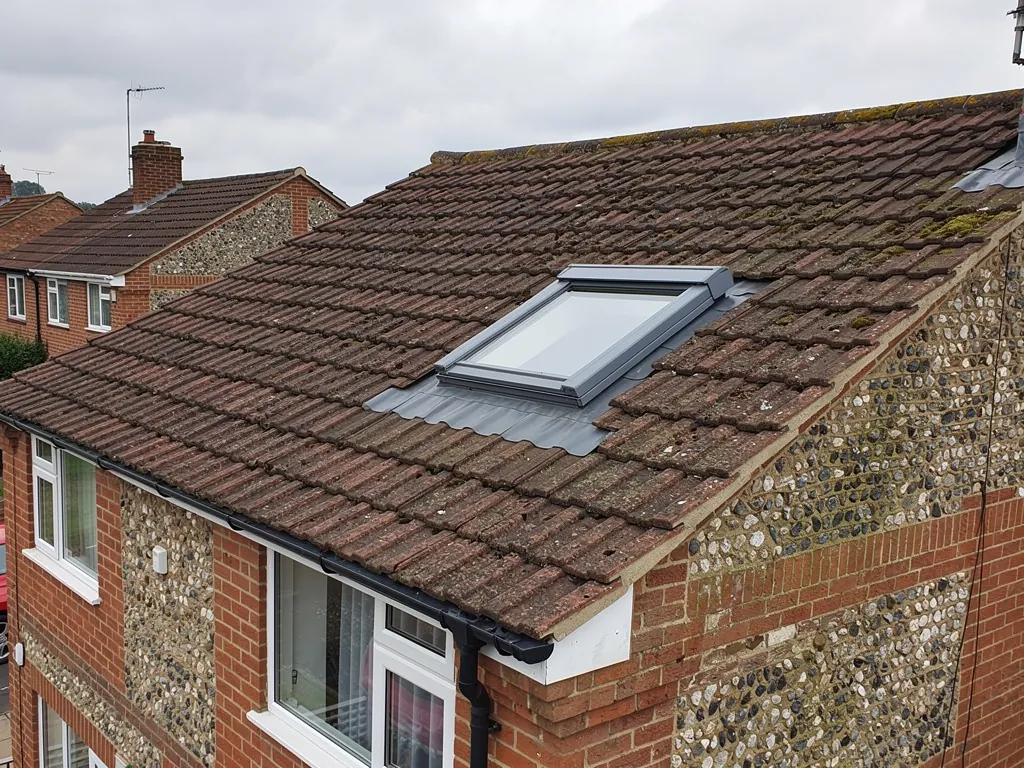
Lead can outlast the roof around it, but only if the pointing, fixings and drainage beside it are looked after.
Lifespans for lead are long. MyJobQuote says a lead flashing can last for over 80 years, and the home improvement guide Less puts a lead flat roof at 50 to 100 years. Treat those as typical ranges, never promises: they describe lead that was laid well and kept clear of debris. In practice the pointing, the fixings and the tiles or slates around the lead often need attention before the sheet does, so we look at all of them. Our answer on how long a lead roof should last goes through the same sources.
Before you book
A small flashing repair rarely needs consent. A listed building, a conservation area or a church roof does, so tell us early and we will explain the route.
6.1 Keeping lead in good order
Maintenance is mostly clearing. Leaves and moss collect in valleys and box gutters, and standing water finds weak joints. A look after autumn gales and after a long wet spell catches most problems while they are still small, and debris cleared from a valley leaves the site with us. Cracks, lifted edges and missing pointing are cheap to fix when found early and expensive when water has been in the wall for a winter. Gutters and downpipes beside the lead deserve the same check, since an overflowing outlet soaks the wall the flashing is fixed to.
6.2 If lead has been stolen
Stolen or torn lead leaves a roof open to the weather, so making the roof safe comes first. Tell your insurer promptly, photograph what has gone, keep receipts for any temporary cover, and keep anything damaged until the insurer has seen it, which is the advice Which? and the Institution of Structural Engineers give for storm damage. We make the roof weathertight first and then survey for the permanent repair. Whether a claim is paid is for the insurer to decide.
6.3 Planning, listed buildings and building control
Replacing lead like for like normally does not need planning permission, because under section 55 of the Town and Country Planning Act 1990, works that do not materially affect a building's external appearance are not development. A listed building is different: alterations that affect its character need listed building consent, though the South Downs National Park Authority states that routine upkeep and small like-for-like repairs do not. The Steyne and Waterloo Square conservation area, in Bognor, dates from August 1979 and was extended in July 1994, and the Aldwick Road area followed in July 1994; none of Arun's Article 4 directions in the town takes roof rights away. For a listed or protected building, ask the planning team at Arun District Council before work begins.
Lead is common on church roofs, and the consent route depends on the denomination and the building. Where a Church of England building is still in use, it goes through the faculty system, while a closed church, or one vested in the Churches Conservation Trust, needs listed building consent from the council. Under Approved Document L a new waterproof covering on a flat roof is renovation, so a new lead flat roof may bring its insulation into play; building control or your roofer can confirm. Bats are protected, which is why we look for roosts before anything is stripped.
Price guide
Typical UK lead work prices
| Job | Typical range |
|---|---|
| Lead flashing repairs | £50 to £70 per metre |
| Chimney leadwork, patching | £150 to £250 |
| Chimney leadwork, full renewal without scaffold | £350 to £460 |
| Chimney leadwork, full renewal with scaffold | £700 to £920 |
National guide figures; before comparing a quote with these, see whether it counts VAT and scaffolding.
Source: Checkatrade roof repair guide, June 2026; MyJobQuote chimney leadwork guide, 22 September 2026
Guides and answers
Lead roofing guides and answers
Quick reads on flashings, sheet codes, valleys, dormers, costs, theft and listed buildings, written for lead roofs in and around Bognor Regis.
 How much does lead roofing cost?9 min read
 Lead flashing: where it goes, how it fails and how it is renewed9 min read
 Lead sheet codes explained: code 3 to code 89 min read
 Lead alternatives: lead-free flashings and substitutes compared9 min read
 Leadwork on listed buildings and churches9 min read
 Lead valleys: repair, replacement and alternatives10 min read
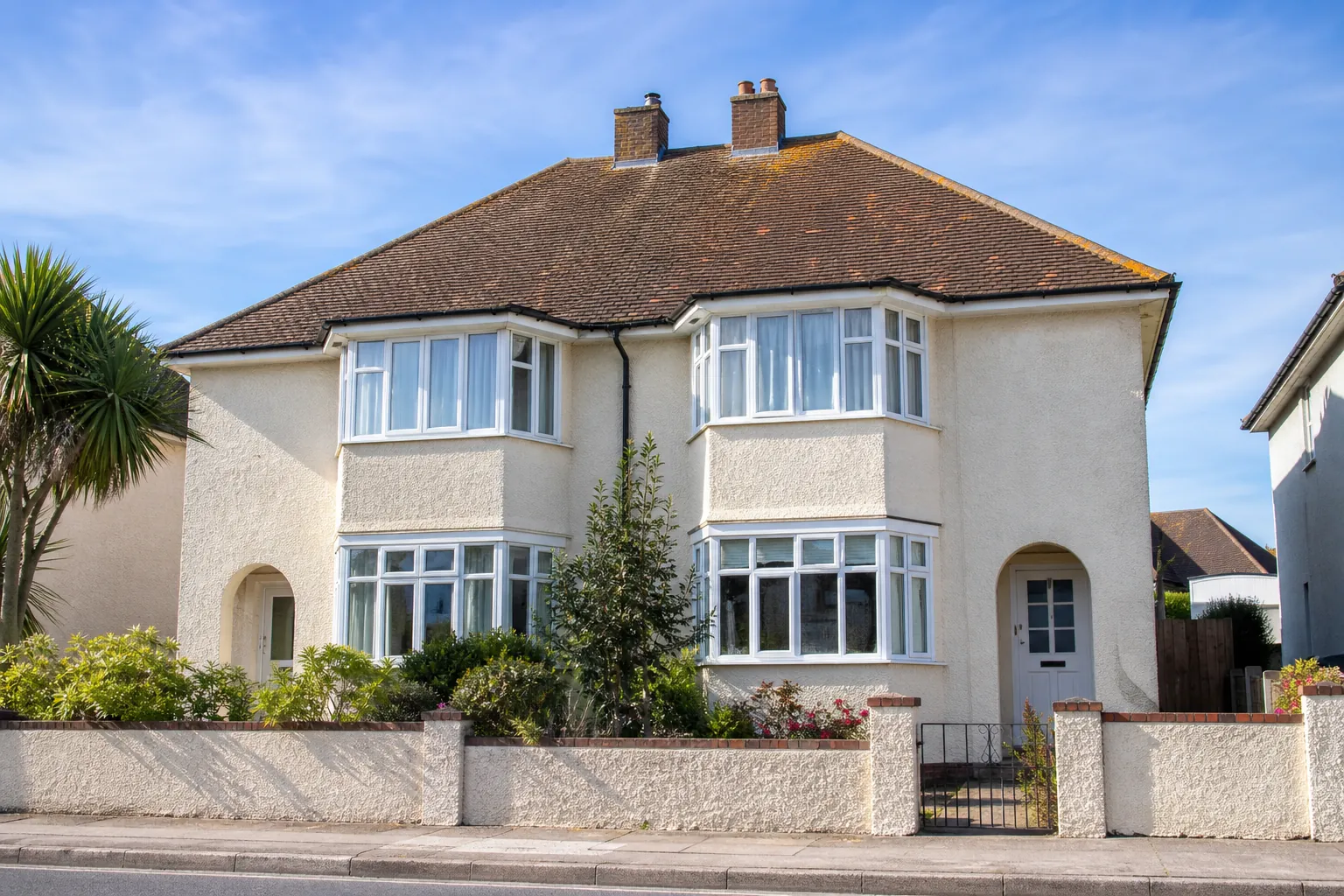 Lead bay window roofs and porch canopies10 min read
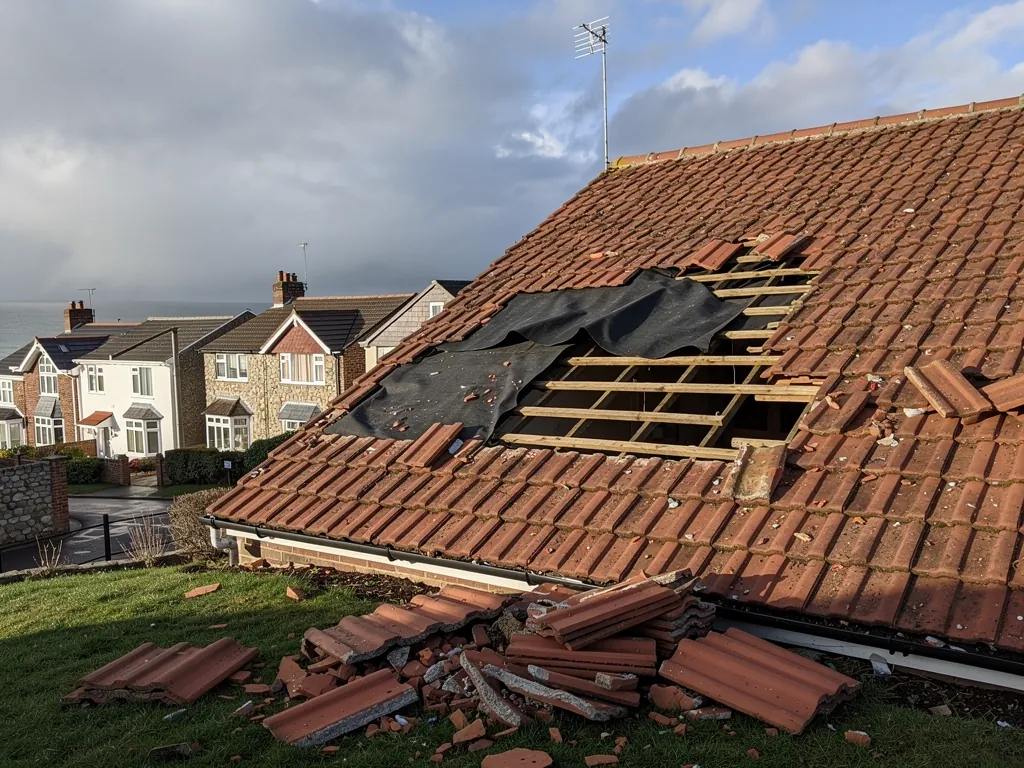 Lead flat roofs: rolls, drips and bays on period homes9 min read
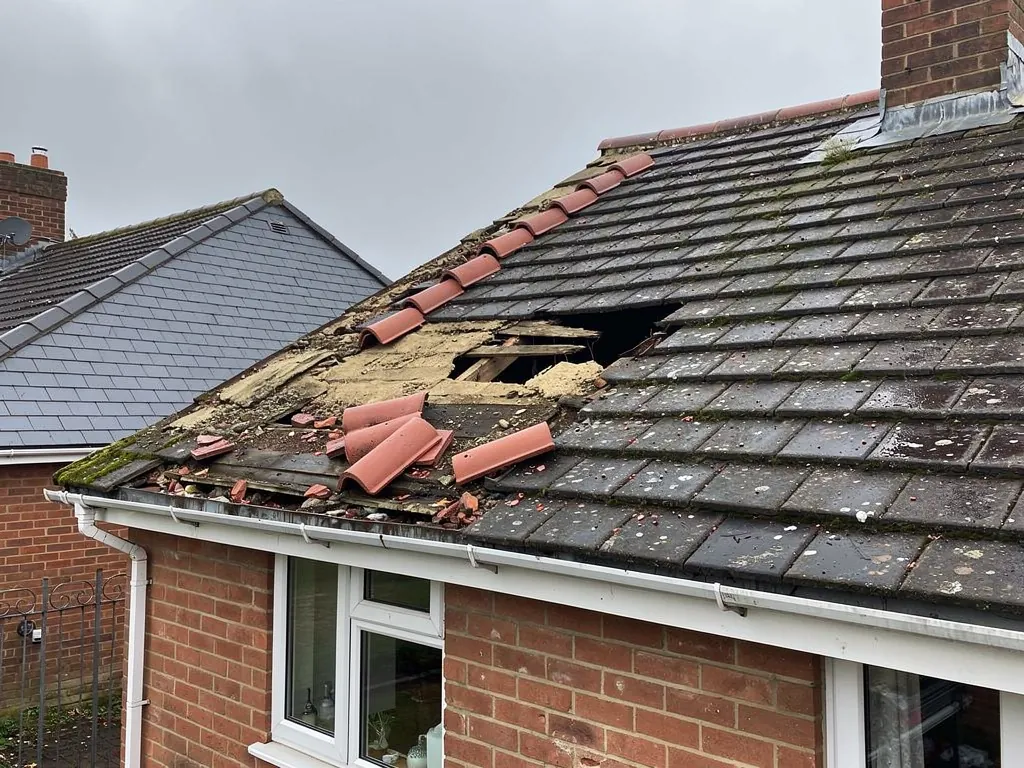 Lead-clad dormers: cheeks, tops and aprons10 min read
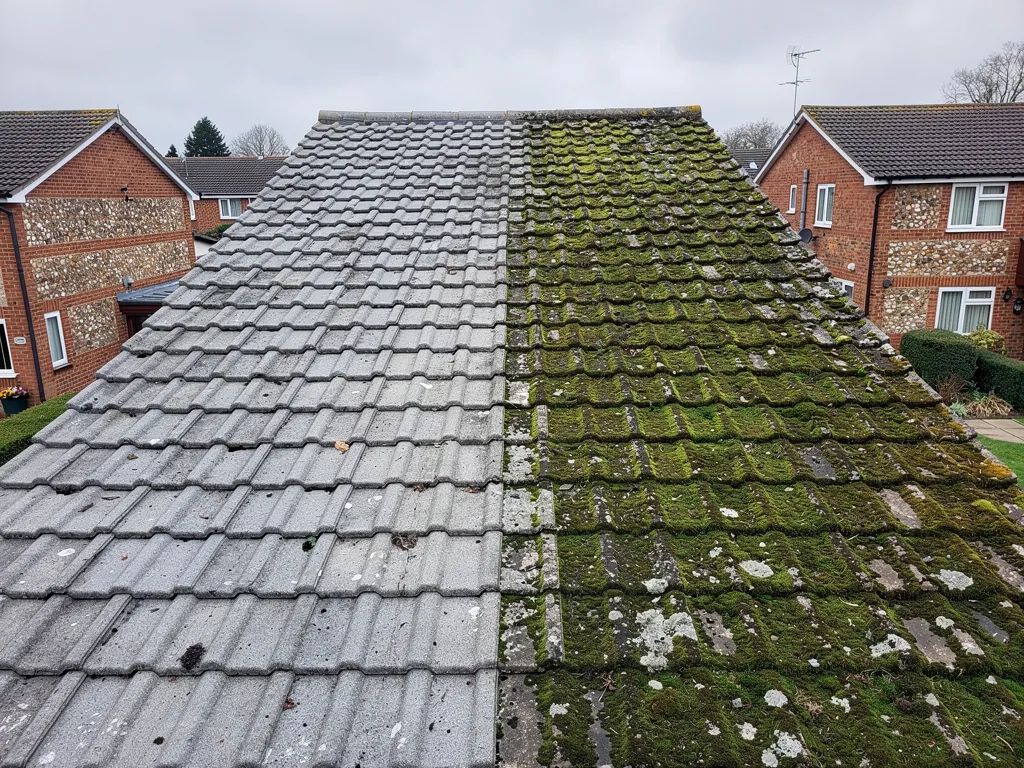 Lead theft from roofs: prevention and what to do next10 min read
 Patination oil and white staining on new lead10 min read
 Leadwork in winter and wet weather9 min read
Quick answers
- How long should a lead roof last?
- How long does lead flashing last?
- Do roofers still use lead?
- How much does lead flashing repair cost?
- Does home insurance cover stolen roof lead?
- Why is my lead flashing leaking?
- What are lead soakers?
- Why does lead crack on a roof?
- Is self-adhesive flashing tape as good as lead?
- Should lead flashing be pointed with mortar or sealant?
- Which lead code is used for valleys?
- How heavy is lead sheet per square metre?
- Lead welding or bossing: what is the difference?
- Lead or zinc for a small roof?
- What are rolls and drips on a lead roof?
- What is a lead apron flashing?
- What are lead wedges for?
- Do lead flashings need clips?
- Lead flashing where a conservatory meets the house
- How are lead box gutters and parapet gutters relined?
Questions
Lead roofing questions, answered
What does a lead roofing job cost in Bognor Regis?
It depends on the code and area of lead, the access and what lies beneath. National guides give lead flashing repairs at £50 to £70 a metre and chimney leadwork at £150 to £250 for a patch or £350 to £460 for a full renewal without scaffolding. After the survey you get your own price as a single written total. Ask whether a figure includes VAT and scaffolding, since both move the total.
How many years should lead on a roof give?
Typical ranges are long. MyJobQuote gives lead flashing a life of over 80 years, and Less puts a lead flat roof at 50 to 100 years. Those figures assume good laying and regular clearing of valleys and gutters, and they are not a guarantee. The pointing, fixings and surrounding tiles or slates often need attention sooner than the sheet itself, which is why we inspect them together.
Is lead still a normal roofing material?
Yes. Lead remains the usual choice for flashings, soakers, valleys and the covering of small awkward roofs such as bays, porches and dormers, because it can be shaped by hand to fit the wall and the roof beneath. Tape, mastic and other substitutes are sometimes used as a temporary measure, but where a lasting weatherproof joint is needed, lead is what most roofers reach for.
Can cracked lead be repaired, or must it be replaced?
A short crack in sheet that is otherwise sound can be cut out and repaired. Lead that has been patched several times, has split along its folds or is too thin for its length is better renewed, in a suitable code. We photograph the lead, tell you which applies, and advise the minimum work that cures the problem, never a full renewal when a repair will hold.
What should I do when roof lead has been stolen?
Make the roof safe, tell your insurer promptly, photograph what is missing and keep receipts for any temporary cover. Which? advises keeping damaged items until the insurer has seen them. We can first get the roof weathertight, then survey for a permanent repair. Whether a claim is paid is the insurer's decision, and if you disagree, take it up with the insurer first and then the Financial Ombudsman Service, which is free to use.
Do I need consent to replace lead on an older Bognor Regis building?
Like-for-like replacement normally needs no planning permission, but a listed building needs listed building consent for work that affects its character, and Article 4 directions can remove rights in some areas. None of Arun's directions in Bognor takes roof rights away. Owners of listed homes, or of homes in areas such as The Steyne or Aldwick Road, should ask the planning team at Arun District Council first.
Get a quote
Send us your lead work photos
Photograph the flashing, valley or bay roof from the ground, and the underside from the loft if you can, and tell us where it drips.
Loading the enquiry form. You can also call 01243 252373.