
Ceiling leaks · 9 min read
Water coming through the ceiling: what to do now
Water coming through a ceiling needs calm, ordered action: safety first, then limiting the damage, then finding where it is coming from and who should fix it.
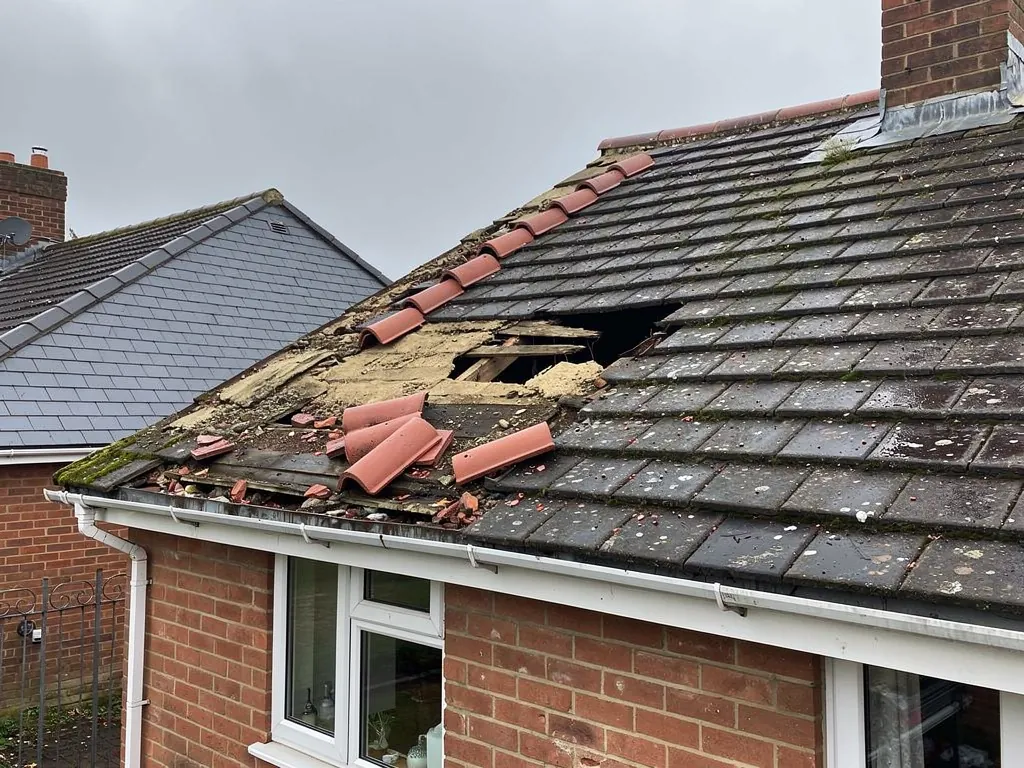
A drip from the ceiling, a brown stain that has grown overnight, or a bulge in the plasterboard that looks ready to burst: these are alarming, especially at night or in the middle of a storm. The first rule is that the next ten minutes matter more than the next ten days. What you do now keeps people safe and limits the damage to the room, and the detective work can wait until it is calm.
The second rule is that the ceiling is only where the water shows. It may have travelled a long way across the loft, along a rafter or through insulation before it found a place to drip. It may be coming from the roof, from a pipe, from a tank or from condensation, and each has a different fix. Treat the ceiling as a symptom, not a diagnosis.
This guide takes you through the order of action: making the room safe, stopping the spread, working out whether the roof is the cause, recording the damage and getting the right person in. We are roofers, so we say clearly where the roof is the likely culprit and where it is worth calling someone else first.
Safety first: water, light fittings and the ceiling itself
Water and electricity do not mix, and a ceiling is full of cable. If water is dripping near a light fitting, a ceiling rose, a smoke alarm or a spotlight, do not touch the switch. Isolate that circuit at the fuse board (the consumer unit), or the whole house if you are unsure which circuit it is, and keep away from the fitting until it has been checked by an electrician. Our page on a roof leak near a light fitting explains the risks in more detail.
The ceiling itself can be a hazard. Plasterboard soaks up water, gets heavy and can come down without much warning. A bulge, a sag or a crack along the stain means a lot of water is sitting behind it. Stay out from under the stained area and keep children and pets away. Do not poke at it with something you hold above your head.
If the stain is large, or the ceiling is visibly drooping, treat the room as out of use until it has been checked.
Relieving a bulging ceiling
A ceiling that is bulging with trapped water is often safer if it is allowed to drain in a controlled way. If you can do so without standing under the middle of it, put a bucket directly below the lowest point of the bulge and make a small hole there with a screwdriver on a long handle, standing to the side. The water runs into the bucket and does not come down in one piece. Have several containers ready and tip them out often.
If you are not comfortable with that, or the ceiling is close to a light fitting, leave it alone and get help.
Limiting the damage while the water is still coming
With the room made safe, the next job is stopping the spread. Water finds the lowest route, so it pays to act quickly on whatever is below the leak.
- Place a bucket, bowl or washing-up bowl under the drip. Lay a towel inside it or around it to stop splashing.
- Clear furniture, bedding, rugs and electronics from the room, or at minimum from beneath the stain.
- Lift up carpets or cover wooden floors with plastic sheeting or old towels.
- Take pictures off the wall below the stain, because water can run down the plaster.
- Open a window if the room is humid, once the weather allows.
If the leak is coming from a pipe or tank, turn off the water at the stopcock. That one step ends a plumbing leak at once. If the water keeps coming at the same rate regardless of the weather, that is a clue that a pipe is involved. If it speeds up when the rain does and eases off when the rain stops, the roof is the likely source.
Do not leave it to dry out
A ceiling that has been wet for a day does not simply dry out. The plaster can stay damp, and the insulation above it holds water long after the leak itself stops. Do not paint over a stain, because it will come through again, and do not seal damp plasterboard behind new paint. Let it dry properly, and ask whoever repairs the leak to check that the loft insulation and timbers are dry too.
Photograph the damage as it develops, with the time on each picture, and keep any items that were ruined. That record helps if you decide to claim, as we come to below.
Is it the roof, a pipe, or condensation?
Not every wet ceiling is a roof leak, and it is worth taking a few minutes to work out which one you have. The clues are in the timing and the pattern.
Signs that point to the roof
Water that appears during or just after rain, particularly heavy rain or wind-driven rain, points to the roof. So does a stain on an upper-floor ceiling near an external wall, under a chimney breast, below a roof window or beneath a flat-roofed extension. A drip that stops when the weather clears and returns with the next storm is a strong sign.
Signs that point to plumbing
A leak that continues in dry weather suggests a pipe, a cistern, a radiator or a tank in the loft. A stain beneath a bathroom is another giveaway. Water from a pipe is often steady, and may be warm or smell different from rainwater. If you have a header tank or an overflow in the loft, check them.
Signs that point to condensation
Condensation forms where warm, damp air meets a cold surface. It can run down the underside of a cold roof covering and drip onto the insulation and ceiling, particularly in winter and in poorly ventilated lofts. It tends to show as damp patches and black mould spread over a wider area, and not as one neat drip. Our guide to roof leak or condensation helps you tell them apart.
If you are unsure, a roofer can check the roof and a plumber can check the pipes. Do the roof first if the water appears with rain, because a pipe test will find nothing.
Looking in the loft without making things worse
If you can reach the loft safely, it is the best place to find where the water is coming from. Go in daylight or with a good torch, keep your feet on the joists or on boards, and never step on the plasterboard between them. Take your phone to photograph what you see.
Look for these:
- dark, wet patches on the underside of the roof covering or on the felt
- wet or stained rafters and timbers
- water running down a wall or chimney breast
- drips from a single point, which you can follow back up
- wet insulation, which will be dark and heavy
- daylight showing through where it should not
Water travels along the underside of timbers before it drips. Inside the loft, the wet spot can sit well to one side of the actual hole, and the stain on the ceiling may be somewhere else again. Follow the water uphill, along the rafter, until you find the point where it starts. Take your time and do not hurry across the joists.
Be careful with insulation. If water has soaked the loft insulation, it will be heavy and may be hiding the joists. If your house has older materials in the loft or ceiling, such as boards with an unusual texture, leave them undisturbed and get advice before anyone handles them. Our guide to checking the loft for a roof leak goes through the process in detail.
If you cannot reach the loft, or it is not safe, do not force it. A roofer can survey from the outside and the inside, and photograph the findings for you.
Who to call, and what to ask them
The right call depends on what you found. If the water appears only in rain and the loft shows a wet patch under the roof covering, you need a roofer. If it flows in dry weather, a plumber. If an electrical fitting is wet, an electrician first. If you are not sure, start with whoever is nearest to the evidence. Our guide on who to call about a leaking roof goes through the options.
When you ring a roofer, give them the facts that save time:
- where in the house the water is coming through
- when it started, and whether it follows rain or wind
- what you have found in the loft, with photographs
- whether anything electrical is near the water
- the type of roof, if you know it: tiles, slate, or a flat roof
A leaking roof is covered or secured before anything else, and storm damage jobs are prioritised. A proper survey follows once conditions are dry. After that comes a written quote giving one total price, plus a clear recommendation: repair, stopgap or renewal. Whoever you use, check that VAT and scaffolding are inside the price.
Beware of pressure
A wet ceiling is stressful, and that is when people are most vulnerable to a hard sell. A roofer who insists on a full re-roof from the doorstep, asks for cash up front or will not put a price in writing is a warning sign. A leak is usually one small fault and not a whole roof. Ask for photographs of the actual defect before you agree to anything.
Our wider emergency roof repairs page explains how we deal with leaks that cannot wait.
Recording the damage, telling your insurer and drying out
Once the water is under control, think about the paperwork. Where a storm came first, or you may want to claim for damage inside the house, Which? says to ring your insurer without delay. Should you pay for emergency work, the insurer needs to hear about it and the receipts need keeping, as they sit within the claim. Damaged items stay put unless they threaten health.
Keep dated photographs of the ceiling, the loft and the roof if a roofer has taken them. The Institution of Structural Engineers treats photographs as vital evidence for a claim. Note the weather on the day, the time the water first appeared and how it changed.
Insurers draw a line between sudden damage and wear. Which? cites water entering through a badly kept roof as typical wear and tear. A leak that has been building for months is more likely to be treated that way than a sudden storm loss, and the evidence you gather helps show which applies. The claims process is covered in our guide to claiming for storm damage.
Drying and repairing the ceiling
Once the leak has been fixed, the ceiling needs time. Plasterboard that has been soaked often has to be replaced; a small stain on dry plaster may be sealed and redecorated. Let the area dry fully, which can take days or weeks, and check for mould. Ventilate the room, and a dehumidifier can help. Redecorating too soon traps moisture and brings the stain back.
Fix the cause first, then the ceiling. Repainting a ceiling under a leaking roof is money wasted. Ask your roofer to confirm in writing that the leak has been dealt with and what was done, so that you can show a decorator or an insurer that the repair is complete.
Questions
Ceiling leak queries
Should I pierce a bulging ceiling to let the water out?
Only if you can do it safely. Stand to one side, put a bucket under the lowest point and make a small hole so the water drains in a controlled way. Keep clear of light fittings and switch the power off to that circuit first. If you are unsure, keep out of the room and call for help.
Can a ceiling stain be painted over once the water stops?
Not until the plaster is fully dry and the leak is fixed. Paint over damp plaster traps the moisture and the stain returns. Let the area dry, check the loft insulation and timbers, and then redecorate. If the plasterboard has sagged or crumbled, it needs replacing.
Why is there water in the ceiling but no hole in the roof?
Water follows timbers, felt and insulation before it drips, so the entry point can be well away from the stain. The fault may be a lifted flashing, a slipped tile or a gutter overflow. A survey from the roof and loft, with photographs, traces the true route.