
Hiring a roofer · 9 min read
Hiring a roofer: what happens from the first call to the final check
A walk through the whole job, from the first phone call and the survey to the written quote, the scaffold, the work itself and the check you make before you pay the last of the bill.
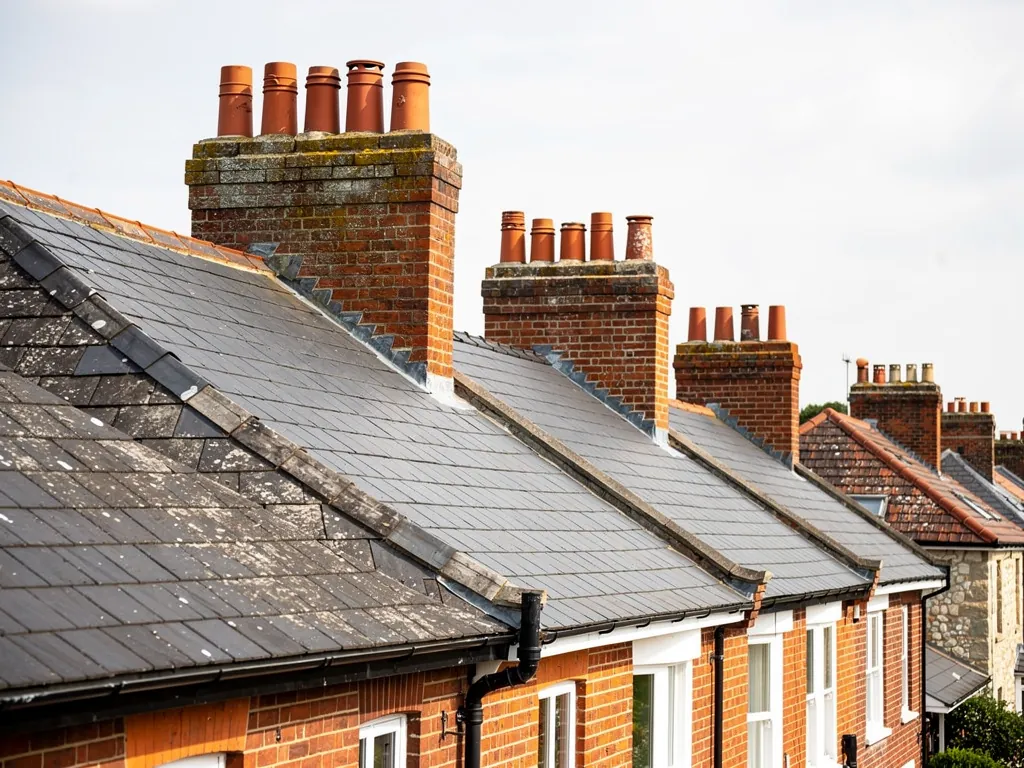
A roofer gets hired once or twice in a typical homeowner's life, usually with water coming through a ceiling or a gale-damaged ridge on the lawn. That is a poor moment to learn how the process works. You are worried, you want the problem gone, and the first name you find tends to get the job.
This guide slows the whole thing down. It follows a roofing job in the order it happens: the call, the survey, the quote, the paperwork, the scaffold, the work and the final check. At each step it says what a sensible roofer does and what you are entitled to ask for, so that you can tell a well-run job from a muddled one before any money changes hands.
Nothing here is specific to one firm. A good roofer, whether from our roofing firm in Bognor Regis or anyone else, follows this order, and if a firm skips a step, that is useful information about how the rest of the job will go. Where a step touches the rules on cancelling a contract or on Building Regulations, the guide names the official source so you can read it yourself.
Roofing on the Sussex coast has its own pressures: gales, driving rain, and streets of terraces and bungalows where access is tight. They shape the survey and the scaffold.
The first call and what to have ready
A first call should be short and practical. The roofer wants to know what you can see, where you can see it and how long it has been going on. A brown stain that appears after heavy rain points one way; a stain that grows in dry weather points another, towards a pipe or condensation rather than the covering. Say which room it is in, whether slates or tiles have come down in the garden, and whether you can get into the loft to look.
Have a few things to hand before you ring, because each one saves time:
- the age and type of the house, if you know them
- whether it is a house, bungalow, flat or commercial unit
- any previous repairs and who did them
- whether the property is listed or in a conservation area
- photographs of the damage, taken from the ground or from inside
Any of these will save a visit. If the roof is leaking now, say so plainly. A reasonable firm will talk about making it safe first, with a temporary cover or a quick patch, before it discusses a lasting repair. We prioritise leaks and storm damage for exactly that reason.
What a good first call does not do
It does not quote a price for a roof the roofer has not seen. It does not push you to book a day on the spot or tell you the roof is beyond saving over the phone. A rough idea of the range for a type of job is fair, and our guide to what roof work costs in the UK gives national figures to measure it against. A firm confident enough to name an exact figure unseen is guessing, and the guess will be adjusted once the scaffold goes up.
Ask who will visit and how the findings will reach you.
The survey: looking, photographing and saying what is wrong
The survey is where the job is really decided. A roofer looks at the covering from a ladder, the loft or a drone, checks the details that fail first and gives a verdict: repair it, patch it to see you through, or replace it. Those are three different answers with three very different bills, and the fault in front of you rarely settles which one applies.
The details worth looking at include the ridge and hip tiles, the verges at the gable ends, the flashings that seal the roof against a wall or chimney, the valleys, the gutters and the fascia and soffit boards. On a flat roof the survey looks at the falls, the edges and any ponding water. From inside, the roofer checks the underside of the covering, the timbers and the insulation for damp.
Photographs matter more than owners tend to expect. Pictures of your own roof, taken during the survey, let you see the fault yourself and show a second roofer exactly what was found. We send survey photographs with the written quote for that reason. If a roofer will not show you evidence of the problem, be cautious.
A repair is sometimes the answer
A good surveyor recommends the smallest repair that settles the fault. Some slipped tiles or a failed length of lead rarely justify a new roof. Equally, a roof with failing battens, tired nails and widespread slippage is a poor candidate for repeated patching. If you want a deeper look at the second case, our page on roof inspections and surveys explains what a full inspection records, and the verdict you receive should be one you can follow in the photographs.
The written quote and its single total
The written quote arrives once the survey is done. It should name the property, set out the job in everyday language, specify the covering and materials, give a start window, and show one total price. It should also be clear on VAT. The standard rate of VAT is 20 per cent, so a figure that leaves it out can be a fifth higher once the bill arrives.
Read the description against the survey photographs. If the photographs show a failed valley and the quote talks about re-felting the whole slope, ask why. If the quote says nothing about scaffolding, ask whether it is included, because access can add a great deal on a taller house or a street with no room for equipment.
Before you compare two prices, check that both include VAT and scaffolding, and that both describe the same covering and the same extent of work.
Comparing more than one quote
Getting more than one quote is sensible when the job is large, and our answer on how many roofing quotes to get goes into the numbers. Compare like with like. A cheaper price for a smaller job, or for a thinner underlay, tells you nothing about value. Look at the covering, the fixings, the lead and whether the work meets current standards such as BS 5534 for slating and tiling.
Keep a copy of the quote and of any emails or messages that change it. Verbal promises on the day carry little weight if they are not in writing. If something changes during the job, such as rotten timbers found once the covering comes off, the new cost should be agreed in writing before the extra work starts.
Deposits, dates and your right to cancel
Many roofers ask for a deposit, and many reasonable ones do, usually to cover materials. Be wary of a large sum up front or a request for cash. Keep any deposit modest, pay by a traceable method and get a receipt.
The more important protection is your right to cancel. Where you sign a contract at your own front door or kitchen table after a roofer has visited, it falls under the Consumer Contracts Regulations 2013 as an off-premises contract, defined as one made in a place that is not the trader's business premises. Under regulation 30, a service contract can be cancelled without giving a reason until the end of 14 days after the day it was entered into. The trader must tell you about that right. If the trader fails to tell you, regulation 31 extends the period by up to 12 months after the day it would have ended.
Starting inside the cancellation period
A roofer can only begin work inside those 14 days if you ask for it, and the request must be made on a durable medium such as an email or a signed form. Urgent repairs are treated differently: if you specifically asked the firm to attend for an emergency repair, that part of the regulations does not apply to the visit. If your job is borderline, read the official wording before you sign.
Agree the start date and the likely duration in writing, with the understanding that weather moves roofing dates around.
Scaffold, consent and the paperwork
Before any work starts, several practical and legal pieces fall into place. The first is access. On a two-storey house a scaffold is common, and where it stands on or over the pavement, section 169 of the Highways Act 1980 has to be licensed by the highway authority. Whoever erects the scaffold puts in that licence request. In West Sussex the notice period is 10 working days at the least, and that wait can decide your start date.
Building Regulations and planning
The second piece is consent. A straight swap of one covering for the same covering seldom calls for a planning application, though a listed building, a conservation area or an Article 4 direction can change the answer. On building control, the Planning Portal gives two limits: under 25 per cent of the total building envelope and under 50 per cent of the roof. Arun District Council separately names pitched and flat roof re-coverings on its list of approvals, so put the question to the council, or to your roofer, for your own house. We set out the consent route and deal with the notification where work is notifiable. The guide to roof work and the rules has the detail.
Neighbours and waste
Tell the neighbours before the scaffold arrives, especially on terraces and semis where noise and access affect them. Ask how waste will be taken away. Old coverings, battens and packaging should leave the site with the roofer, and the site should be left clear when the job ends.
The work itself and the final check
On the day the scaffold goes up, the roof is stripped or repaired in sections so that the building is covered overnight. A competent crew works to a plan: strip a slope, check the timbers, lay the underlay, batten, tile, then deal with the details. Those details are where the finish shows. Ridges and hips are mechanically fixed, flashings are dressed in lead, verges are neat and straight, and the gutters and trims are set properly.
Ask to be told at once if anything unexpected turns up, by phone or message, while the crew is still on site. Rotten rafters, failed wall plates or unsound chimney brickwork do appear once the covering comes off, and good practice is to stop, show you the photographs and agree the next step in writing.
Before you pay the final bill
Walk around the house with the roofer once the scaffold is down, or look at photographs if you cannot see the roof. Check the lines of the tiles, the ridge, the verges, the flashings and the guttering. Look in the garden for stray nails and broken tile. Ask for the paperwork: a final invoice marked as paid, details of the materials used, and any certificate required if the job needed Building Regulations sign-off.
Finally, keep everything, in one folder or one email thread so you can find it in a year. Photographs of the finished work, the written quote and any messages about changes make a complete record. If a fault appears later, you can show what was done and when. A simple look after the first gales shows whether the repairs are holding, and it is worth repeating each season.
Questions
Hiring a roofer: common questions
How long should I wait between getting a quote and starting the work?
There is no set period, but take the time you need. A written quote should stay open for a stated number of days, and there is no reason a legitimate roofer needs a decision on the doorstep. If water is coming in, ask for a temporary make-safe first and agree the lasting repair afterwards.
Should I be at home while the roof is being done?
It helps to be there on the first morning to agree access and where materials go, and again at the end for the walk-round. In between, you do not need to supervise. Check that the roofer has your phone number and that you can reach them if something unexpected turns up.
What if I am unhappy with the finished roof?
Raise it in writing straight away, with dated photographs, and give the roofer a fair chance to put it right. If that fails, our answer on how to complain about a roofer sets out the next steps, including where to take a dispute you cannot settle yourself.