
Pots, caps and cowls · 9 min read
Chimney pots, caps and cowls: capping, venting and replacing
The pot, cap or cowl at the top of a stack decides what gets in and what gets out. Here is what each fitting does, how to choose between them and how a pot is replaced.
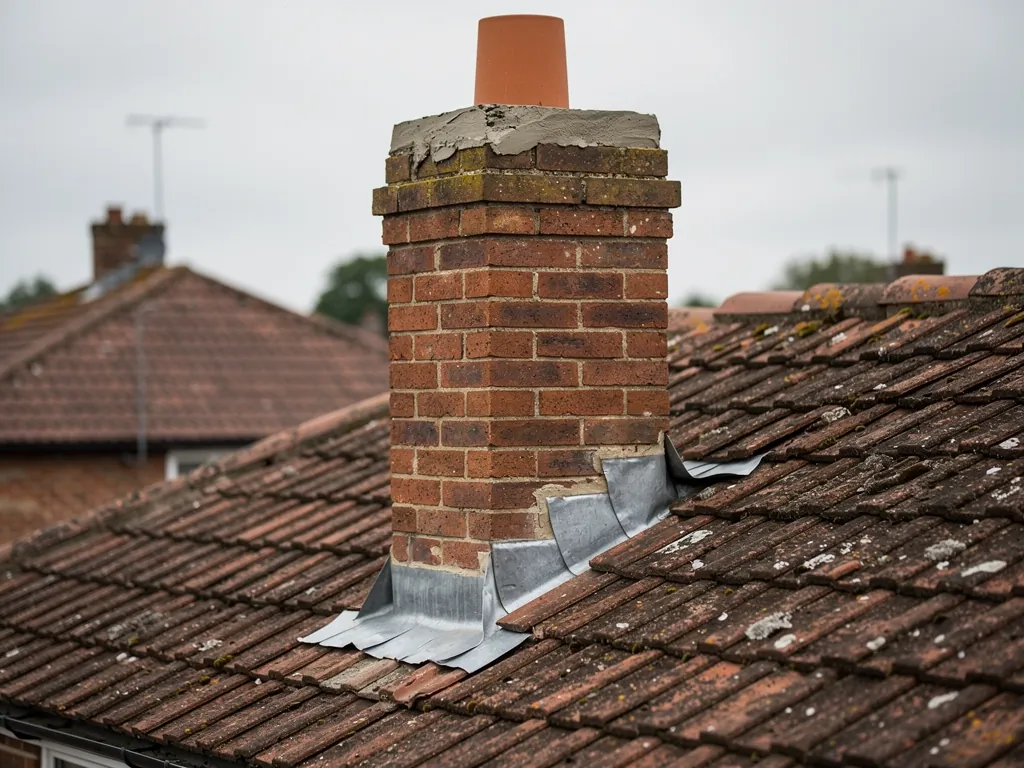
Look up at almost any older house in Bognor and you will see the same row of clay pots standing on the stacks. They look like ornaments, but each one is a working part of the flue. It gives the smoke a clean exit, throws rain clear of the brickwork and keeps the top of the flue square and sound.
The trouble starts when a pot cracks, a cap rusts through or a cowl seizes. Water then runs down the flue walls, birds find a way in and a stack that was dry begins to stain the breast below. Equally, a flue that is closed up too tightly can turn damp from the inside.
This guide takes the fittings in the order you meet them at the top of a stack. We explain the terms, then look at capping a flue you no longer use, cowls for a flue you do, replacing a pot, and the points where birds, bats and conservation areas come into it. Throughout, the aim is the smallest sensible fitting that does the job, because a cap that is wrong for the flue causes more trouble than no cap at all.
If you can see a pot leaning or cracked from the ground, treat it as a falling hazard and keep clear.
Pots, caps and cowls: what each one is
A chimney pot is a short, hollow tube of clay, or sometimes concrete or metal, set on top of the stack to extend the flue and improve the way smoke leaves it. Pots come in many shapes. Tall, plain ones are common on Victorian terraces, and shorter, rounded ones turn up on later houses. The pot sits in the flaunching, the sloping bed of cement that holds it and sheds water away from the brickwork.
A cap is a lid. A simple rain cap is a flat or domed plate held above the opening on short legs, so rain cannot fall in while smoke still gets out sideways. A ventilated cap is built with gaps or a mesh in the sides, so that air can move through the flue even when it is not in use. A bird guard is a wire cage that stops nesting material from entering.
Where a cowl fits in
A cowl is a fitting made to alter how the flue behaves in wind. Some are fixed shapes that shed wind from one direction. Others rotate on a bearing so that the opening always turns away from the weather. People fit a cowl to cure smoke blowing back down into the room, or to keep rain from being driven straight in.
The words overlap, and many suppliers use cap and cowl as if they mean the same thing. The useful questions stay the same: is the flue in use, what burns in it, and does it need air moving through when idle?
The honest summary is that the right fitting depends on the flue. A gas fire, a wood stove, an open grate and a flue that has not been lit in thirty years each want something different, and the person who services the appliance is the best guide. See our chimney repairs page for the whole stack.
Capping an unused flue without trapping damp
Leaving an unused flue open at the top invites rain, birds and debris. Sealing it completely invites a different problem. A closed flue holds still, cool air, and moisture from the house condenses inside it. Over time the damp can show on the chimney breast, in the room or in the loft.
The usual compromise is to keep the weather out at the top while allowing air to move through the flue. A ventilated cap does this from above. Many people also fit an air brick or a vent at the base of the flue inside the room, which gives the air a path from the bottom. Whether you need one, the other or both depends on the flue and the house, and a sweep or a roofer can advise after looking at it.
What not to do
Do not pack newspaper, a bag or a bird's nest of debris into a flue as a stopper, and do not cement a slab over a pot without any means of ventilation. Do not cap a flue that serves a working appliance without asking the person who fits or services it, because a blocked flue is dangerous when something is burning beneath it.
Where a chimney has been abandoned and its pots are gone, a slab laid over the top of the brickwork, with a vent in it, is another route. It is neat when done properly, but it goes beyond a simple pot cap and needs a scaffold.
A damp patch on the breast of an unused flue can come from a roof fault or from condensation. Capping often cures the second kind and is a side repair for the first.
Cowls for a flue you still use
Smoke blowing back into a room is the usual reason for fitting a cowl. It can happen when the pot is lower than a nearby roof or tree, when a gust curls over the roof and pushes down the flue, or when the flue is too wide or too short for the fire. Cowls change how the wind meets the top of the flue, and they help in some cases and not in others.
There are a few broad types. Fixed cowls, shaped like a hood or a cone, deflect wind. Rotating cowls, sometimes called revolving cowls, spin to keep the opening downwind. Louvred and pierced cowls are made for particular fuels. A cowl built for gas is not the same as one built for solid fuel, and a cap that suits an open fire can clog quickly with soot on a wood stove.
Choosing with the person who services the fire
Because the wrong cowl can restrict the flue, the decision is best made with the sweep or the engineer who looks after the appliance. They know the fuel, the flue size and how the fire has behaved. We fit what they specify, and we look at how it is held on and whether the pot beneath will carry the weight.
A cowl is fixed to the pot or to the stack, and a heavy fitting on a cracked pot is asking for trouble in a gale. Check the pot first. If it is sound, the cowl can be clamped on. If it is not, the pot and flaunching come first.
Rotating cowls can stiffen or seize, and a seized one may jam facing the wrong way. Our answer on replacing a chimney pot covers what happens when the pot itself must come off.
Replacing or re-bedding a chimney pot
A pot has to come off the stack when it cracks, when it has moved in its bed or when the flaunching below has failed. Frost and driving rain do the damage. Water gets into hairline cracks, expands as it freezes and widens them, so a pot that looks only slightly chipped from below can be badly split on the far side.
The job begins with access. A pot cannot be reached safely from a ladder alone, and the stack top is small, so a scaffold or a tower is normal. Checkatrade's scaffolding table, last updated in October 2026, gives a chimney scaffold at around £660 a week as a typical UK figure. One pot is a short job, so any other chimney work fits best into the same visit.
How it is done
The old pot is lifted off, and the old flaunching is chipped back to sound brick. The top of the stack is checked for cracks and loose mortar. A new bed of mortar is laid, the pot is set level and upright, and the flaunching is formed in a smooth fall away from the pot on all sides so water runs off. Where the flaunching is the only fault, only that part is redone. Our guide to chimney flaunching goes through it.
Matching matters. Old pots come in many heights and patterns, and a mismatch shows from the street. Reclaimed or new clay pots in traditional shapes both work, and in a conservation area a close match is often expected.
A pot should be set securely enough to take a gale. We photograph the top of the stack before and after, so you see exactly what was found.
Birds, bats and blocked flues
Open pots are attractive to nesting birds, and by the time you notice a blockage it can be thick. A flue stuffed with sticks, straw and debris restricts the draught. It also holds moisture, and a stack that has been sitting full of nest material for a season can smell damp indoors.
The law matters here. According to GOV.UK, it is an offence to intentionally take, damage or destroy a wild bird's nest while it is being used or built, and there are no licensing purposes to permit development or construction. If a nest is in use, the work waits. Bats are protected as well. If you find either, stop and take advice before anything is disturbed.
Keeping them out in future
A bird guard or a cap with a mesh sides keeps nesting material out while letting the flue breathe. Fit it when the flue is clear, so you do not trap anything inside. Do not use a guard on a flue that serves a working fire unless the fitting is made for that fuel, because a mesh can clog with soot.
If a flue is blocked and you do use it, do not light it. A sweep can clear it, and a roofer then fits the guard. A sweep clears the flue and a roofer deals with everything above it.
The rule of thumb is simple. If something is burning below, ask the person who looks after the fire. If nothing is burning, keep the weather and the birds out and let air through.
Storms, skyline and conservation areas
Pots and cowls stand at the highest, most exposed point of the house, so every gale tests them. A loose pot can slide off and drop onto the roof or the ground. A seized cowl can break away, and a cracked cap can lift in a gust. After any severe storm, look up from the ground and note anything that has shifted. Our guide to chimneys in winter storms sets out the checks.
A pot that is leaning or has fallen is a safety problem first. Keep people away from below it, photograph it, and tell your insurer if a storm caused it. Keep receipts for any temporary repair you arrange, and take photographs, because both help with an insurer.
Changing the look of the skyline
Pots are part of how a street looks. Arun District Council's conservation area guidance describes chimneys as important features on the skyline in the Steyne and Aldwick Road areas of Bognor. Portsmouth's Article 4 directions for Old Portsmouth, Castle Road and Campbell Road cover altering chimney stacks, and Havant's Langstone direction restricts pulling down a stack visible from the road.
Replacing a pot like for like is rarely the issue. Taking a stack down, or altering its profile, is. If you plan to alter a stack in a conservation area, or any stack on a listed building, speak to the council's planning team first.
Whatever the rules, pots that match their neighbours keep a terrace looking right, and a good match also tends to be easier to defend if the council asks. Our written quote says whether the pot can be saved, re-bedded or replaced, as one total price.
Questions
Pots, caps and cowls questions
Should I cap a chimney I never use?
Usually a cap is sensible, because it stops rain, birds and debris. It should be ventilated, so air still moves through the flue and condensation does not build up. A solid lid on its own can cause the damp it was meant to prevent. A sweep or roofer can advise after looking at the flue.
What is the difference between a chimney cap and a cowl?
A cap is a lid that keeps rain and birds out. A cowl is shaped to change how wind meets the flue, to stop smoke blowing back or rain driving in. Suppliers use the words loosely, so describe what you want the fitting to do, and say what burns in the flue.
Can a cracked chimney pot be repaired instead of replaced?
Hairline cracks are sometimes sealed, but a pot that is split, leaning or loose in its bed is better replaced, since it can fall in a gale. We check the pot and flaunching from the roof and say plainly whether the pot can stay.