
Temporary repairs · 9 min read
How to do a temporary roof repair safely
What a temporary roof repair is for, which parts of it are safe for a householder to do, which belong to a roofer, and how to keep it from making things worse.
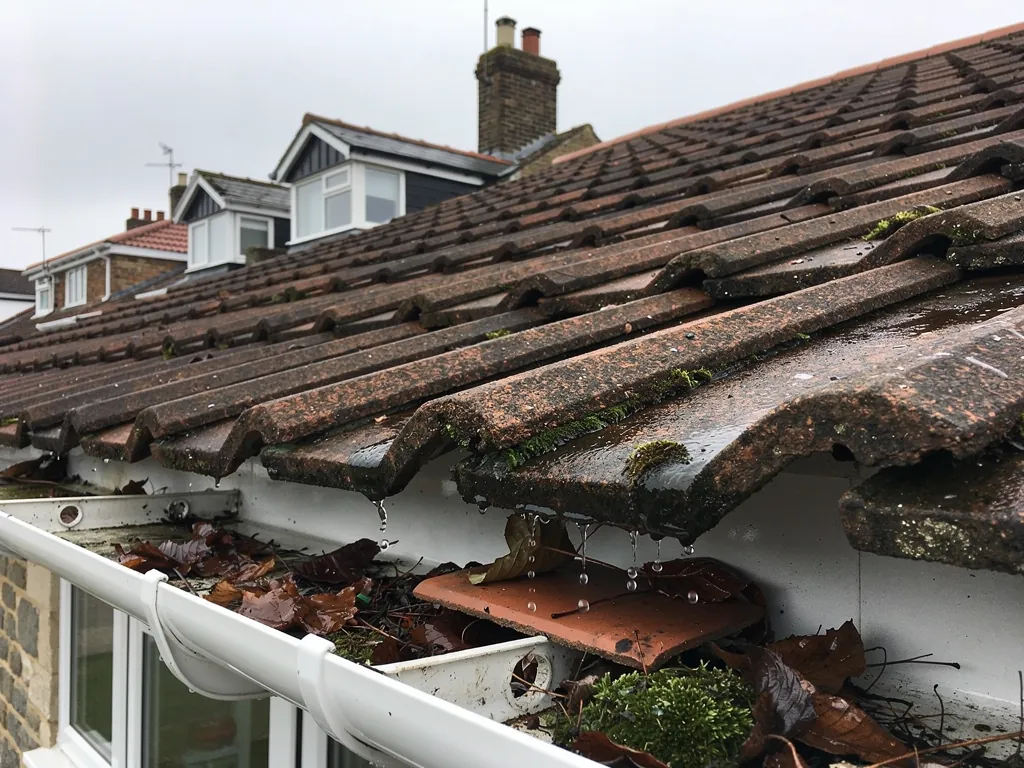
A temporary roof repair has one job: to keep the weather out until the permanent fix can happen. It is not a cure, and it should not be judged as one. A tarpaulin over a damaged slope, a few refixed tiles, a sealed flat-roof split or a bucket under a drip all count. What they have in common is that they buy time.
Buying time is valuable. Water getting into a house damages ceilings, insulation, timber and wiring, and it does it quietly. But the way people try to buy time is often the dangerous part. Householders climb ladders in the wind to throw a sheet over a roof, and that is exactly the situation to avoid.
This guide separates the temporary measures you can take safely from indoors and the ground from those that belong to a roofer working at height. It explains how a good temporary repair is put on, what it cannot do, what to tell your insurer and when it needs replacing with the real thing.
We write this as roofers who are asked to fix other people's temporary repairs, so we know where they go wrong. The failures are rarely dramatic. A cover that was never tied down properly drifts, a sheet laid flat lets water pool, and a repair done in a hurry hides the real fault for another winter.
What you can safely do from indoors
Almost everything a householder should do is done from inside the house or on the ground. Start by finding where the water is coming in. Look at the ceiling for a stain or a bulge, and if you can reach the loft hatch safely, look up with a torch for wet timber, damp insulation or daylight. Our loft check page explains what each sign means.
Next, contain the water. Put a bucket or a washing-up bowl under each drip, with a towel in the bottom to stop splashing. Move furniture, rugs and electrical items out of the way. Cover what you cannot move with sheeting. If a ceiling is bulging, keep out of that room: trapped water is heavy and plasterboard can fail.
Keep clear of any light fitting or socket that is wet. If water is running near wiring, speak to an electrician before you touch anything.
Record it as you go
Take photographs of the damage, the buckets and the repair as it goes on. IStructE describes pictures as vital evidence for a claim. Keep a note of the date, and keep the receipts for anything you buy. Which? says that anyone who has to organise emergency work personally should tell the insurer and save the paperwork.
Why the roof itself should be left to a roofer
The roof is where a temporary repair carries risk. Wet tiles and slates are slippery. Moss makes them worse. A pitched roof gives little to hold on to, and the edges are at height. A ladder that is not tied or footed correctly can move, and the wind that damaged the roof is likely to still be blowing.
Some materials are fragile. HSE guidance lists rooflights among fragile roof materials and treats fibre cement roofs as fragile too, with asbestos to be assumed in anything built or refurbished before 2000. Stepping on a fragile sheet is how people fall through a roof.
Even when you can stay upright, the repair is harder than it looks, and a mistake made at height is expensive in more ways than the bill. A tarpaulin has to be sized to run beyond the damage, fixed in a way that does not tear it in the wind and does not make new holes where water can enter. It also needs to be kept clear of the tiles it covers, so that it does not rub them loose.
The sensible choice is a roofer with the right access: roof ladders, a tower, a platform, a cherry picker or a scaffold. Our page on what a roof make-safe involves shows what that visit looks like. A leaking roof gets made safe first, and the explanation of what we found follows.
Tarpaulins: how they should be fitted
A tarpaulin is the commonest temporary cover for a pitched roof. Done well, it keeps the rain out for a good while. Done badly, it flaps, tears, rubs the tiles and lets water in at the edges.
A well-fitted one covers the whole damaged area and extends beyond it on all sides, well up the slope and over the ridge where the damage is near the top, so that rain cannot run behind it. It is fixed to timber battens laid across the tarpaulin and secured to the roof structure, not weighted down with bricks, tiles or bags of sand, which can slide off and fall. It is pulled tight, because slack material catches the wind and flaps.
Ask the roofer how the cover will be taken off again. A good one leaves the roof ready for the permanent repair, with no stray fixings left in sound timber and no torn felt beneath. Ask, too, whether the cover will be checked after the next bout of wind, because a temporary job that nobody revisits is the one that fails.
The fixings should go into the roof timbers, or into battens that are already sound, and the cover should not be nailed across tile surfaces in a way that breaks them. Where the cover meets the gutter, the water needs a clear route off the roof and into the drainage, not behind the sheet.
What a tarpaulin cannot do
A tarpaulin does not repair anything. It does not replace a missing slate, restore a lifted flashing or deal with a rotted batten. It also gives no information about what is under it, so a covered fault can get worse unseen. Our page on tarpaulins on a roof goes into this more, and the one on how long a temporary repair lasts explains why it should be replaced.
Temporary patches for tiles, slates and flat roofs
Not every temporary repair is a sheet. On a tiled roof, a roofer may refix slipped tiles, replace a few with matching ones or slide a tile into a gap to stop water. On a slate roof, a tingle, which is a slim lead or copper tab nailed in the course below, can hold a replacement by its foot. For a few slates that is a quick and recognised fix.
On a flat roof, a temporary patch might mean sealing a split, re-dressing a lifted edge trim or applying a repair over a blister in felt. Flat roofs use different coverings, from bitumen felt to EPDM, a single-ply rubber membrane, to GRP, fibreglass and resin that harden in place. A patch has to suit the covering already there, and the roofer needs to know which one it is before choosing a product.
Flat roofs have a particular problem with water that stands. BS 6229:2025, which replaced the 2018 edition in December 2025, keeps a minimum finished fall of 1:80. If a roof ponds, a patch is likely to fail again and the lasting fix may be a new covering with proper falls. Our page on flat roof storm damage covers the signs.
At the chimney, a temporary fix might hold a lifted flashing in place. Leave the proper lead repair for later, when the roofer can work from safe access. Chimneys also move in storms, so keep clear of any that look off-centre, and do not stand below one while you assess the damage.
Telling your insurer and keeping the evidence
A temporary repair is something your insurer expects. Which?, in a feature dated 20 November 2025, advises ringing the insurer early, and says the receipts for any emergency work you arrange yourself become part of the claim.
IStructE suggests including urgent work already done, such as a temporary cover to stop water ingress, along with photographs of the affected areas, when you notify them.
That gives a simple routine. Photograph the damage before any repair is made. Photograph the repair while it is being done and again when finished. Keep the invoice for the temporary work, and ask the roofer to write down what was done. Hold on to damaged items, within reason, until the insurer has had the chance to see them.
Be realistic about the outcome. A temporary repair does not guarantee a payment, and nobody can promise one. Insurers also distinguish a sudden event from long-term deterioration, which is another reason the photographs matter: they show the roof as it was. Our page on a temporary repair before the insurer agrees goes through the order of events.
Read your policy too. Some set conditions on repairs, such as telling the insurer within a set time or using particular contractors. A short call before work starts usually settles it.
When the temporary repair needs to become a real one
A temporary repair is not a place to stop. Covers move in the wind, fixings loosen and water finds a way past the edges in time. A tarpaulin left over winter can rub the tiles beneath, and a patch can fail in the next downpour. Booking the proper repair promptly, when conditions allow, is part of the plan.
The proper repair starts with a survey. A roofer should lift the cover, look at the damaged area and the sound tiles or slates around it, check the lead and the timber underneath, and look from inside the loft where possible. Bats and nesting birds are among the wildlife that can use a roof, and they are protected, which is one more reason for a careful look before anything is lifted.
You then get a verdict. Sometimes the answer is a straightforward repair. Sometimes it is a patch to carry the roof for a while, and sometimes the roof is near the end of its life and replacement is the sound choice. We would sooner do the minimum that properly cures the fault, and the reasons come as photographs of your own roof. The written quote that comes after the survey gives one total.
Where the job needs scaffolding on the pavement, a licence for the scaffold has to be obtained from the highway authority before it goes up, which takes notice, so allow for it. Our emergency roof repairs page explains how the whole sequence runs.
Questions
Temporary repair questions
Can I put a tarpaulin on my own roof?
We would advise against it. Wet roofs are slippery, ladders can move in wind and some roofing materials are fragile. A tarpaulin also has to be fixed properly to stay put. Contain the water indoors, photograph the damage, and ask a roofer with the right access to cover the roof.
Do I need my insurer's permission before a temporary repair?
You should tell them, but you do not need to wait while rain is coming in. Keep receipts and photographs, and ring the insurer as early as you can. Policies carry their own conditions, so check yours. A temporary cover to keep water out is the sort of step insurers expect householders to take.
How long can a temporary roof repair stay in place?
There is no safe figure. It depends on the weather, how the cover was fixed and what is underneath. Treat it as a stopgap and book the proper repair as soon as the roof and the weather allow. A roofer can tell you from a survey how much time a particular patch has bought you.