
Roof condition reports · 9 min read
Roof condition reports for buying, selling and insurance
A roof condition report is a written, photographed record of how a roof stands on one day. This guide explains what goes in it, who finds it useful and where its limits lie.
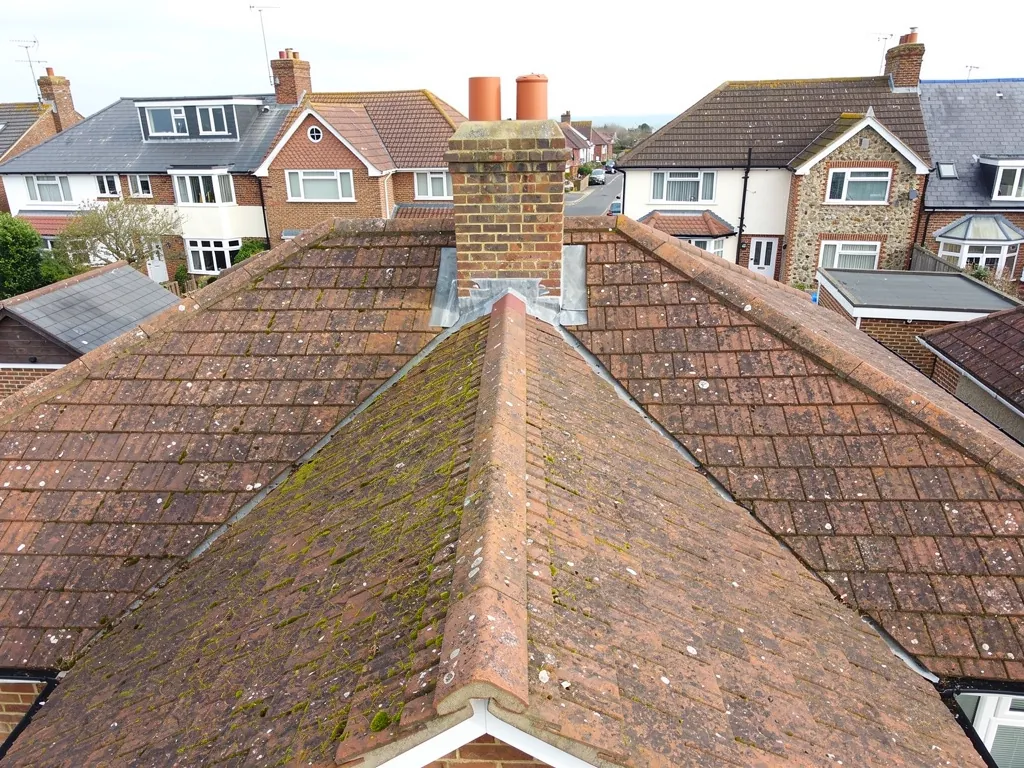
Three situations send people looking for a roof condition report. A buyer has been told the roof is "fine for now" and would like that in writing. A seller wants to head off a bargaining fight over the slates. An owner whose roof was hit by weather wants proof of how it looked before and after. The document that serves all three is the same kind of thing: dated, photographed and plain.
It is not a guarantee, a valuation or a legal opinion. It is one competent person's view of the roof as seen on a given day, with pictures to back it up. Used sensibly it can save money, win time in a negotiation and avoid arguments about what was wrong when.
Here we cover what a good report holds, how to use it in each of the three situations and what it can and cannot do. The statutory topics are touched only lightly, because the right answer depends on your policy, your lender and your property. The report sits within our wider material on roof inspections and surveys.
What the report is, and what it is not
People use several names for much the same thing: roof condition report, roof inspection report, roof survey. The words matter less than the content. What you want is a written document, prepared by someone who has looked at the roof closely, that says what the roof is made of, what state it is in and what, if anything, ought to be done about it.
It differs from a general homebuyer survey in depth. A surveyor looking at a whole house gives the roof a few lines, often from the ground, and may say that the loft was not accessible. A roof condition report concentrates on one part of the building and spends the time there. Our comparison of a roof survey and a homebuyer survey goes through how the two fit together.
What it cannot do
A report describes the past and the present, never the future. It can say that the covering is sound today and likely to need attention within a stated period, but it cannot promise that no slate will slip next winter. It does not set the value of the house, and it is not a structural engineer's calculation. Where something could not be seen, a good report says so, for instance a loft that was boarded over or a flat roof under a layer of gravel.
It should also keep apart two things that are easily blurred: what is wrong and what it would cost to fix. Pricing comes afterwards, by a written price with a single bottom line. A report that quietly mixes a diagnosis with a sales pitch should be read with care.
What belongs inside a useful report
Start with the basics: the address, the date, the weather, who inspected and how. Did they go onto the roof, work from ladders, use a drone or stay at ground level and in the loft? Each method sees different things, and the reader needs to know which was used. A report that does not say how the inspection was made is hard to rely on.
Next comes a description of the roof as found: covering, approximate age if it can be judged, the ridge and hips, the valleys, the verges, the abutments against walls, the chimneys, the gutters and roofline, and any rooflights or flat sections. Each is graded, whether in words or a simple scale, and each carries at least one photograph tied to its place on the roof.
The loft and the verdict
The loft deserves its own section. The inspector looks for daylight, damp, old staining, the state of the timbers and the underlay, signs of condensation, and anything that has been done to the underside of the covering. Spray foam is one example, and the RICS consumer guide of March 2023 notes that its presence is a factor in a surveyor's opinion of value, so the report should record it.
Finally, the report gives a plain verdict. It should say whether the roof needs repair, can be patched to see it through for now, or ought to be replaced, and it should give a reason for each part. Items are best ranked by urgency, so that a missing ridge tile is separated from a tired fascia board. Photographs and a ranked list are what turn a document into something you can act on.
Using a report when you are buying
For a buyer the report is a negotiating tool and a safety net. A roof is among the most expensive parts of a house to put right, and a tired covering can add thousands to what a purchase really costs. Checkatrade gives a UK average of around £8,000 for replacing a roof, with most between £4,000 and £19,000. Knowing before exchange, rather than after, lets you ask for a lower price, a repair before completion or a period of time to get quotes.
Ask the right questions of the roof. How old is it, and what does that mean for its likely remaining life? Is there evidence of past leaks? Has anyone patched it in a hurry? Are there signs of work done without paperwork, such as a loft converted or a conservatory given a solid roof? The Planning Portal's FAQ says fitting a new conservatory roof means complying with the Building Regulations, so a solid roof fitted without a certificate is worth raising with the seller's solicitor.
Spray foam, asbestos and lenders
Two older issues come up on resale. the HSE says a building put up or refurbished before 2000 should be treated as containing asbestos, so a report on a garage or outbuilding with corrugated sheeting should flag that and recommend testing rather than guessing. And spray foam applied under the roof covering can complicate a sale: a lender survey reported in November 2024 found some turning such homes down outright and others weighing each on its merits. The RICS guide advises checking with your mortgage provider.
Neither point means a house should be dropped. They mean the question should be asked early and the answer written down.
Using a report when you are selling
A seller meets the opposite problem. Buyers' surveyors are cautious, and a vague line about "roof coverings nearing the end of their life" can lead to a price reduction far bigger than the work needs. A report you commissioned before listing replaces that vagueness with facts. If it shows a sound roof with one repair outstanding, you can fix the repair, hand over the photographs and take the roof out of the negotiation.
It also shows you your options. Sometimes the answer is to do nothing, because the roof has years left. Sometimes a small repair removes the one item a buyer's surveyor would have raised. Occasionally the roof really does need renewing, and then it is far better to know that on your own timetable than in the final week of a sale. Our habit is to name the leanest job that cures the problem, and sometimes that means leaving a sound roof alone.
Presenting it well
Hand over the whole report, not an edited summary. Include the date, because a report is a snapshot and a buyer will want to know it has not been overtaken by a storm. If repairs followed, keep the quote or invoice with it and add photographs of the finished work. A folder of paperwork like that reassures a buyer more than any estate agent's description. Our guide to inspecting the roof before selling covers the timing in more depth.
If any work involved the structure, such as a chimney breast taken out, mention it: the Planning Portal says Building Regulations approval will always apply to removing one, and a buyer's solicitor may ask for the paperwork.
Using a report with an insurer
Home insurance is where a report is most often misunderstood. It is not a claim, and it does not make an insurer pay. What it provides is evidence, and evidence matters because insurance turns on the cause of damage. A Which? article dated 20 November 2025 lists a roof in poor repair under wear and tear, which falls outside the cover most policies give for storms. If a policy covers storm damage and a gale takes off a ridge, a dated report that shows the roof in good order beforehand gives your account a firm footing.
The same report is useful after an event. Photographs taken before and after make the change obvious, and a written description from someone who has been on the roof helps when you describe the damage. The first call after a storm should still be to your insurer. Make the roof safe, keep every receipt for any temporary repair and photograph the damage, as both Which? and the Institution of Structural Engineers advise.
What a report cannot do for a claim
We do not handle claims, and a report from a roofer does not settle one. The insurer decides, using its own assessor if it wishes, and the cover depends on the policy wording. Where you disagree with the outcome, Which? suggests complaining to the insurer, then taking it to the Financial Ombudsman Service, which costs nothing to use. Our page on a roof inspection for an insurance claim goes into the process and the evidence worth gathering.
Treat the report as groundwork. It shows what the roof was like, and nothing in it promises that any claim will succeed.
What it costs and how to commission one
Checkatrade, in a table updated September 2026, puts most roof surveys at £300 to £500, with an average of £375, plus VAT. The spread exists because the work varies: a small bungalow with easy access sits at one end, and a large house with several roofs, a flat section and a chimney stack sits at the other. A report written to a high standard, with graded findings and a full photographic record, takes longer than a short note, and the price reflects that.
Before you pay, ask five things. What will be inspected, and by what method? Will the loft be entered? Will the photographs be labelled and included in full? Who writes the verdict, and what experience do they have of roofs like yours? And is the report independent of any work that might follow? A firm that offers to repair the roof and also reports on it has a conflict of interest, and the sensible answer is to be open about it. Ours is to name the smallest job that fixes the fault, and to include photographs so that you can see the reason yourself.
A quote after the report
If work is recommended, expect the quote in writing, ending in one total. Laying it beside others, ask each firm whether VAT and scaffold are in the figure.
Keep the report in a safe place with the date clearly visible. Roofs change, particularly after bad weather, so treat it as a record of one moment and ask for a fresh look when circumstances change.
Questions
Roof report questions
Will a mortgage lender accept a roof condition report?
That is up to the lender and the valuer, not the roofer. A report with labelled photographs and a plain verdict gives the valuer something solid to look at, but it does not oblige anyone to lend. If spray foam or another unusual feature is involved, ask the lender directly before you rely on any document.
How long does a roof condition report stay useful?
It describes one day. If the roof has been left alone since, it stays a reasonable record for a good while, but a storm, new building work next door or a fresh leak changes things at once. Buyers and insurers will often want a recent date, so commission a new look if the old report has been overtaken.
Can I use a report I commissioned myself in a dispute with a neighbour or contractor?
It can serve as supporting evidence, particularly when it carries dated photographs and the author's name. What it proves depends on the facts, and a dispute over cost or responsibility may need independent advice. Citizens Advice and your insurer's legal helpline, where the policy includes one, are sensible first calls.