
Stone roof costs · 9 min read
Why Horsham stone roofs cost more, and what drives the price
A Horsham stone roof costs more to work on than most coverings, and no two price alike. This guide sets out the one national figure there is and the things that move a stone roof price.
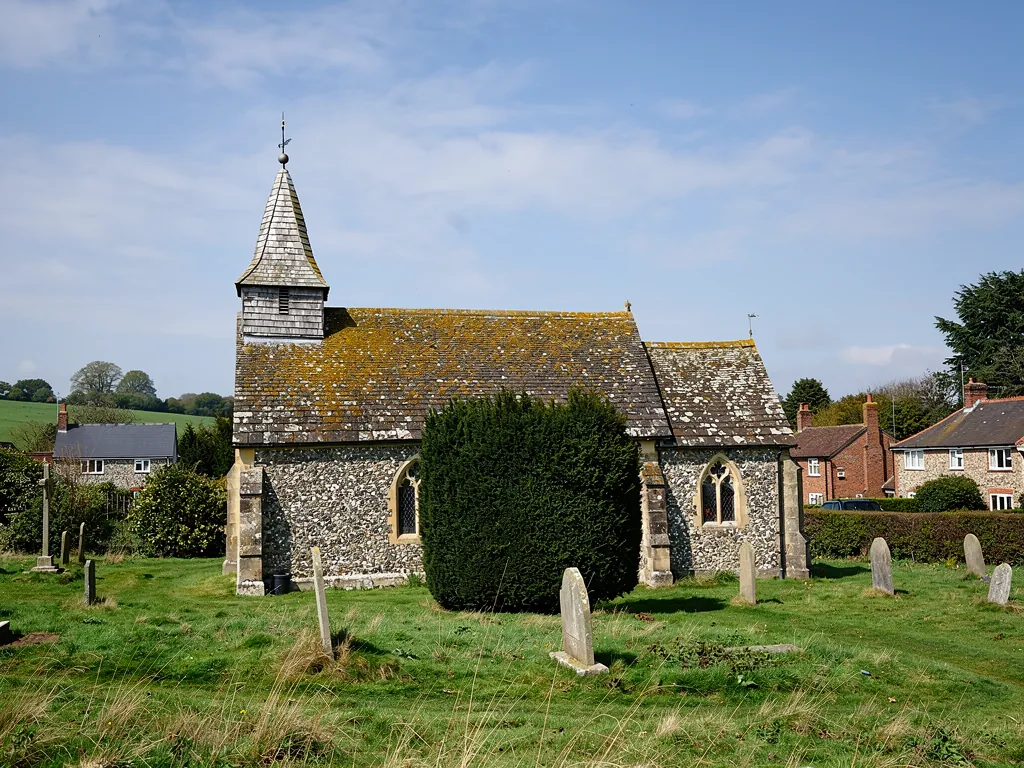
People ask what a stone roof costs and expect a number per square metre. There is one, and we give it below, but it is a starting point at best. A Horsham stone roof is a mix of old timber, hand-graded stone, awkward access and, quite often, a building with rules attached. Every one of those moves the price in a direction a national average cannot see.
The reasons stone costs more are practical rather than mysterious. The covering is heavy, so more people and more care go into handling it. The slabs are sorted by size and reused where they are sound, which takes time that a tile roof never needs. The timbers underneath are often older than anyone living, and what the survey finds in them can change the job.
Every figure below is taken from a named national cost guide and dated, so read each as a typical UK range and never as a price for your own roof. What follows explains the pieces of a stone roof price so that a written quote makes sense when it arrives. For the work itself, see our Horsham stone roofing page.
One national figure for stone slate, and its limits
Checkatrade's slate roof guide is the only national source in front of us that prices stone slate separately. Its stone slate line repeats its natural slate figure of £160 to £210 per m², so it is not a Horsham stone price, and it says the final figure depends on where the stone comes from, whether it is new or reclaimed, and where you live. It is a useful marker, but read it as a midpoint for the national market and nothing beyond that. Lifespan belongs in the sum as well. Checkatrade's slate guide reckons a well-kept stone roof can see out a century or more, so a larger outlay is spread across a very long life.
For comparison, Checkatrade's repair table, last updated in June 2026, gives natural slate repairs at £150 to £220 per m², and says its figures exclude VAT, which has to be added. Its slate guide lists further items that a new roof can bring: scaffold hire, complex or extra-large roofs, removal of the old covering, parking and travel, and skip hire. All of those apply to stone, and several of them weigh more heavily on a heavy roof.
Why a per-metre price only goes so far
A price per square metre assumes a plain slope, an ordinary house and easy access. A farmhouse roof with a long run of hips, two valleys and a chimney at each end is nothing like that, and neither is a cottage down a lane too narrow for a delivery lorry. The number also says nothing about what lies under the stone. If the battens are sound, the job is mostly about the slabs. If they are rotten, the timber becomes a large share of the work.
None of this means a stone roof is out of reach. It means the honest answer to a cost question is a verdict after a survey, followed by one written price. That is how we work, and our costs page shows the wider picture for other roofing jobs.
Hand-sorted stone and the labour behind it
Labour is the largest part of a stone roof bill, and it works differently from tile. Checkatrade puts roofers at about £280 to £360 a day, and gives slate roofers the same figure. On stone the days are simply more numerous. A tile roof is laid from pallets of near-identical pieces. A stone roof is laid from a stack of slabs that all differ, and every one must be chosen for its place in the course.
Before a single slab goes back, the stone is sorted by size and sound pieces are set aside for each row. Cracked and flaking slabs are put to one side. The roofer then builds the courses from the largest at the eaves to the smallest at the ridge, checking the lap as they go. That sorting and selecting is slow, skilled work, and it is the reason stone is quoted by someone who has seen the roof, not off a price list.
New, reclaimed or reused stone
Where the stone comes from is the next big variable. A roof that can be re-laid with most of its own slabs needs few replacements, and the stone that is added can be new or reclaimed. Reclaimed slabs from a demolished barn or a stripped roof are in short supply, they vary in size, and a matching run takes time to find. Our guide to reclaimed Horsham stone goes through the choice. New stone can be easier to source in quantity but will look different against old slabs for some years.
Whichever route is chosen, the quote should say which it is. A price that assumes the roof can be re-laid with its own stone is not the same as one that assumes a third of it must be replaced, and the survey is what tells those two cases apart.
Timbers, weight and what lies underneath
The timbers beneath a stone covering have carried a great weight for generations. Rafters, battens and the wall plates they sit on are part of the job, even though you never see them from the road. If water has been running in at a failed peg for years, a batten may have softened or a rafter foot may have rotted, and that repair has to be done before the stone goes back. It also has to be done to a standard that will carry the stone for another long stretch.
This is why a survey includes the loft. From inside, we check the roof's underside for daylight, staining and soft timber, and the camera records each fault. The cost of timber work is the one item that nobody can fix in advance, and a fair quote says so. They give one total after the survey, based on what is visible, and they say what happens if the opening-up reveals more.
Swapping to a lighter covering
People sometimes ask whether a switch to a lighter material would cost less. It can change the sum, but it may also change the permission needed. The Planning Portal also notes that a covering that leaves the roof 15 per cent or more heavier brings building control into the job, and that a structural check is wise before the change is made. For a protected building, a change of material is also a change of appearance, which is a consent matter. Our guide to the weight of a Horsham stone roof looks at the structure in more depth.
A cheaper-looking route is not always cheaper once permission, structural advice and a different covering have all been paid for.
Scaffold, access and consent
A heavy roof needs a safe working platform, and scaffold is often the biggest single item after the stone and the labour. Checkatrade's scaffolding table, last updated in October 2026, starts at £800 a month for a terrace and £875 for a semi, rising to £1,200 for a detached property, and scaffolding for a chimney runs about £660 a week. Its replacement guide puts setting up, hiring and striking scaffold for a re-roof at £700 to £1,300. A long, high farmhouse or barn roof can sit above those figures, and our page on scaffolding for a stone roof goes into the detail.
If scaffolding must stand over the pavement or road, section 169 of the Highways Act 1980 makes a licence from the road's highway authority a requirement, which needs notice. West Sussex County Council wants 10 working days' notice and charges £266 for a month. On a narrow lane, build both the wait and the fee into your plans.
Consent as a cost
Stone roofs are often on old buildings, and old buildings often have rules attached. A listed house or a property inside a conservation area may need the council's agreement before the covering is touched, even for work that looks like repair. Listed building consent, conservation area controls or a pre-application chat with the council's conservation officer all take time, and time on a heritage job is money. Our page on stone roofs in a conservation area covers what to ask. If a consent application is needed, build its timetable into your plans before you fix a start date, because a scaffold standing idle is an expensive way to wait. Ask the council's planning team early, tell your roofer what they say, and keep the correspondence with the quote so everybody is working to the same instructions.
Reading a quote for a stone roof
When the written quote arrives, check what it assumes. Most roofing work carries VAT at 20 per cent, so ask whether the total you are given already includes it. Ask whether scaffolding is included, and whether the licence for it is. Ask how much of the existing stone the roofer expects to reuse, and what happens to the price if the battens prove worse than expected once the stone is off.
Ask also about disposal and clear-up, and about who is responsible for protecting the garden, the drive and any outbuildings while heavy stone is being moved about. Waste leaves with the roofer on our jobs, and a good quote says the same. Ask for the stone that is not reused to be accounted for, because reclaimed slabs have a value of their own.
A cheaper-looking price that leaves out scaffold, VAT or timber work is only cheaper until the extras arrive.
When a paid survey makes sense
Checkatrade puts a paid roof survey at £300 to £500 and a drone survey near £210, plus VAT. On a stone roof that may be worth doing independently if you are buying the house, if you need a record for a lender or a conservation officer, or if you simply want a second view before committing to a major job. Our own survey comes with the quote and the photographs that go with it.
Pricing here is good and fair, and what you receive is a verdict, the photographs behind it and a single written total. If the verdict is repair, we say repair, even when a re-lay would be the bigger job. For the decision itself, see our guide to repairing, re-laying or replacing a stone roof.
Questions
Stone roof price queries
Is the slate roof price a fair guide for a Horsham stone roof?
Only loosely. Checkatrade's £160 to £210 per m² for stone slate matches its natural slate rate rather than pricing Horsham slabs, and the guide says the figure moves with the source of the stone and whether it is new or reclaimed. It does not capture timber repairs, access or a long run of hips and valleys, so your written quote after the survey is the figure to rely on.
Does reusing my own stone make a roof cheaper?
Often it reduces the stone you must buy, but it does not remove labour. Reused slabs still have to be lifted, sorted by size, checked for cracks and laid back in courses. If most of the stone is sound, re-laying can cost less than replacing the covering, but the condition of the battens and rafters decides how much less.
Why do stone roofs take so long to quote?
Because the price depends on things that only show up when someone looks. We need the loft timbers, every slope, the chimneys and valleys, and whether it carries a listing or lies inside a conservation area. Photographs and a visit let us give one total price that holds, rather than a guess that changes later.