
Lead theft · 10 min read
Lead theft from roofs: prevention and what to do next
Lead is valuable as scrap, and a roof with exposed flashings is easy to strip. Here is how to make yours a harder target, and the order to work in if lead has gone missing.
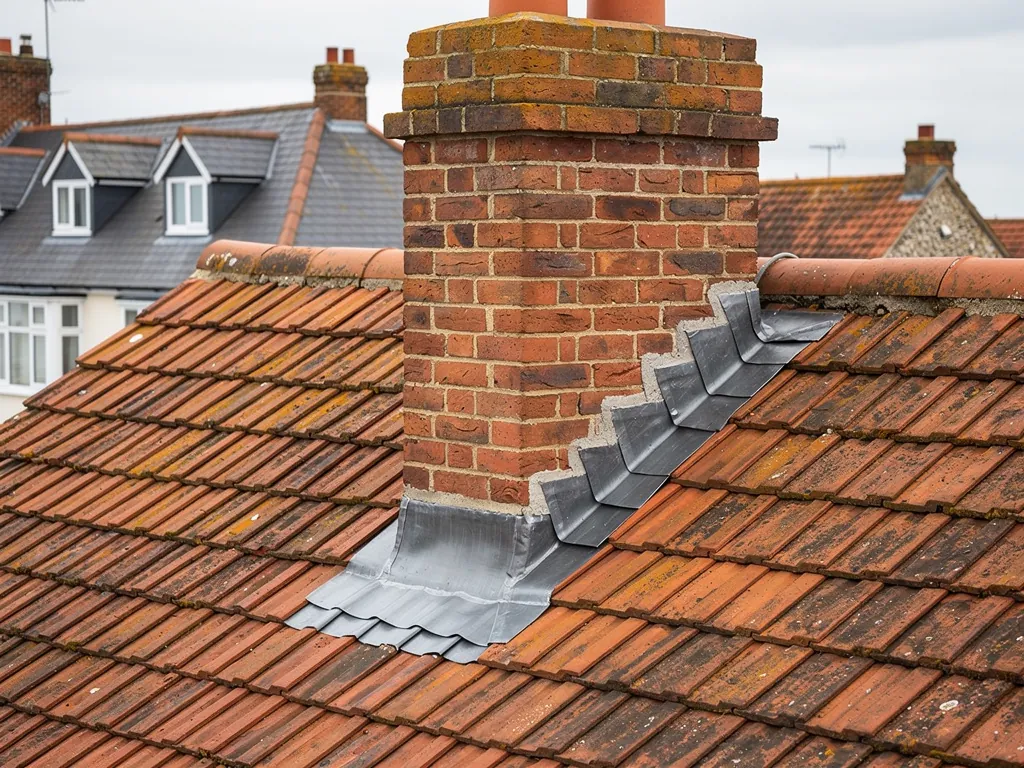
Lead theft often comes to light through the damp. A flashing goes one night, the next heavy rain gets in behind the chimney or along an extension wall, and a brown ring spreads across a ceiling. By then the thieves are long gone and the water is the part you have to deal with.
Lead is taken because it is heavy, soft and worth money as scrap. It is also easy to reach on many houses. Flashings run along the edges of extensions and bay windows, back gutters sit behind chimneys, and the small flat roofs over garages and single-storey extensions sit close to the ground. Empty buildings, holiday lets and commercial units with little foot traffic are easy to strip unnoticed.
This guide covers the practical side. It looks at how thieves get up, what makes a roof less attractive, the signs to look for and the order in which to do things once you know lead is missing. It also covers what a repair involves, and what to expect from an insurer. None of it needs you to climb anywhere. The roof is for a roofer, and a ladder on a wet night is no place for anyone else.
Where lead goes and how thieves reach it
Thieves go for the lead that is easiest to reach and easiest to carry. On a house that usually means the long runs: the flashing along an extension where it meets the main wall, the apron or the tray over a bay window, the lead lining of a back gutter, and the covering of a small flat roof. Chimneys come into it too, as the flashing round a stack is a good-sized piece of lead on a part of the roof that the ground-level eye does not check.
Getting up there does not take much. A garden wall, a shed, a garage roof or a wheelie bin pushed against the wall will do. A drainpipe, a porch roof and a loose ladder left in the garden are just as useful. Once a thief is on a low roof, a single-storey extension gives them a stepping stone to the main roof. This is why a bungalow or a chalet with a flat-roofed extension is not as safe as it looks from the road.
Sheet lead and what it is worth
New lead is sold by code, which is a thickness, and the heavier codes carry more metal per square metre. Royston Lead's brochure lists code 4 at 20.41 kg per square metre and code 6 at 30.05. A flashing run of several metres in a heavier code therefore adds up to something worth carrying, and a thief with a van and ten quiet minutes can clear a lot.
The people who take lead tend to check which roofs are quiet. A house with an empty neighbour, a building waiting for a sale or a block with a flat roof hidden by a parapet can be watched for days. The advice that follows is about making your roof less obvious and less convenient, not about turning it into a fortress.
Making the roof a harder target
No measure stops a determined thief, but several together make a roof a worse choice than the next one along. Start with access, because it costs least to change.
Take away the steps
Walk round the outside and look at the house as a climber would. Anything that lets someone get from the ground to a low roof is a step: bins, tables, stacked crates, a ladder in the garden, a water butt next to a downpipe. Move them, or lock the ladder away. Trim climbing plants that have grown stout enough to take weight, and ask your roofer whether a plastic drainpipe near a flat roof could be swapped or protected.
Light, sight and neighbours
A roof thieves can work on in the dark without being seen is the one they pick. A light on a motion sensor aimed at the rear of the building helps, as do cameras with a clear view of the garden side. On an empty or part-used property, ask a neighbour to watch and tell them how to reach you. People who notice a van at the back of an empty house at a strange hour are often the first to raise the alarm.
Marking and the roof itself
Forensic marking liquids make stolen metal traceable, and a warning sign that the lead is marked deters some thieves. Ask your insurer which measures it expects, because some policies set security conditions. Where a particular flashing has been stolen once, a roofer can sometimes suggest a different material for that detail. Our guide to lead flashing alternatives looks at what else can be used, and the answer on lead against zinc compares two metals head to head. On a listed building, changing the material is a question for the council first, not the roofer.
Spotting that lead has been stolen
Sometimes the evidence is plain: you look up and the grey strip along the edge of the extension has gone, or a pile of offcuts lies in the flowerbed. More often it is subtler, and it comes with the weather.
Clues from inside and out
A new damp patch after heavy rain, in a spot that has always been dry, is the commonest. It tends to appear near a chimney breast, along an outside wall or under a flat roof. Loose tiles, a section of bare roofing felt, torn timber battens or lead rolled back on itself are signs from outside. Loose pieces on the ground and scuffs on a garage or porch roof tell you someone has been up there.
You can check from the ground. Stand back, look along the roof from each side with binoculars if you have them, and photograph anything unusual. Check the loft or the room beneath a flat roof for wet insulation, dripping or fresh stains. If you find a stain, photograph it with a note of the date.
Why it matters to act on small signs
Lead that has been partly taken is a worry beyond the loss. The remaining metal may be lifted, folded or left hanging, and wind can get under it and rip it away. Missing flashings leave the wall joint open, so water runs down inside the wall or into the roof timbers without much sign for weeks. A small, early repair is a modest job. A long-running leak can soak insulation, rot a plate or batten and stain several ceilings.
Keep your feet on the ground. A roof with lead missing can have loose tiles and rotten timber that give way underfoot, and the ladder or the roof edge is where accidents happen. Report what you see to your roofer and let them climb with the right access.
The first hours after a theft
The order in which you do things matters, because each step supports the next. This is the sequence that works whether the roof is a house, a flat or a small commercial unit.
- Safety. If there is a hole, a lifted sheet or loose material overhead, keep people away from that part of the building. If water is entering near a light fitting or a socket, turn off the circuit at the consumer unit.
- The police. Report the theft and ask for a crime reference number. Your insurer will want it.
- The insurer. Ring your insurer early; Which? notes that insurers run emergency helplines. Ask what the policy needs from you and whether they want their own repairer involved.
- Photographs. Take pictures from the ground and from inside. IStructE calls photographs vital evidence for a claim.
- Stop the water. If you arrange emergency repairs yourself, Which? says to tell your insurer and keep every receipt. Hold on to damaged pieces that are safe to keep.
A temporary repair should be quick and secure, and it should be fixed in a way that can be undone without damaging what remains. Sheeting or a patch over the open joint holds the water back until the proper repair, and we start by stopping the water, then plan the rest. A temporary cover is not a cure: tarpaulin flaps and tape peels, so it only buys time for the insurer to respond and for the right lead to be ordered. Our pages on making a roof safe and temporary repairs before the insurer agrees go through the practical side.
Insurance after lead theft
Whether the cost of replacing stolen lead is covered depends on your policy and on what happened, and nobody outside the insurer can promise an outcome. What you can do is give the claim the best footing.
Read the policy before you phone
Look for how the policy treats theft from the building, whether there is an excess, whether it sets security conditions such as locks and alarms, and whether it has time limits for reporting. Buildings cover is the part that deals with the structure, and contents cover is not the right section for a roof. Landlords, holiday-let owners and businesses should check that the policy still applies if the property was empty for a spell.
Wear and tear is the other thing to understand. Which? cites rain entering a poorly kept roof as the kind of wear and tear insurers may refuse, and sudden theft is a separate matter. A clear record of the roof's condition before the event, such as past survey photographs or a receipt for earlier lead work, helps show that the damage came from the theft.
If the insurer says no
If you get a refusal you think is wrong, raise it with the insurer in writing. The Financial Ombudsman Service sits behind that, and Which? says it is free for you. Keep every letter and email.
A roofer can help with the facts, not the claim. We write what we find on the roof, with photographs, and the repair is described in the written quote. Our answer on insurance for stolen roof lead goes further into the questions that come up, and our guide to photographing roof damage shows what a useful set of pictures looks like.
Repairing after the theft
A repair after lead theft starts with a survey of what is left, not with ordering new lead. The roof is checked for the obvious loss, and for what the weather did in the meantime: wet insulation, stained ceilings, damp plates and battens, lifted tiles and bent metal that will not lie flat again.
Putting lead back
New lead is cut to the shape of each flashing, apron or tray and fixed with clips and wedges, with joints and laps in the right places. The code is chosen for the detail: code 4 is the lightest listed for flashings in Royston's brochure, and code 5 and 6 are the heavier flashing codes. The chimney lead prices from MyJobQuote, updated 22 September 2026, give a patch at £150 to £250 and a full replacement at £350 to £460 without scaffolding or £700 to £920 with it, which gives a sense of how much of the cost is access.
Deciding whether to use lead again
Some owners put lead back and add the measures above. Others choose another material for the exposed parts. Lead has a good record on a roof: MyJobQuote says flashings can last for over 80 years. Where thieves have been back once, a material with no scrap value is an option worth costing. On a listed building or in a conservation area, ask the council what is acceptable before changing a visible metal.
Whichever route you choose, the verdict comes first: what can be repaired, what has to be replaced, and what can wait. The quote that follows the survey is written and carries one total. You can see the whole service on our lead roofing and leadwork page.
Questions
Lead theft questions
Should I tell the police if a roof leaks and I only suspect lead theft?
Yes. If lead may have been taken, report it and ask for a crime reference number, even when you cannot be sure. An insurer will usually want that number, and the police may be linking several thefts in the same area. Give them your photographs and the date you first noticed the damage.
Can I repair stolen lead flashing myself with tape or sealant?
A temporary cover can keep water out for a short time, but climbing to fit it is risky and the result seldom lasts. Tape and sealant on an open joint peel in wind and rain. Leave the roof to a roofer with proper access, and use the time to photograph the damage and call your insurer.
Does stolen lead have to be replaced with lead?
No, though on a listed building or in a conservation area the council may expect lead to stay, so ask before changing it. In other cases, a different metal or membrane may suit a flashing that has been taken before. The right choice depends on the detail, and a survey of the roof will show what can be used where.