
Roof inspection frequency · 9 min read
How often should a roof be inspected?
How often should a roof be inspected depends on its covering, its age and what has happened to it lately. This guide sets out a sensible rhythm and the moments that call for a closer look.
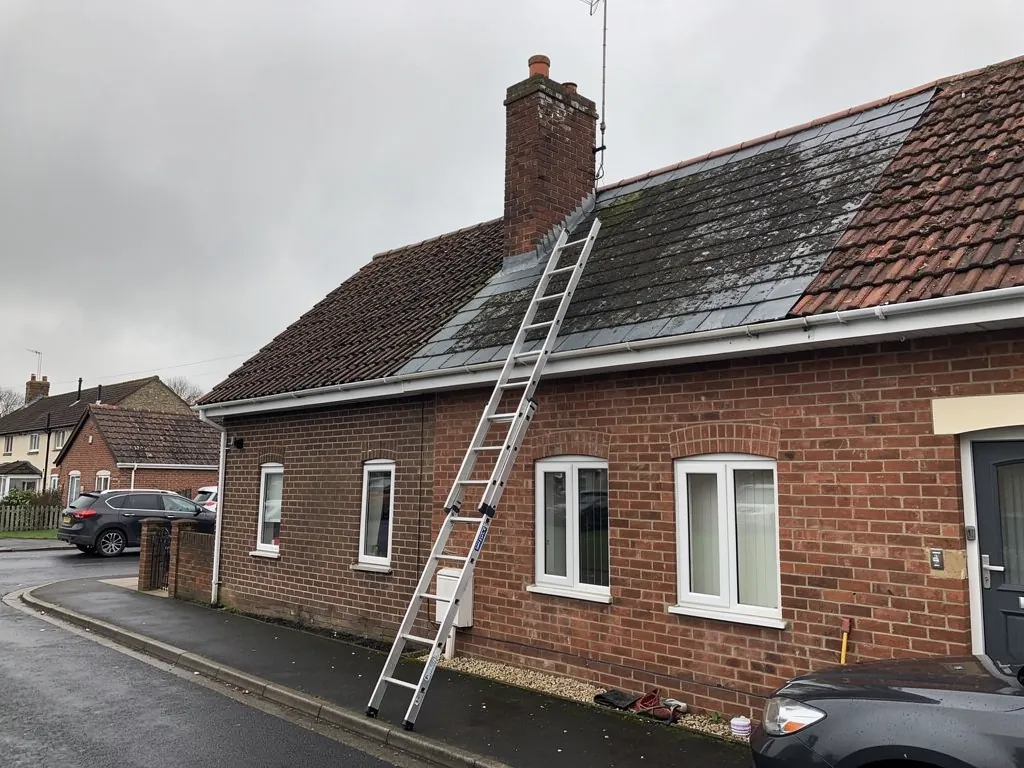
Nobody sends a reminder for the roof. The boiler gets a yearly service, the car gets its yearly test, and the thing keeping the weather out of the bedrooms gets looked at when a stain appears on the ceiling. By then water has usually been getting in for a while, and a small repair has become a larger one.
A regular look is cheap by comparison. It does not have to mean a paid survey every year, and it certainly does not mean climbing onto the slopes yourself. For most houses it means a few simple habits, a better idea of how long your type of covering usually lasts and a clear sense of the events that should trigger a closer check.
No one interval suits all roofs, so we will not pretend otherwise. What follows is a framework you can adapt, written for homes around Bognor Regis and the Sussex coast. It sits within our wider guidance on roof inspections and surveys, and it is general information, not a verdict on your own roof.
Why one fixed interval does not fit every roof
Ask three roofers how often a roof needs inspecting and you will hear three numbers. The reason is that a roof is a collection of parts with very different lives. A concrete tile may outlast the person who bought the house, while the felt under a flat extension may need attention within a couple of decades, and the sealant round a rooflight can fail well before either. A single figure across all of them would be too often for some and not nearly often enough for others.
Four things move the answer. The first is the covering: slate, clay, concrete, felt, rubber and fibreglass all age differently. The second is age, because the older a roof gets, the more it pays to look. The third is exposure. A roof near the sea takes gales and driving rain, and one under trees collects leaves, moss and falling branches. The fourth is history: a roof that has had patch repairs, a new extension abutting it or recent work by someone else has more joins that can fail.
The cost of leaving it
The money argument is simple. Which?, in a piece dated 20 November 2025, uses a neglected roof that lets rain through as an illustration of ordinary wear, a category home policies tend not to cover. A roof left alone for years can therefore cost you twice, in the damage itself and in a claim that may go nowhere. Dated photographs of regular checks are worth having whatever happens.
We do not frighten people into replacing roofs. A regular look is how a fault is caught while the fix is still small.
A rhythm that works for most households
We suggest three layers, from the lightest to the heaviest. They are our suggestion rather than a rule, and nothing in law fixes an interval for a private house.
Twice a year from the ground
Twice a year, once in spring and once before winter, circle the house slowly, looking up. A pair of binoculars helps. You are looking for slipped or missing tiles, a ridge line that has moved, gaps in the pointing at the base of the chimney, gutters sagging or full of green growth, and stains running down the wall below an eave. It takes ten minutes and costs nothing. Our guide to inspecting your own roof separates the jobs you can do from the ones you should leave.
Once a year in the loft
Once a year, on a dry day with a torch, put your head into the loft. Look for daylight where there should be none, dark patches on the timber or insulation, a musty smell and drips from nail points. A loft check finds the problems the ground view hides, because water arrives on the underside long before it shows on the ceiling. Do not step off the joists, which will not take your weight if there is no boarding.
After weather, and at set points in the roof's life
After a gale or a long spell of driving rain, repeat the ground look at once. And whenever a roof reaches a certain age or a certain event, such as buying a house, selling one, finishing building work next to it or noticing a new stain, it is time for a closer inspection by someone who can get up there. The next sections cover those moments.
What the covering and its age tell you
Lifespans are published as typical ranges, never promises, but they help you decide how closely to watch. The table shows what the sources we draw on give for common coverings and parts.
| Part of the roof | Typical published life |
|---|---|
| Concrete tile | around 60 years (Marley, not a warranty) |
| Natural slate | 100 years and more if well maintained (CORC) |
| Torch-on felt | 10 to 20 years (Less, March 2026) |
| GRP fibreglass | 25 to 40 years (Less, March 2026) |
| EPDM rubber | 20 to 30 years (GreenSpec) |
| Lead flashing | over 80 years (MyJobQuote, 22 September 2026) |
| uPVC fascias and soffits | no fixed rule (Checkatrade) |
Read the table as a prompt, not a deadline. A tile roof in good order at 40 years needs little more than the yearly habits above. A felt flat roof at 15 years deserves a closer and more frequent look, because that is where the published range starts to run out. Sources disagree for felt, with CORC giving longer figures than Less, which shows how much depends on the quality of the original work.
Parts wear out at different speeds
On a pitched roof the gutters, the roofline and the flashings usually need attention before the covering does. Fascias are the boards the gutters hang from, and soffits are the panels under the eaves. A house with a sound tiled roof and tired plastic boards is common, and checking them each year is how you spot the decline.
If you do not know the age of your roof, our guide to the autumn roof check is a good starting routine, and an inspection can usually estimate it from the covering and its fixings.
Storms, autumn and the check that cannot wait
Some checks should not wait for the calendar. After a named storm or a night of gales, look at the roof as soon as it is safe, from the ground and from windows, and check the garden for slates or ridge pieces. Our guide to a roof inspection after a storm goes through it. Sudden damage usually looks different from slow wear: a clean break, a hole where a tile was or a ridge cap on the lawn.
Autumn matters for a quieter reason. Leaves fill gutters and valleys, and the first heavy rains of the season show every weakness. Clearing the gutters and looking over the roof before winter is the single best-timed habit on this page, because the repair you make in October costs less than the one you make in January, with a bucket on the landing.
What to do if you find damage
Where a storm has done real damage, ring your insurer before anything else. Which? says to keep every receipt for emergency work you arrange yourself, and the Institution of Structural Engineers asks for photographs of the damage. Nothing promises a result: the same Which? piece reports that just 32% of storm-related claims made in 2024 ended in a payout, citing the Financial Conduct Authority.
None of this changes the underlying advice. A roof that has been looked at regularly, with dated photographs, is easier to explain to an insurer, a buyer or a roofer.
When a paid survey is worth having
Your own checks cannot replace a professional look at certain points. The clearest is a property purchase. A homebuyer's report might mention the roof in a line or two, and the roof is among the costliest parts of any house to put right. A specific roof inspection before exchange gives you photographs and a plain view on whether the covering will see out your first years of ownership. Buyers who rely on the standard report alone often have to ask for more.
Other triggers include selling, when a buyer's surveyor may raise the roof and a report in hand removes the surprise, and a roof that is old for its type. A roof that has leaked once and been patched, a house with an extension or loft conversion where new work meets old, and any building where spray foam insulation was added to the underside of the covering all deserve a closer check.
On spray foam, the RICS consumer guide of March 2023 says badly fitted foam can bring dampness. Foam on the underside of the slates also hides the timbers it covers, so a foamed roof is harder to check from the loft and a professional look counts for more.
What a survey costs
Checkatrade, in a table updated September 2026, puts a paid roof inspection at about £260 on average and a drone survey at around £210, plus VAT. That is a national spread, not your house's price. What you want back is a clear call on the roof, whether to mend it, hold it together for now or renew it, backed by photographs.
Looking safely, and when to call someone
Looking at a roof is not the same as being on it. Falls from roofs are among the more serious accidents in domestic maintenance, and old tiles, moss, wet slate and brittle sheeting all make walking on them risky. By HSE reckoning, asbestos cement sheeting on a roof is fragile in every case, and rooflights on any building can give way without warning. Do not walk on a roof you are not trained to be on, and do not lean a ladder against guttering, which will not carry the load.
You can do a great deal from the ground and from inside. Take photographs from the same positions each time, so that you can compare this year's pictures with last year's. A phone with a good zoom does a fair job. Keep them with the date in a folder, because change over time is what the pictures are for.
Signs that mean call someone now
Some signs should not wait for the next scheduled check. A stain that is spreading or reappears after drying, water dripping during rain, daylight in the loft, a sagging ridge, tiles on the ground, a chimney that leans or masonry that has moved all need a roofer to look soon. Leaks and storm damage come first on our list, and we make a leaking roof safe before planning the lasting repair.
Roofs also shelter wildlife. Wildlife law covers bats and nesting birds. Should you meet either under the tiles or in the loft, leave their way in open and tell the roofer before work begins.
A clear photograph and a short description by WhatsApp or the enquiry form is often enough for us to say whether a visit is needed.
Questions
Roof check questions
Is there a legal requirement to have my roof inspected?
For a private house, nothing in the guidance we draw on sets a required interval for roof checks. Commercial buildings and landlords may have wider duties, which is worth confirming with the right source. The sensible rhythm for a home is regular looks from the ground, a loft check each year and a professional survey at the key moments in a roof's life.
Do I need a roof survey every year?
Not usually. A yearly loft visit and two ground checks cover most of what a survey would find on a roof in reasonable order. A paid survey earns its fee when you buy or sell, after serious weather damage, when a roof is old for its type or when you have a leak you cannot trace. Ask what the report will contain before paying.
Will regular roof checks help with a home insurance claim?
They can help, though no routine settles a claim in advance. Dated photographs show the condition of the roof before a storm, and receipts show what you spent on a temporary repair. Which? notes that a badly maintained roof is treated as wear and tear, so evidence of sensible upkeep helps your case. Tell your insurer first and follow the policy terms.