
Roofers in Bedhampton
Knapped flint, slate roofs, tile hanging
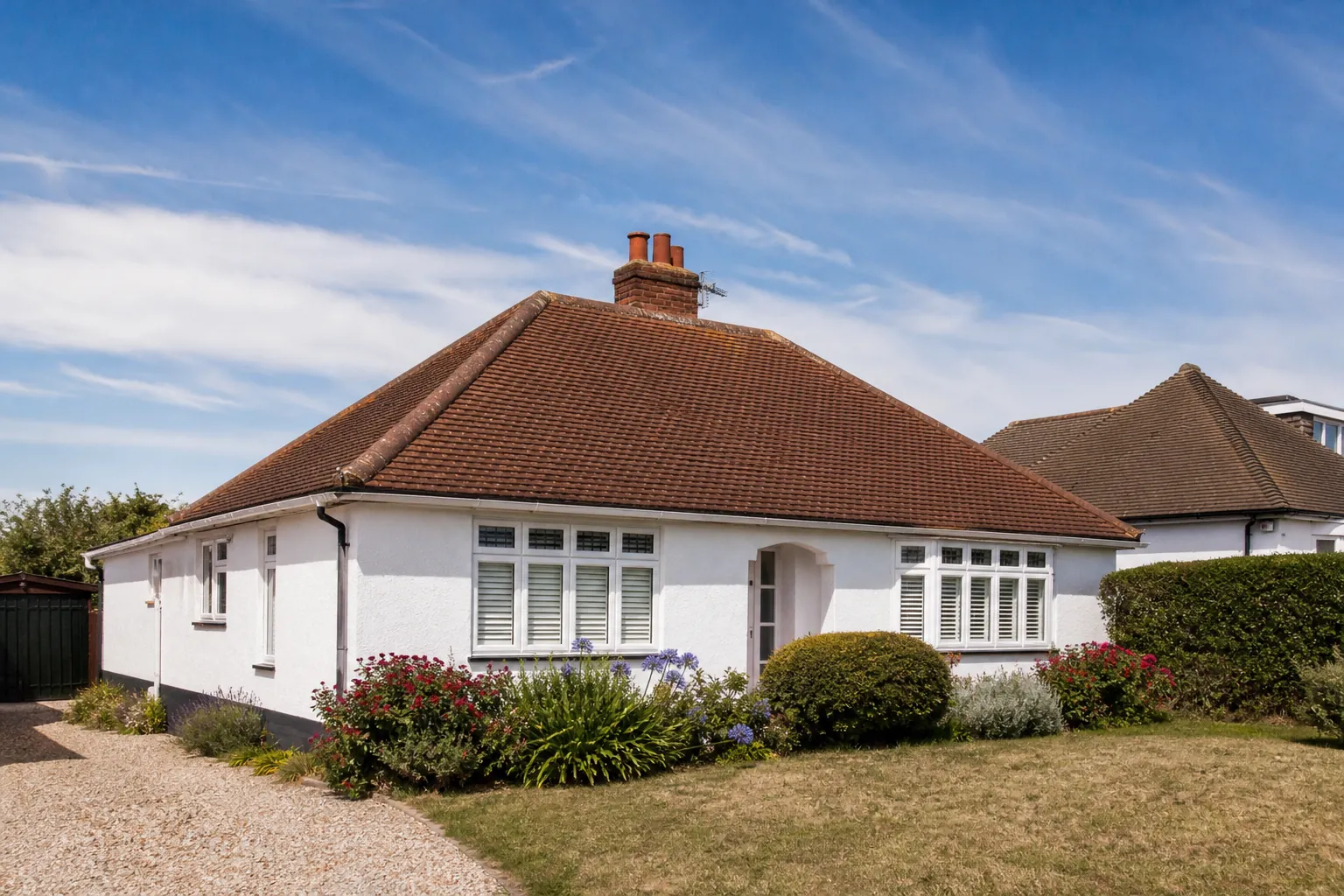
Bedhampton's old core by Langstone Harbour is built in knapped flint and blue headers, red brick, stucco and tile hanging, under slate and clay tile, with a Gothick house and a medieval church among them.
Bedhampton roofs
Flint, stucco and tile hanging near St Thomas
-
Flint with blue headers
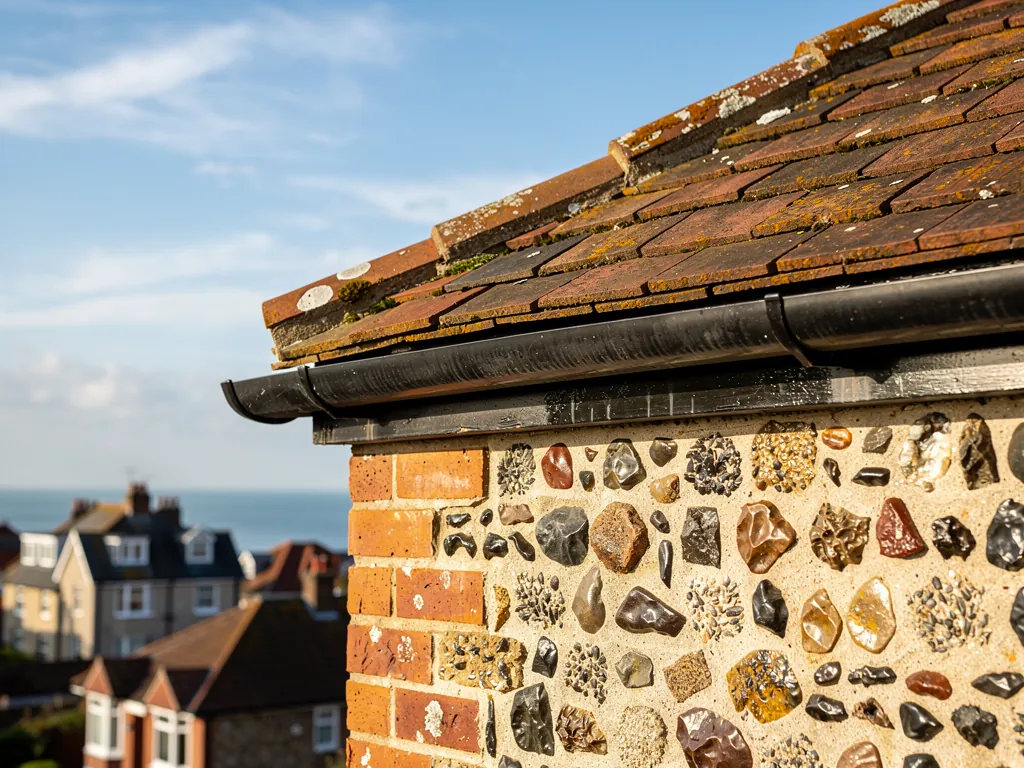
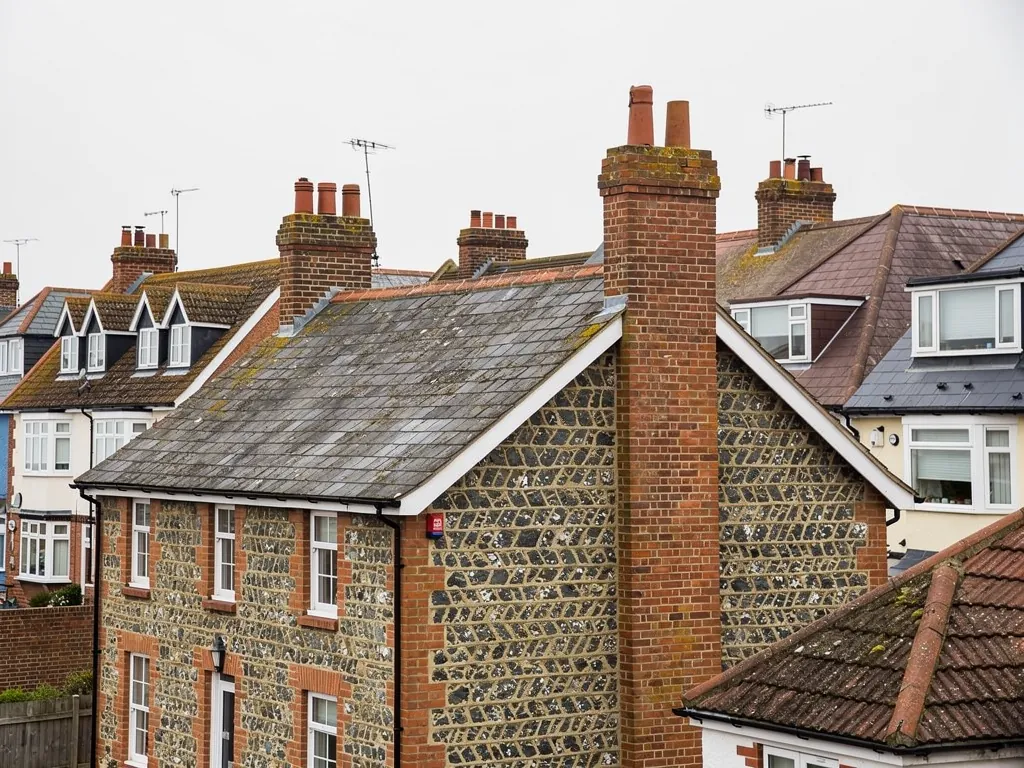
The appraisal for Old Bedhampton lists coursed knapped flints with blue vitrified headers among its traditional materials, set against slate roofs, red brick, London stocks and stucco around the older houses.
-
The Elms, Gothick and slated
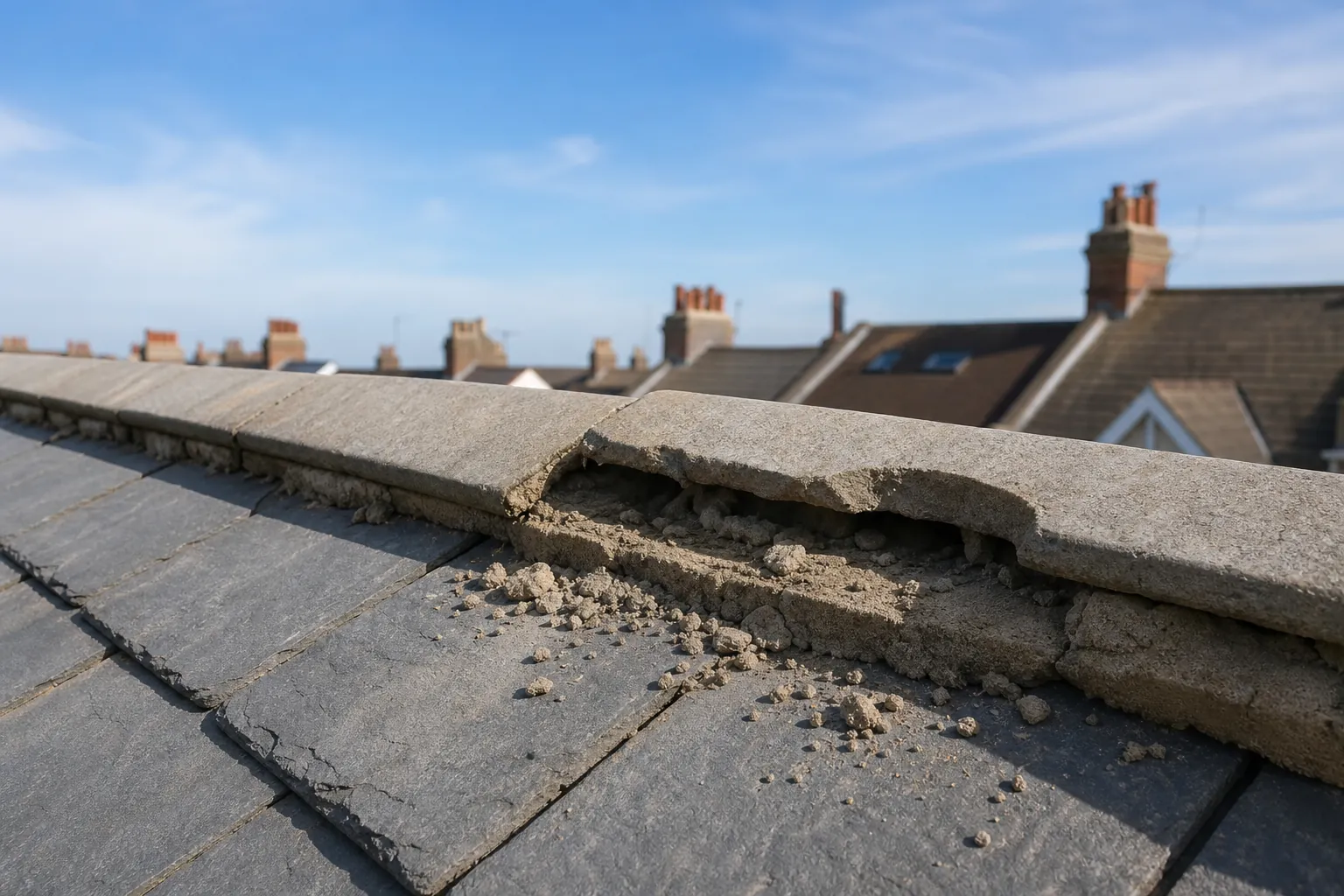
The Elms is described in its list entry as a Gothick house of stucco with a slate roof, extended in the early 19th century for a visit by the Duke of Wellington.
-
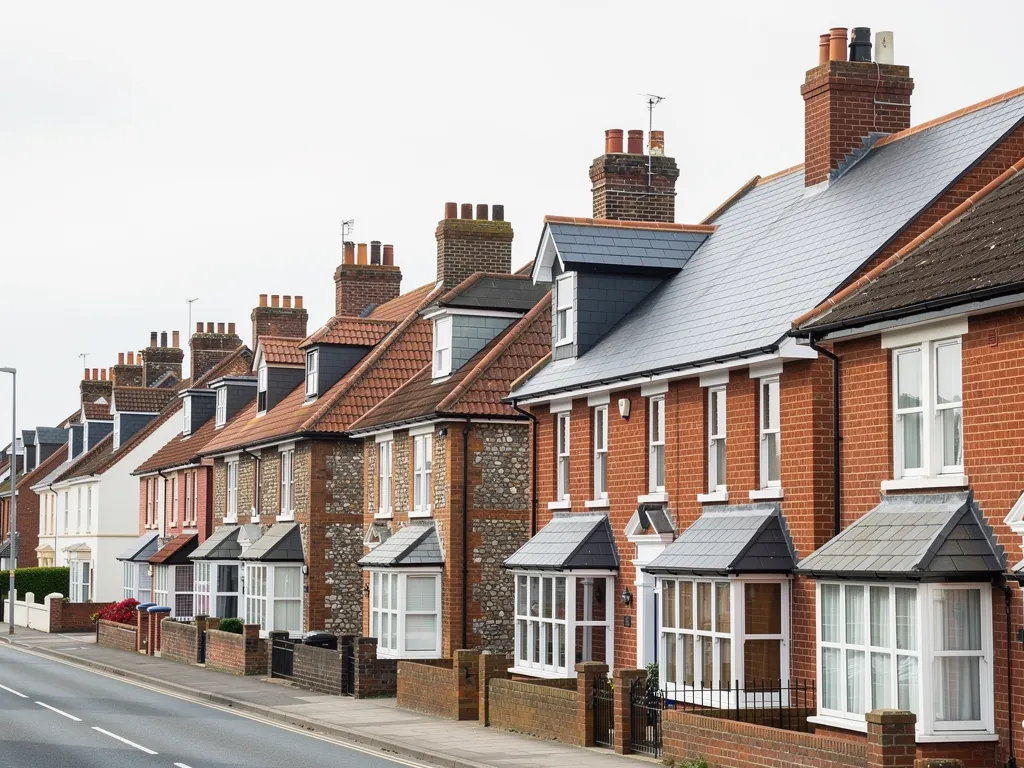
Tile hanging and red brick
Red brick and tile hanging sit beside the flint. A cluster of low houses near the church once stood apart from the inns on the Portsmouth to Havant road, across a meadow called Bedbury Mead.
Map of Bedhampton, 17.6 road miles west of Bognor Regis, with the nearest towns we also cover.
Old Bedhampton's conservation boundary
- Council
- Havant Borough Council
- County
- Hampshire County Council
- Village core
- Old Bedhampton Conservation Area, first designated in 1980
- Havant's directions
- Article 4 directions name Langstone, Homewell in Havant and Hayling Island; none covers Bedhampton
- The Elms
- Grade II*, with its front garden wall, gate piers and gates
- Distance
- 17.6 road miles west of Bognor Regis, about 25 minutes by car
Harbour head
Flint, Gothick stucco and St Thomas
Three parts of old Bedhampton, from the church cluster to The Elms and the open ground at the harbour head, and what each asks of a roof.
Chapter 1: Flint walls, slate roofs and Bedbury Mead2501
Sheet 01 / 03Bedhampton's older half is easy to picture from the records. A cluster of low houses near the church formed the original village, and a meadow called Bedbury Mead separated it from the inns and houses along the Portsmouth to Havant road. Havant Borough Council's appraisal says the Old Bedhampton Conservation Area was first designated in 1980, and it describes a palette of coursed knapped flints, blue vitrified headers and slate roofs, with red brick and tile hanging, London stocks and stucco. For a roofer that list is a set of junctions to get right, because every wall material meets the roof differently.
Before work in the 1980 boundary
- Look up the conservation area boundary
- Match slate size and colour
- Photograph flint abutments
- Ask Havant's planning team
1.1 Where slate meets knapped flint
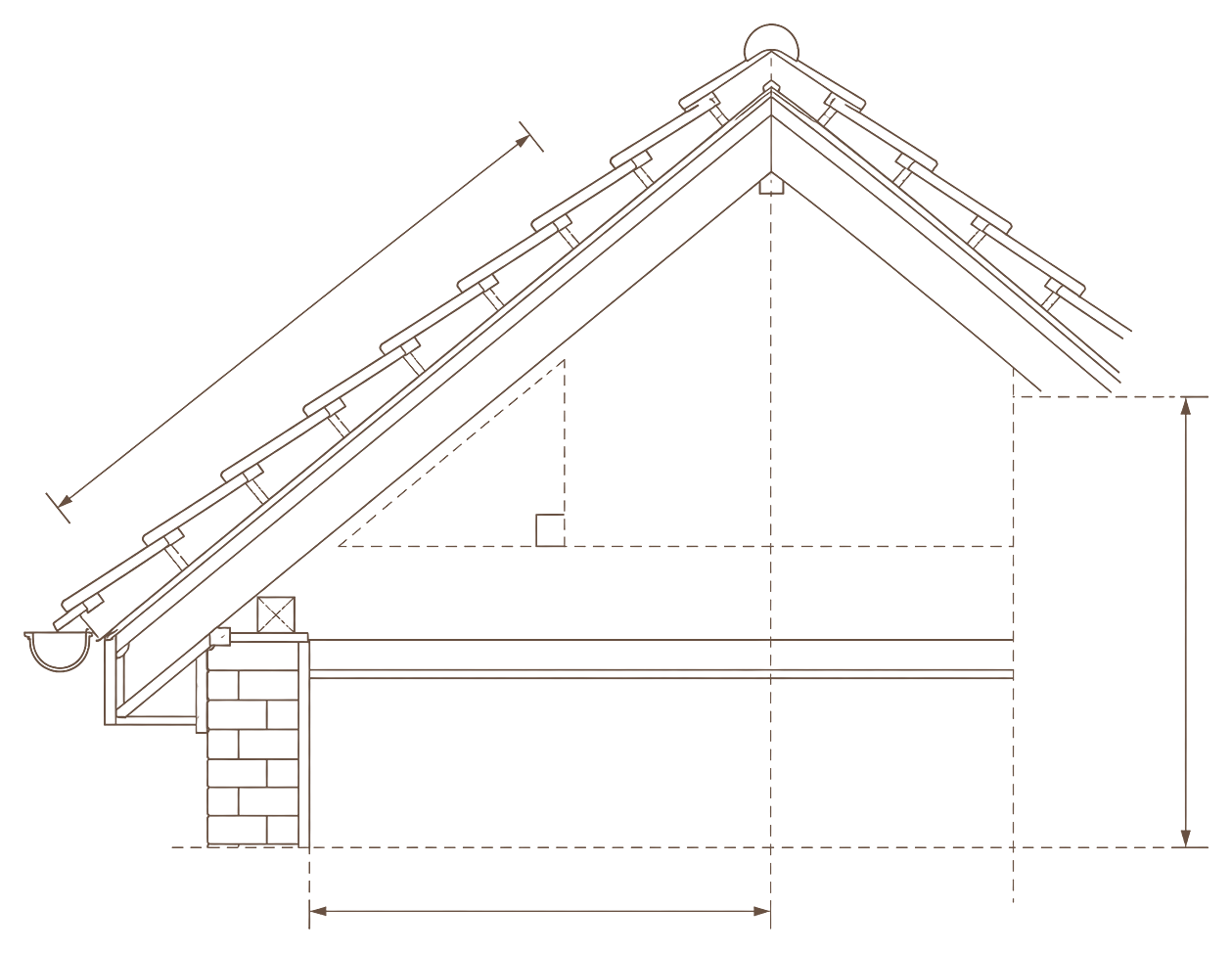
Flint is hard and irregular, so lead cannot simply be pressed against it. A flashing, the lead dressed between wall and roof so water sheds outward, has to be fitted into the joints between the courses and dressed down over the slates, and in a flint wall that takes patience. Slate itself is long-lived. CORC says well-maintained slate can last 100 years or more, so a slipped slate rarely means the whole roof is finished. Where the nail has rusted through, a tingle (a narrow metal clip that hooks under a slate) holds the slate in place without lifting the course above it. Natural slate also has a minimum pitch of 20 degrees, according to Cupa Pizarras, which is worth knowing before anyone suggests altering a slope. Our slate roofing page covers the work in detail.
1.2 Tile hanging beside a roof
Tile hanging is a skin of small clay tiles fixed vertically up a wall, and the appraisal records it alongside the red brick. Where it finishes at the eaves or meets a roof slope, the junction is a place where water can slip behind the tiles, so we look there during every survey. A crack in the render below an eaves line, or a stained patch under a hanging-tile gable, often traces back to a gutter or a flashing, not to the tiles themselves.
1.3 What the 1980 designation means for your roof
Like-for-like re-covering is not normally development, because it does not materially affect appearance, but a listed house changes the answer, and so would an Article 4 direction. Havant's own page for Article 4 directions names Langstone, Homewell in Havant and three on Hayling Island, and none covers Bedhampton. Ask Havant Borough Council's planning team before changing a material, and keep the photographs from our survey, which show what was on the roof before work began. That record helps if anyone later asks what a repair was matched to. The 1980 boundary is also why we choose slate sizes and colours deliberately, instead of reaching for whatever is in stock.
Chapter 2: The Elms and its stucco and slate2013
Sheet 02 / 03The Elms is one of Old Bedhampton's listed houses. Its list entry, quoted in the appraisal, calls it a Gothick house of stucco with a slate roof, extended in the early 19th century for a visit by the Duke of Wellington. The house is listed Grade II*, together with its front garden wall, gate piers and gates. A building like that is never priced on a quick look from the road. This is the kind of roof where the survey, the list entry and the council's view are all read before a figure goes on paper.
A Grade II* roof
On a house like The Elms we read the list entry before the roof, and match what is there rather than improve on it.
2.1 Gothick stucco under slate
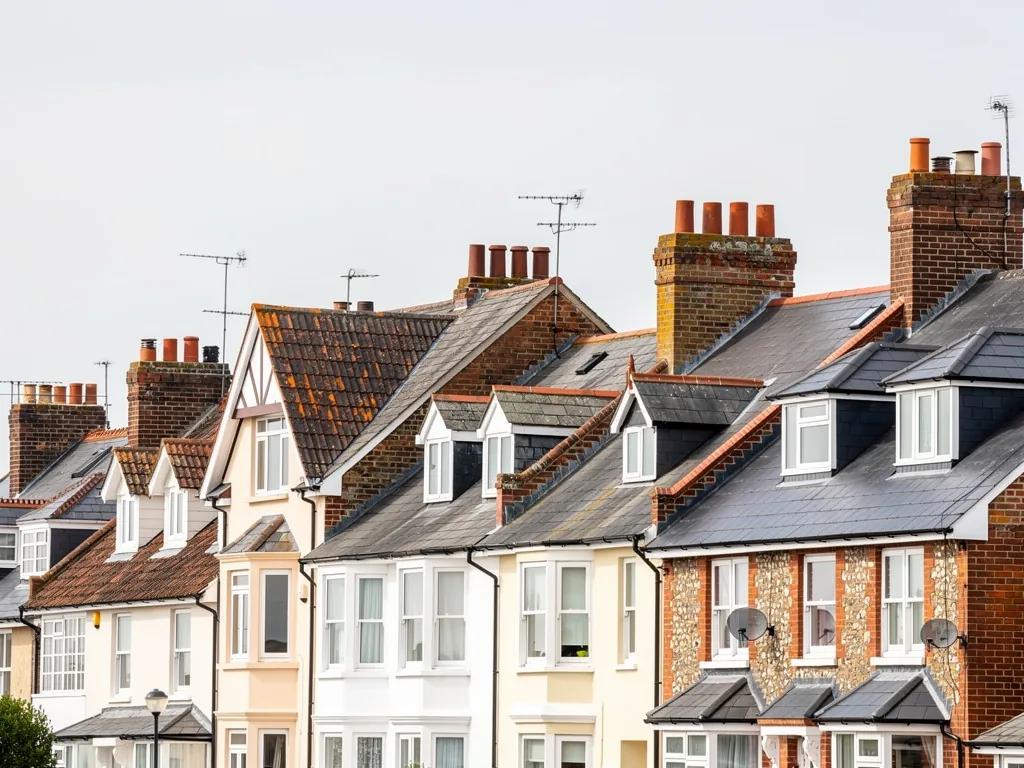
Stucco is render laid over brick, and it hides the wall behind it, so any water that gets in can travel a long way before a stain shows indoors. On a house like this the weak points are usually the abutments, the chimney bases and the slate courses beside them. A slate roof can sometimes be relaid with the sound slates put back and new ones matched in only where a slate has split, though old slates vary, and the survey tells you how many would survive the lift. That keeps the look of the roof and the age of the material, and it avoids the weight and appearance change that comes with a different covering.
2.2 Listed buildings and like-for-like
Works that would affect a listed building's character as a place of special interest need authorisation first, under section 7 of the Planning (Listed Buildings and Conservation Areas) Act 1990. A repair that matches what is there is a different category from a change of material, and the list entry is where we start. Planning officers at Havant Borough Council can confirm what a particular job needs. Building control for work that is notifiable also sits with Havant, and we explain consent at the survey so the paperwork never surprises you. Where a covering is changed for something heavier, the Planning Portal says to check with building control if the new covering adds 15 per cent or more to the weight.
2.3 Lead and chimneys on older houses
Chimney flashings on older houses are often the first lead to fail. MyJobQuote, in a guide updated on 22 September 2026, puts a lead patch at £150 to £250 and a full replacement at £350 to £460 without scaffold, or £700 to £920 with it. Those are typical UK figures, not our price, and the real number depends on access, the height of the stack and what the survey finds. Our chimney repairs page explains what we look at.
Chapter 3: St Thomas, the harbour head and the scaffold wait2989
Sheet 03 / 03The church of St Thomas gives Old Bedhampton its other fixed point. Its chancel arch, of about 1140, is the oldest dated detail the history records, and the church is listed Grade II. It sits on the coastal plain at the head of Langstone Harbour, west of Havant, which says something about the ground around it: open, flat and close to tidal water. Fixing specifications depend on geographic location and local wind exposure, and the right answer is always site-specific. So each house is read on its own, and we look hard at verges, ridges and the edges of flat roofs, the places weather works on first. Sea weather here means gales and driving rain, and an old roof that has stood through many of them still deserves an honest look at its fixings.
A Bedhampton roof job, in order
- 1SurveyWe photograph the roof, the flint abutments and any lead around the stacks.
- 2ConsentWe check the list entry and the planning position with Havant Borough Council.
- 3ScaffoldPer Hampshire County Council, the scaffold firm files the licence, and we plan around the ten-day wait.
- 4WorkThe roof is repaired or relaid, then the site is cleared and waste is taken away.
3.1 A parish church roof
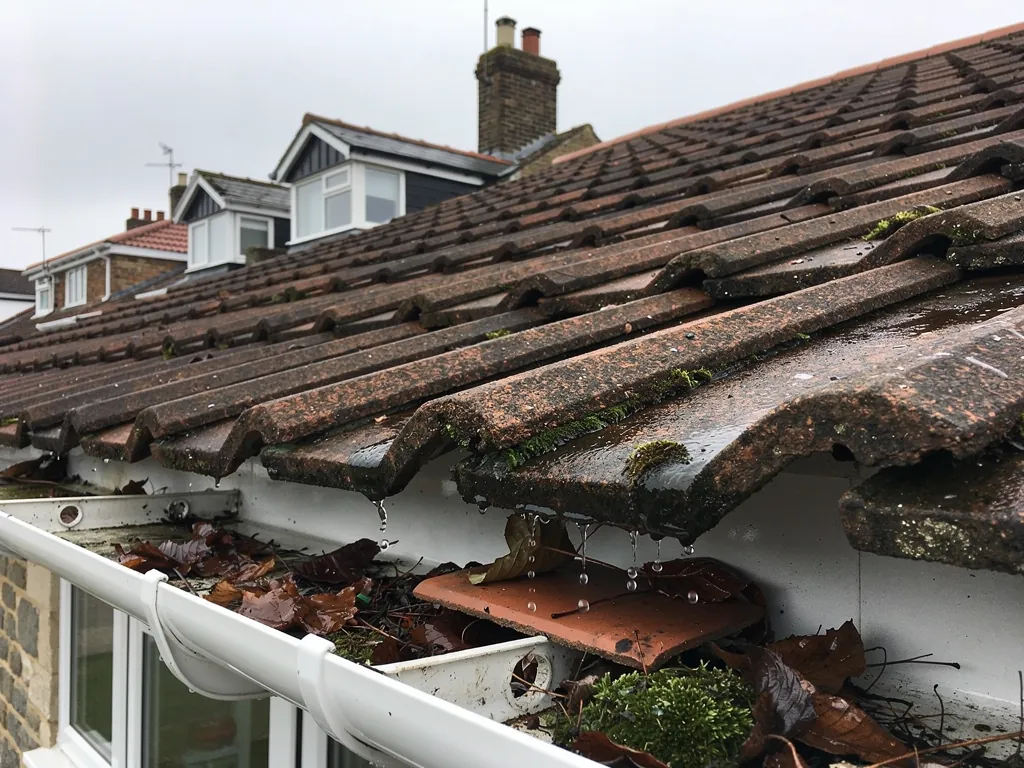
St Thomas is a Church of England parish church in use, so the ecclesiastical exemption applies. Works go through the faculty jurisdiction rather than listed building consent, though planning permission is still needed for development that affects the exterior. For any church or chapel nearby, we ask which denomination and which route before we price. Bats and nesting birds are protected too, and churches and old roof spaces are places they favour, so we check before disturbing a roof void or the eaves.
3.2 A Hampshire scaffold licence
Bedhampton is in Hampshire, so the highway authority is Hampshire County Council. It wants ten clear working days to pass between application and start, charges £211.90 for the first two weeks and £72 for each further two, and offers no extensions. Hampshire County Council's page says the scaffold firm applies for its customers, so your scaffolder files the licence, and we build the wait into the plan from the first visit. The licence is needed under section 169 of the Highways Act 1980 whenever scaffold obstructs the highway, and the fee is a cost the written quote has to account for. It is worth checking that any other quote you hold includes scaffolding and VAT.
3.3 What the survey leaves you with
After a visit you receive pictures taken on your own roof and a plain verdict, then a single total price in writing. If a patch will do, that is what we recommend. If the covering is worn out, the photographs show you why. What moves the price is access, how big the roof is, the covering chosen and what the survey uncovers once the old slates or tiles are lifted. The written quote follows the survey, so there is no figure to react to before we have seen the roof.
Roof work for Old Bedhampton's flint and slate
Frequently asked questions
Questions from Bedbury Mead to St Thomas
Can a slate roof beside a knapped flint wall be repaired rather than renewed?
Usually, when the slates themselves are sound and only the fixings have failed. A cracked or slipped slate can be swapped for a matching one, with a tingle holding it, while the lead along the flint wall is renewed separately and the main covering stays where it is. Where the timber battens under a whole slope have rotted, taking it up and relaying it with the good slates saved is the sounder repair. The survey photographs show which case you have.
Do Havant's Article 4 directions reach Old Bedhampton?
Havant Borough Council's page lists directions for Langstone, for Homewell in Havant and three on Hayling Island that concern land use. None of them covers Bedhampton. The Old Bedhampton Conservation Area still exists, from 1980, and listed buildings such as The Elms have their own rules, so ask the council's planning team before changing a roof material.
How is lead fitted where a roof meets a flint wall?
The lead is turned into the mortar joints between flint courses, which means raking out a joint to the right depth, dressing the metal in and fixing it, then pointing over it. It takes longer than a flashing on a smooth brick wall, and the chosen lead code depends on the detail. The written quote after the survey covers it as part of one total price.
Who applies for the scaffold licence on a house near the Portsmouth to Havant road?
Your scaffolder does, because Hampshire County Council says scaffolding companies must apply on behalf of their customers. The authority wants ten clear working days to pass before the start, charges £211.90 for the first two weeks, and offers no extensions. We plan the programme around that wait, so a start date is only given once the licence is approved.
Nearby areas
Get a quote
Tell us about your roof
Describe what's happening and we'll call you back.
Loading the enquiry form. You can also call 01243 252373.