
Roofers in Cowplain
Portsmouth road suburb, no conservation area
Cowplain sits on the Portsmouth road between Horndean and Waterlooville. Havant names no conservation area for it and no Article 4 direction covers it, which leaves the roof's own condition as the deciding factor.

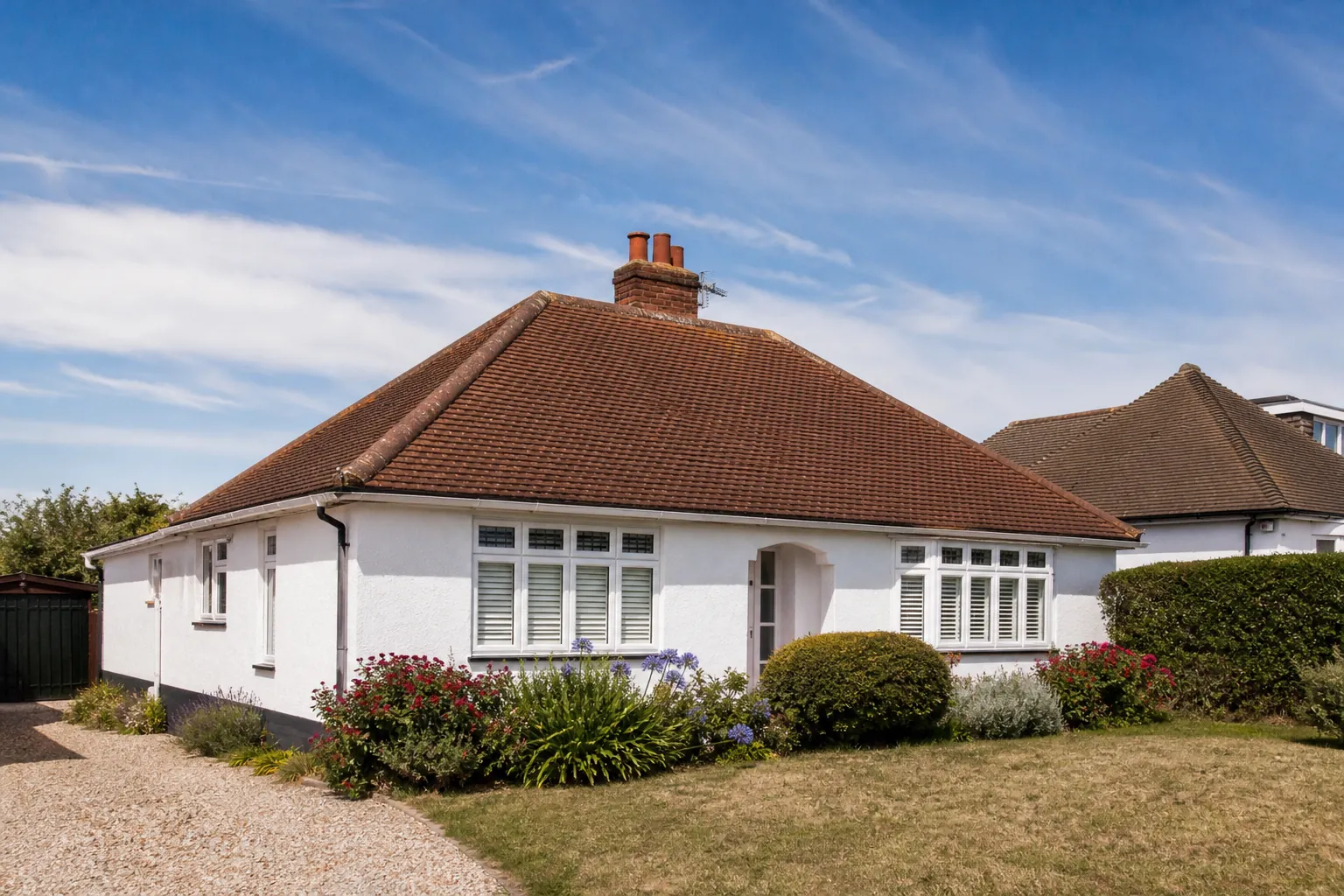
Cowplain roofs
A hamlet on the Portsmouth road
-
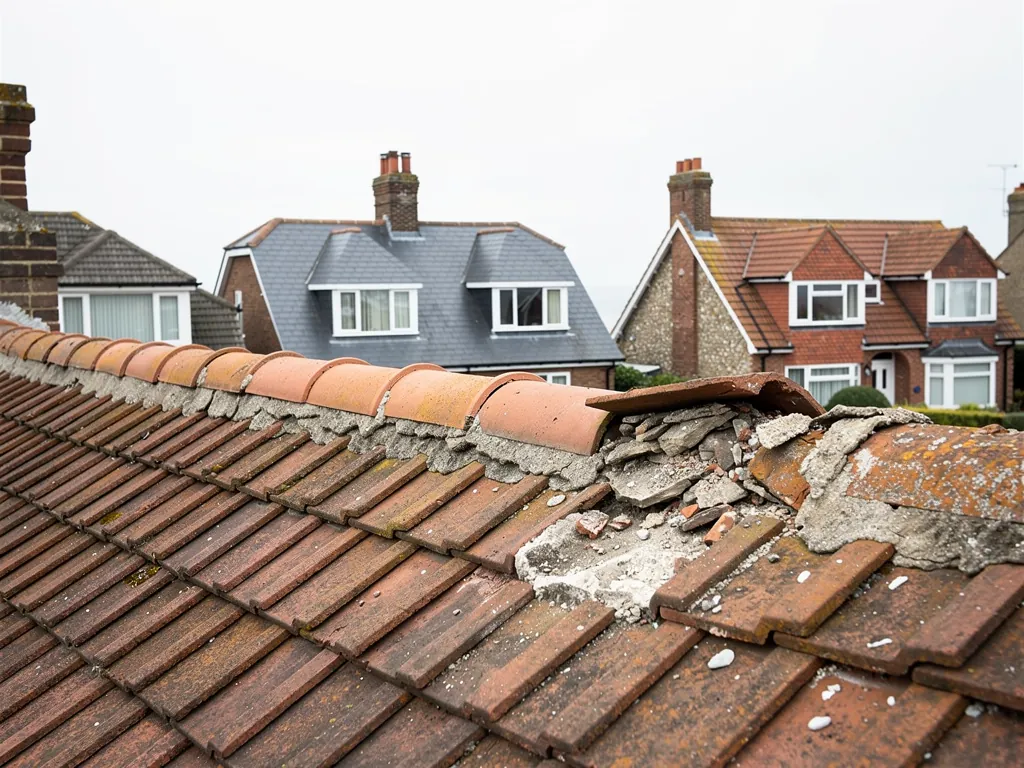
Cow Plain, the roadside hamlet
The county history of 1908 describes Cow Plain as a hamlet on the main road to Portsmouth, about two miles south of Horndean, within Catherington parish. Today it is a suburb with the same road at its heart.
-
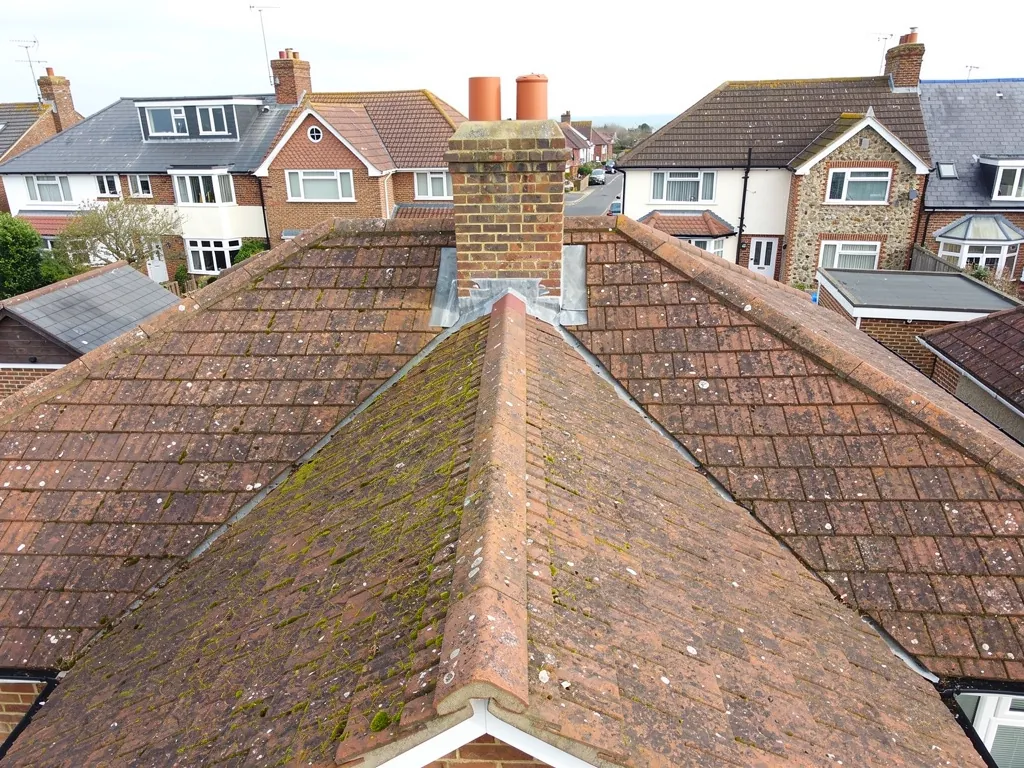
Hart Plain House and its grounds
South of Cow Plain, Hart Plain House formerly stood in grounds that reached the Portsmouth road. The house is gone, and what remains is the name and the memory of a large plot beside a road that has been busy for a very long time.
-
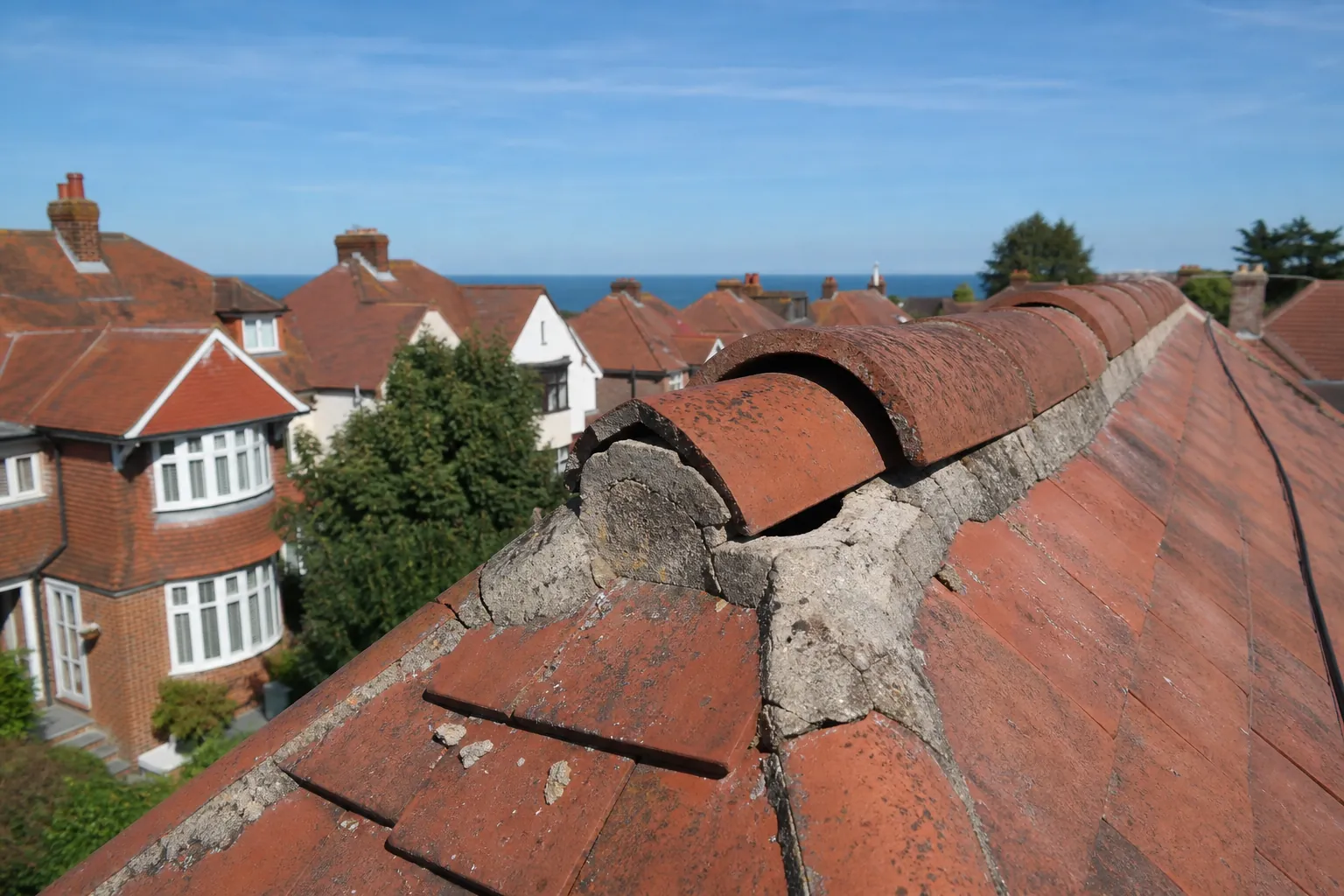
Roofs without area controls
Havant Borough Council lists 14 conservation areas and none is named for Cowplain, and its Article 4 directions are all elsewhere. That keeps the planning questions short for an unlisted house.
Map of Cowplain, 21.9 road miles north-west of Bognor Regis, with the nearest towns we also cover.
No area controls, but check for a listing
- Council
- Havant Borough Council
- County
- Hampshire County Council
- Conservation area
- None named for Cowplain among Havant's 14
- Article 4
- No Havant direction covers Cowplain; all of them lie elsewhere
- Setting
- On the Portsmouth road, between Horndean and Waterlooville
- Distance
- 21.9 road miles north-west of Bognor Regis, about 31 minutes by car
Cowplain notes
From roadside hamlet to today's roofs
A short local history, then the practical part: how a roof of any age is read, what Havant's rules mean, and how access is arranged.
Chapter 1: From Cow Plain hamlet to the roofs of today2623
Sheet 01 / 03The county history of 1908 describes Cow Plain as a hamlet on the main road to Portsmouth, roughly two miles south of Horndean, in the parish of Catherington. It sat on the road between Horndean and Waterlooville, as Cowplain does now. For a roofer, the more useful record sits on the house itself, in its tiles, battens and underlay, and it can be read on any roof in the district. Whatever your house is made of and whenever it went up, the roof has a story, and it is written on the roof itself.
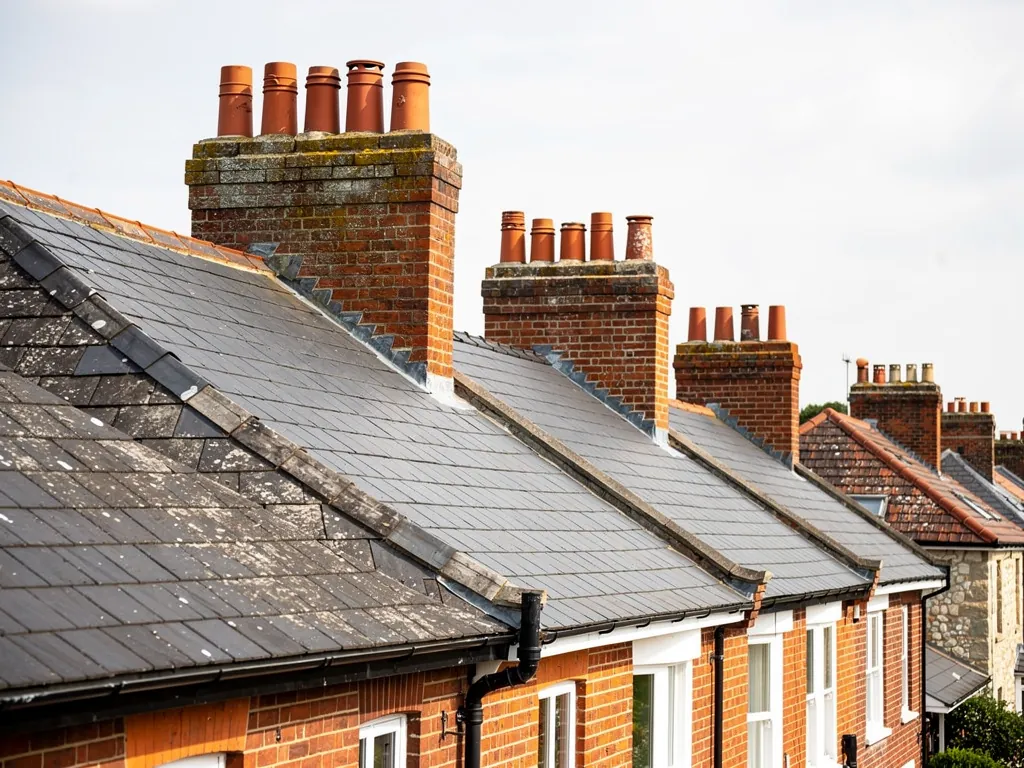
How we read a Cowplain roof
- 1Look at tilesShape, colour and surface hint at how old the covering is.
- 2Test fixingsNails, clips and battens show whether repairs will hold.
- 3Check underlayThe overlaps of felt or membrane show how well it has aged.
- 4Photograph allYou see each fault yourself before any price is given.
1.1 Reading a roof of unknown age
Start at the covering. Hand-made clay tiles show slight curves and uneven colour. Machine-made concrete tiles are flat, regular and evenly coloured. Slate is thin and flat, and it lies in neat overlapping rows. The next clue is underneath. Old sawn battens with rusted nail heads, or modern machine-cut battens with clean fixings, give the date away more reliably than any estate agent's brochure. Then comes the underlay. Black bitumen felt that cracks at its laps belongs to an earlier generation of building than a breathable membrane does. We photograph each of these, and the pictures are yours to keep.
1.2 What age means for the choice
A roof does not have to be replaced because it is old. Slipped tiles, perished ridge pointing and a lifted flashing are repairs. Age matters where fixings and timber are concerned. If nails have rusted through or battens have rotted, a patch will not last long, and we tell you so plainly rather than sell you a repair that will fail. Marley expects concrete tiles to last around 60 years and says that figure is no guarantee. The parts that fail first are often not the tiles at all but the details: ridge bedding, verge pointing, lead at the stacks and the gutters beneath. Our roof repairs page explains how a small job is scoped, and our pitched roofing page covers the point where a repair stops making sense and a new covering starts to.
1.3 Garages, porches and extensions
Many houses also have a flat-roofed garage, porch or rear extension, and these usually fail before the main roof. Old felt cracks, edges lift and water ponds where the fall is too shallow. The deck underneath matters as much as the covering above. If the boards are soft, a new covering laid on top would trap the problem. BS 6229:2025 asks for a finished fall of at least 1:80. Our flat roofing page compares the membranes on offer and shows how the falls are formed.
Chapter 2: Scaffold on the Portsmouth road1891
Sheet 02 / 03South of Cow Plain, Hart Plain House once stood in grounds that ran down to the Portsmouth road. We bring the old house up because it shows how the district has always faced the road, and the road shapes how roofing work is organised today. A house close to a busy road has little room for a ladder, a skip and a scaffold on the front, so access is the first thing we plan. Everything else on the job follows from it: where the skip goes, how long tiles can sit on the ground, and how neighbours reach their own drives.
Access questions before the first ladder
- Where does the scaffold stand
- Is a highway licence needed
- Where do the skip and tiles go
- How will neighbours' drives stay clear
2.1 Hampshire's scaffold licence
Cowplain lies in Hampshire, which makes Hampshire County Council the licensing body for anything built over the pavement or carriageway. According to Hampshire's own licensing page, applications come from the scaffold firm on a customer's behalf. Ten clear working days must pass between that application and the start date, and the council states plainly that extensions are not offered. Its fee is £211.90 for the first two weeks, then £72 for every further two-week period. If a roof takes longer than expected, the licence does not stretch, and a second application may be needed. That is why the programme is worth agreeing in writing before the scaffolders are booked. A wet week can push a roof job past its dates, so a realistic window beats an optimistic one every time, and it costs you nothing to ask the scaffolders how a delay would be handled.
2.2 When scaffold is not needed
A low roof, a garage or a rear extension can often be reached with a tower or a roof ladder, which avoids the licence altogether. Scaffolding is not a small cost, either. Checkatrade's 2026 guide puts a typical month of scaffolding for an ordinary semi at around £875, and the figure moves with the size and shape of the building. A scaffold is a boarded steel frame with guard rails and toe boards, and it also gives safe room to stack materials and carry old tiles down. When the work is above first-floor height, edge protection matters more than convenience, and we plan for scaffolding. Either way, ask any roofer who quotes you whether scaffold and VAT sit inside the total.
2.3 Tidy access, clean finish
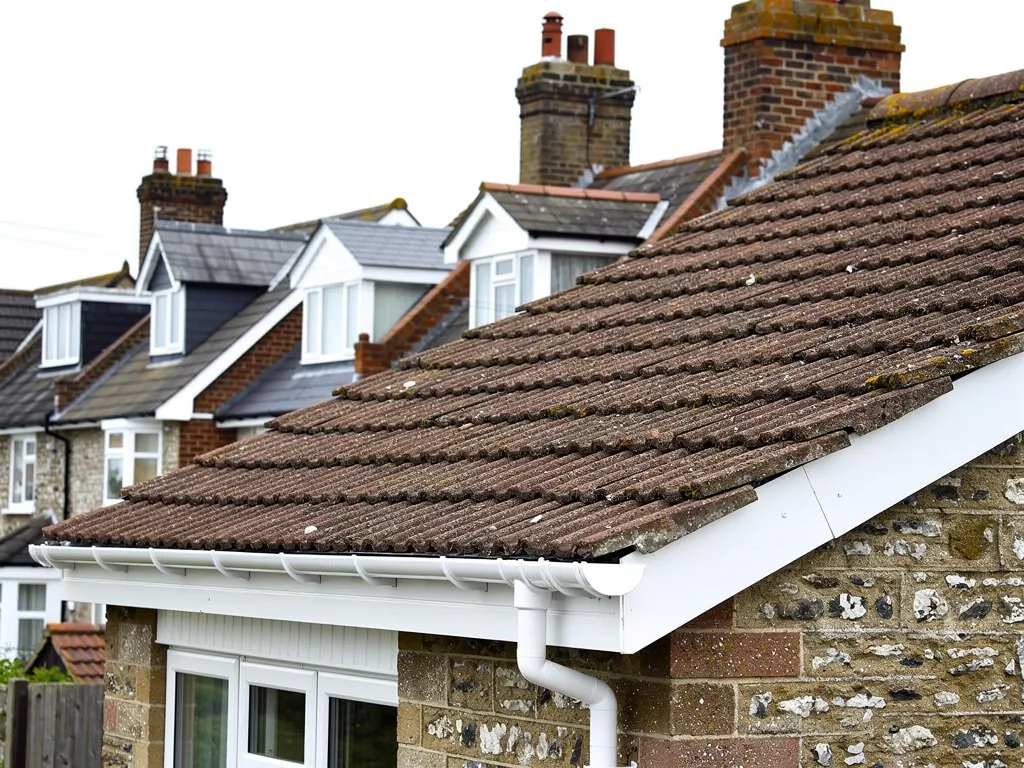
Our site is kept clear, the roof waste is taken away, and the gutters below are checked before we leave so that no fallen mortar or tile fragment is left to block the outlet. Any tile lifted for reuse is stacked off the ground and away from the gutters. On a road with parked cars, the skip and the stacked materials need a sensible place, and that is settled with you before the first tile comes off.
Chapter 3: Havant's rules for a Cowplain roof2074
Sheet 03 / 03Havant Borough Council lists 14 conservation areas, and none of them is named for Cowplain. Of the council's Article 4 directions, the roof-relevant ones are in Langstone and Homewell, with three land-use directions on Hayling Island, and Cowplain falls under none of them. For an unlisted house that keeps the planning picture short: putting back the same covering is not usually development at all, and the council's planning team can confirm the position for a specific address. A listed building is different. Anything that affects its character needs listed building consent, wherever the house stands.
Three outcomes for a Cowplain survey
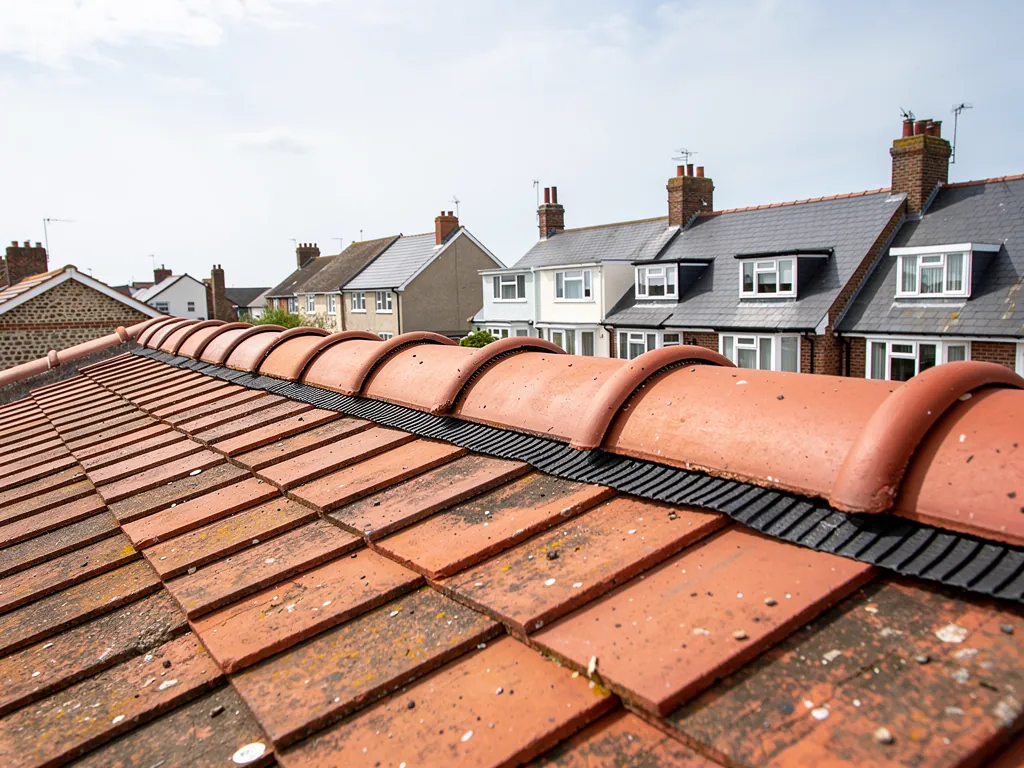
- MendA few faults found, with sound battens and underlay beneath.
- OverhaulEdges, ridge and lead redone while the main slope stays.
- RenewCovering and fixings are spent across the slope.
3.1 What neighbouring directions remove
It helps to know what a direction does, because the answer is different a few miles away. In Langstone, Havant's direction covers unlisted buildings and takes in alterations to the roof of a house that fronts the highway, such as inserting roof lights, and the demolition of a visible chimney stack. None of that applies to Cowplain. It does show why a roofer from another town cannot assume your street is free of such rules, and why we check the council's records first. Homewell in Havant is older still: its direction is dated 26 July 1985 and leaned on Class I of the 1977 order, which covered the enlargement, improvement or other alteration of a dwellinghouse. Different directions remove very different rights, which is why the wording of each one matters.
3.2 Building control for a re-roof
Havant Borough Council is also the building control body. Under the Planning Portal's thresholds, a re-roof normally avoids a building control application when it touches under 25 per cent of the building envelope and under 50 per cent of the roof. A new covering that is at least 15 per cent heavier than the old one needs approval too, and so does one with a different fire performance. Approved Document L treats a new waterproof membrane on a flat roof as renovation, and once over half the surface of a roof element is renovated the insulation has to be upgraded. We explain which side of those lines your job falls on.
3.3 Bats and nesting birds
Bats are protected, and so are the nests of wild birds while in use. If either turns up in the roof space, work pauses until you know what the law requires. A bat found at the eaves is a reason to stop and take advice, not a reason to hurry.
What we fix on Cowplain roofs
Frequently asked questions
Questions from Cow Plain to Hart Plain
How do you tell the age of a Cowplain roof when nobody knows when it was laid?
We read it from the roof. The covering's shape and colour, the battens and their nails, and the underlay at the laps all carry dates in their condition. We photograph each, explain what they show, and give a plain verdict on mending, overhauling or renewing. A roof of unknown age can be perfectly sound, and the photographs let you judge for yourself.
Does a Cowplain house need planning permission to be re-roofed?
On an unlisted house, laying the same sort of covering again is not usually development, and Havant lists no conservation area or Article 4 direction for Cowplain. A listed building needs listed building consent for anything touching its character. Rules change, so confirm with Havant Borough Council's planning team for your own address before you start.
Who licenses scaffold on the Portsmouth road?
Hampshire County Council licenses scaffold that stands on the highway, and Hampshire's licensing page has the scaffold company applying for its customers. Expect ten clear working days from application to start. The first two weeks cost £211.90 and each later pair £72, with no extensions allowed. If the scaffold stands only on your own land, no highway licence is involved.
Is a flat garage roof in Cowplain worth repairing, or should it be recovered?
It depends on the deck. If the boards are firm and the fall is sound, a repair or a patch can hold for a while. If the deck is soft, or water keeps ponding, a new covering laid to a proper fall is the better route. Garage roofs built before 2000 should be treated as possibly containing asbestos until they are tested, so nobody should drill or break them.
Nearby areas
Get a quote
Tell us about your roof
Describe what's happening and we'll call you back.
Loading the enquiry form. You can also call 01243 252373.