
Chimney insurance · 10 min read
Does house insurance cover chimney repairs?
Whether a damaged chimney is covered depends on what caused the damage and on your policy wording. Here is how to tell storm damage from wear, what evidence helps and what to do first.
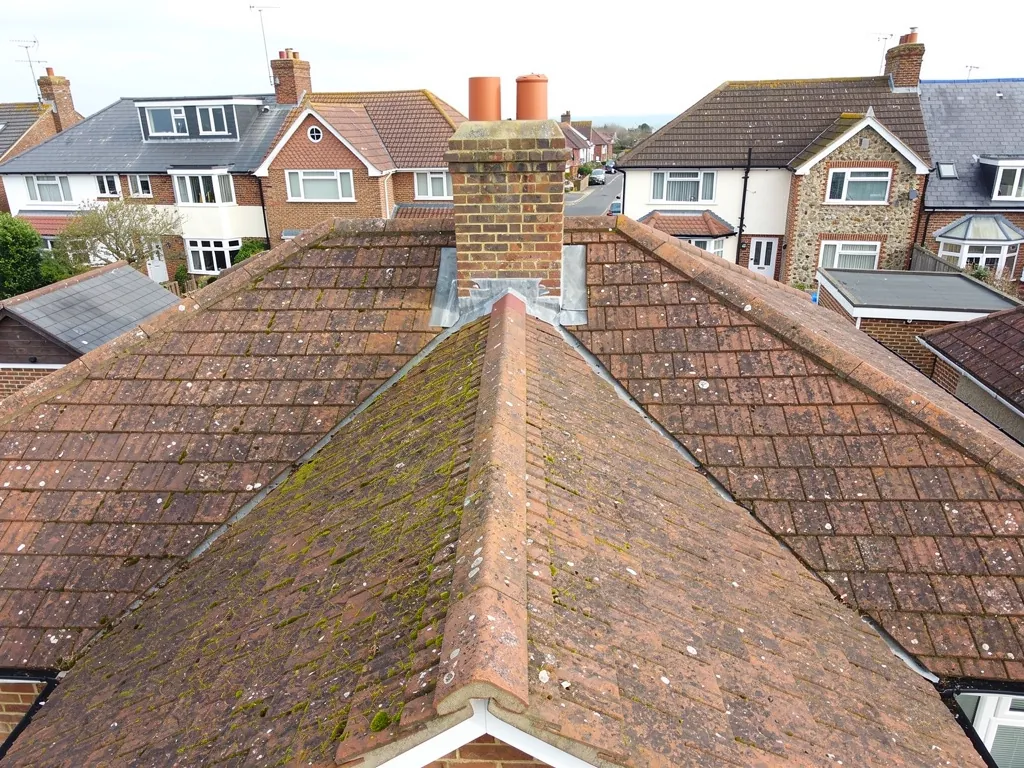
Of everything on a house, the chimney is where a gale tends to strike first. It stands tallest, it takes the wind full on, and it carries lead, brickwork, mortar and a pot that were all put up long before the weather that now tests them. So when a pot lands in the garden or a stack starts to lean, the first question is usually about money: will the insurance pay?
The honest answer is that it depends, and nobody outside your insurer can promise either way. A sudden event such as a storm sits in a different category from slow decay, and policies are written around that difference. This guide explains the categories, in plain terms, so you can read your own paperwork with the right questions in mind.
It also covers the practical side that gets overlooked: making the stack safe, keeping the right evidence, and weighing a claim against the cost of simply paying for the repair. We cannot tell you a claim will succeed and we do not handle claims. What we can do is look at the stack, say plainly what has failed and why, and put it in a written quote.
Buildings cover or contents cover: which one a chimney falls under
Home insurance usually comes in two parts. Contents cover looks after what you own and could carry out of the door. Buildings cover looks after the structure: walls, floors, the roof and, with them, the chimney stack. A chimney is part of the building, so any claim for the stack itself belongs under the buildings section of the policy.
That matters most if you own a flat, rent or hold a leasehold home. In many of those arrangements the freeholder or a management company arranges the buildings insurance for the whole block, and your own policy only covers your contents and the inside of your home. Ask whoever holds the block policy what it says about stacks. If the stack serves a house converted into flats, the first call may be to the managing agent rather than an insurer you pay yourself.
Read the schedule and the policy booklet before you ring anyone. Look for these things:
- whether the buildings section lists storm, wind or weather damage as an insured event;
- whether chimney stacks, pots, aerials or flashings are named, or excluded;
- the excess, which is the amount you pay before the insurer pays anything;
- any exclusion for damage that builds up gradually, or for poor maintenance.
Wording varies from one insurer to the next, which is why a general guide like this one cannot say yes or no for your home. A plain reading of the schedule, and one phone call to the insurer, will tell you far more than any website.
Our guide to home insurance and roof repairs covers the same questions for the tiles and slopes around the stack, and the roof insurance claims guide goes through the paperwork step by step.
Gale damage or gradual decay: how insurers sort a chimney claim
Most disputes about chimneys come down to one question: did something sudden happen, or did the stack simply wear out? Insurers separate the two, and the wording is rarely generous in the grey area between them.
A sudden event is something you can point to. A gale takes the top courses off a stack in one night. A pot comes down in a squall. A branch or a loose aerial, thrown by the wind, cracks the brickwork. Those are the kinds of incident a storm clause is written for, though whether a particular event counts depends on the policy's own definition of a storm.
Wear and tear is slow. Mortar that has crumbled away over years, flaunching that cracked years ago and has been admitting damp since, lead flashing that has split along a fold: these are signs of age and weathering. In its November 2025 guidance Which? gives water entering through a poorly maintained roof as its example of wear and tear rather than insured damage. It also quotes the regulator's figures: only 32% of storm-related claims made in 2024 ended in a payout.
That does not mean a storm claim on an ageing stack is hopeless. It means the evidence matters. A photograph showing fresh, clean breaks in the brick and pieces on the ground tells a different story from one showing mortar that had been washing out for years. We can describe what we find when we inspect the stack, including whether a failure looks recent or long in the making, and that description goes into the written quote. How your insurer reads it is the insurer's decision.
What to do first when a chimney is damaged
Safety comes before paperwork. A stack that has lost its top courses, a leaning stack or a pot hanging by its flaunching can drop masonry onto a path, a car or a neighbour's garden. Keep people away from the area below it and do not climb up to look.
Then work down this list, in this order:
- Tell your insurer first. Which? advises getting in touch as soon as possible, and notes that most insurers run emergency helplines. Ring before you book anyone, so you know what they expect.
- Photograph everything. Take wide shots of the house and the stack, close shots of the damage and any debris on the ground, from the ground or a window. Do not go onto the roof for them.
- Stop further damage. If water is coming in, a temporary repair or covering is reasonable. Which? says to tell the insurer if you arrange emergency repairs yourself and to keep the receipts, because they form part of the claim.
- Keep the damaged material. Do not bin fallen pots or bricks until the insurer says you may, unless something on the ground is a health hazard.
- Get a written quote for the permanent repair. Some insurers send their own assessor or ask for a quote; either way, a written description of the fault is useful.
If the stack looks about to fall onto a public space, IStructE advises reporting a dangerous structure to your local authority's building control team. For a stack that has already come down or is plainly unsafe, a make-safe visit is the sensible first job. Storm damage and leaks get priority with us, and the opening job on a damaged stack is making it and the roof below it safe.
Order matters: tell the insurer, photograph the damage, make it safe, keep receipts, then agree the permanent repair.
The evidence that helps a chimney claim
An insurer is deciding two things: what happened, and whether the policy covers it. Your job is to make the first answer as clear as you can. IStructE's advice for storm-hit homeowners puts it bluntly: photographs are vital because they give visual evidence of the damage.
Before and after pictures
If you have any older photographs of the house showing the stack, keep them. A holiday snap or an estate agent's listing picture that shows the chimney intact and the pot upright is useful, because it dates the condition of the stack before the event. Ask the insurer what else they would like to see, rather than guessing.
A description of the fault from someone who has looked
A roofer who has inspected the stack can say what has failed and how. When we survey a chimney we photograph the flaunching, the pot, the brickwork, the pointing and the flashings, and a written quote follows the survey. The quote is one total price for the work, and our prices are good and fair. The photographs come with it, so you have them in your own hands for the insurer.
Dates, receipts and a short timeline
Write down when you noticed the damage, what the weather had been doing, who you spoke to at the insurer and what they said. Keep every receipt, including any for a temporary repair. A few lines made on the day are worth more than a hazy memory three weeks later.
None of this guarantees a payout, and we will not tell you it does. It does mean that if your claim is turned down you can see why, and you can challenge a decision with a proper record behind you.
Shared stacks, neighbours and fallen masonry
Houses along the Sussex coast often share a stack with next door. A pair of semi-detached houses or a terrace may have chimneys grouped on the party wall, one stack carrying several pots. When a shared stack is damaged, two households have an interest in it.
Each owner should tell their own insurer. Cover for a shared stack depends on each policy, and the owners may need to agree who arranges the repair and who pays what. Talking to your neighbour early, before scaffold goes up on one side of the party wall, saves a good deal of argument. A repair that stops at the boundary line rarely makes sense, so a single contractor working on the whole stack from one scaffold is the usual route.
When masonry lands on someone else's property
If bricks or a pot from your stack fall onto a neighbour's roof, car or garden, tell your insurer straight away as well. Policies often include liability cover for damage you cause to other people's property, though the limits and conditions are policy specific, so read the wording or ask.
Chimneys no longer in use
An unused chimney still has to stay up. If a flue has been sealed and capped, the stack is still your responsibility and still part of the structure the buildings section covers. Take pictures of its condition from time to time; they cost nothing and they give you a record of the stack before anything goes wrong. Our chimney storm checks guide lists what to look at before the winter gales.
When it is cheaper to pay for the repair yourself
Making a claim is not always the best move. Many chimney repairs cost less than a typical excess, or only a little more, and a claim leaves a record on your file that you may need to declare when you next change insurer. Ask your insurer how they treat and record a claim before you decide.
It helps to know what these repairs cost. For chimney lead, MyJobQuote (last updated 22 September 2026) gives a patch repair at £150 to £250, and full replacement of the lead at £350 to £460 without scaffolding or £700 to £920 with it. Checkatrade's scaffolding table, last updated in October 2026, puts a chimney scaffold at around £660 a week. Those are typical UK figures from national guides, so read them as a guide to scale. Your own stack will be priced once we have looked at it, and one total price goes in writing.
Compare the likely bill with your excess before deciding anything. Then think about the job itself. If the repair is a flaunching and a pot, a small claim may not leave you better off. If the stack has come down, needs rebuilding and sits over a busy pavement, a claim is worth exploring. Our guide to the average cost to repair a chimney sets the typical ranges side by side.
Paying privately also gives you freedom over timing. Insurers may ask you to use their approved contractors or wait for an assessor, and a leaking stack does not wait politely. Whichever route you choose, a repair that fixes the cause, rather than patching the symptom, is the one that stops you claiming again. We recommend the smallest job that mends the fault for good. If the stack is beyond repair, our stack rebuild guide explains when it is time to take it down and build again.
Questions
Chimney insurance questions
Will insurance replace a chimney pot that blew off in a gale?
It may, if the policy covers storm damage and the pot was sound before the wind took it. Tell the insurer first, photograph the pot and the stack, and keep any receipt for a temporary repair. The insurer decides whether the policy responds, and an older pot that was already loose is the sort of thing they may call wear.
Can I do the repair before the insurer has seen the damage?
Make the stack safe and stop water getting in, but tell your insurer before you start the permanent job. Which? advises telling the insurer about emergency repairs you arrange and keeping receipts. Keep the fallen material and your photographs until the insurer says otherwise.
What if the insurer refuses my chimney claim?
Start by complaining to the insurer in writing and asking for the reasons. If you are still unhappy, Which? notes that you can take the complaint to the Financial Ombudsman Service, which is free to use. A written description of the fault and dated photographs make a challenge easier to argue.