
Is roof cleaning worth it · 9 min read
Is getting your roof cleaned worth it?
Whether a roof clean pays for itself depends on the condition of the tiles beneath the growth. This guide sorts the jobs worth doing from the ones that only change the colour of the roof.
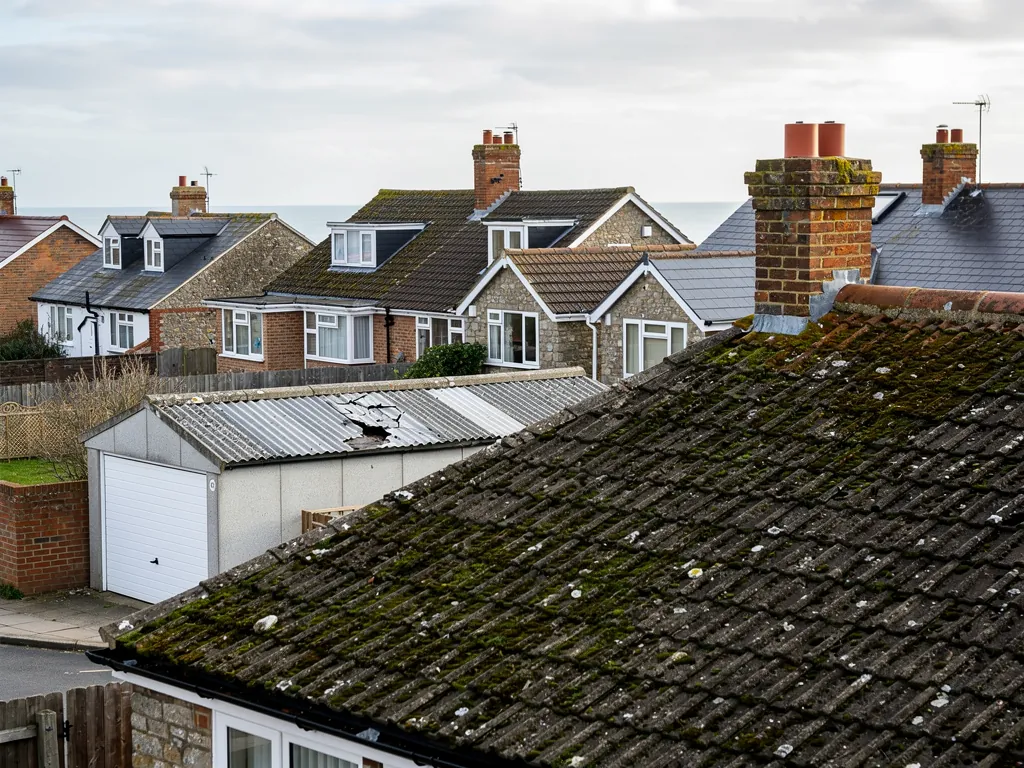
A clean roof looks better from the street, and for some people that settles it. For others the question is practical: does the moss do any harm, and will paying to remove it save money later? Roofers do not all give the same answer, and a firm that sells cleaning has a reason to say yes. So here is a fuller answer, with the reasoning laid out.
The short truth is that the growth is rarely the whole story. Moss on a sound roof is a nuisance that can usually be dealt with in good time. Moss on a roof with slipping tiles, worn nails or a blocked valley is a warning sign, and the cleaning will not fix what it reveals. A clean pays off when the roof underneath is worth keeping, and it is wasted money when the covering is already failing.
Read on for what moss, algae and lichen actually do, when a clean is a sensible use of money, when to spend the same money on a repair, and how to judge the price against the benefit. We photograph the roof before we advise, because the tiles tell us far more than the green on top of them.
What moss, algae and lichen do to a roof
Roofs gather three kinds of surface growth, and the risk differs between them. Algae is a thin film that shows as black or green streaks, mostly on the shadier slopes. It is chiefly a matter of looks. Lichen is a crusty grey, orange or yellow patch that grips the surface of the tile and grows slowly. Moss is the one to watch, because it forms thick cushions that build up over the seasons.
A cushion of moss holds water. It sits against the tile surface, soaks up rain and releases it slowly, so the tiles beneath stay damp for longer than they otherwise would. Where moss gathers along the lower edge of a slope, it can also slow the flow of water towards the gutter. A valley is the gully where two slopes join, and a build-up there can narrow the route that rain takes and send it sideways under the tiles. Because water from both slopes funnels into that one line, it is a spot where trouble shows early.
Moss also drops. Bits break off in wind and rain and wash down the roof, ending up in the gutters and downpipes, where they mix with grit and leaves and block the run. Our answer on whether moss can cause roof leaks goes into the mechanism.
Which one needs action
Algae alone seldom calls for urgent work. Thin lichen can be left while you decide. Thick moss, especially in valleys, at the eaves or beside chimneys, deserves attention before the next wet season, because water meets the roof's weak points there. A short note of where the growth sits, with a few photographs taken now, lets you see later whether it is spreading or holding steady.
When a roof clean is money well spent
Cleaning earns its cost when the covering underneath is sound and has plenty of life left. Marley expects concrete tiles to last around 60 years, adding that this is no warranty of their longevity, and CORC says well-kept slate can last 100 years or more. A roof like that is worth looking after, and keeping the growth in check is part of looking after it.
- The tiles are sound, with no slipped, cracked or missing ones.
- The moss is thick enough to hold water or has begun to fill valleys and gutters.
- The house is being prepared for sale, for a survey or for a repair that needs a clear view of the roof.
- A neighbour's tree or a shaded slope means the growth keeps returning, and a regular routine is cheaper than neglect.
Cleaning before a repair is often sensible for a simple reason: a roofer cannot judge tiles properly with moss covering the joints. Thick growth hides cracked edges, slipped tiles and failed pointing. A clean followed by a survey gives you a true picture of the roof, and the photographs show you what is there. That record also helps later, when you need to tell a new fault from an old one.
Preparing a house for a survey or sale
A buyer's surveyor looks at condition, not colour, so a clean roof does not hide problems. What it does is make them visible. If a buyer is likely to commission a report, it helps to know before they do what the roof needs. Our guide to roof checks when buying a house shows what a surveyor looks for.
When the money is better spent elsewhere
There are roofs where a clean is the wrong first step. If the tiles are slipping because the fixings have given out, a clean adds expense without stopping the slip. Nail sickness, where the nails holding slates or tiles corrode and loosen, is one cause. Cleaning a roof like that can even make matters worse, because brushing and walking across loose tiles can dislodge more of them. Our guide to nail sickness explains the signs.
The same goes for a covering near the end of its life. If the tiles are crumbling, cracked in many places or porous, the sum that cleaning would cost is better put towards the repair or replacement that is coming anyway. Cleaning a roof you will replace within a year or two is rarely a good use of money. The one exception is a clean done to let a roofer inspect the covering properly before the replacement is priced.
Before you commit, ask for a plain verdict on the roof. We give one with photographs: clean it, repair first, or replace. If the answer is repair first, that is what we put in the quote, and the clean waits. Our guide on whether it is cheaper to repair or replace a roof works through the same decision in more detail.
Flat roofs and special coverings
Flat roofs, conservatory roofs and old hand-made tiles need different thinking. A felt or single-ply membrane can be harmed by scraping, and a historic roof may call for gentler handling still. Ask the roofer what experience they have of your type of covering before you agree a method.
Looks against condition
Plenty of roof cleaning is done for appearance, and that is a legitimate reason. A roof that is streaked black or furred with green can drag down the look of a whole house, and a tidy roofline matters when you are selling or have just redecorated. There is nothing wrong with paying to put that right, as long as you know that is what you are buying.
The risk comes when appearance is confused with protection. Removing algae streaks makes a roof look younger, yet it does not repair a single tile. If your real worry is a leak, a damp patch or a sagging gutter, a clean alone will not answer it. Our page on damp patches on a ceiling explains how to trace a stain to its source.
It helps to ask yourself why you want the work. If it is mainly looks, a basic clean and treatment may be all you need. If it is protection, ask for a survey first so the money goes where the roof needs it. If it is both, as it often is, a clean with a short report on what the roofer saw gives you the best of each. Say which it is when you ask for a price, and the roofer can shape the job to fit.
Lichen: harmless or not
Some owners like a patina of lichen on old tiles and stone slates, and on a sound roof it does little harm. Where it covers a whole slope or sits on a roof you are trying to keep watertight, you may prefer it gone. Photographs of the slope taken from the ground, with the tiles in focus, help you judge which of the two you are looking at, and a roofer can confirm it in a minute on site.
How long a clean lasts
No clean is permanent. Moss and algae spread by spores that blow in on the wind, so as long as the conditions suit them they will find a way back. What changes is how quickly. A roof that has been properly treated after the growth is lifted usually stays clear for longer than one that was only brushed or washed.
Several things shorten the gap. Shade is the biggest, whether from trees or a taller neighbouring building. Damp, slow-drying slopes help growth along. Gutters that overflow and keep the lower courses wet do the same. A slope that gets the sun and wind for most of the day tends to stay cleaner than one that never dries out.
There is a practical consequence. If a slope is overhung by branches, trimming them back before you clean will make the clean last longer than any treatment. If the gutters spill onto the tiles, fixing that matters as much as the cleaning. Our answer on whether moss will come back after a roof clean covers what to expect.
Setting expectations
A treatment kills growth over time rather than in an afternoon, so the roof may look much the same on the day and improve in the weeks that follow. Be wary of anyone who promises a spotless roof for a fixed number of years. No roofer controls the weather or the trees next door, and a promise of that sort is a sales line, not a fact about your roof. A fair expectation is a roof that looks better, stays clearer for longer than it would untreated, and comes with a plain account of anything the roofer noticed.
Weighing the cost against the benefit
To decide whether a clean is worth it, put three questions side by side: what does the clean cost, what does the growth cost if it is left, and what else could the money do? A clean costs a fixed amount, set by the survey, and our guide to how much you should pay to have your roof cleaned explains what moves the figure.
Leaving the growth costs nothing today. The danger is a slow build-up that leads to blocked gutters, damp tiles and, in time, a repair that might have been avoided. A gutter that overflows onto a wall, or a valley that backs up, is a more expensive problem than a clean would have been. That is the case for cleaning thick moss early.
The third question keeps the first two honest. If the roof also needs a ridge re-fixed, a flashing renewed or a few tiles replaced, those repairs come first or at the same time. Spending on looks while a leak goes unfixed makes little sense.
Doing it yourself
Some owners consider cleaning the roof themselves to save money. The saving is small compared with the risk. Falls from ladders and roofs are a serious cause of injury, wet moss is slippery, and a mistake with a pressure washer can damage the tiles. If you want to try, work from the ground and read our guide on why pressure washing a roof can do more harm than good first.
If you would like a straight view on your own roof, we will survey it, photograph it and say whether a clean is worth doing. You can find out more on our roof cleaning and moss removal page.
Questions
Roof cleaning value questions
Is it worth cleaning a roof that is close to needing replacement?
Usually not. If the tiles are cracked, crumbling or loose in many places, the money is better put towards the repair or replacement that is coming. A survey will show how many years remain in the covering, and the verdict should come before any decision to clean.
Should I clean the roof before I sell the house?
It can help, because a clean roof lets a surveyor see the tiles properly and may remove an easy talking point for a buyer. It will not hide a defect, and it will not replace a repair. Find out what the roof needs first, then decide how much of it to do before the sale.
Does cleaning damage roof tiles?
Gentle methods applied with care should not. Harsh ones can. High-pressure washing, stiff wire brushes and walking across loose tiles are the usual causes of damage, which is why the method matters as much as the result. Ask any roofer how they remove the growth before you agree.