
Roofers in Coldwaltham
Stane Street village in the National Park
Coldwaltham's roofs sit on the Roman Stane Street inside the South Downs National Park, in two conservation areas, with Woodyer's rebuilt church of St Giles as the landmark.

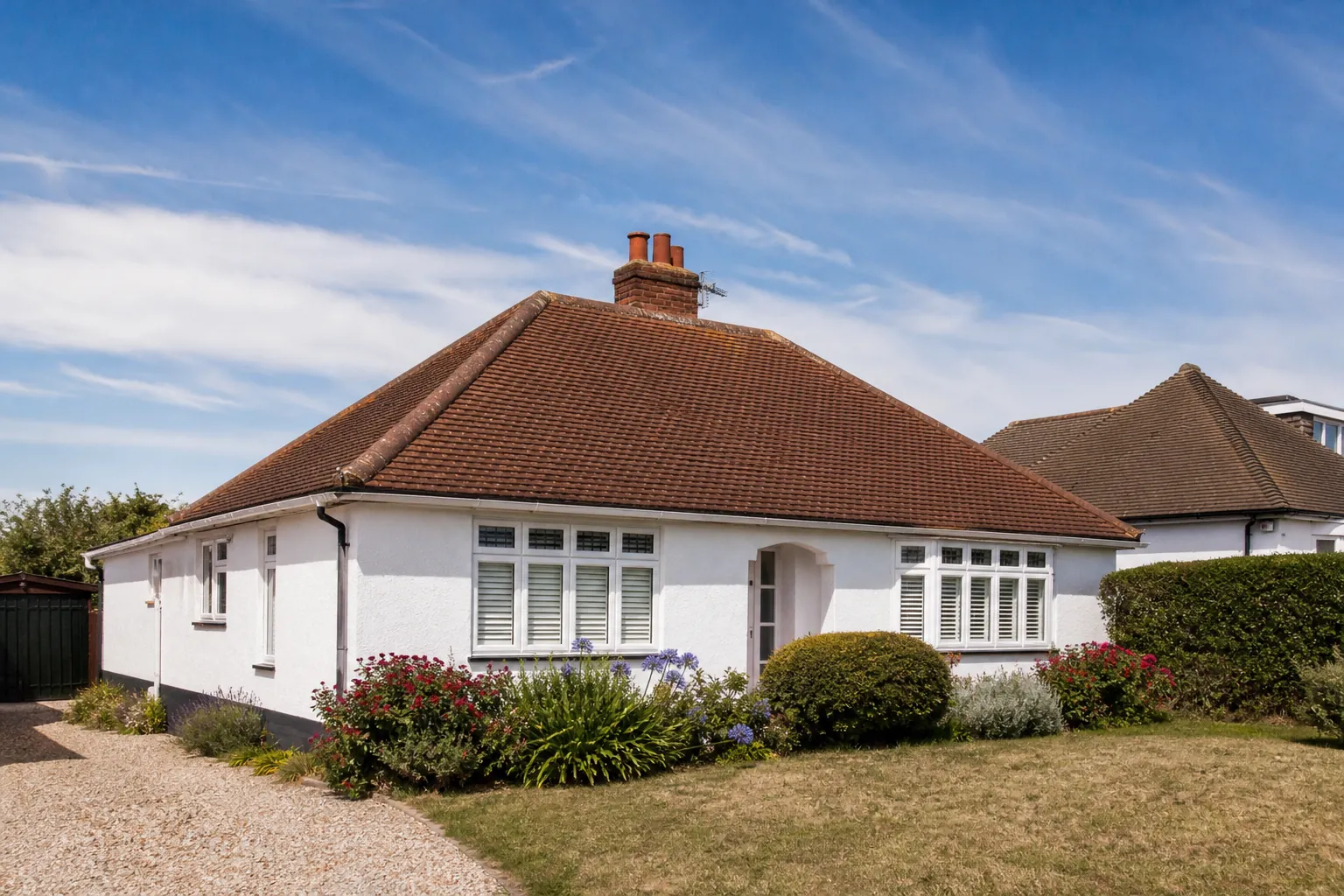
Coldwaltham roofs
From Stane Street to a Victorian church roof
-
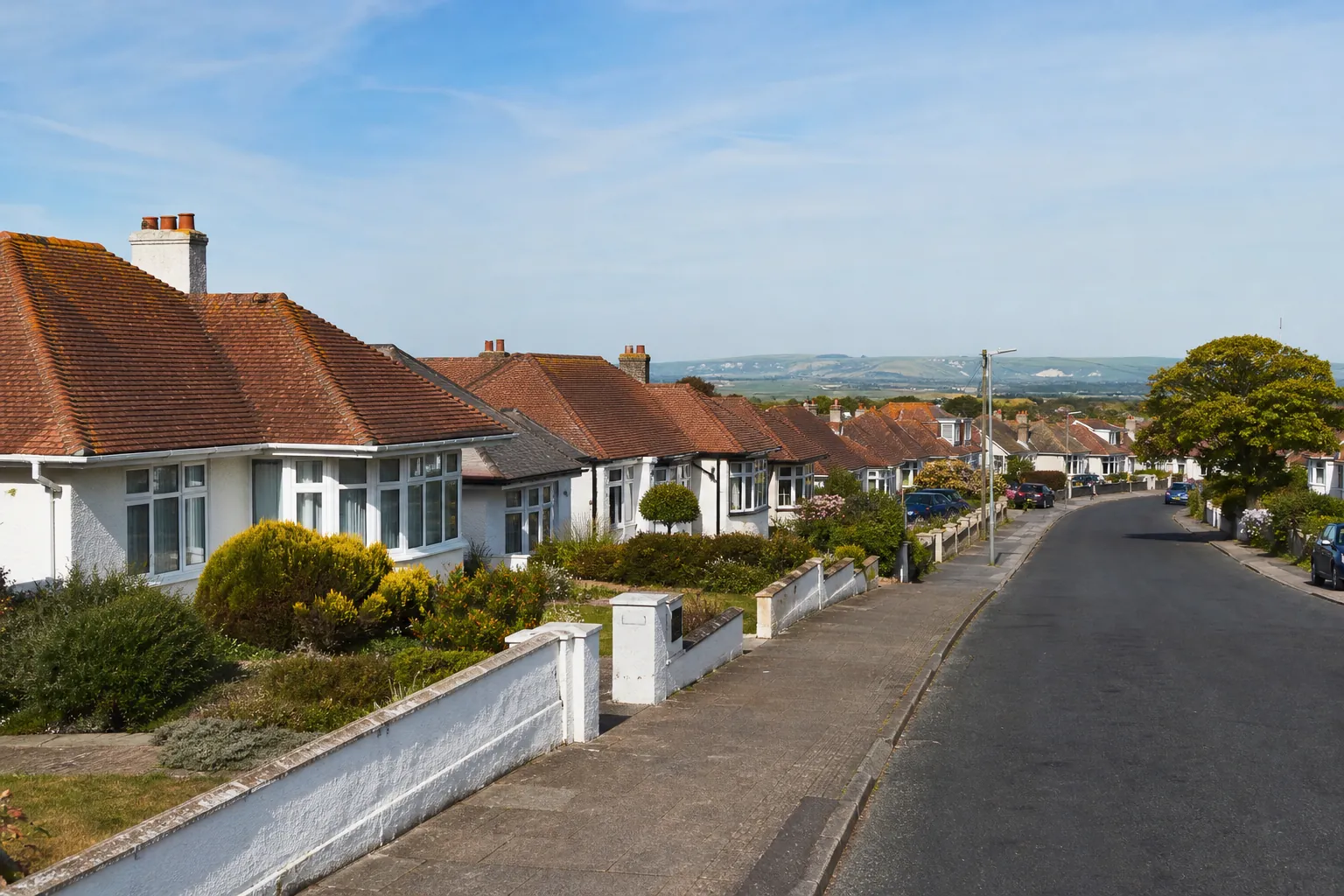
A village on Stane Street
Coldwaltham lies on the Roman Stane Street, which here leaves the line of the modern A29. The SDNPA lists two Coldwaltham conservation areas, North and South, while Watersfield and Hardham in the parish have their own.
-
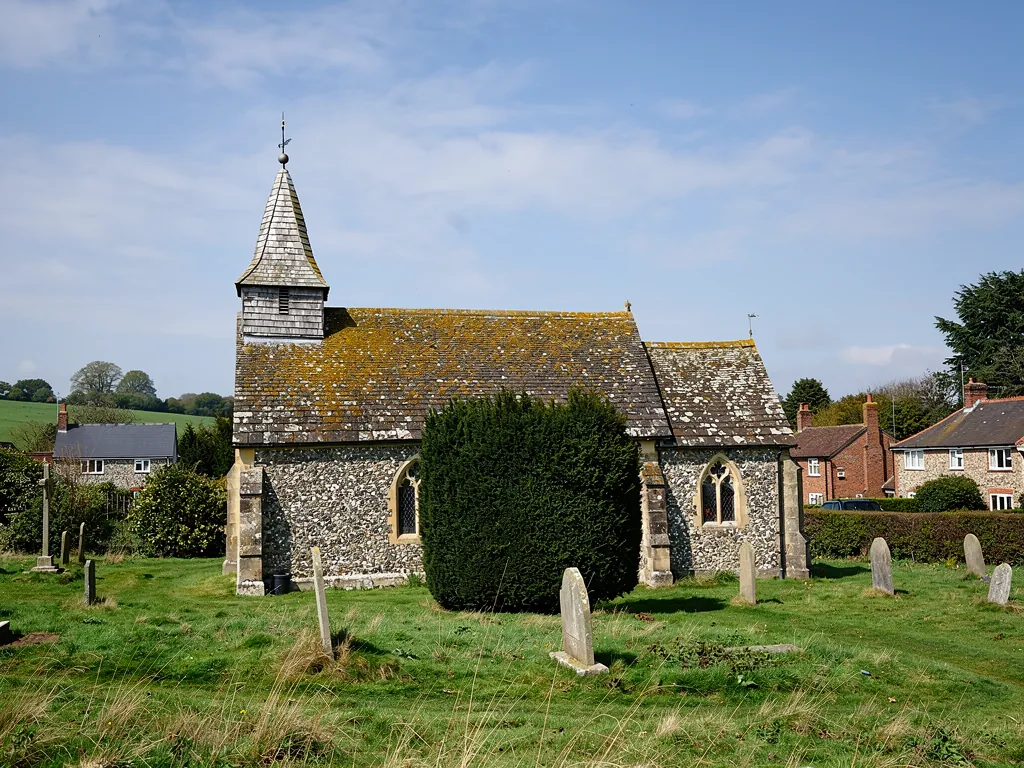
St Giles, rebuilt in 1870 and 1871
Henry Woodyer largely rebuilt St Giles in 1870 and 1871, giving the tower a half-timbered belfry stage and rebuilding all the church roofs. The 12th-century tower and 14th-century south arcade survive.
-
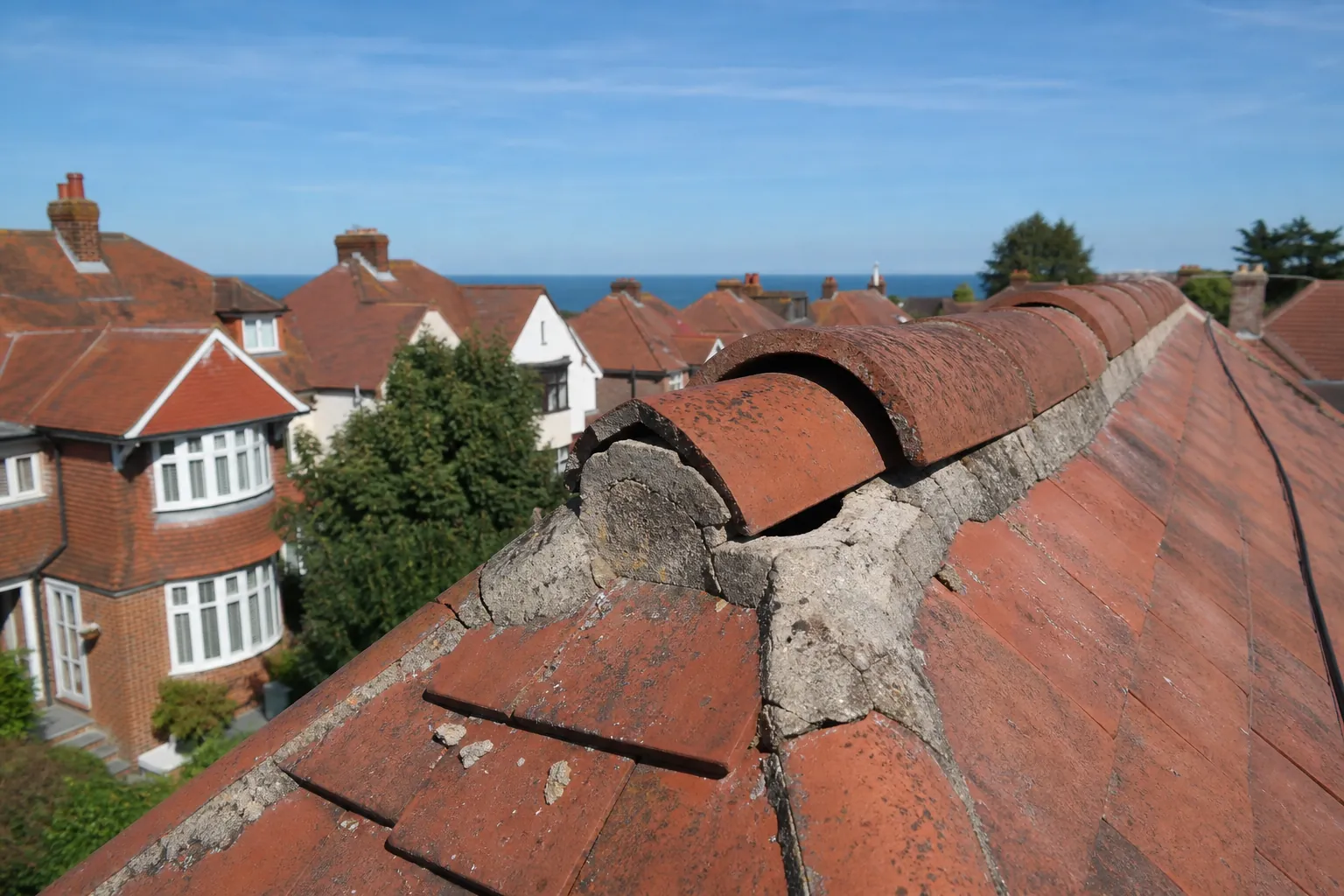
Two conservation areas on the Park's maps
The SDNPA's Horsham maps show where the North and South boundaries run. We check the map against your address before we quote, since a house just outside a line follows ordinary rules.
Map of Coldwaltham, 14.2 road miles north-east of Bognor Regis, with the nearest towns we also cover.
Coldwaltham, Stane Street and the National Park
- Council
- Horsham District Council
- Planning
- South Downs National Park Authority
- County
- West Sussex County Council
- Conservation areas
- Coldwaltham (North) and Coldwaltham (South), listed by the SDNPA on its Horsham maps
- Article 4
- None listed for Coldwaltham on the SDNPA's Article 4 Directions page
- Listed landmark
- St Giles church, Grade II*, list entry 1027424
- Distance
- 14.2 road miles north-east of Bognor Regis, about 25 minutes by car
Coldwaltham notes
Stane Street, Woodyer and the Downs
Three things that shape a Coldwaltham roof, from the National Park rules to the Victorian church and the open ground out along the road.
Chapter 1: Two conservation areas inside the National Park2867
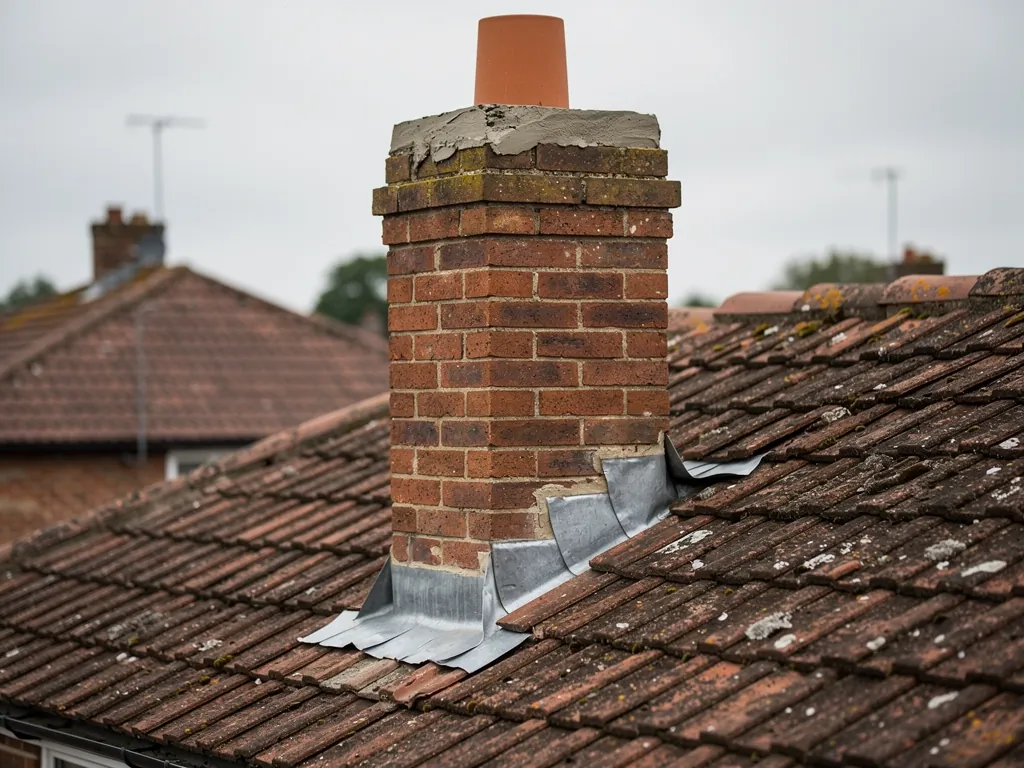
Sheet 01 / 03Coldwaltham sits inside the South Downs National Park, and that changes who you speak to before a roof job. The Park Authority lists two conservation areas here, Coldwaltham (North) and Coldwaltham (South), while Watersfield and Hardham, also in the parish, have conservation areas of their own. For the part of Horsham district that lies in the Park, the SDNPA itself handles planning applications. Building control is another matter and stays with Horsham District Council, or with a registered building control approver you appoint. Two bodies means two sets of questions, and a roofer who knows which goes where can save you a wasted week. The practical effect is simple: a repair that matches what is already there rarely causes worry, while a change of colour, material or shape deserves a question first.
Asking the right body in the National Park
- 1Find the mapLocate your address on the SDNPA's Horsham conservation area maps.
- 2Ask the ParkPut planning questions to the National Park Authority directly.
- 3Ask HorshamBuilding control questions go to Horsham District Council or your approver.
- 4Send us bothPass on both answers so the quote matches the rules.
1.1 Planning and the two boundary maps
The Authority's conservation area maps show where the two boundaries run, and we check your address on them before we price, because a house on the wrong side of a line follows different rules. The SDNPA's Article 4 Directions page lists none for Coldwaltham. Under section 55 of the 1990 Planning Act, work that leaves a building's external appearance materially unchanged is not development, so a repair in matching materials seldom calls for an application. Send us a photograph of the map with your address marked and a note of any listing, and the survey will tell you what to ask next. Changing the covering is a different step, and the Park's planning team can tell you whether it matters at your address. Our pitched roofing page explains how a change of covering is handled.
1.2 When a re-roof or a chimney needs notifying
The Planning Portal says building control approval is not normally needed if less than 25 per cent of the total building envelope is affected and less than 50 per cent of the roof. It is needed once you exceed those limits, alter the structure, or lay a covering that raises the weight by 15 per cent or more. Taking out a chimney breast always needs Building Regulations approval, as the Planning Portal puts it, because a breast belongs to the building's structure, and one on a party wall also calls for a party wall notice. Roof windows must meet Part L: Approved Document L 2021 Table 4.2 allows a roof window a U-value of 1.4 W/m²K at most, or a Window Energy Rating of Band B, and a rooflight 2.2 W/m²K, with the 2026 edition's Table 3.2 repeating the values from 24 March 2027. Horsham District Council or your approver decides each case, and we explain whether your particular job falls inside or outside those limits before any work starts.
Chapter 2: Woodyer's roofs at St Giles1647
Sheet 02 / 03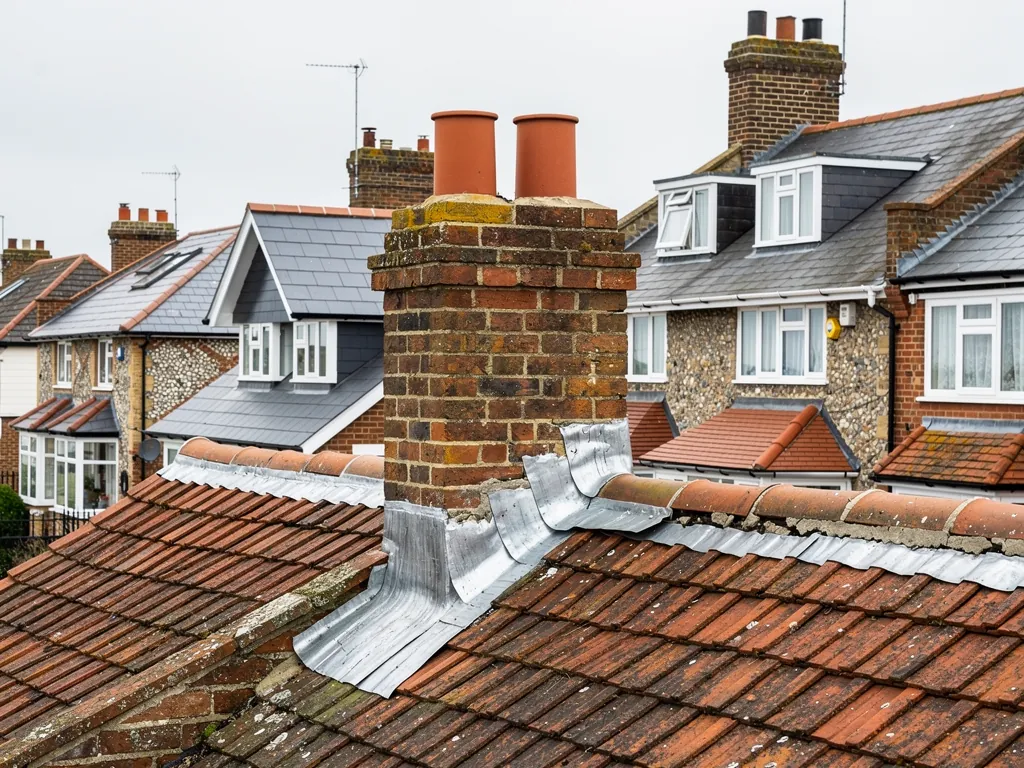
St Giles' church was largely rebuilt in 1870 and 1871 by Henry Woodyer, though its 12th-century tower and 14th-century south arcade survive. Woodyer gave the tower a short half-timbered belfry stage beneath a pyramid spire in timber cladding, and rebuilt all of the church roofs. That puts those roofs well past a century and a half, a long span for any covering. The church is listed Grade II*, under list entry 1027424, and it is the one place in the village where every junction on the roof was designed in a single campaign instead of inherited piece by piece.
A church roof against a village house roof
St Giles in use
Exempt from listed building consent, with a faculty from the diocese for significant works.
A listed village house
Minor like-for-like repairs need no consent, but changes affecting character do.
2.1 Spire, belfry and lead in a Victorian design
A spire is hard to repair, because every course is steep, slim and set high above the ground, and the cladding changes colour and texture as it ages. Where timber meets the stone below, a lead apron carries water clear of the joint. MyJobQuote reckons good lead flashing can run past 80 years, so original lead on a Victorian roof may be the oldest part of the covering, and failure tends to start at a lap or an upstand. For slate, CORC says a well-maintained roof can last 100 years or more, while Marley, citing the Building Research Establishment, quotes a minimum of 60 years for clay tile. Those are published figures, not promises, and a survey tells you more than a date does. Reaching a spire safely takes specialist access, not a quick ladder. A homeowner near the church can take a lesson from it: a roof is a set of details, and the junctions, not the broad slopes, decide how long it lasts. We photograph those details on every survey so you see what we see.
2.2 Which consent route a church roof follows
St Giles is an Anglican parish church, and while it is still used for worship it is exempt from listed building consent, working instead through the Church of England faculty system. A faculty is a diocesan permission, so the parish, not a roofer, applies for it. Houses in the village are different. The Park Authority says a listed house can have ordinary upkeep and small repairs done in place with matching materials without consent, while alterations affecting its character need listed building consent. We ask which category your building is in before we quote any job that goes beyond a repair.
Chapter 3: Exposed ground, storm damage and old outbuildings2989
Sheet 03 / 03Out along Stane Street and on the lanes behind it, houses and farm buildings stand in open ground where a gale meets little to slow it. The first look after any storm is for slipped tiles, lifted ridge tiles and flashings pulled away from a stack. If water is coming in, make the building safe first and keep clear of anything that looks unstable. Which?, in advice dated November 2025, suggests telling the insurer promptly, arranging a temporary repair, and holding on to receipts and damaged items. IStructE calls photographs vital, and says that a dangerous structure can be reported to the local authority's building control team. If the insurer's answer disappoints you, complain to it first and then to the Financial Ombudsman Service, which is free to use.
After a gale on the Coldwaltham road
- Slipped or missing tiles
- Lifted ridge or verge tiles
- Flashings pulled from stacks
- Photographs for your insurer
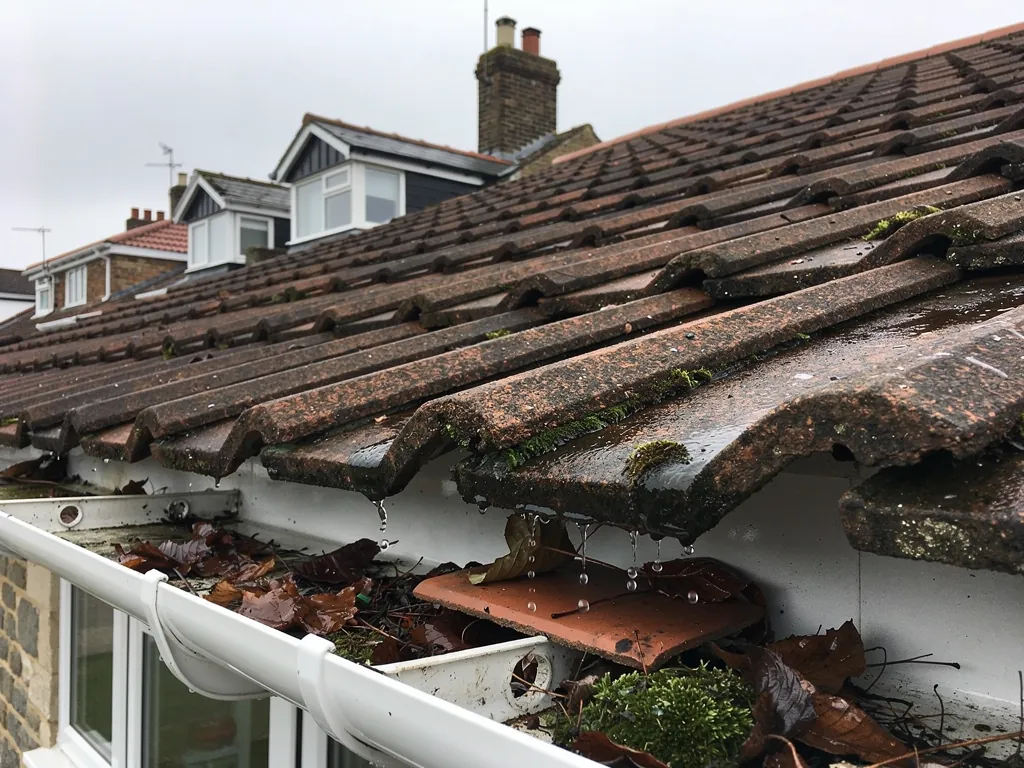
3.1 Gutters on open ground
A gutter in an exposed spot gets worked hard. Brett Martin's installation guidance sets a fall of 1 mm for every 600 mm of run and brackets no more than 900 mm apart, and a run that has sagged between brackets will spill over the low point onto the wall below. After a storm, look for gutters pulled off their brackets and for downpipes knocked out of line. Both are quick to put right if they are caught before the wall below soaks through. Where a bracket has rusted or a joint has opened, a short length can be replaced; a full run is only worth renewing when the fall has gone or the sections are cracked. Our emergency roof repairs page explains how a leak is made safe first.
3.2 Old sheet roofs on barns and garages
Rural properties often keep outbuildings with sheet roofs. The HSE tells owners to assume a structure built or refurbished before 2000 contains asbestos, and its guidance A14 treats every asbestos cement roof as fragile, so no one should put weight on one. Broken pieces are lowered gently and never chucked down a chute. We identify a sheet before touching it. Bats and nesting birds are legally protected, so we also look under the eaves before work starts.
3.3 Scaffold on a through road
Stane Street was built to carry traffic, and a scaffold that stands over the road or footway needs a licence from the county council as highway authority. West Sussex asks for at least 10 working days' notice and charges £266 for a month, with a fast-track option costing an extra £52. A village job is planned around that notice from the first visit. The fast-track route speeds things up but costs more, so we raise it early and let you decide.
Roofing services around Coldwaltham
Frequently asked questions
Questions from Stane Street to St Giles
Can I repair a Coldwaltham house roof like for like without applying to the National Park?
Usually a like-for-like repair that leaves the outward look unchanged is not development, and the SDNPA lists no Article 4 direction for Coldwaltham. A listed house is different, and so is any change of covering in a conservation area. Ask the Park's planning team about your address, send us their reply, and we will price the job around it.
Which of Coldwaltham's two conservation areas does my house sit in?
The SDNPA lists Coldwaltham (North) and Coldwaltham (South), and Watersfield and Hardham have their own. The Authority's Horsham conservation area maps show the lines, so the map is the place to start. Check your address on the map, or ask the Park's planning team, before roof work is priced, and keep a screenshot of the map with your records.
Who handles Building Regulations for a Coldwaltham re-roof, the National Park or Horsham?
Building control stays with Horsham District Council, or a registered building control approver you appoint, a regime that has run since April 2024. The National Park Authority deals with planning applications, not building control. Whether a re-roof needs notifying depends on the share of the roof, and of the whole envelope, that is touched, and we explain which case yours is before work begins.
Why are the St Giles church roofs treated differently from a village house roof?
A parish church in regular worship use is exempt from listed building consent, and works to it go through the faculty system, which the parish arranges. A house has no such exemption. If it is listed, minor like-for-like repairs need no consent but changes affecting its character do. We ask which category the building falls in before we quote.
Nearby areas
Get a quote
Tell us about your roof
Describe what's happening and we'll call you back.
Loading the enquiry form. You can also call 01243 252373.