
Roofers in Amberley
Thatch, blue stone and a castle ridge
Amberley's roofs sit on a low ridge of greensand between the Downs, the Arun and the Wildbrooks, where thatch is common in the conservation area and the castle and church date from the early 1100s.

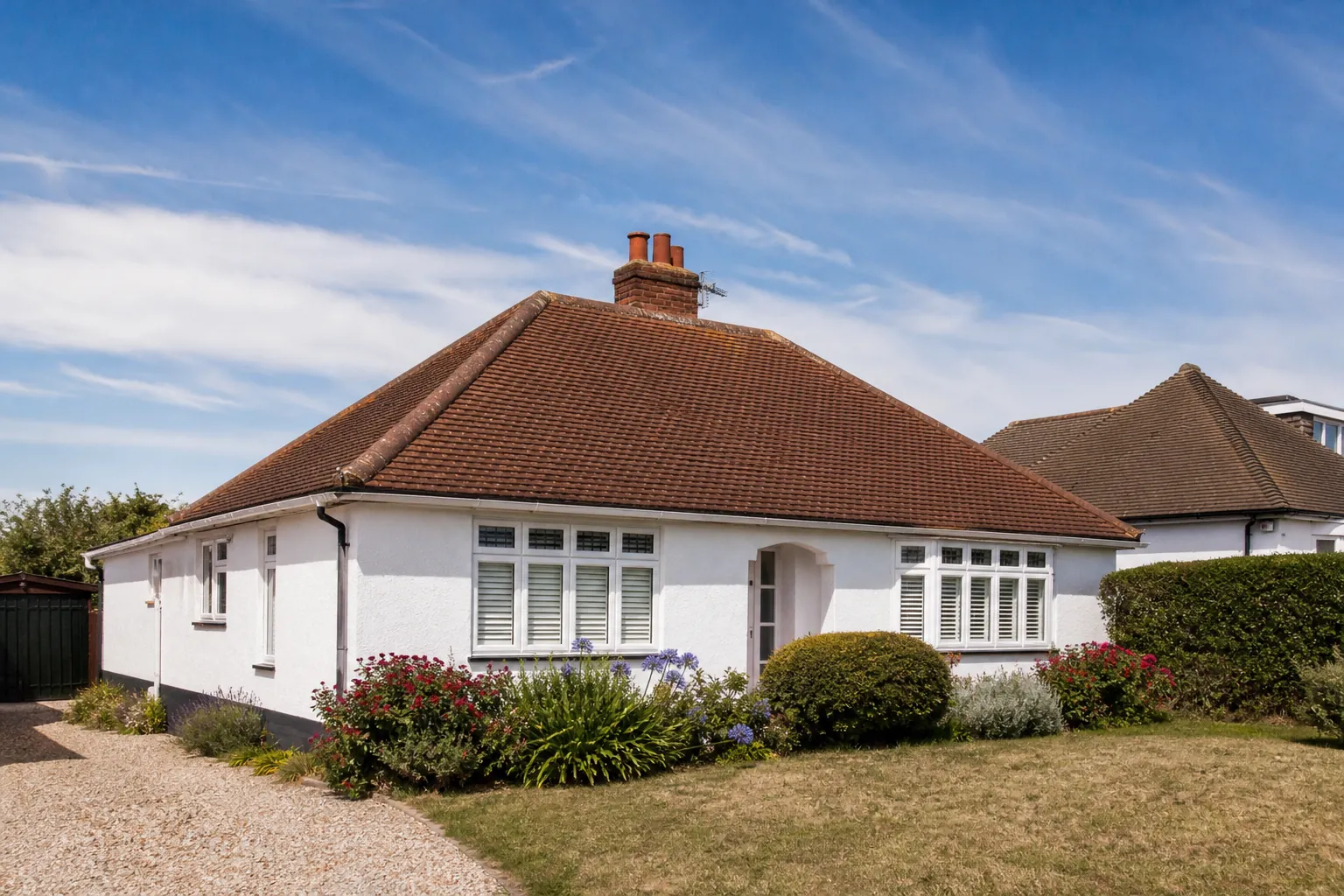
Amberley roofs
From thatch in the old village to the Wildbrooks edge
-
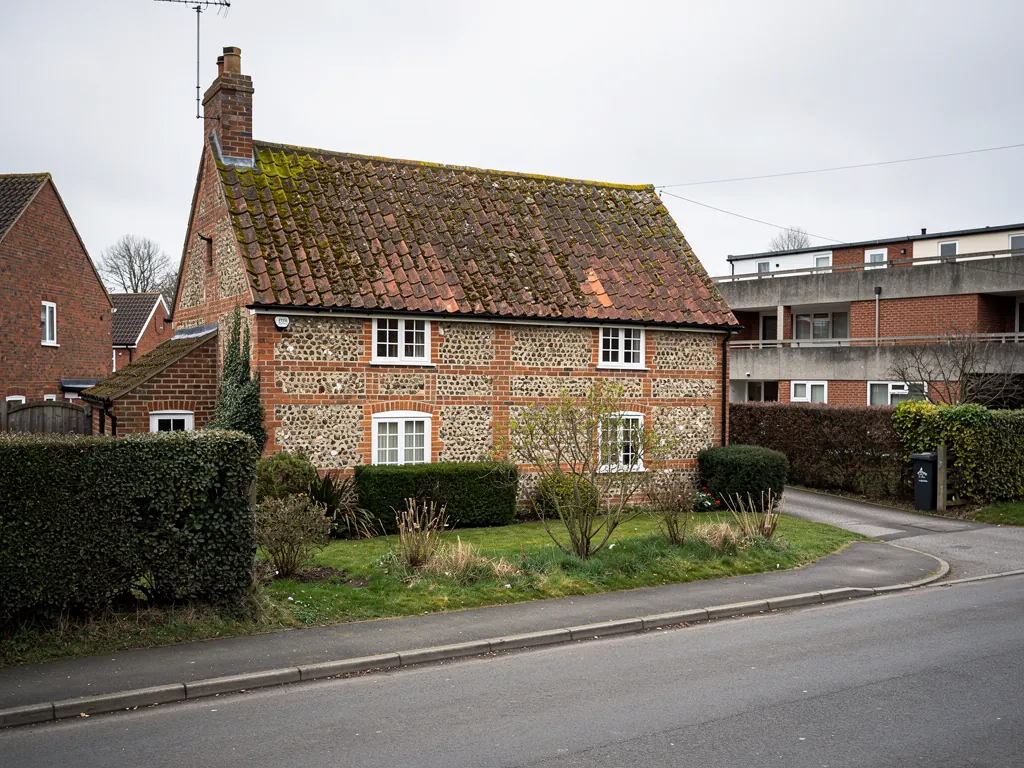
Thatch in the conservation area
The Neighbourhood Plan says most of the parish's thatched houses stand in the old part of the village, which is a conservation area holding more than 60 listed buildings and a good deal of local character.
-
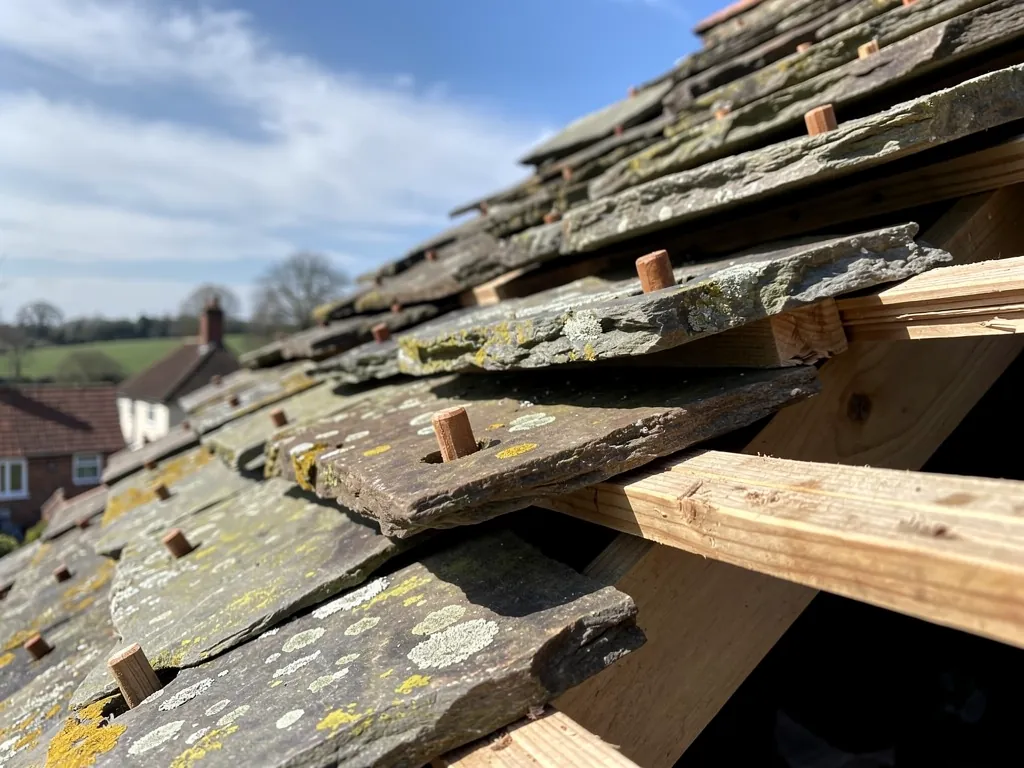
Walls of Amberley blue stone
The village stands on a ridge of Upper Greensand rock often called Amberley blue stone, so older roofs meet thick stone walls where lead, flashings and gutters have to be dressed to an uneven face.
-
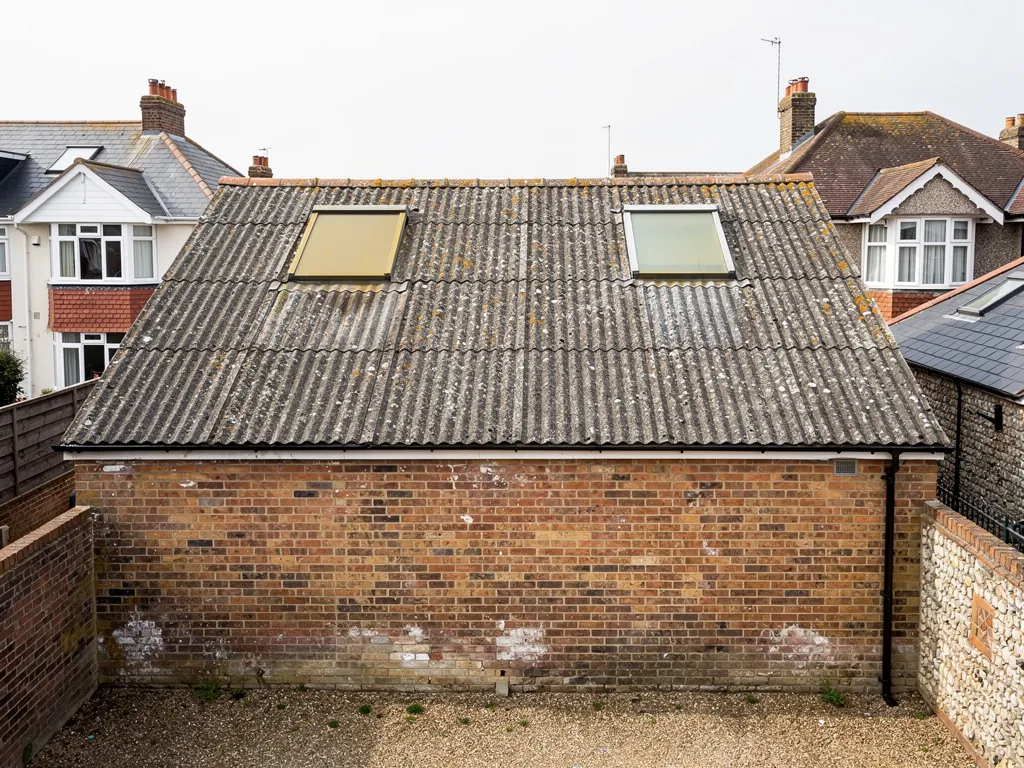
A castle and two Grade I churches
St Michael's Church and Amberley Castle, a fortified manor house built for the Bishop of Chichester, both date from the early 1100s. The parish lists three Grade I buildings and 65 at Grade II.
Map of Amberley, 12.7 road miles north-east of Bognor Regis, with the nearest towns we also cover.
Amberley between the Downs and the Arun
- Council
- Horsham District Council
- Planning
- South Downs National Park Authority
- County
- West Sussex County Council
- Conservation area
- Amberley Conservation Area, the old part of the village
- Article 4
- Ask the National Park Authority before assuming roof rights
- Listed landmarks
- Amberley Castle and St Michael's Church, both Grade I
- Distance
- 12.7 road miles north-east of Bognor Regis, about 23 minutes by car
Amberley notes
Thatch, greensand and the castle ridge
Three corners of Amberley, each with its own habits, and what the roof work in each tends to involve.
Chapter 1: Thatch and blue stone on the greensand ridge2684
Sheet 01 / 03Amberley sits on a low ridge of Upper Greensand rock, hemmed in by the Downs to the south, the River Arun to the west and the Wildbrooks to the north. The rock is often called Amberley blue stone, and it shows in the older walls. A roof that lands on a wall like that cannot be treated as a plain rectangle. Stone faces are uneven, joints wander and old walls move a little, so the junctions between roof and wall need cutting to fit by hand. That is slower than a standard job, and worth it. On a house of this kind the survey starts at the wall, because the wall decides how the roof can be mended. We also look at the loft side of the stone, where damp often shows before the ceiling below does.
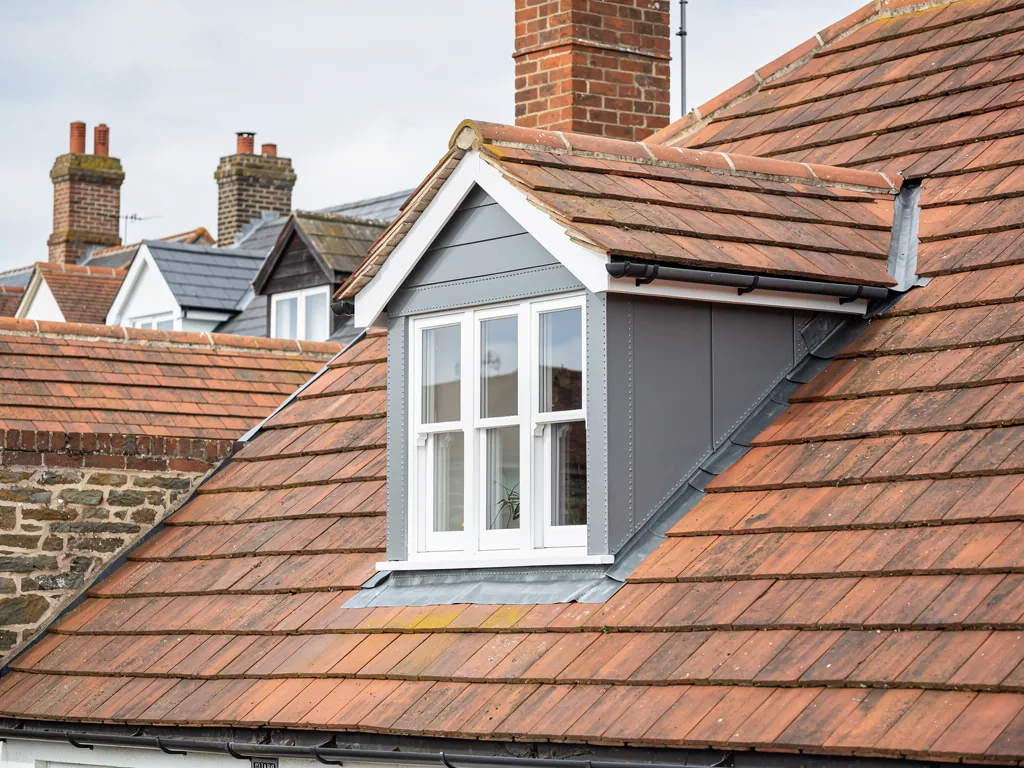
Before work beside thatch or stone
- Where the thatch begins
- Condition of lead on stone
- Chimney shafts near thatch
- Moss on north-facing slopes
1.1 What thatch means for the roof next door
According to the Neighbourhood Plan, made in 2017, the old part of the village is a conservation area with more than 60 listed buildings, and most of the parish's thatched houses stand in it. Thatching is a specialist craft and the thatcher should look after the thatch. The roofs beside it are our concern: tile or slate on an extension, a porch, a shared wall, a garage that backs on to a thatched garden. Sparks from a chimney are the usual worry around thatch, so shafts and flues next to it get a careful look. Our chimney repairs page explains what we check on a stack.
1.2 Lead where roof meets stone
Lead is the material that makes a join between slope and stone wall watertight. It is dressed into a cut joint, or a groove, and folded over the roof covering. Old flashings crack along their folds or lift as the wall moves, and water then runs behind them. A strip of lead that has split can look fine from the garden while a loft stain tells another story. Lead comes in codes by thickness, and flashings are commonly cut from code 4 or 5. Our lead roofing and leadwork page explains the codes. A repair that renews one failed run is often enough, and sound lead stays where it is. If a whole side has been patched with sealant over the years, that is a sign the run needs taking out and doing again.
1.3 Damp lanes by the Wildbrooks
Low ground to the north means damp air, and a north-facing slope that never dries gathers moss. Cleaning is a job that can be done on the roof you already have, and it is often the cheaper answer than a new covering. Our roof cleaning and moss removal page explains what is involved, and why we look at the tile edges and the gutters afterwards instead of walking away.
Chapter 2: Castle, church and a village full of listings2745
Sheet 02 / 03Both St Michael's Church and Amberley Castle, a fortified manor house built for the Bishop of Chichester, date from the early 1100s. The parish has three Grade I buildings, the churches of Amberley and North Stoke and the castle, and 65 at Grade II. Few villages of this size carry that many listings, and the number matters because it shapes how a roof job is approached. A tiled barn, a slate outbuilding and a thatched cottage can all stand within a few paces, and each has its own rules. Matching a new covering to an old one is partly a question of colour and texture, and partly of weight, because older timbers were cut for older tiles.
Three answers for a listed village roof
- RepairCracked tiles and failed lead are put right while the covering stays.
- OverhaulRidge, valleys and flashings are renewed on a covering that has years left.
- RelayThe covering comes off, sound units are saved and a new fixing goes underneath.
2.1 Who decides, and when to ask
Amberley lies in the South Downs National Park, in an area where the National Park Authority handles planning applications itself. Building control belongs to Horsham District Council. Putting back what was there on an ordinary roof is not usually a planning matter, but for a listed building the test is whether the work would affect its special character, and the Authority's own advice is that like-for-like repairs done in place are not caught by that test. A call is always cheaper than guessing. For anything involving new roof windows, read our skylight planning permission guide first.
2.2 Churches and their own routes
Repairs to an Anglican church still in regular use go through a faculty rather than listed building consent. Other denominations run approval systems of their own. A church that has closed for regular worship is brought under the normal listed building controls, and a scheduled monument, which includes ground in some churchyards, needs a separate consent from the Secretary of State. If you care for a church roof, ask your parish before anyone climbs up, and keep the photographs for the file.
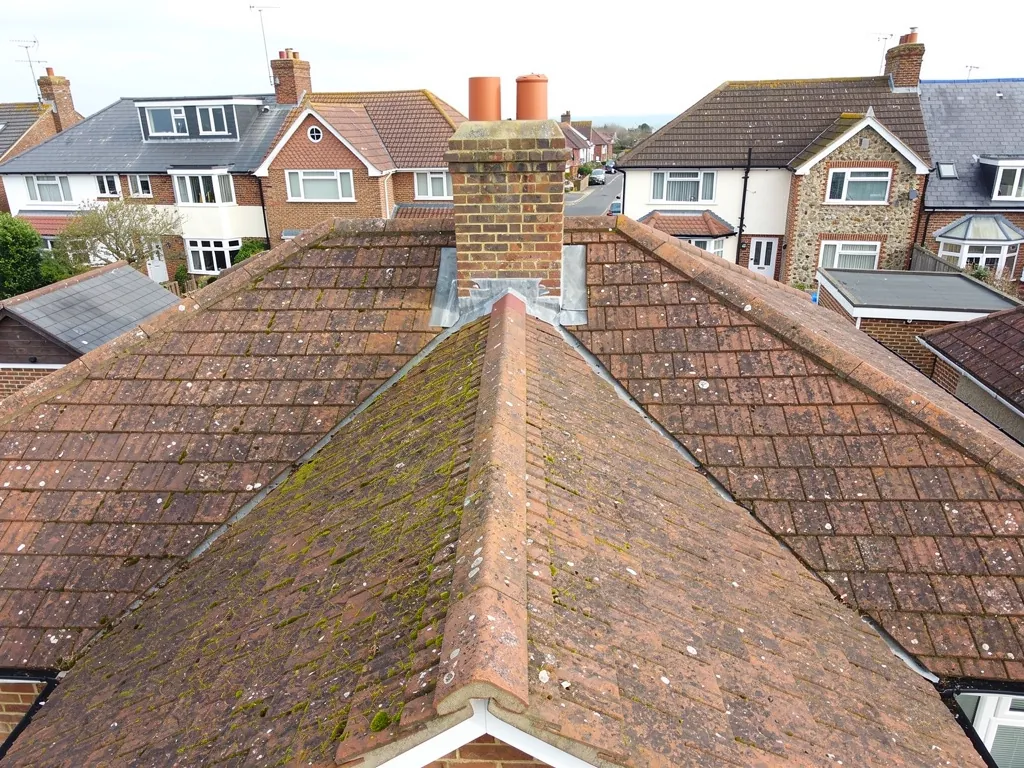
2.3 What a listed roof asks of the survey
We photograph the covering, the ridge, the valleys and the lead before offering an opinion, and we read the list entry. Then comes a plain verdict: repair, patch or replace, and the reason for it. Where a listed house needs more than a repair, we name the consent route the council is likely to expect before the quote is written. In a village like this the paperwork can take longer than the roofing, so it is worth starting early, and worth asking for the weather cover to be arranged while you wait.
Chapter 3: Chalk pits, later houses and roof costs2379
Sheet 03 / 03Quarrying of chalk for lime-burning and cement began commercially at Amberley in the 1840s, and the Chalk Pits business closed in the mid-Sixties and is now an industrial museum. That industrial past sits oddly beside the thatch, but it is part of why the village is not one single age. Older cottages sit beside later houses and extensions, and what suits a 17th-century roof does not suit a postwar flat-roofed extension.
Small roof jobs in UK cost guides
- Ridge tile repairs, per metre£50 to £70
- Lead flashing repairs, per metre£50 to £70
- Roofer, per day£280 to £360
These are national guide figures. The written quote follows our survey and carries one total price for your roof.
Source: Checkatrade roof repair cost guide, table last updated June 2026
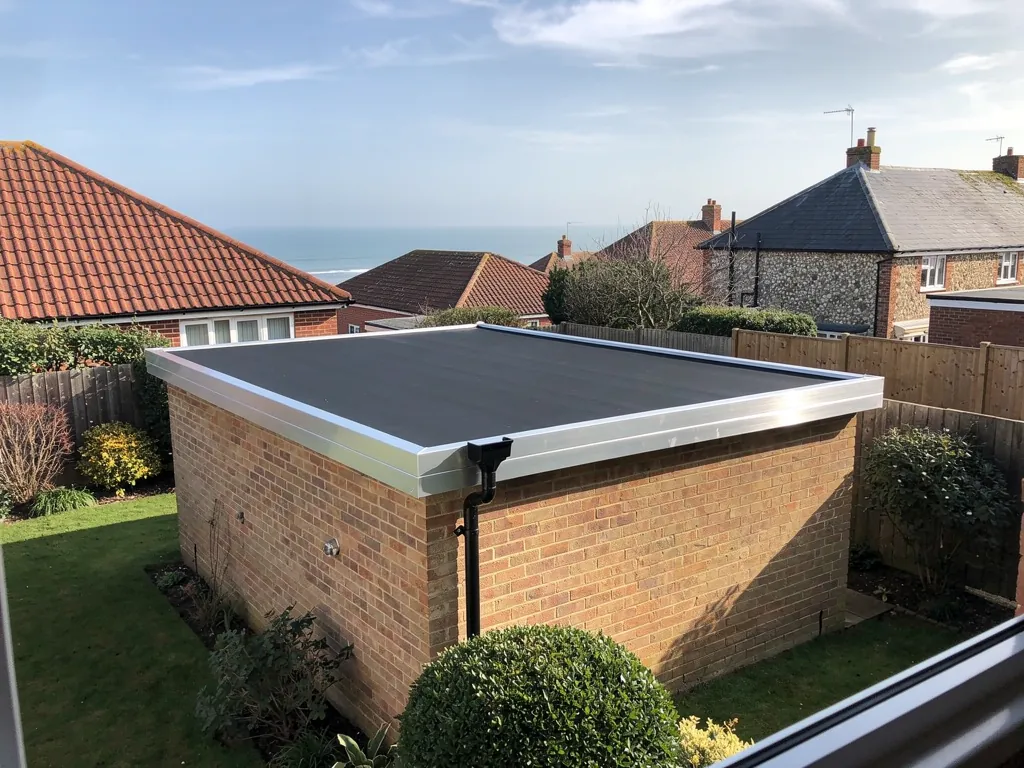
3.1 Flat roofs, garages and asbestos
A postwar extension or a garage with a flat roof ages differently from a pitched one. The covering wears, joints open and water ponds where the deck has settled. BS 6229:2025 keeps a minimum finished fall of 1:80, and roofers usually design for around 1:40 so the surface drains. If a flat roof ponds, the deck is the question as much as the covering.
Many later outbuildings and garages carry sheet roofs. HSE guidance tells owners to assume asbestos is in any building built or refurbished before the year 2000, until a check says otherwise. Asbestos cement that is carefully handled and not broken up is non-licensed work, but a roof that has broken up creates dust and becomes notifiable. Roofs of that kind are fragile, so never walk on one. If you suspect a garage roof is asbestos cement, leave it alone and tell us. Household asbestos waste needs a consignment note, and it must be double-wrapped and labelled, so it is not something to put in a general skip. We survey those roofs before any quote is written.
3.2 What UK cost guides say
Checkatrade's roof repair guide gives typical UK figures for common small jobs, shown below. They are national, exclusive of VAT, and no substitute for a survey. Access, the height of the eaves and what the survey finds all move the final figure. Read any quote for a line about VAT and scaffold, and ask the same question of every firm you invite. On a narrow lane, the licence for scaffold is issued by West Sussex County Council, and your roofer can tell you who applies.
3.3 Bats, birds and timing
Old roofs can hold bats or nesting birds, both protected. Tell us what you have seen, and the timing of the work will be set around it. A roost found mid-job stops the job, so asking at the survey saves everyone time.
Roofing work across Amberley
Frequently asked questions
Questions from the castle to the Wildbrooks
Can I repair a tiled extension that backs on to a thatched Amberley cottage?
Yes, but the junction needs care. We check the lead along the shared wall, the gutter beside the thatch and the nearest chimney. The thatch stays with a thatcher, and we photograph our side of the join so each trade sees what the other has done. Near thatch, a spark from a poorly kept flue is the main worry, so any stack is looked at first.
Does Amberley blue stone make roof flashings harder to fit?
It makes them slower rather than impossible. The faces are uneven and the joints vary, so each lead strip is cut and dressed to the wall in front of it. A chased joint is better than a surface fixing where the stone allows. We check the stone first, because a crumbling joint will not hold lead however neatly the strip is bent.
Who do I ask first before changing the roof of a listed house in Amberley?
Start with the list entry, then the South Downs National Park Authority, which handles planning in this part of the Park, with building control at Horsham District Council. Like-for-like repairs usually need no consent, but a new covering or roof window might. The survey photographs go to you ahead of the written quote, so the question you put to the council is a specific one.
Is moss on a north-facing Amberley roof a reason to replace it?
Not by itself. Moss holds water against the tile and can lift edges over time, but if the tiles are sound it can be cleaned off and the roof kept. We look at the tile edges, the battens and the gutters before advising. Replacement is only the answer when the covering underneath has failed, and the survey photographs show whether it has.
Nearby areas
Get a quote
Tell us about your roof
Describe what's happening and we'll call you back.
Loading the enquiry form. You can also call 01243 252373.