
Roofers in Cosham
Below Portsdown, beside Old Wymering
Cosham lies on the mainland beneath Portsdown Hill, and its oldest roofs gather around Old Wymering, where a conservation area keeps medieval buildings and a rural feel.

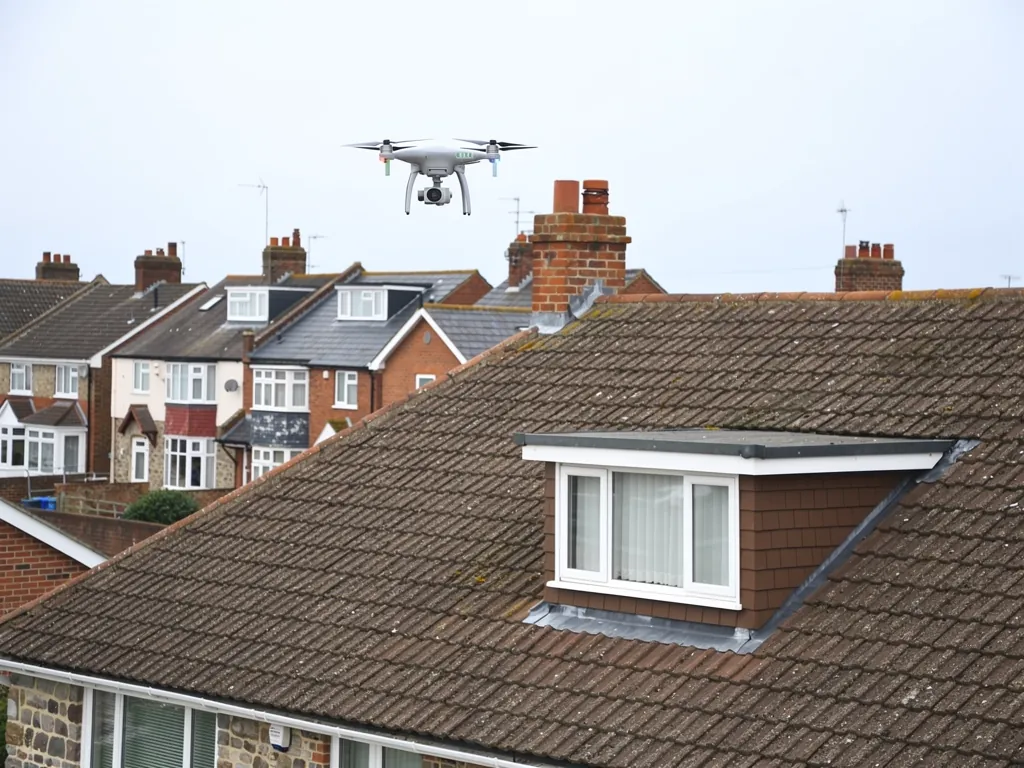
Cosham roofs
Old Wymering, Portsdown and two villages made one
-
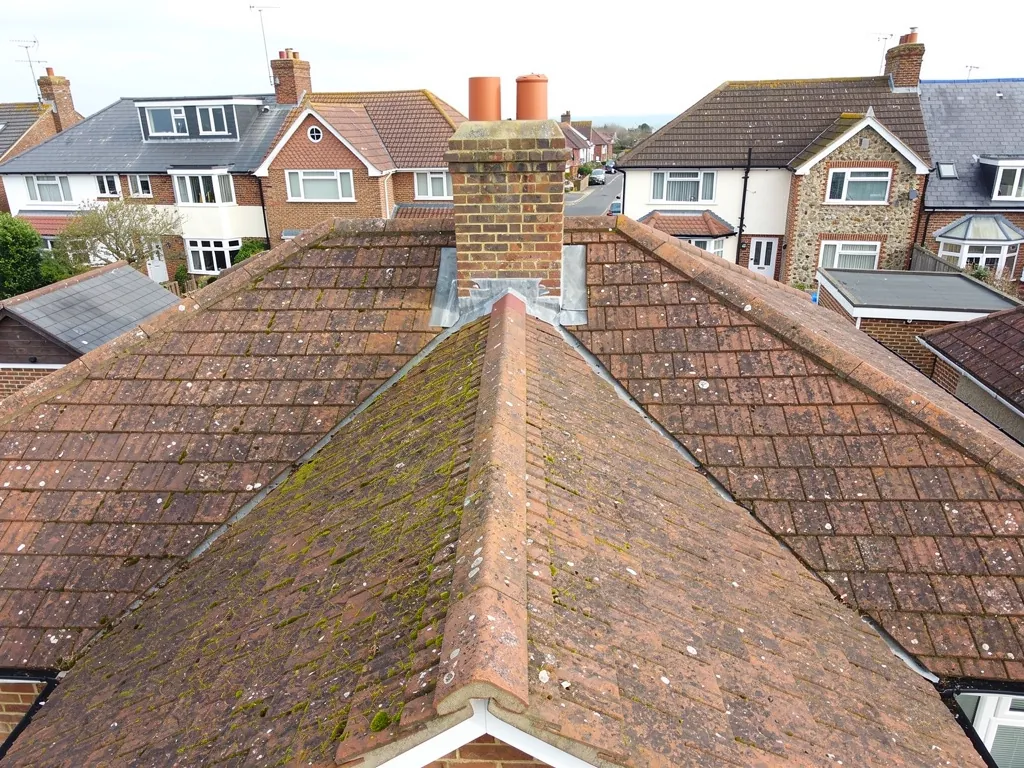
Wymering Manor and its beams
Wymering Manor, half a mile west of Cosham, is Grade II* listed and H-shaped in plan, with a panelled entrance hall and beams that the county history says witness to its age.
-
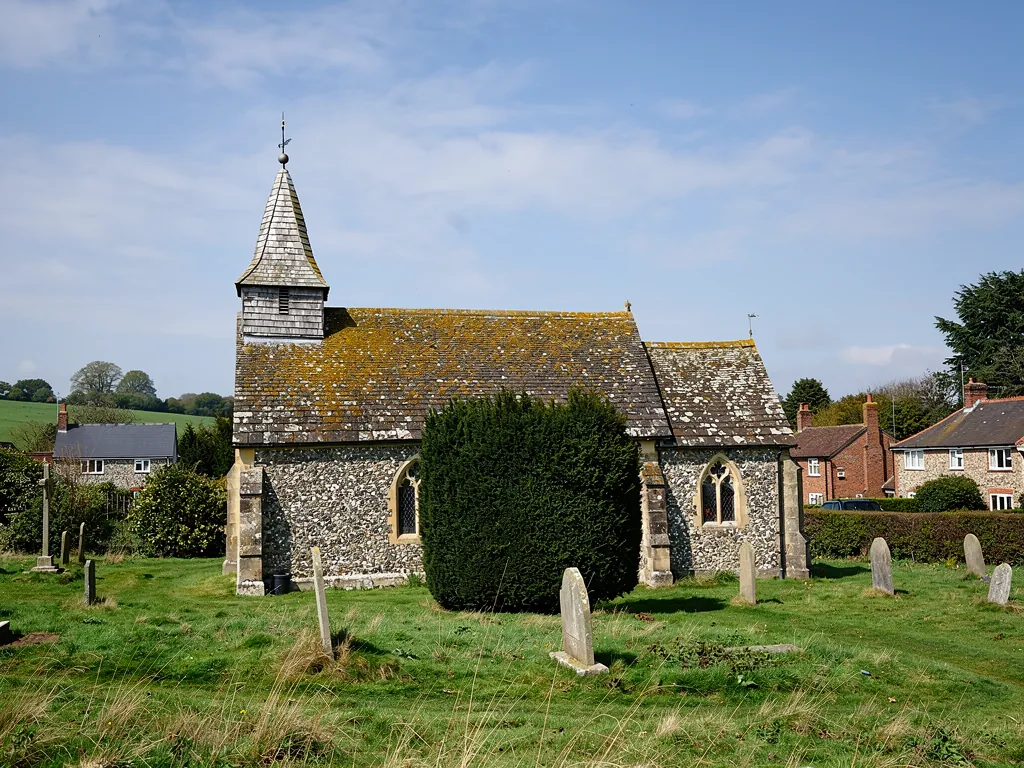
A church that lost its tower
The church of St Peter and St Paul at Wymering lost its small west tower in 1860 and gained a wooden bell-turret. Its north arcade dates from the last quarter of the 12th century, and the church is Grade II* listed.
-
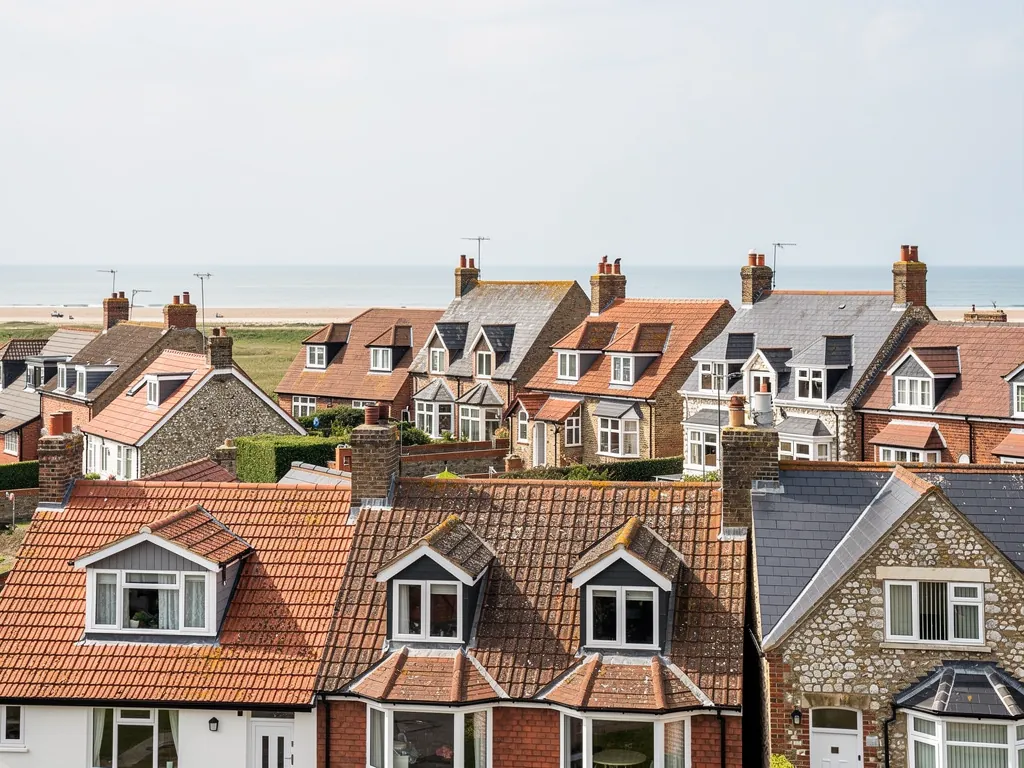
Fort Widley on Portsdown
Fort Widley, on Portsdown above the town, has been Grade II* listed since 30 October 1969. It is a reminder that the hill behind Cosham carries heritage controls of its own.
Map of Cosham, 21.8 road miles west of Bognor Regis, with the nearest towns we also cover.
Old Wymering, west of the centre
- Council
- Portsmouth City Council
- County
- Hampshire
- Conservation area
- Old Wymering (number 11), west of Cosham centre
- Article 4
- None listed on Portsmouth's Old Wymering page
- Listed landmark
- Wymering Manor, Grade II*, list entry 1245180
- Distance
- 21.8 road miles west of Bognor Regis, about 30 minutes by car
Cosham notes
Manor, church and the Portsdown slope
Three things that matter if you own a roof in Cosham: the old settlement at Wymering, the villages that became one parish, and the city council's rules.
Chapter 1: Old Wymering: a manor, a church and medieval walls3050
Sheet 01 / 03Old Wymering lies west of Cosham centre, and Portsmouth City Council describes it as an old settlement with surviving medieval buildings in an area with a rural feel. It is conservation area number 11. Do not imagine the shopping street is inside it; the boundary sits to the west, and a house on the main road may have no area controls at all. Check the council's map before you plan work, because a street that looks the same on the ground can fall on either side of the line. Up on Portsdown, Fort Widley has been Grade II* listed since 30 October 1969. A fortress is not a house, but the lesson carries over: look up the list entry for anything old near you before a ladder goes up.
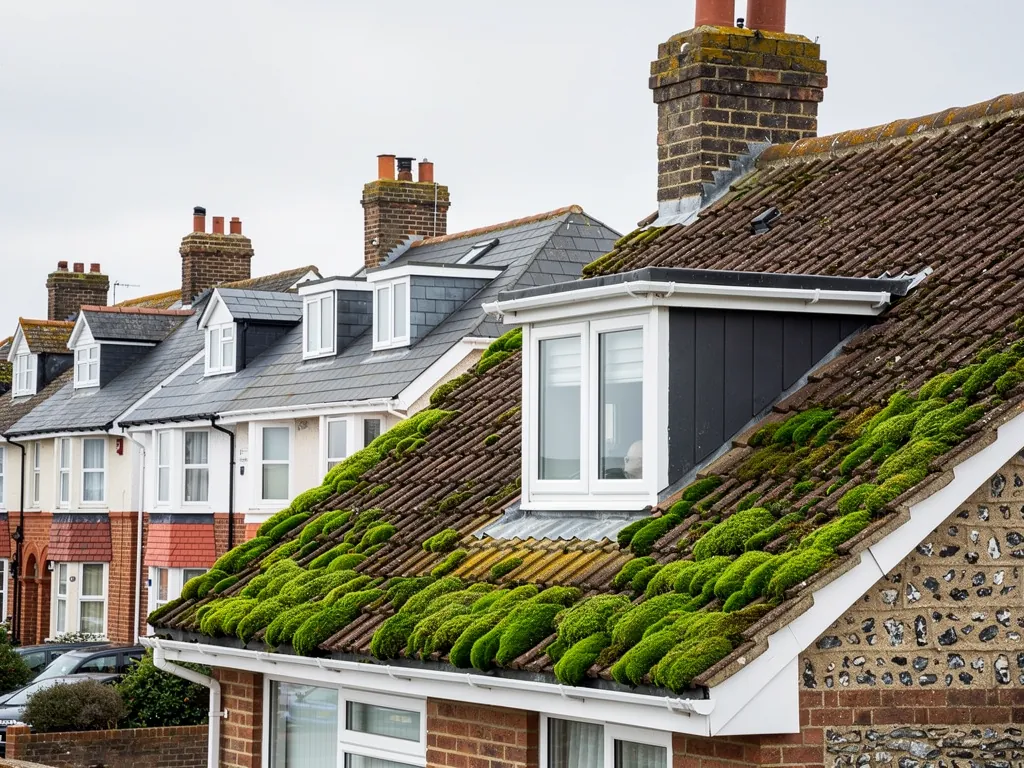
Before work near Old Wymering
- Look at conservation area 11 map
- Search for a list entry
- Ask Portsmouth's planners
- Photograph every junction
1.1 Wymering Manor's H-shaped plan
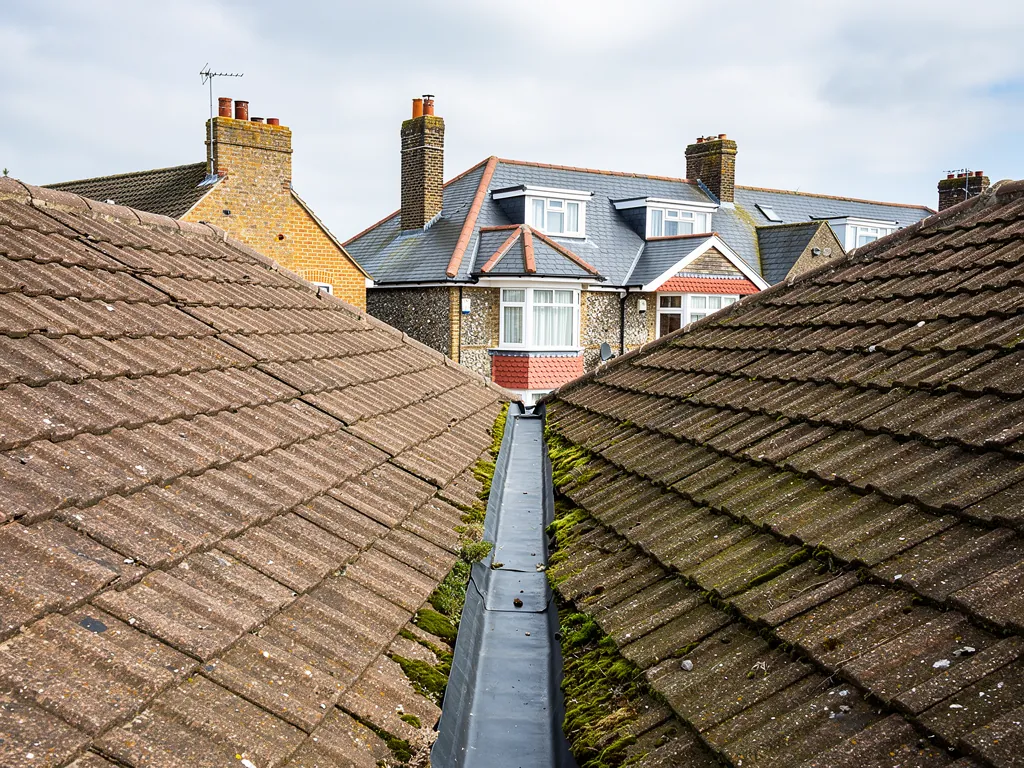
An H-shaped house has two long wings joined by a cross-range, and that shape gives the roof a lot of internal junctions. Where wings meet, a valley (the V-shaped channel where two slopes drain into one line) carries water from both. Where a wing butts against a gable, a flashing seals the joint. Every one of those lines is a place where a roof can leak long before the covering wears out. Wymering Manor is Grade II*, listed on 10 January 1953, so any work that would touch its special character needs listed building consent. We give advice on junction detailing, not on the manor itself, which is for conservation specialists. For a home with a similar plan, our lead roofing and leadwork page explains the lead we use at valleys and abutments.
1.2 St Peter and St Paul and the faculty route
The church of St Peter and St Paul is Anglican, listed Grade II* on 10 January 1953. It is in use for worship, so its repairs follow the faculty route instead of listed building consent, and the government's guidance adds that exterior development can still need planning permission. The 1860 loss of the west tower, replaced by a wooden bell-turret, is a useful reminder that roofs on old churches keep changing. Anyone with a say in the church's fabric should ask the parish and the diocese before a roofer is engaged.
1.3 Homes near the boundary
If your house stands in Old Wymering, or is listed, ask the council before work that alters the look of the roof. If it stands beyond the line, the position is simpler, though not careless. We still photograph each fault and say plainly whether a repair or a new covering is the right call. On the pitched roofing page you can read how we strip, batten and relay a slope in tile or slate.
Chapter 2: Two villages, one parish: Wymering, Cosham and Widley3233
Sheet 02 / 03In 1831 the parish of Wymering contained the villages of Wymering and Cosham. In 1894 it joined Widley to form the parish of Cosham. That bit of history explains why Cosham has an old part and a newer part side by side, and why two houses a street apart can need quite different roof work. We do not guess a roof's age from the postcode. We climb up and read it, because a roof's age decides which jobs are sensible and which are money wasted.
How we date a Cosham roof
- 1Read tilesColour, curve and profile of the covering say a lot about its age.
- 2Check battensTimber and nail condition show whether a repair will hold.
- 3Lift underlayFelt or membrane at the laps shows whether it has aged.
- 4Report backYou get photographs and a plain verdict before any price.
2.1 Dating a roof from the roof itself
The clues are on the roof. Handmade clay tiles with a slight curve and uneven colour point to something old. Smooth, even concrete tiles with a regular profile point to later work. The battens beneath tell a story too: old sawn timber with rusted nail heads, or machine-cut battens with clean galvanised fixings. The underlay is the next clue. Black bitumen felt, brittle and cracked at the laps, suggests a roof that is overdue. A modern breathable membrane suggests someone has been in before. We report what we find, with a photograph of each, so the verdict rests on evidence you can see yourself.
2.2 What the age of the roof means for the job
An old roof does not automatically need replacing. Slipped tiles, cracked ridge pointing and a perished flashing are all repairs. What changes with age is how far the repair can go. When battens are rotten or the nails have failed, a patch holds only until the next gale, and we tell you plainly. Concrete tile roofs are expected to last around 60 years, Marley says, with no guarantee, so a house a few decades old may be well within its life. Our roof repairs page sets out what the smaller jobs involve.
2.3 Garages and flat roofs
Where a building dates from before 2000 or was refurbished then, the HSE tells owners to assume asbestos is there until a test says otherwise, and garage roofs are no exception. Its guidance also calls cement sheet roofs fragile, which is reason enough to keep off them. Careful removal of weathered, unbroken asbestos cement sheet is non-licensed work, but sheets that are badly broken make the job notifiable. A flat roof laid today should have a minimum finished fall of 1:80 under BS 6229:2025, and a good installer designs for steeper. Flat roofs on garages and rear extensions are the ones most often patched again and again, so a proper look at the deck is worth more than another coat of bitumen paint.
Chapter 3: Portsmouth City Council's rules for Cosham roofs2928
Sheet 03 / 03Cosham sits within Portsmouth City Council, a unitary authority that handles planning and building control for the area. That makes the council the first call for most questions. Old Wymering, the conservation area to the west, has no Article 4 direction listed on the council's page for it. Portsmouth has made directions elsewhere, and they matter because they show what a direction can do.
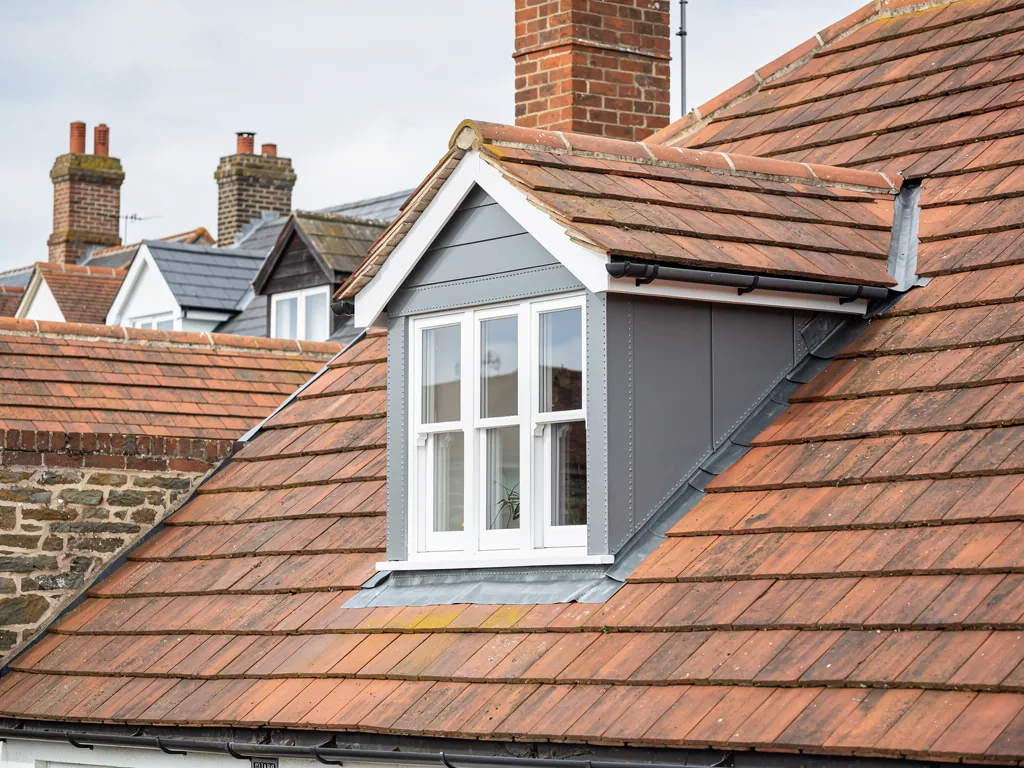
Three outcomes for a Cosham roof survey
- MendIsolated faults, with battens and underlay still sound beneath.
- OverhaulRidge, verge and lead work renewed, main slope untouched.
- RenewThe covering and its fixings have run out of life across the slope.
3.1 What the Article 4 directions elsewhere remove
The council lists directions for conservation areas CA2, CA4, CA12 and CA15, which are in Old Portsmouth and Southsea. Their roof items include taking down or altering chimney stacks, and recovering the main roof face that fronts a highway. None of these is a Cosham direction. They are a useful warning that the rules vary from street to street. The simplest check is to send the council your address and ask three questions: is the house in a conservation area, is it listed, and does any Article 4 direction apply to it? Get the answers in writing, because they decide how far a roof job can go without an application. Keep the reply with the survey photographs and the quote. If you sell the house later, a buyer's solicitor may ask what was done and under what consent.
3.2 Building control for a re-roof
Planning Portal guidance is that a re-roof usually escapes a building control application while under 25 per cent of the building envelope and under 50 per cent of the roof is touched. Portsmouth's own building control team can give a definite answer for your house. Approval is also triggered by a covering at least 15 per cent heavier than the old one, or by one that would perform differently if fire took hold. A solid conservatory roof needs approval too. Where more than half of a roof's surface is renovated, Approved Document L brings in a thermal upgrade, and its Table 4.3 sets a threshold of 0.35 and an improved value of 0.16 W/m²K. If the job is notifiable, the notification is something we deal with for you. Roof windows fitted in the same job fall under Part L as well, with their own limits.
3.3 Access and scaffold
If scaffolding must occupy the footway or carriageway, a licence is needed from the highway authority, which here is the city council, and your roofer can say who makes that application. Ask them how long it takes, and ask whoever quotes you whether the price includes scaffold and VAT.
Roof work we cover in Cosham
Frequently asked questions
Questions from Wymering to Portsdown
What should I expect when repairing a roof beside Old Wymering's medieval buildings?
Expect a closer look at the junctions than on a plain roof. Older buildings have uneven walls, deep joints and valleys where wings meet, so lead and pointing take most of the care. We photograph the faults, tell you whether the covering can stay, and check whether the building is listed or inside conservation area 11 before pricing any work that goes further than mending like for like.
Is there an Article 4 direction on roofs in Old Wymering?
Portsmouth City Council's page for Old Wymering lists none. The council does list directions for other conservation areas, including Old Portsmouth and parts of Southsea, so the answer depends on the address. Check with Portsmouth's planners before you alter a roof, particularly if the house is listed, because listed building consent is a separate matter.
Who gives consent for roof work at the church of St Peter and St Paul in Wymering?
St Peter and St Paul is Anglican and in regular use, which puts it under the faculty system, not listed building consent. The government's guidance says exterior development can still need planning permission. Those decisions sit with the parish and its advisers, and a roofer comes in afterwards, once the scheme is settled.
Can I re-roof a Cosham house without a building control application?
Sometimes. Planning Portal guidance says no application is usually needed while under 25 per cent of the building envelope and under 50 per cent of the roof is touched. A covering at least 15 per cent heavier, or a change in fire performance, alters that. Portsmouth's building control team can confirm for your own job, and the written quote with one total price follows our survey.
Nearby areas
Get a quote
Tell us about your roof
Describe what's happening and we'll call you back.
Loading the enquiry form. You can also call 01243 252373.