
Roofers in Portsmouth
Old Portsmouth, Portsea, island conservation areas
Portsmouth's roofs belong to a naval city on Portsea Island, from the original settlement of Old Portsmouth to dockyard streets and 25 conservation areas on the council's list, several with Article 4 roof controls.

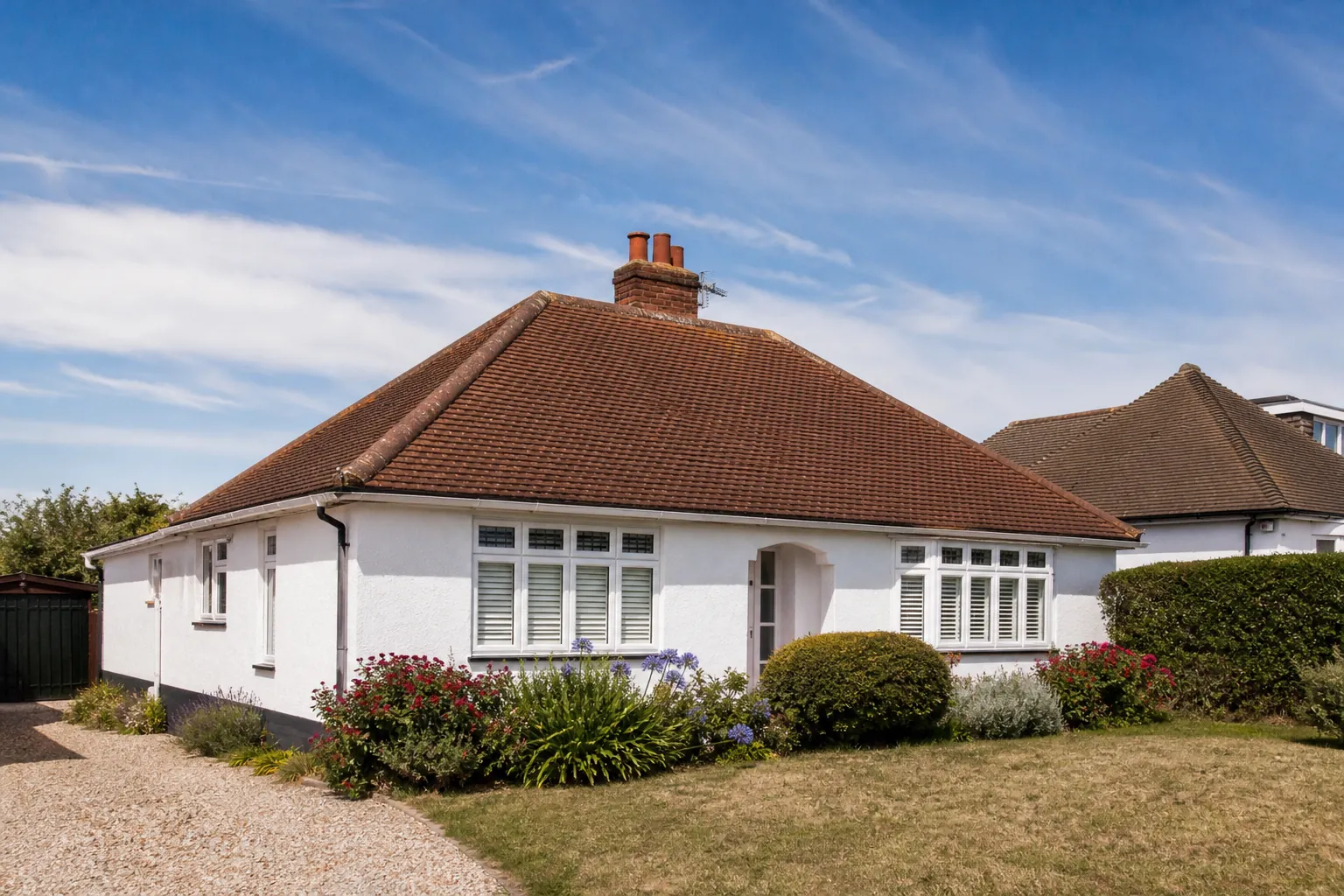
Portsmouth roofs
From Old Portsmouth to the dockyard streets
-
The original settlement
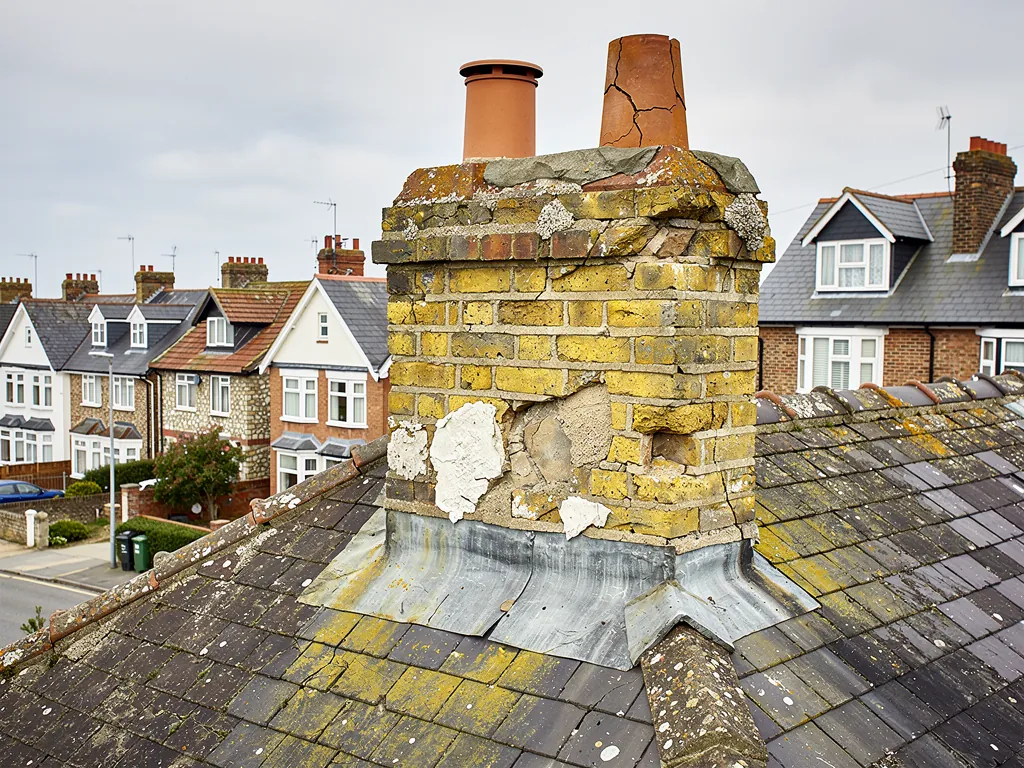
Old Portsmouth is the city's original settlement, and its conservation area, number 4, covers 40 hectares. Chimney stacks and the roof cladding on main elevations fronting a highway are both under council control there.
-
Portsea and the dockyard
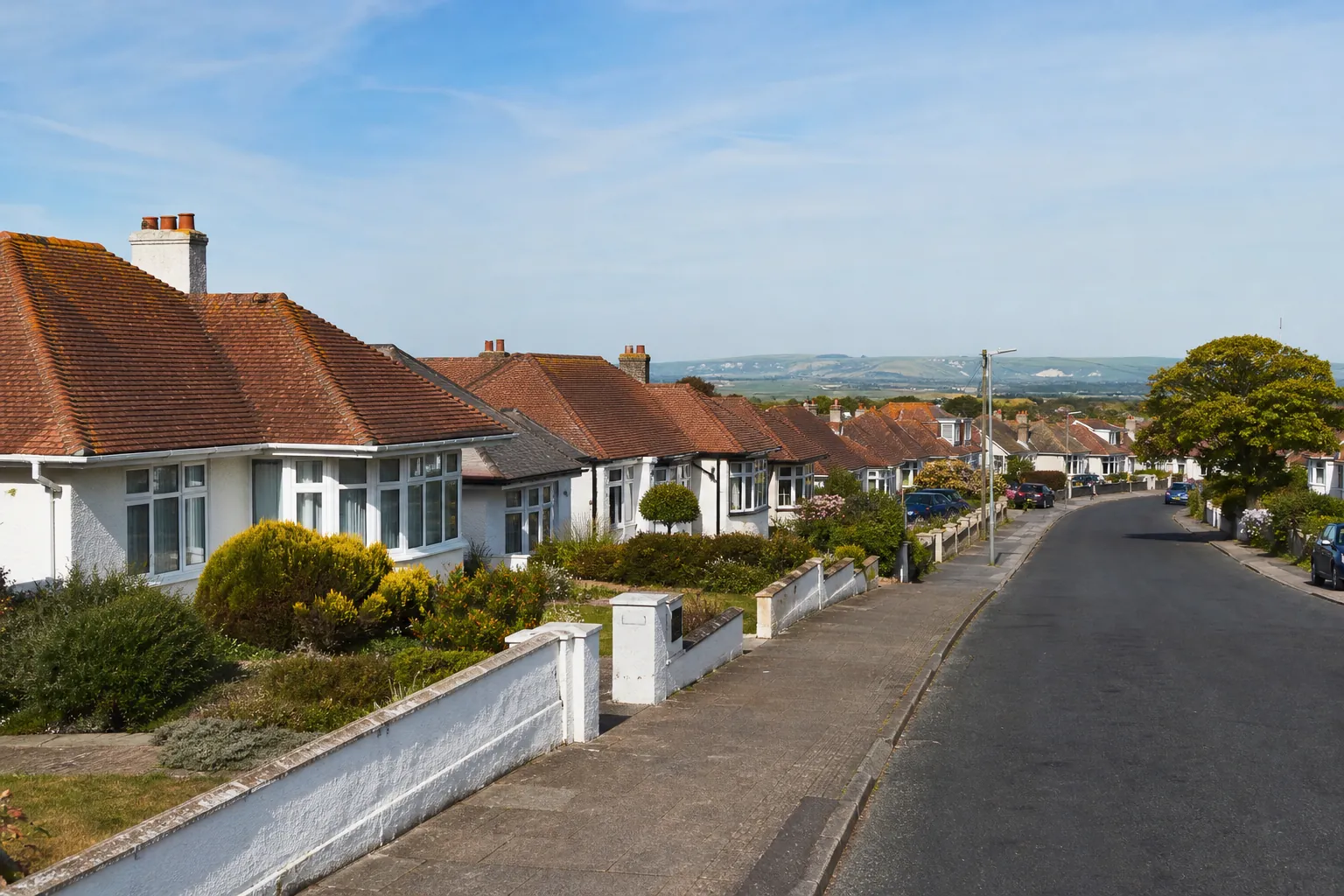
When the docks gained importance in the 17th and 18th centuries, the town of Portsea arose round the dockyard to house its workers. Its streets are part of the stock the city's roofers still maintain.
-
One island by 1908
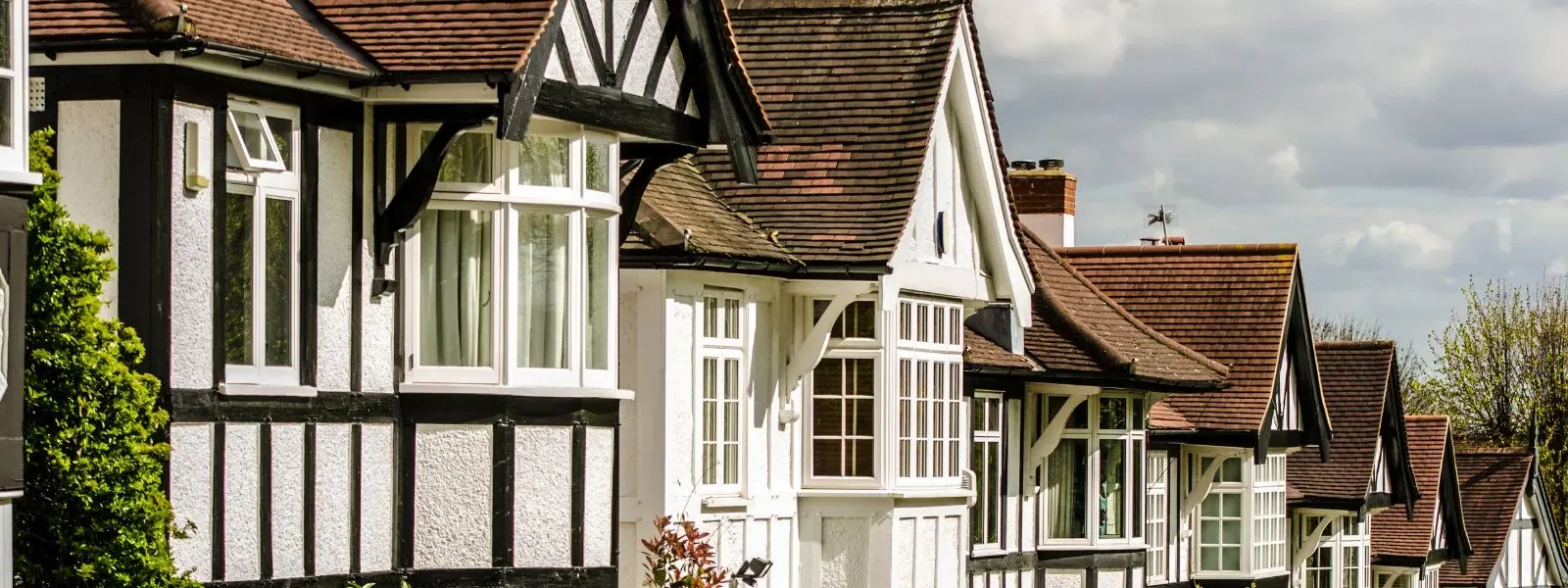
By 1908 Portsmouth and Portsea, with Landport, Southsea, Milton and Eastney, formed practically one town almost co-extensive with Portsea Island. Roof ages and controls change street by street, so the address matters more than the district name.
Map of Portsmouth, 24.2 road miles west of Bognor Regis, with the nearest towns we also cover.
A city of many boundaries
- Council
- Portsmouth City Council
- County
- Hampshire
- Conservation area
- Old Portsmouth (number 4), one of 25 on the council's list, with Guildhall and Victoria Park (number 18) among the others
- Article 4
- Old Portsmouth direction made 3 August 2006, confirmed 2 October 2006, on chimney stacks and front roof cladding
- Listed landmark
- Charles Dickens Birthplace Museum and Portsmouth Cathedral, both Grade I
- Distance
- 24.2 road miles west of Bognor Regis, about 33 minutes by car
Portsmouth notes
Dockyard streets, island boundaries, city landmarks
A naval city built in layers on Portsea Island, and how each layer changes the work on a roof.
Chapter 1: Old Portsmouth's 40 hectares and its chimneys2745
Sheet 01 / 03Portsmouth City Council describes the Old Portsmouth conservation area as covering 40 hectares and containing the old town, the city's original settlement. It is conservation area number 4 on the council's list. The council also notes that many changes to doors, windows, roofs and chimneys remain permitted development in its conservation areas, but that in some cases special controls called Article 4 Directions have been introduced. Old Portsmouth is one of those cases, and anyone with a roof inside the boundary should put a question to the council before booking scaffold.
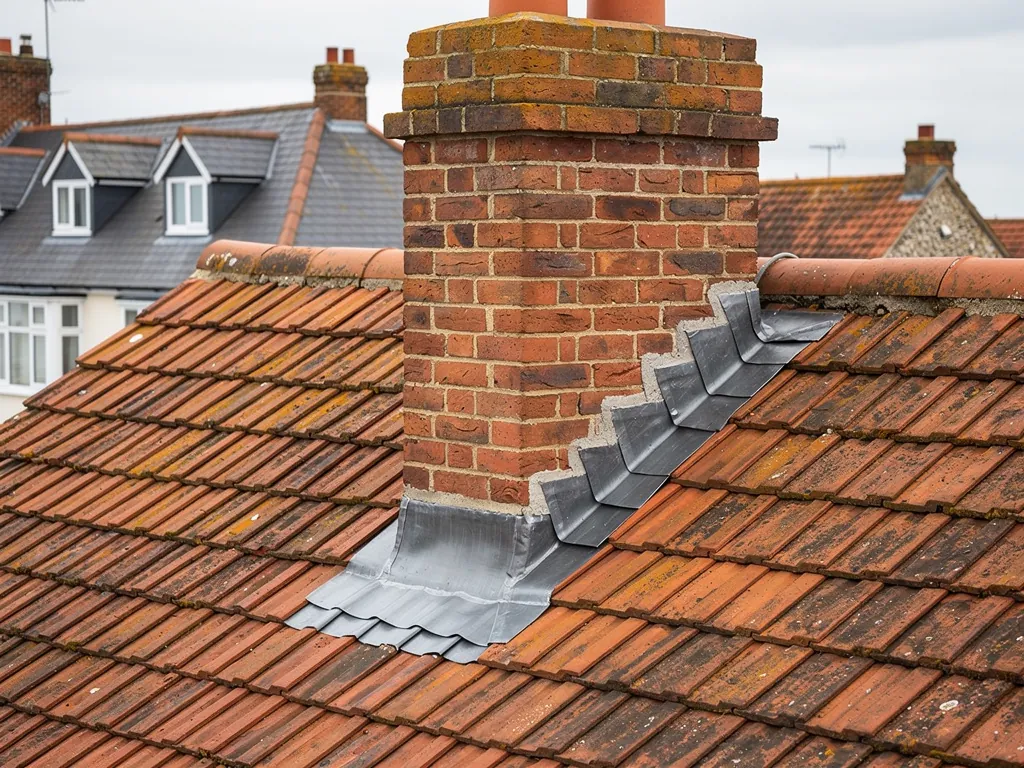
Before roof work in Old Portsmouth
- Check the conservation area map
- Ask the city council's planning team
- Photograph front slope and stacks
- Keep the existing covering
1.1 What the Old Portsmouth direction covers
The Article 4(2) direction was made on 3 August 2006 and confirmed on 2 October 2006. Its subject is the allowances that let householders work on their own roofs without applying; where a direction applies, those allowances are withdrawn for the listed items. Its list takes in removing or altering chimney stacks, and replacing the roof cladding on a main elevation that fronts a highway. Cladding here means the covering itself, whether tile, slate or something else. Re-covering a front slope that faces the street is therefore a planning question, and so is altering a stack.
1.2 Chimney stacks, flashings and pots
Stacks take weather from every side. The faults we meet are crumbling pointing, a cracked mortar cap around the pots and flashing lead that has lifted or cracked at its junction with the slope. Lead is the weak link more often than the brick. For scale, MyJobQuote's guide, updated on 22 September 2026, gives £150 to £250 for patching chimney lead, then £350 to £460 for a full job without scaffold or £700 to £920 with it. Repairing a stack so it stays exactly as it is differs from changing its shape or height, and the council can tell you which category your plan falls into. Our chimney repairs hub sets out the options for each fault.
1.3 Before you ask the council
Gather the address, a photograph of the front elevation and a note of the part of the roof you want changed. Our survey produces pictures of your own roof for exactly that purpose, taken from the ladder or the scaffold, and the price arrives in one written sum after the survey. A clear question to the planning team usually gets a clear answer, and it protects you from paying for a covering the direction does not allow. Say whether the job is a repair or a change of material, and quote the conservation area number if you know it.
Chapter 2: Portsea Island, its boundaries and directions2745
Sheet 02 / 03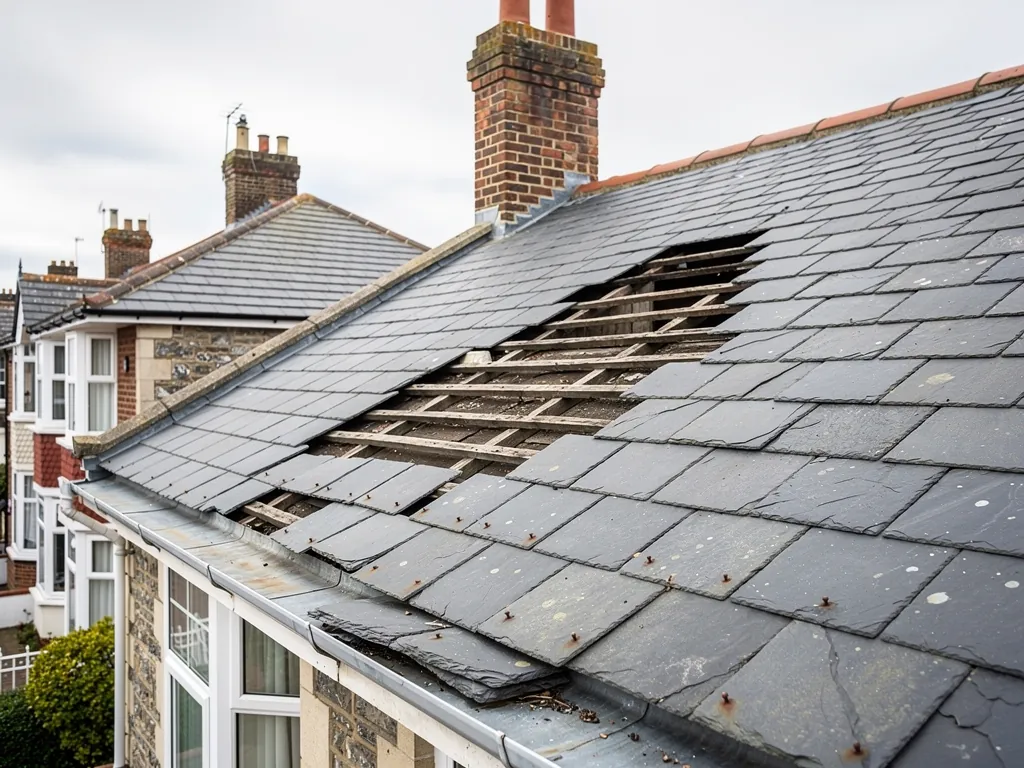
The Victoria County History says that, when the docks came into importance in the 17th and 18th centuries, the town of Portsea arose round the dockyard to house its workers. By 1908 Portsmouth and Portsea, with Landport, Southsea, Milton and Eastney, formed practically one town almost co-extensive with Portsea Island. A city that grew in layers is a city of layered roofs, and the age of any one of them depends on the street. Photographs of the roof in front of us tell us more than any district average could, because neighbouring roofs on one street can be decades apart in age, so a repair on one says little about the next. As a rough guide when weighing up options, CORC says well-kept natural slate can last 100 years or more, while Marley quotes around 60 years for both clay and concrete tile, with its own warning that this is no promise. An old roof may sit well beyond or well short of those figures, which is why a survey comes first.
Two Portsmouth roofs, two sets of rules
Inside a direction
Front roof cladding and chimney stacks are council matters; ask before you start.
Conservation area only
Many roof changes stay permitted development, but listed buildings still need consent.
2.1 Directions beyond the old town
Old Portsmouth is not the only place with roof controls. The council has made similar Article 4 directions elsewhere, with the same two roof items. Owen's Southsea, conservation area number 2, has several street directions. The Castle Road direction, number 12, takes in Castle Road, Garden Lane, Great Southsea Street, Kent Road, Regent Place, St Edwards Road and Southsea Terrace; it was made on 3 September 1998 and confirmed on 28 October 1998. Campbell Road, number 15, covers 39 to 83 odd, made on 13 January 1997 and confirmed on 19 February 1997. Each protects front roof cladding and chimney stacks. Guildhall and Victoria Park is number 18 on the council's list, which shows how many separate boundaries one city can hold. The council's conservation area pages set out the directions street by street, so read the page for your own conservation area before you plan any work.
2.2 Inside a conservation area, outside a direction
A roof can sit inside a conservation area and still be free of an Article 4 direction. The council confirms that many roof changes stay permitted development there. Conservation area status still brings its own controls, and a listed building adds listed building consent on top. Put your own address to the city council's planning team instead of assuming. Our pitched roofing hub shows how a tiled or slated slope comes off and goes back when the covering has finished its life.
Chapter 3: Grade I landmarks and the city's highways2501
Sheet 03 / 03Portsmouth holds Grade I buildings that show how seriously listing is taken. The Charles Dickens Birthplace Museum was first listed on 10 January 1953 and is Grade I, and the Cathedral Church of St Thomas carries the same grade and the same listing date. Listed building consent covers works that would alter a building's special character, and a repair in matching material usually sits differently from a change. Read the list entry first. For a place of worship in use, which route applies turns on the denomination, so the parish or the council can say.
Three verdicts for a city roof
- RepairTiles, flashings and stacks fixed while the covering stays.
- PatchA stop-gap that holds water out until bigger work is scheduled.
- ReplaceA full strip and new covering, once the old materials are finished.
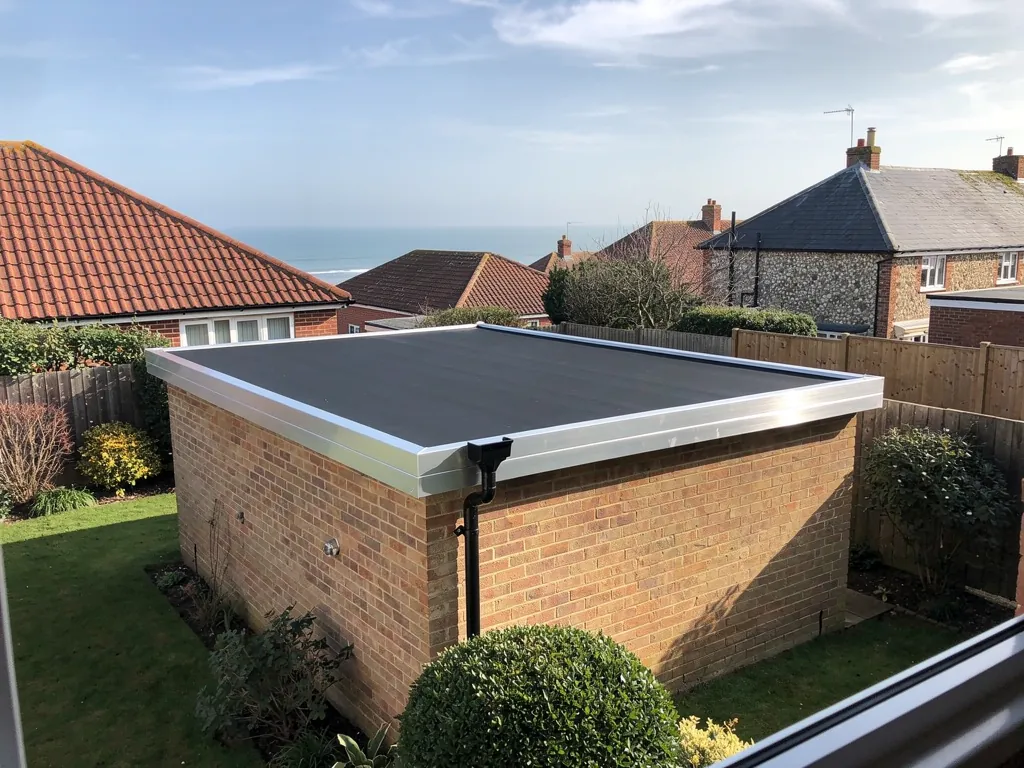
3.1 Scaffold and the highway authority
Roof work in a city often needs scaffold on or above the public highway. That calls for a licence from the highway authority (Highways Act 1980, section 169), issued by the city council; ask your roofer who makes the application. For a sense of the cost, Checkatrade's scaffolding guide, updated in February 2026, gives around £875 per month to put scaffold round a two-storey semi. In Portsmouth the highway authority is the city council, so we plan the job around that licence and tell you at the survey when it applies. The timescale and the fee are the council's to set. Before work starts we agree where materials, skip and scaffold will stand, and when the job ends we clear the site and take the waste away.
3.2 Making a leak safe first
If water is coming in now, a live leak jumps the queue with us, and the first visit is about stopping water. Tell your insurer promptly, keep pictures of the damage, and receipts for emergency work. We can give you clear pictures and a written account of what we found, which is what an insurer will want to read.
3.3 Flat roofs on extensions and garages
On any flat roof the fall decides its life. BS 6229:2025 sets a minimum finished fall of 1:80, and designers go steeper so water keeps moving once the structure has settled. Water lying there the next day tells you the fall has failed. Our flat roofing hub explains when a local repair is worth paying for and when starting over with a fresh membrane makes more sense. Garage roofs deserve a separate word. HSE advice for a garage built or refurbished before 2000 is to presume asbestos is there until someone has checked. Carefully handled asbestos cement is non-licensed work, substantial breakage makes it notifiable, and household asbestos waste travels under a consignment note, so do not break up old sheets yourself.
Roofing help for Portsmouth
Frequently asked questions
Portsmouth questions, from Old Portsmouth to Campbell Road
Do I need permission to re-cover a street-facing slope in Old Portsmouth?
Probably. The Article 4(2) direction made on 3 August 2006 and confirmed on 2 October 2006 lists replacing the roof cladding on a main elevation fronting a highway, and taking out or altering chimney stacks. Take your address to Portsmouth City Council's planning team first, with a photograph of the slope. Putting back the same material is a different matter from changing it, and the team can tell you which one yours is. That one call can save you buying a covering the direction would not allow.
Is Campbell Road in Southsea covered by the same roof controls as Old Portsmouth?
The Campbell Road direction for numbers 39 to 83 odd, made on 13 January 1997 and confirmed on 19 February 1997, follows the same pattern: front roof cladding and chimney stacks. Other streets have their own directions, so a neighbouring road may differ. Check your own house number with the city council before ordering tiles or booking a roofer.
Can a roofer start immediately if my chimney stack is leaning?
A dangerous stack is made safe first, and the rest follows. If your house is inside a direction that covers chimney stacks, the council must be consulted before the stack is altered or taken down. We photograph the stack, explain the choices between repair, rebuild and removal, and give you one written total price when the survey is done. Where scaffold is needed, we tell you so at that visit, because a licence from the council may be involved.
What does a Grade I listing mean for the roof of a Portsmouth house?
Few houses are Grade I, but the principle holds for any listing: works that alter character need listed building consent, while repairs in matching material are treated differently from changes. Read the list entry on the national register and ask the city council. We match slates, tiles and lead to the existing roof and photograph each stage so you can see the work. On a listed house that matching is the heart of the job, and any change beyond like-for-like repair goes to the council before a tile is lifted.
Nearby areas
Get a quote
Tell us about your roof
Describe what's happening and we'll call you back.
Loading the enquiry form. You can also call 01243 252373.