
Roofers in Funtley
Meon valley, listed farmhouse, ironstone past
Funtley lies in the Meon valley north of Fareham, once part of Titchfield parish, with a Grade II* farmhouse, a Grade II church and the ruins of an old iron mill.

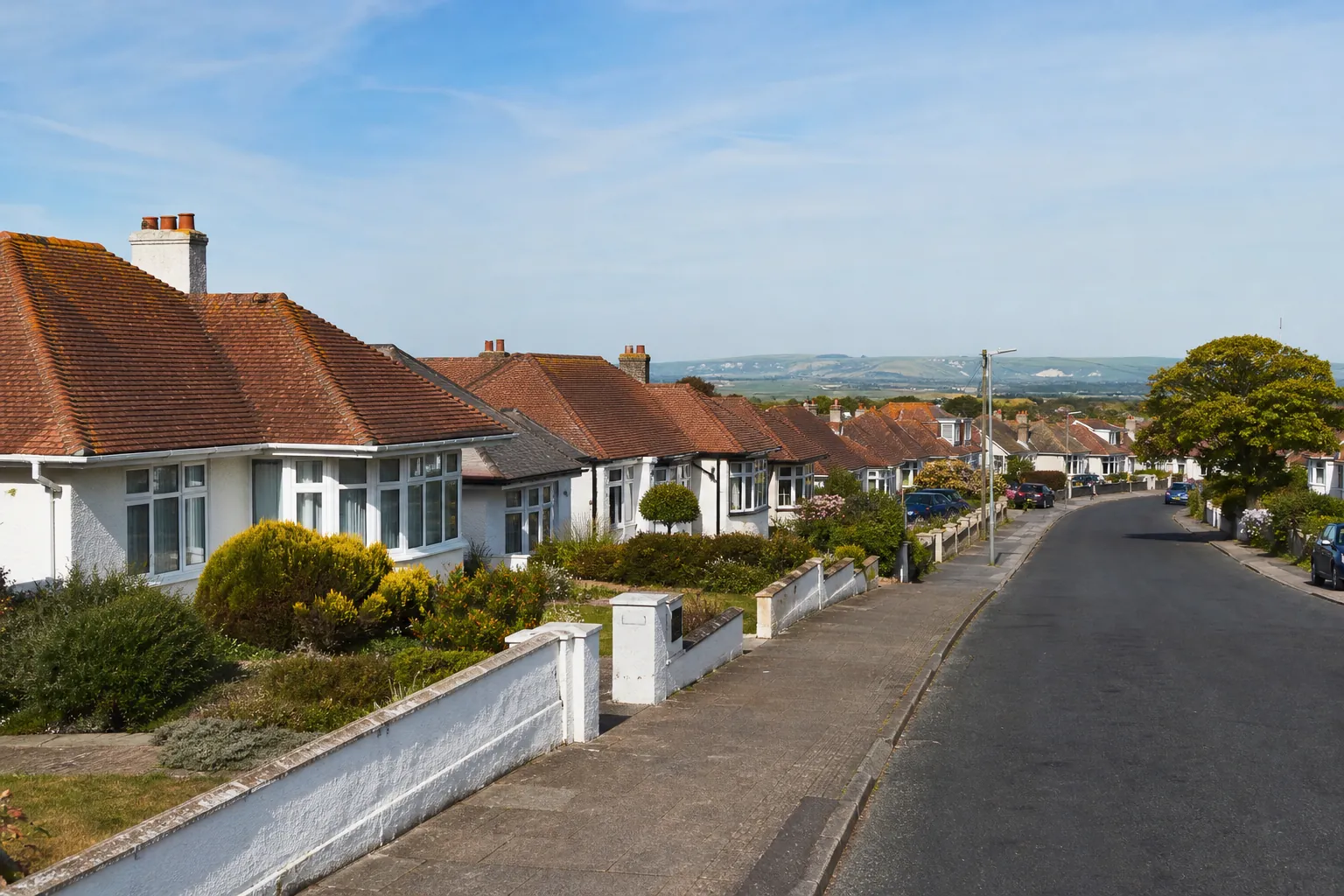
Funtley roofs
From Dean Farmhouse to St Francis
-
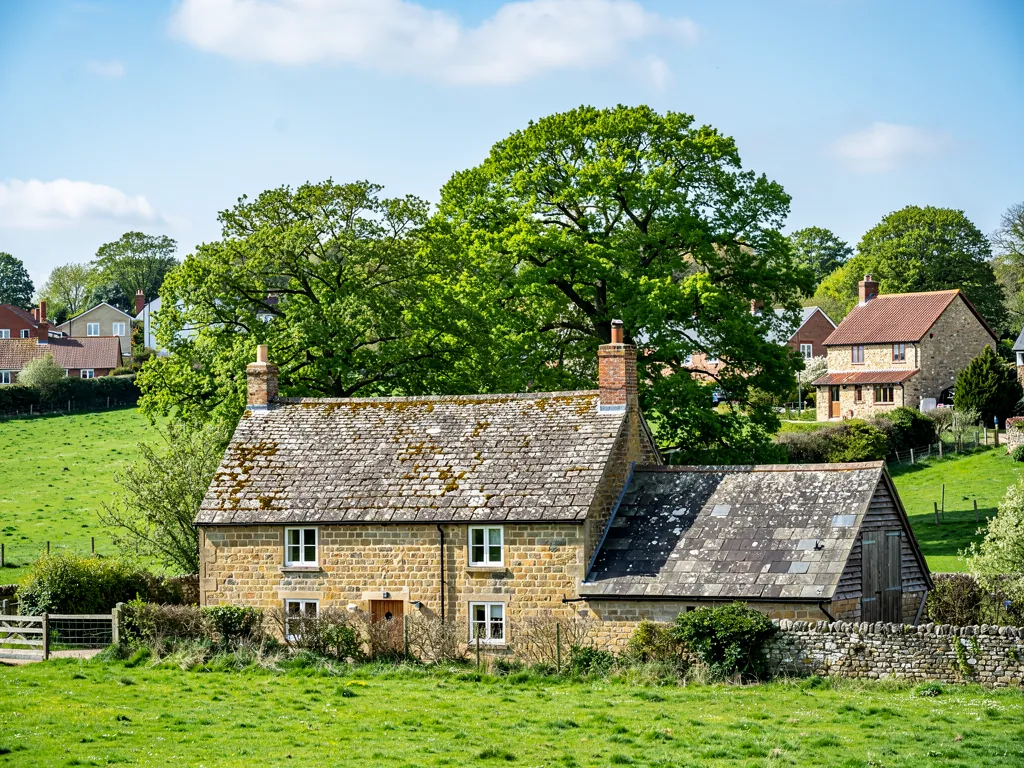
Dean Farmhouse, Grade II*
Dean Farmhouse has been listed at Grade II* since 22 October 1976. That grade sits above the common Grade II, and it makes consent the first question on any roof or chimney work there.
-
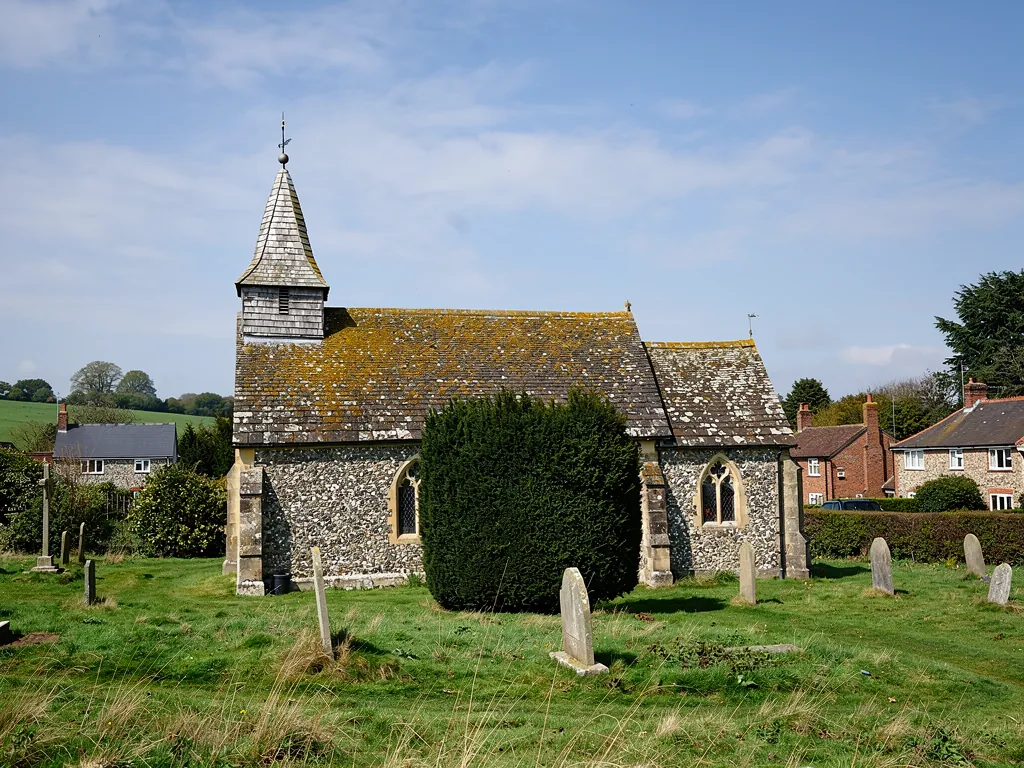
The church of St Francis
The Church of St Francis in Funtley carries a Grade II listing, dated 22 October 1976 as well. Which consent route applies to its roof depends on the denomination and on whether it is still in worship use.
-
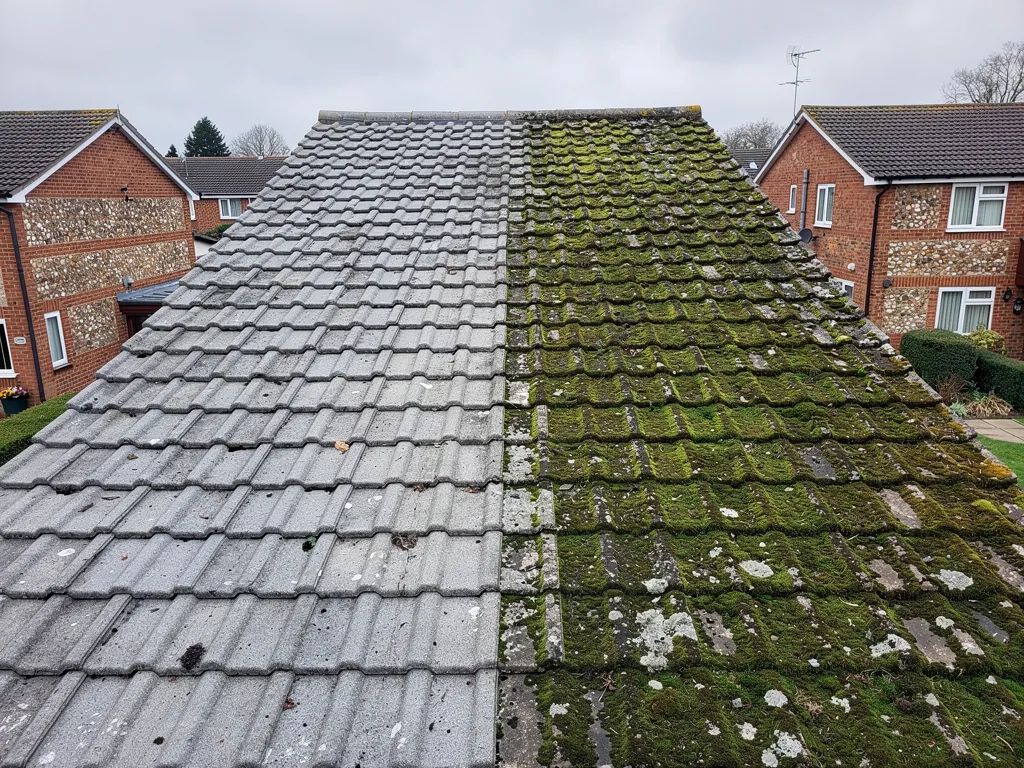
Ordinary roofs, read one by one
Funtley has no conservation area of its own, so most homes here are judged on the evidence of the roof itself: we date it from its battens, underlay and fixings before saying whether it needs a repair or a replacement.
Map of Funtley, 27.6 road miles west of Bognor Regis, with the nearest towns we also cover.
Funtley's planning position
- Council
- Fareham Borough Council
- County
- Hampshire County Council
- Conservation area
- None named for Funtley among Fareham's 13 conservation areas
- Article 4
- Fareham's direction pages name Titchfield and Portchester's Castle Street, not Funtley
- Listed landmarks
- Dean Farmhouse, Grade II*; Church of St Francis, Grade II
- Distance
- 27.6 road miles west of Bognor Regis, about 37 minutes by car
Funtley notes
Iron mill, listed farm and Meon valley
Three things the record tells us about Funtley, and the sensible first question a roofer takes from each.
Chapter 1: Dean Farmhouse and the weight of Grade II*2562
Sheet 01 / 03Historic records place Funtley in the ancient parish of Titchfield, and the surviving list entry for Dean Farmhouse gives it Grade II*, first listed on 22 October 1976. Listing grades run from II to I, and Grade II* is the middle step: a building of particular importance, though not among the very few at the top. For a roofer the grade matters less than the principle behind it. The law bars any work that alters what makes a listed building special unless it has been authorised, and Fareham Borough Council is the authority that grants listed building consent. A roof, a chimney stack or a rooflight can all change a building's character, so each is on the table.
Before work on a listed farmhouse
- Read the whole list entry
- Photograph every roof level
- Ask Fareham's planning team
- Keep reclaimed materials safe
1.1 Reading the list entry before anyone quotes
We start with the entry. It describes what the building is made of, what has been added and sometimes what has been lost, and it tells us whether a proposed repair is a like-for-like job or a change. Then we photograph the roof in sections, from the ground and, where it is safe, from a ladder or tower, so that every slipped tile, cracked valley and loose flashing is on record before anyone discusses a price. Those photographs go to you with the quote and can go to the council too if you decide to ask it a question, which is always the sensible step before anything beyond a repair in kind.
1.2 Roofs that grew in stages
A farmhouse that has been altered over generations often has several roof levels: a main ridge, a cross-wing, a lean-to over a dairy or porch, and valleys where they meet. Each meeting point is a joint, and joints are where roofs leak. An abutment (the line where a roof slope runs up against a wall) needs lead dressed into the masonry, and a valley needs a lined channel with an overlap of tile on each side. Old timbers under these junctions can rot quietly for years before a stain shows on the ceiling below. Bats roost and birds nest in old farm buildings, both are protected, and any sign of either halts the work until we have advice. A listed farmhouse's chimney stacks are often the most exposed part of the roof, taking rain on every face, and the pointing, flaunching and lead around them are usual causes of leaks. Our roof inspections and surveys page describes the photographed check that comes before any quote.
Chapter 2: St Francis, the iron mill ruins and old outbuildings3172
Sheet 02 / 03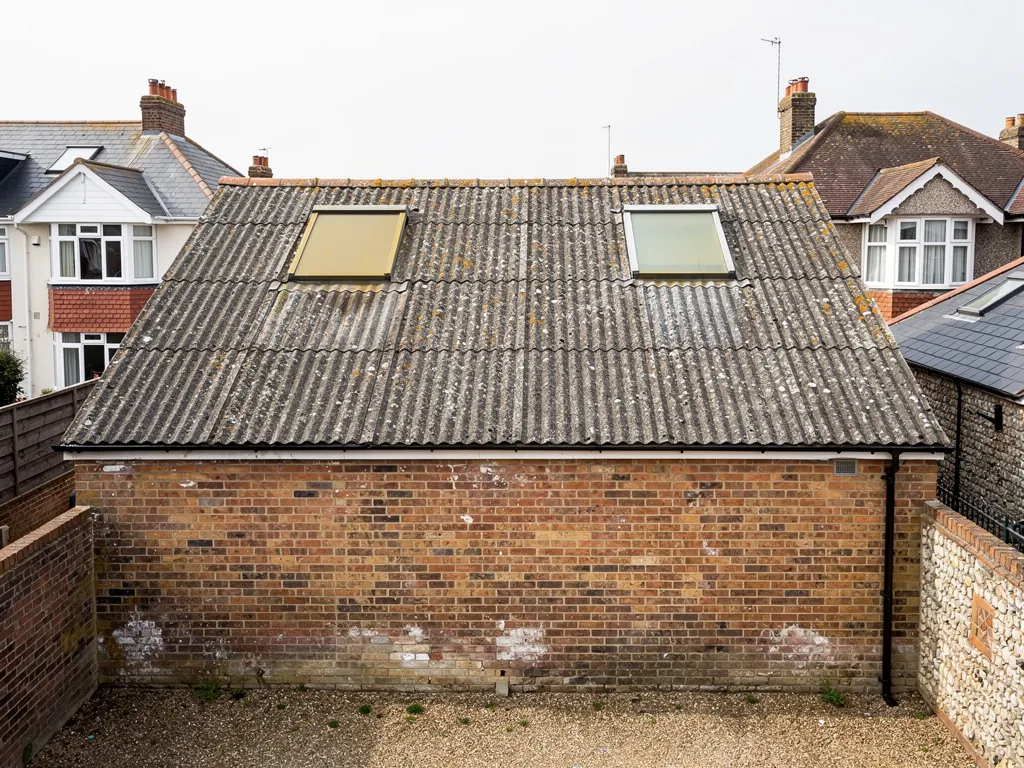
The Church of St Francis, Funtley, has held its Grade II listing since 22 October 1976. The route to consent for work on a listed church depends on who owns it and how it is used. Exemption from listed building consent is a matter of denomination. The Church of England works through its faculty system, Roman Catholic and Methodist churches in use have their own internal procedures, and other faiths, Unitarians and Quakers among them, apply to the council like anyone else. Once a church closes for regular worship, the normal listed building controls apply, and even an exempt church needs planning permission for development that affects its exterior. So the first question to the parish is which route applies. A roof survey of a church looks at the valleys between nave and aisle, the lead, the gutters and the downpipes, since those are the places where water gets into stonework.
A church roof and its consent route
In worship use
Several denominations follow their own approval process in place of listed building consent.
No longer in worship use
Once regular worship ends, the normal listed building and conservation area controls apply.
2.1 An industrial past in the valley
The county history of Hampshire records ruins of an old iron mill at Funtley, where ore was smelted using local ironstone. In the 1780s Henry Cort worked the Fontley iron mills here, and the puddling furnace he patented in 1784, for turning pig iron into wrought iron, was developed at Fontley. It is a useful reminder that this was a working valley as well as farmland. Places that have been worked often keep old outbuildings, workshops and garages, and those carry roofs of their own, from lean-to felt to corrugated sheeting. Many have a shallow pitch, which suits sheet materials and felt but not tile, and a roof that is too shallow for its covering leaks at the laps. The minimum pitch sits on the product's data sheet, and we check it before suggesting a covering. If you own one, the age of the building decides how it should be treated.
2.2 Garage and outbuilding roofs of uncertain age
For any building put up or refitted before 2000, HSE advice is to treat it as containing asbestos. Lifting asbestos cement sheets whole is non-licensed work; once they break up badly the job becomes notifiable, and asbestos waste produced at a home is sent out under a consignment note. Every asbestos cement roof is fragile, and nobody should step onto one. We identify the material from the survey, tell you what the removal involves and arrange the disposal, which keeps your garage roof job on the right side of the regulations. Our garage roof replacement page explains what a new garage roof involves, from the deck to the finished covering. A clean, tidy site is part of the job, and the waste leaves with us.
Chapter 3: The Meon valley, Fareham's rules and a scaffold licence3355
Sheet 03 / 03The county history puts Funtley in the Meon valley, north of Fareham. Fareham Borough Council lists 13 conservation areas and none is named for Funtley, and its Article 4 direction pages are limited to Titchfield and the Castle Street area of Portchester. In plain terms, the extra layer of control that a conservation area adds does not apply to an ordinary Funtley house, and the usual rules do. A roof renewed in the same material and shape normally stays outside planning control, and listed buildings are the exceptions. The same council handles building control, so Fareham Borough Council is the one name to remember.
How a Funtley roof job runs
- 1SurveyWe photograph every slope, abutment and chimney, and date the roof from what is under the covering.
- 2VerdictRepair, hold with a patch, or replace: you hear which, and why, before any price.
- 3ConsentAny listing, church or Building Regulations point is named and the right office pointed out.
- 4WorksThe scaffold goes up on its licensed dates and the site is cleared on completion.
3.1 When the Building Regulations come into it
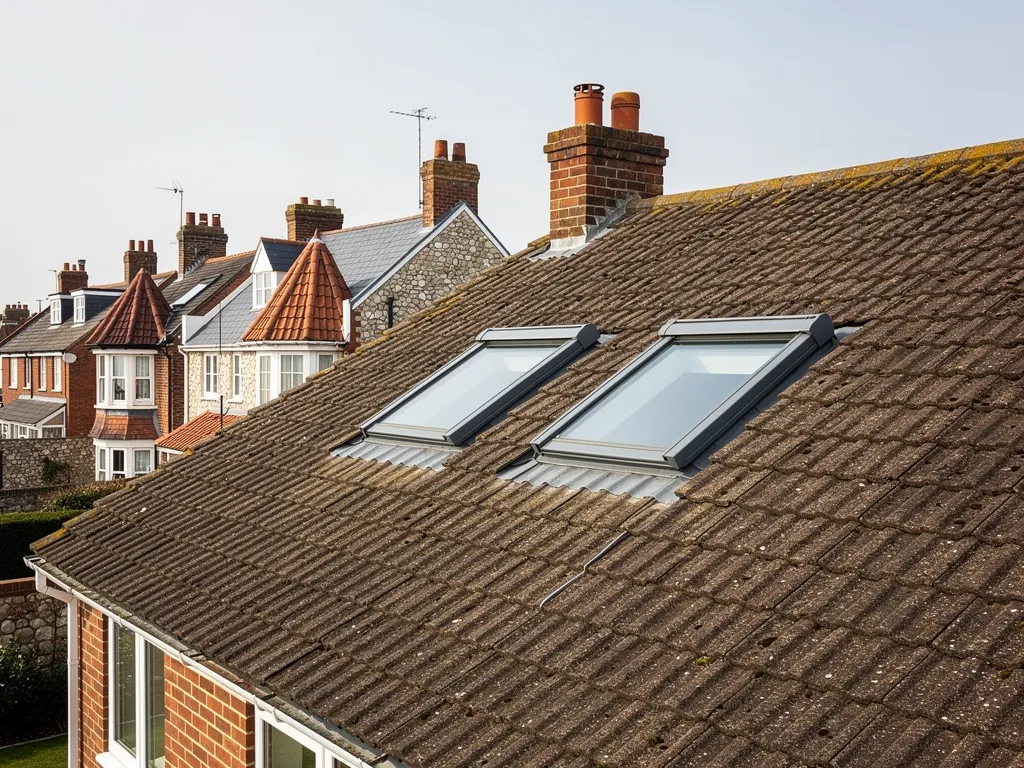
On the Planning Portal's test, a building control application can normally be skipped only if under 25 per cent of the total building envelope and under 50 per cent of the roof is affected. Approval is needed if you exceed those limits, if you carry out structural alterations, or if a new covering would raise the weight of the roof by 15 per cent or more. That last point catches people who swap clay for concrete, or slate for something heavier, so the covering is weighed up at the survey and the building control route explained. You can use Fareham's team or a registered building control approver, and where the work is notifiable we deal with the notice. Thermal upgrades can come into it too. Table 4.2 of Approved Document L (2021) sets 1.4 W/m²K or Band B for a new roof window and 2.2 for a rooflight, and Table 3.2 of the 2026 edition repeats those figures once it takes effect on 24 March 2027.
3.2 A Hampshire scaffold licence
Scaffolding that stands on the highway requires a licence from the highway authority, which in Hampshire is the county council. Its rule: allow ten clear working days from the application date to the intended start. The fee is £211.90 for the first two weeks and £72 for each additional two-week period, and the council does not offer extensions, so a job that overruns means a second application. Hampshire County Council's page says the scaffold firm applies for its customers. Because there are no extensions, we agree the programme with the scaffolders before the application goes in. We plan around those dates, order materials once the licence is granted and aim to keep the scaffold up for the shortest time the job allows. The quote comes after the survey. Whichever quote you hold, ask whether VAT and the scaffold are in it.
Roofing services for Funtley homes
Frequently asked questions
Questions from Dean Farmhouse to the Meon valley
What changes on a roof job at a Grade II* farmhouse like Dean Farmhouse?
Consent comes first. Works that would affect a listed building's character need listed building consent from the council before they start, and a change to the covering, the chimneys or the rooflights can do that. We read the list entry, photograph every roof level and suggest you ask Fareham Borough Council's planning team whether your plan counts as a repair in kind.
Who approves roof work on the Church of St Francis, Funtley?
It depends on the denomination and on whether the church is in worship use. Some denominations follow their own approval process, Church of England churches in worship use go through the faculty system, and other denominations apply to the council for listed building consent. Once regular worship ends, the normal controls apply. The parish is the right first call, and we can survey the roof for it, with photographs of the valleys, lead and gutters in a report the churchwardens can pass on.
Is an old garage roof near Funtley's iron mill ruins likely to contain asbestos?
Possibly. HSE advice treats any building put up or refitted before 2000 as likely to contain it, and cement sheeting is a classic place to find it. Looks can mislead, so the survey identifies the material and the plan follows. Whole-sheet removal is non-licensed work, and household waste of this kind goes under a consignment note.
Does Funtley's lack of a conservation area mean any roof can be changed freely?
Not quite. Fareham Borough Council names no conservation area for Funtley and has no Article 4 direction for it, but listed buildings keep their own controls, and Building Regulations can apply to any re-roof. A replacement in matching material and shape is not usually a planning matter. Check with Fareham's planning team if the roof changes shape, pitch or material, and ask building control about weight and thermal upgrades.
Nearby areas
Get a quote
Tell us about your roof
Describe what's happening and we'll call you back.
Loading the enquiry form. You can also call 01243 252373.