
Roofers in Stubbington
Crofton green, listed churches, open plain
Stubbington began as scattered cottages and farms on flat country near the Solent, with a village only round Crofton green, so its roofs now reflect more than a century of building on that plain.
Stubbington roofs
From Crofton green to the open Solent plain
-
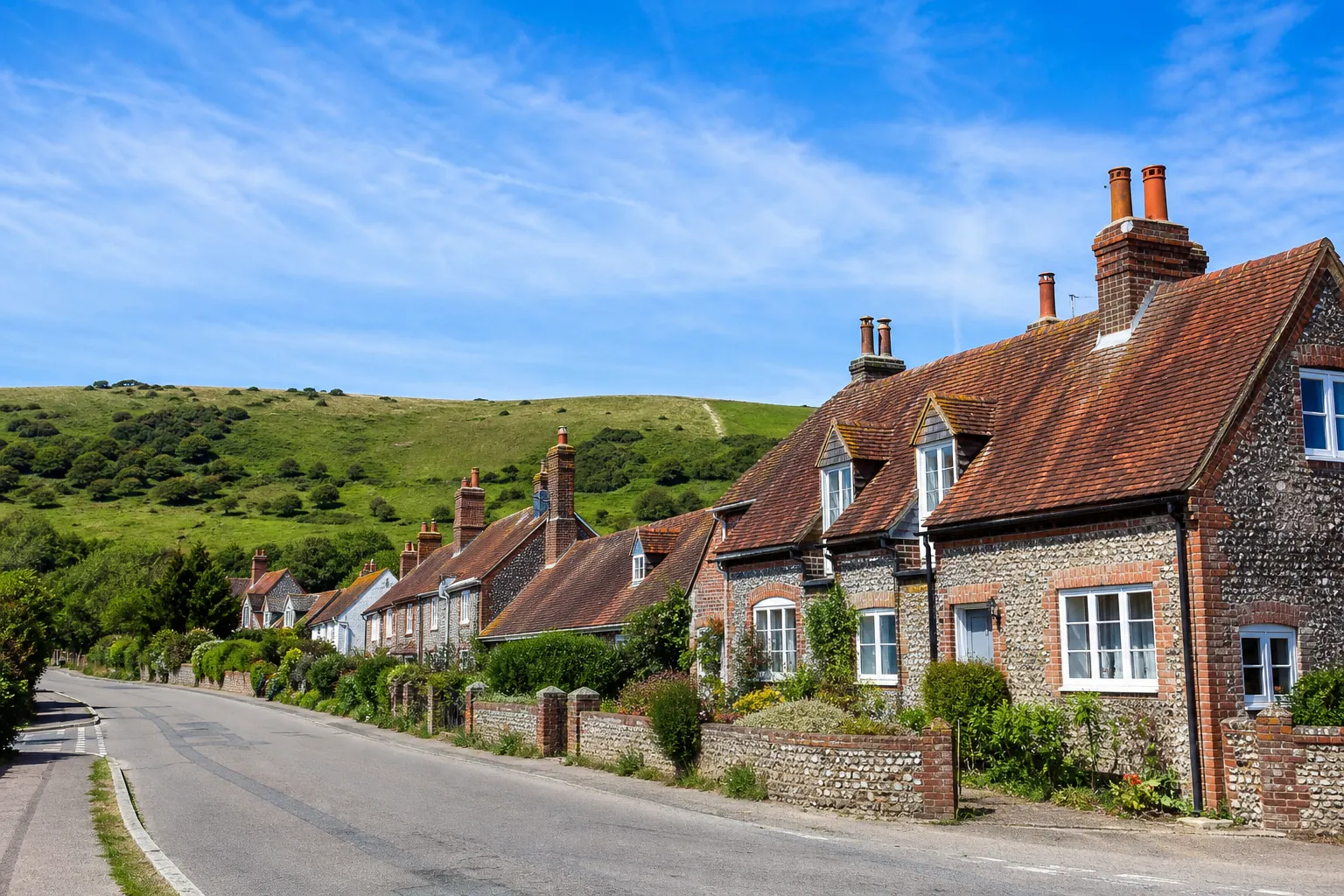
Cottages and farms round Crofton green
A history of 1908 describes Crofton and Stubbington as a few dozen cottages and farms scattered over a tract of flat country, with a village only round the green at Crofton.
-
Stubbington House by the green
Stubbington House, standing at the corner of the green, was used as a naval school. Large institutional and private houses give a roofer valleys, parapets and long gutter runs that a standard semi never has.
-
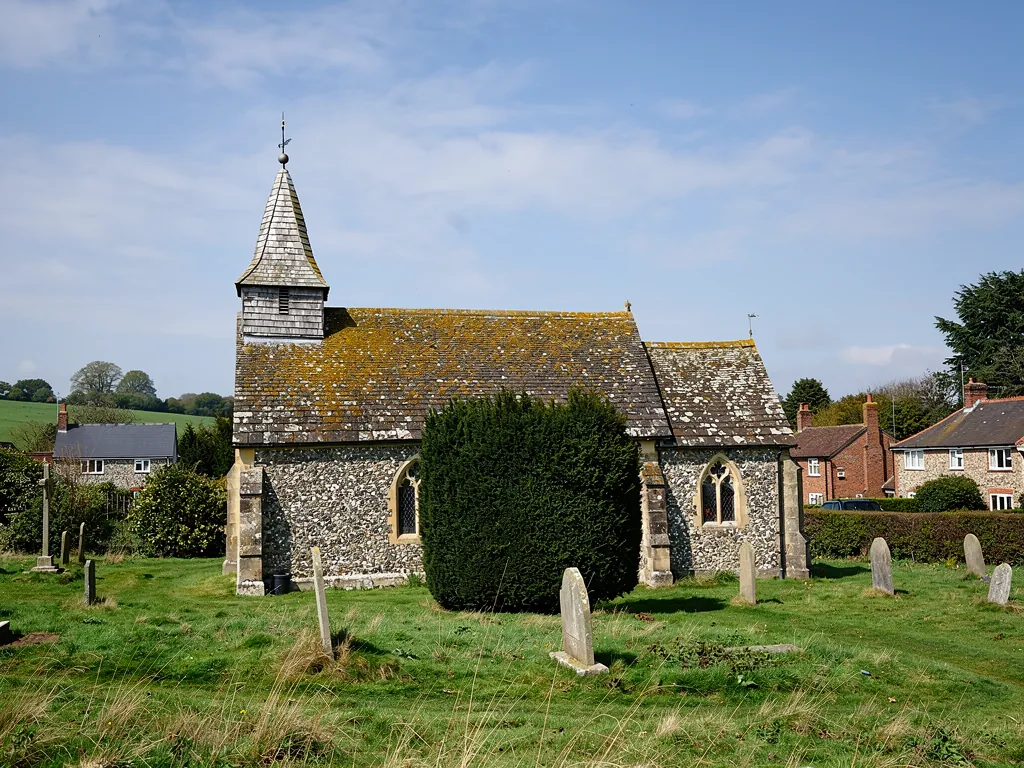
Two listed churches
Crofton Old Church has a Grade II* entry dating from 18 October 1955, and Holy Rood Church in Stubbington a Grade II entry from 22 October 1976. Each needs a roofer who reads the list entry first.
Map of Stubbington, 29.6 road miles west of Bognor Regis, with the nearest towns we also cover.
Stubbington, Crofton and the planning picture
- Council
- Fareham Borough Council
- County
- Hampshire County Council
- Conservation area
- None named for Stubbington or Crofton among Fareham Borough Council's 13
- Article 4
- Fareham's direction pages cover only Portchester (Castle Street) and Titchfield
- Listed landmark
- Crofton Old Church, Grade II*, listed 18 October 1955
- Distance
- 29.6 road miles west of Bognor Regis, about 41 minutes by car
Stubbington notes
Crofton green, churches and the flat plain
Three things that shape a Stubbington roof job: the village's old centre, its two listed churches and the open ground beside the Solent.
Chapter 1: The green at Crofton and the naval school2501
Sheet 01 / 03Stubbington was once part of the ancient parish of Titchfield, and in 1894 Crofton, with Stubbington and Lee-on-the-Solent, became a civil parish in its own right. The 1908 volume of the Victoria County History pictures it as a few dozen cottages and farms scattered over flat country, with a village gathered only round the green at Crofton. Stubbington House stood at the corner of that green and served as a naval school. A hundred and more years on, the scattered cottages have been joined by everything a town needs, and the roofs that cover them have little in common but the weather. That variety is the first thing we allow for when we are asked to look at a roof here, and it is why no two surveys in Stubbington begin with the same assumption. A gable end that has been rendered, a porch that was added in a later decade and a dormer that came with a loft conversion each make the roof behave differently from the plan it was built to.
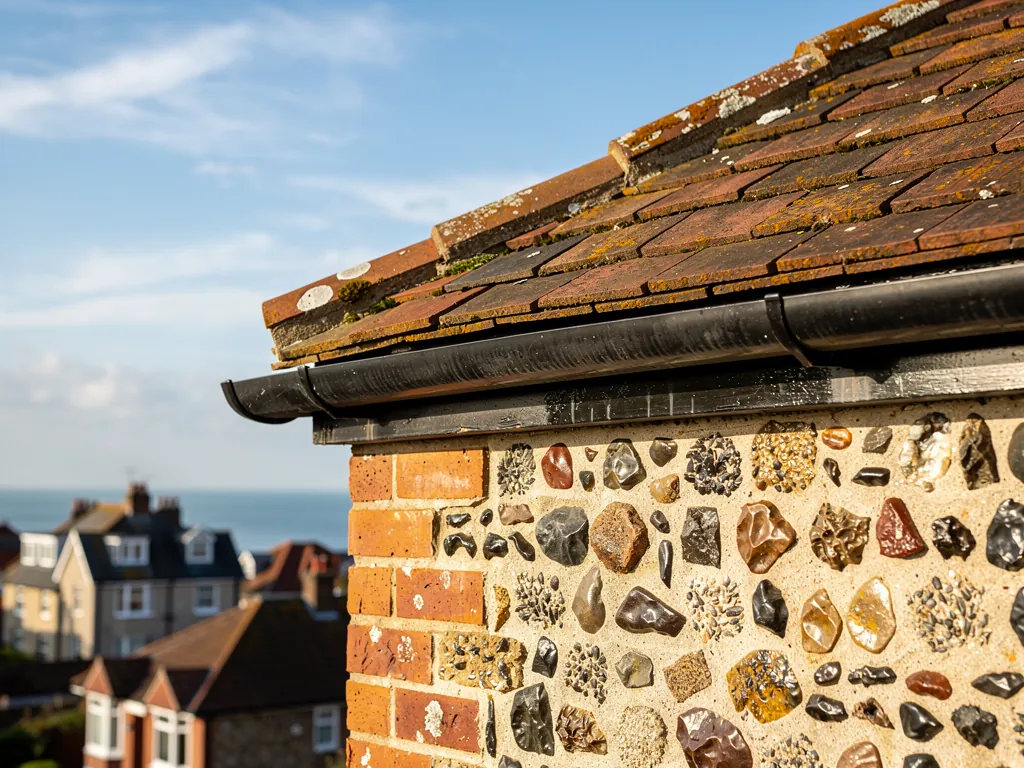
Judging a roof by its history
The last time a roof was worked on matters more than the year the house was built, so tell us anything you know about earlier repairs.
1.1 Old cottage roofs, young estates and everything between
Because the town is a patchwork, the age of the house tells you less than the date of the last time the roof was worked on. A cottage whose roof was relaid in the 1980s can be in better order than a newer house that was never touched. We therefore start with evidence and not assumptions: a look inside the loft, a close look at the tiles or slates, and a check of the ridge and the chimney flashings. Pictures of each problem travel with the written quote, which means you see the same defects we do.
1.2 Chimneys on the older cottages
Cottage roofs often carry a stack or two, and the lead round the base is where a leak from an old roof usually starts. MyJobQuote gives a typical patch to chimney lead of £150 to £250, and a full renewal of £350 to £460 without a scaffold or £700 to £920 with one. Those are UK averages that show why access matters, not a price for your stack. Our chimney repairs page explains when repointing, a new flashing or a rebuild is the right answer.
1.3 Big houses and long gutter runs
An institutional building such as Stubbington House needed roofs of a size and complexity that ordinary houses never see. Multiple pitches meet at valleys, and valleys carry the water of two slopes. A large house nearby may have the same layout in miniature. In that case the gutters and downpipes are the most heavily worked parts of the roof, and one blocked outlet can tip a whole valley's worth of rain down a wall. Our guttering, soffit and fascia page explains how a rainwater system is renewed.
Chapter 2: Crofton Old Church, Holy Rood and who gives consent3111
Sheet 02 / 03Two listed churches stand in Stubbington's patch of Hampshire. Crofton Old Church holds a Grade II* listing, entered on 18 October 1955. Holy Rood Church in Stubbington holds Grade II, entered on 22 October 1976. Their Historic England list entries are numbered 1233279 and 1351268. Neither building is an ordinary house, and a repair to either roof is judged against its listing, not against a normal domestic job.
Three routes for a listed church roof
- FacultyAn Anglican church in worship sends repairs through its own approval system.
- Own processSome other denominations in use run a separate approval route of their own.
- Council consentA closed or trust-held church needs listed building consent from the council.
2.1 Why the consent route depends on the church
Which body signs off a roof repair on a listed church depends on the denomination and on current use. Anglican churches in regular worship are exempt from listed building control and run repairs through the faculty system. Catholic, Methodist, Baptist and United Reformed churches still in worship have approval processes of their own. Once a church stops being used for regular worship, or passes to the Churches Conservation Trust, ordinary listed building consent from the planning authority applies. Holy Rood is a Church of England church in the parish of Crofton, so while it is in regular worship its works follow the faculty route. A parish or trustee should check with its own advisers and with Fareham Borough Council before any scaffold goes up. Bats add a further step, because every species and its roost is fully protected by law, and tile lifting can disturb them, so the roof is checked for them before the first tile comes off.
2.2 Houses beside a listed church
A listed church affects its neighbours too. A house in its shadow need not be listed itself, yet the planning authority may weigh how a change looks against the church next door. The sensible habit is to ask Fareham Borough Council early, send the photographs from our survey so the officer can see the roof, and match tile colour and profile to what is there. A bright new roof beside a weathered one stands out for years.
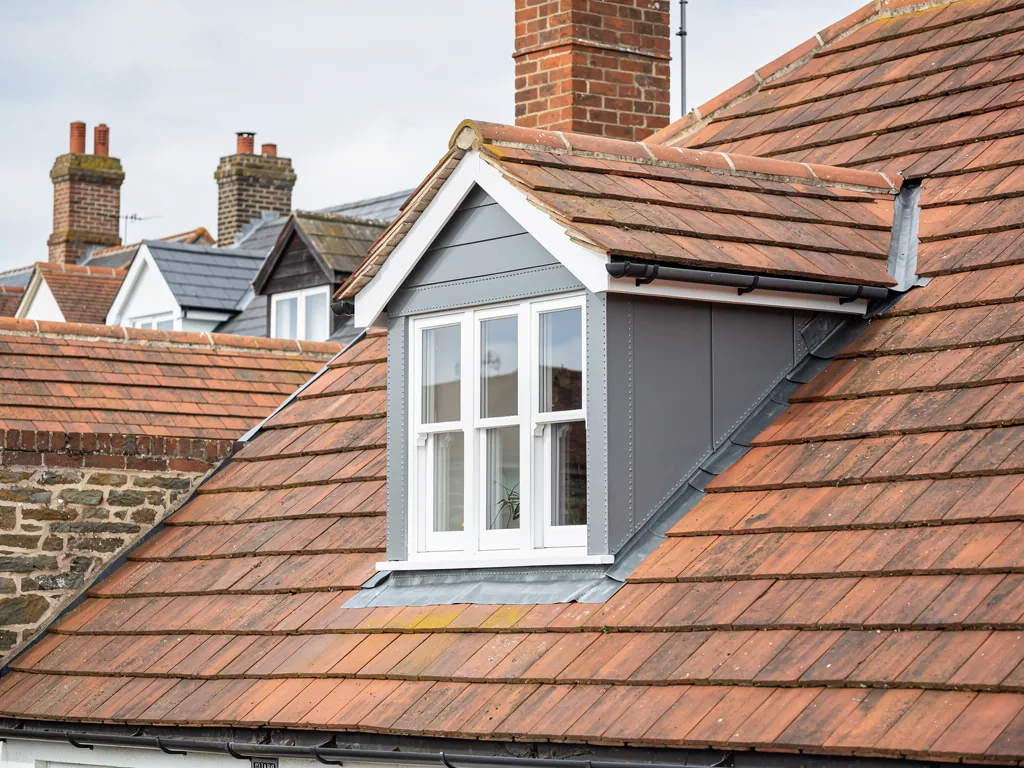
2.3 Lead, stone and the details we protect
On a church roof the main covering is rarely the problem. Lead flashings round a tower, gutters at a parapet and the ridge are the places where age shows first. Lead sheet is sold by code, and Royston Lead lists codes 5 to 8 for parapet and box gutters and codes 4 to 6 for flashings. Matching that thickness matters, because thinner lead under a hot sun stretches and cracks sooner. Our lead roofing and leadwork page sets out what we use and where.
Chapter 3: Flat plain, Solent weather and flat roofs2501
Sheet 03 / 03The Victoria County History places Stubbington on the flat coastal plain between Fareham and the Solent, and that setting decides much of what a roof here must put up with. There is nothing to break the sea weather before it reaches the house, so gales, wind-blown rain and salt air close to the water all test the same details: ridges, verges, flashings and the edges of flat roofs. Stubbington itself has no conservation area. Fareham Borough Council lists 13 and none is named for Stubbington or Crofton, and the council's Article 4 direction pages exist only for Portchester and Titchfield. A like-for-like repair therefore rarely brings extra planning questions, though a listed building is different.
Typical UK scaffold hire
- Terraced house, per month£800
- Two-storey semi, per month£875
- Detached bungalow, per month£1,000
- Detached house, per month£1,200
Access is settled at the survey. The quote that follows gives a single total, and any quote from anyone is worth checking for VAT and scaffolding.
Source: Checkatrade scaffolding cost guide, table last updated October 2026
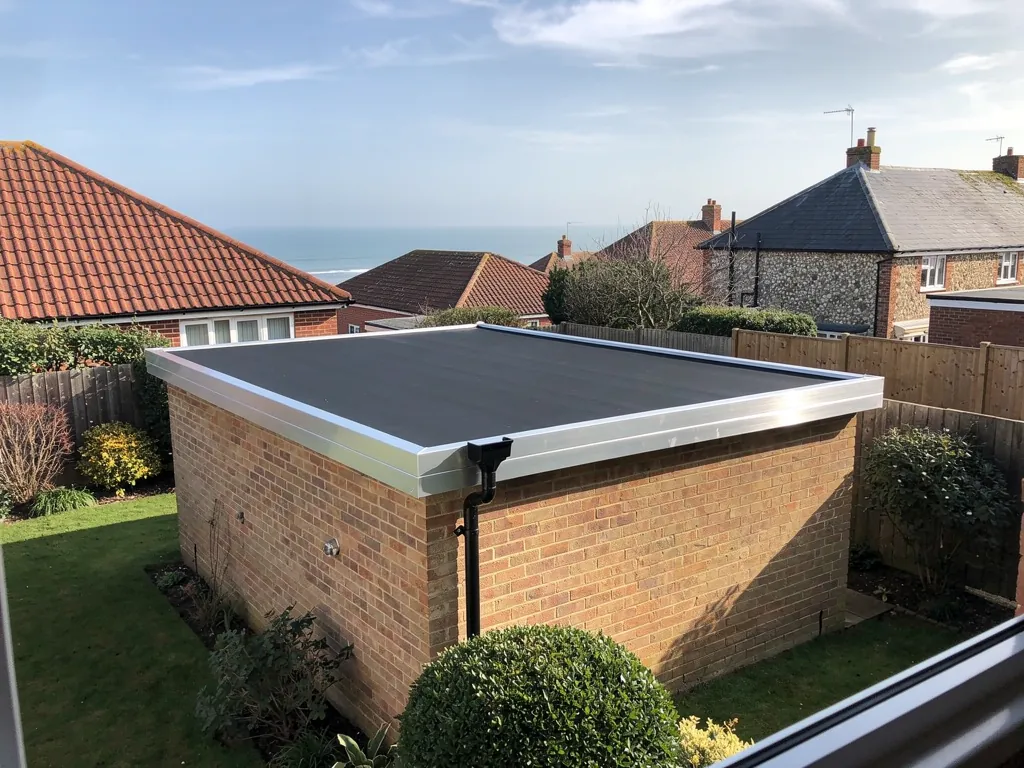
3.1 Extensions, garages and the exposed flat roof
Out on the open plain, a flat roof over an extension or garage takes the weather with no shelter at all. Torch-on felt is quoted at 10 to 20 years by Less, EPDM at 20 to 30 years or more, and GRP at 25 to 40. The BS 6229:2025 code keeps a minimum finished fall of 1:80, and designers aim steeper. Ponding after rain means the fall has gone, and a membrane that sits in water ages faster than one that drains. Where the deck below is sound, a new covering laid to a better fall is often the long-term answer, while a soft deck has to be replaced first. Our flat roofing page lists the coverings and how each is detailed at the edges.
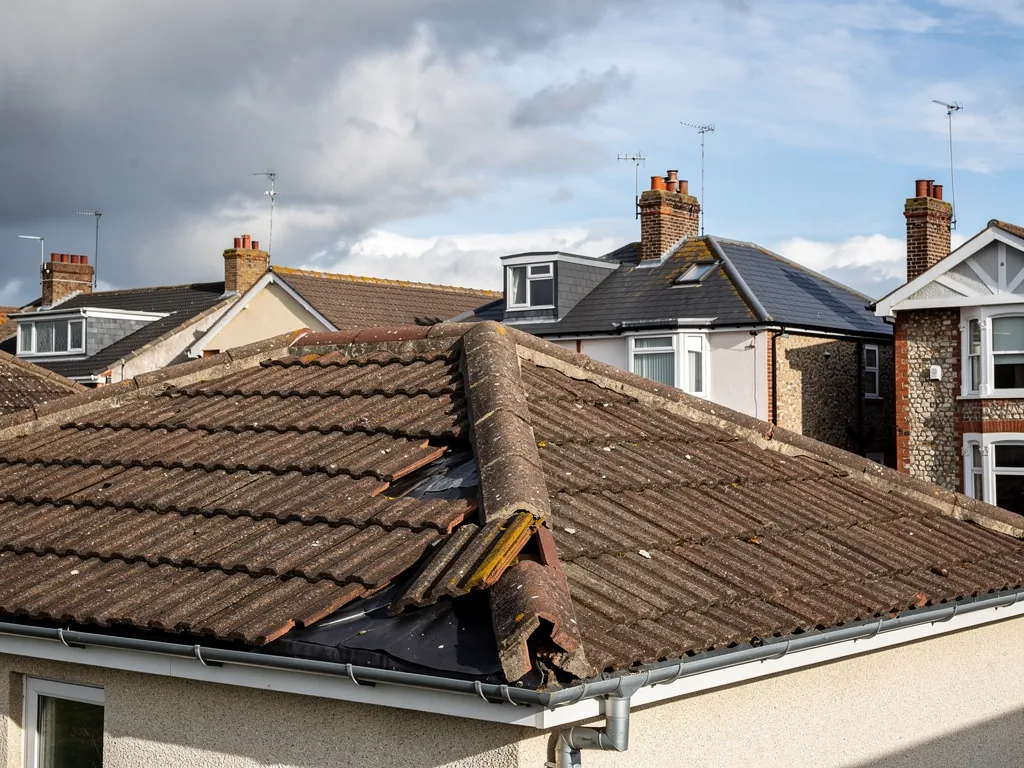
3.2 After a gale
When a storm lifts tiles or tears a flat-roof edge, the order matters. Which? advises making the house safe, telling your insurer first, photographing the damage and saving receipts for any temporary fix. A roof leaking after a gale is stopped from letting in more water first, and the lasting repair is planned once the weather allows. Our emergency roof repairs page explains the first visit.
3.3 Scaffolding and the cost of reaching a roof
Access is a real part of the price. Checkatrade quotes around £875 a month for scaffolding a two-storey semi-detached home and £1,000 a month for a detached bungalow, as typical UK figures. If the scaffold obstructs the highway, a licence is needed, and Hampshire County Council says the scaffold firm applies for its customers. Hampshire County Council wants 10 clear working days to pass from application to intended start, and charges £211.90 for the first two weeks. That wait is why we plan access early and give a single written total after the survey, so scaffolding is never a surprise.
Roof services near Stubbington
Frequently asked questions
Stubbington questions, green to Solent
How do I tell if an older Stubbington cottage roof needs a repair or a relay?
Weigh the roof's history before its age. A cottage near Crofton green may have been relaid within living memory, while a newer house may never have been touched. We look into the loft for daylight and damp, inspect the battens, covering and flashings, and send a plain verdict with photographs. The quote we write after that is a single total.
Does the roof of Crofton Old Church or Holy Rood need special consent to repair?
Possibly, and the answer depends on who owns the church and whether it is in use. Both buildings are listed, Crofton Old Church at Grade II* and Holy Rood at Grade II. An Anglican church in worship goes through the faculty system, whereas a closed or trust-held church needs listed building consent. Start with Fareham Borough Council and the church's own advisers.
Is Stubbington in a conservation area, and does that restrict a re-roof?
Fareham Borough Council lists 13 conservation areas and none is named for Stubbington or Crofton, and its Article 4 direction pages cover only Portchester and Titchfield. A like-for-like re-roof therefore usually raises no extra planning question, though a listed building is different. Rules change, so check with Fareham Borough Council's planning team before altering the appearance of a roof.
Why do flat roofs near the Solent plain wear out so quickly?
On open, flat ground there is little shelter from sea weather, so a flat roof takes sun, gales and driving rain on every edge. The first failures are usually at the upstands, the trims and the places where the fall has been lost and water stands. Deck, falls and edges are checked first, and only then do we say whether mending or recovering is the better answer.
Nearby areas
Get a quote
Tell us about your roof
Describe what's happening and we'll call you back.
Loading the enquiry form. You can also call 01243 252373.