
Roofers in Catisfield
Double-camber clay tile, brick cottages, Meon edge
Catisfield's roofs centre on red double-camber clay tile in the 1994 conservation area, with early 18th-century cottages around Fishers Hill and modern housing built on two sides of the old street pattern.

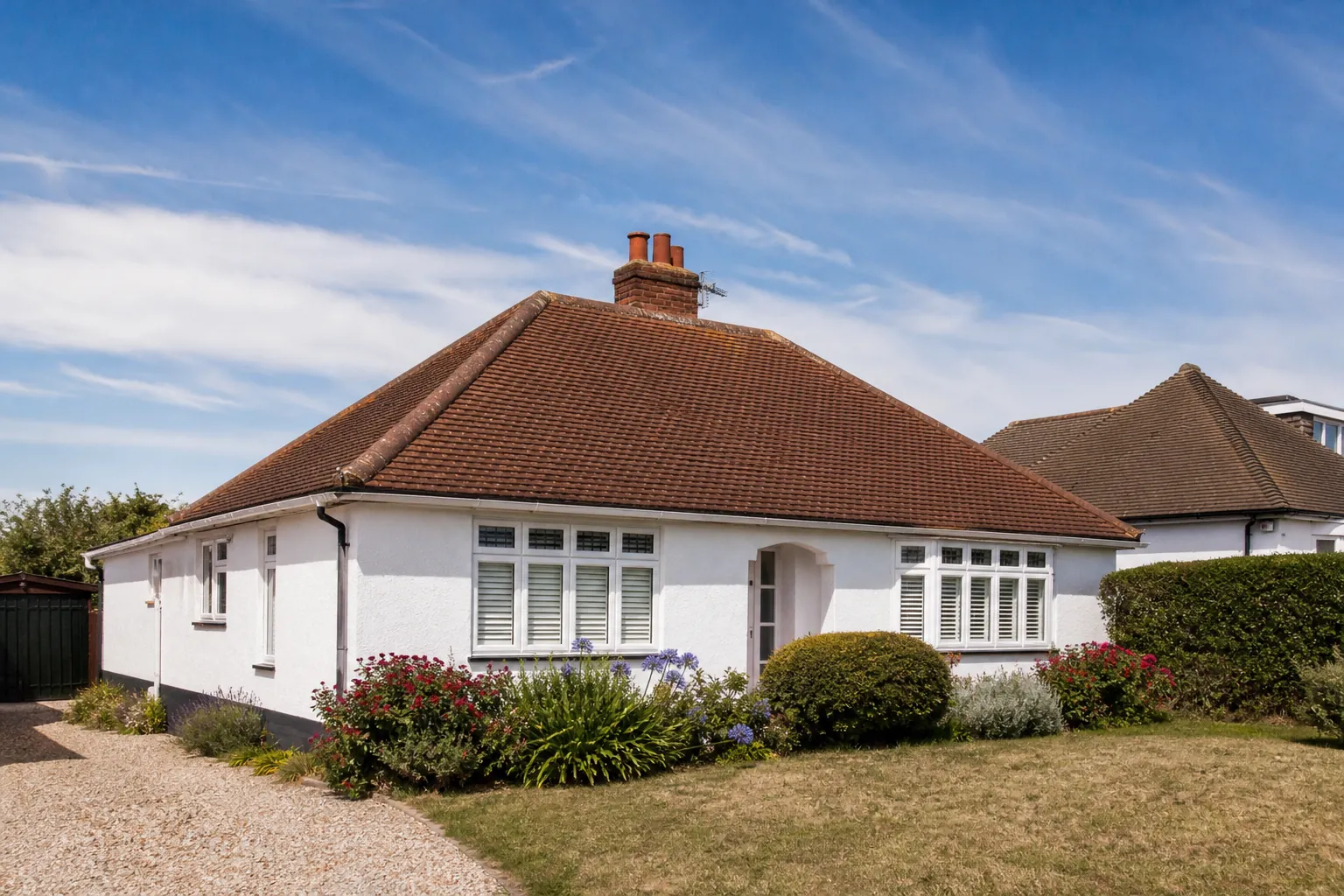
Catisfield roofs
From Fishers Hill to the Abbey barn
-
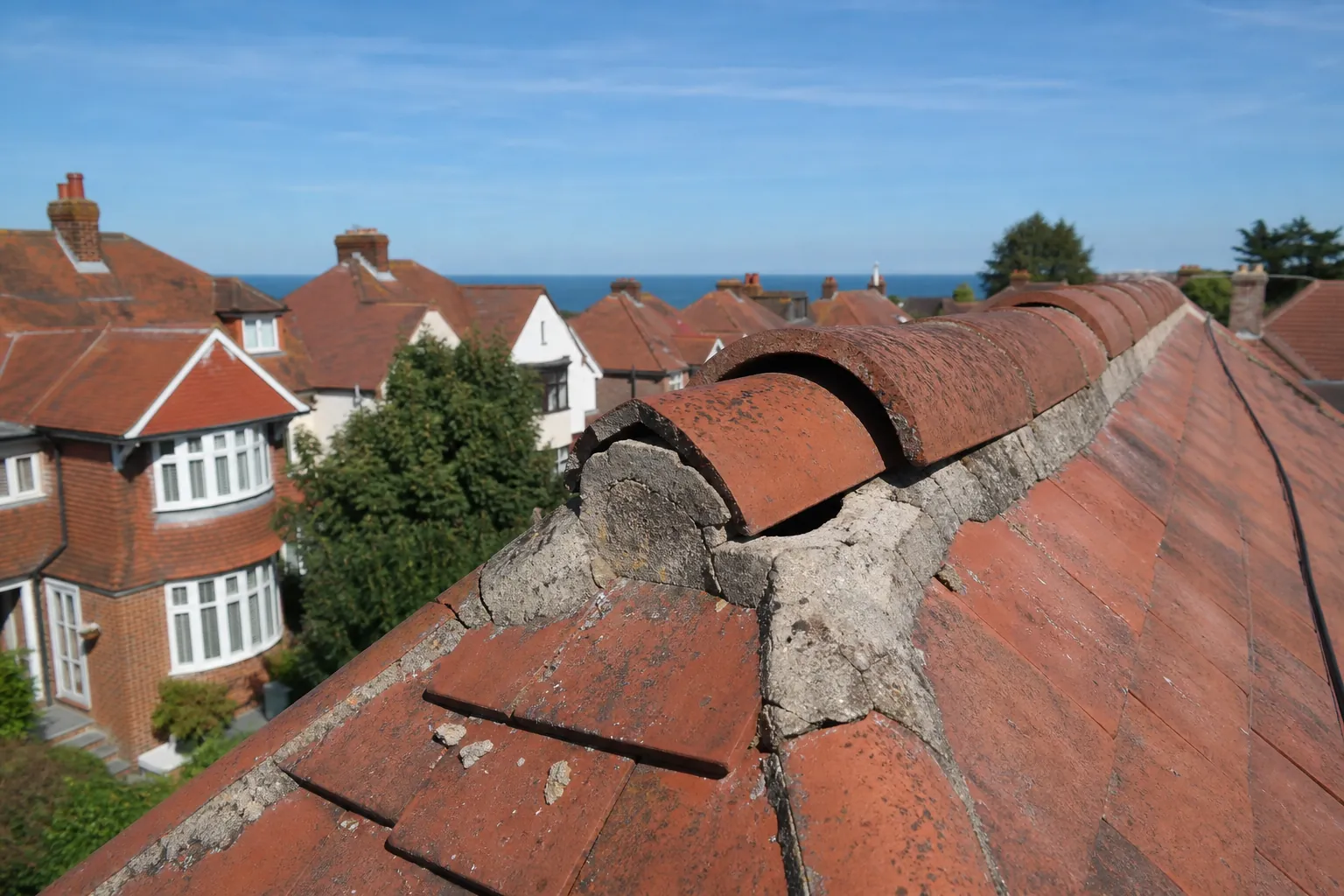
Double-camber clay tile
Fareham Borough Council's character assessment says red clay tiles with a characteristic double camber, which gradually superseded thatch in this part of Hampshire, are the predominant roofing material inside the conservation area.
-
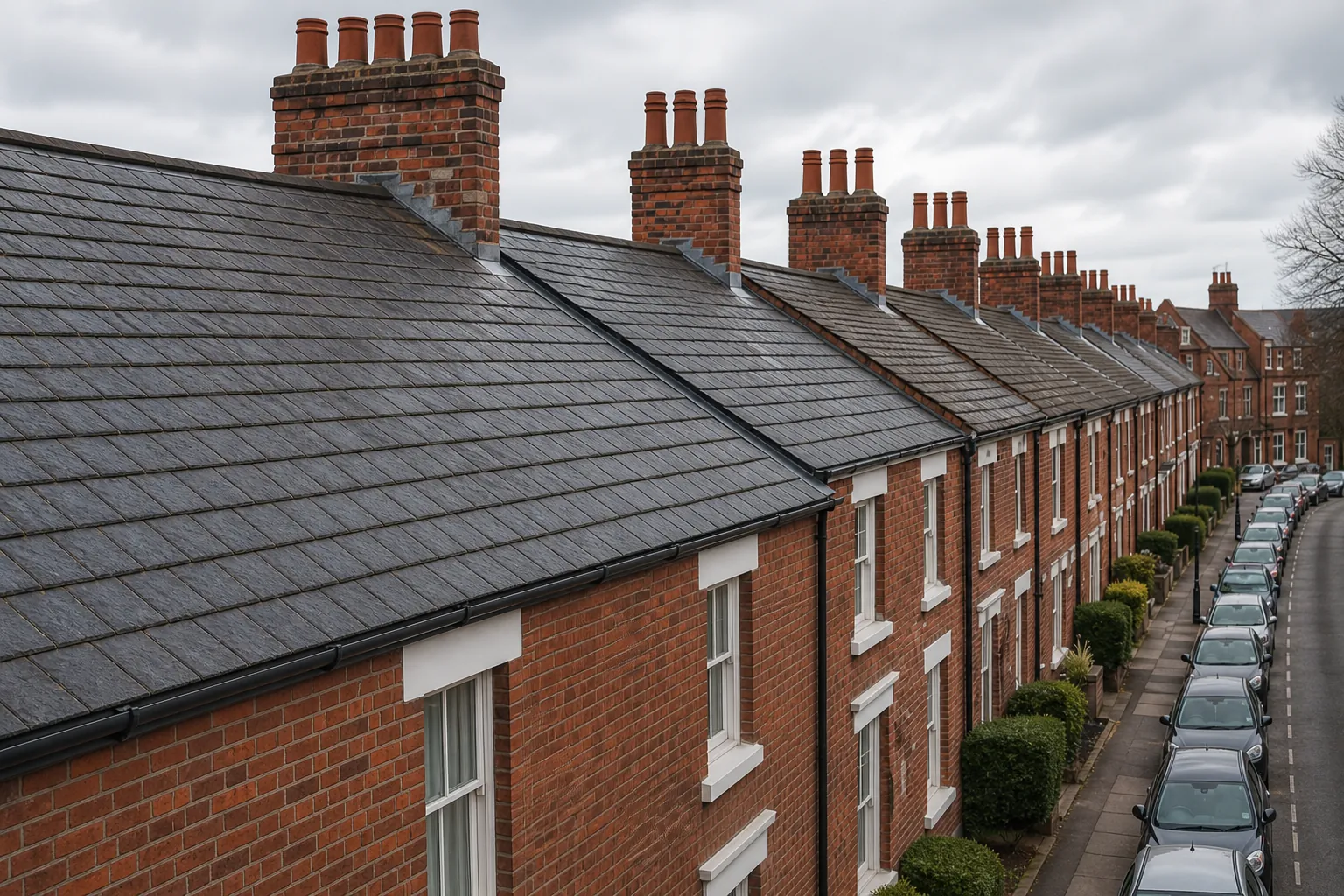
The Fishers Hill terrace
A terrace of five 18th-century cottages near Fishers Hill is built of red brick with grey headers and clay-tiled roofs. A terrace shares its ridge, party walls and chimney stacks, so each roof depends on its neighbours.
-
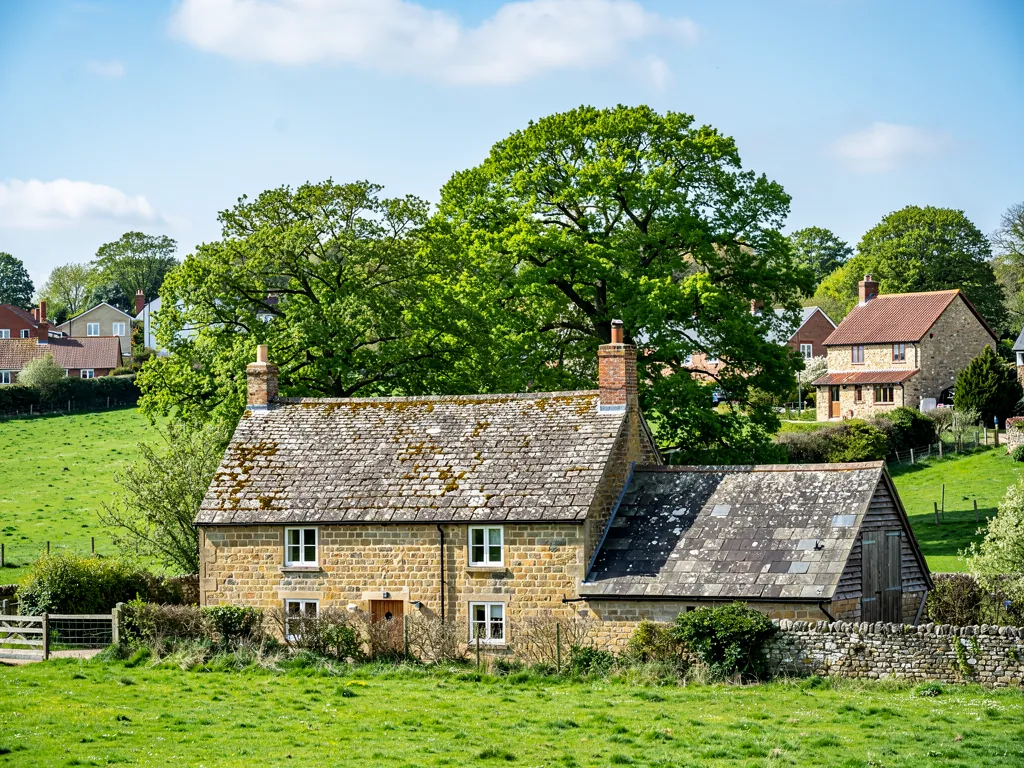
A Grade I barn nearby
The Monastic Barn of Titchfield Abbey at Fern Hill Farm is listed Grade I, first listed on 18 October 1955. It is a reminder that this part of the Meon Valley holds protected buildings as well as ordinary houses.
Map of Catisfield, 28.1 road miles west of Bognor Regis, with the nearest towns we also cover.
Catisfield and its 1994 boundary
- Council
- Fareham Borough Council
- County
- Hampshire County Council
- Conservation area
- Catisfield Conservation Area, designated 1994; Titchfield Abbey conservation area adjoins it
- Article 4
- None recorded: Fareham's Article 4 pages cover only Portchester and Titchfield
- Listed landmark
- Monastic Barn of Titchfield Abbey at Fern Hill Farm, Grade I
- Distance
- 28.1 road miles west of Bognor Regis, about 38 minutes by car
Catisfield notes
Clay camber, brick terrace and Meon edge
Three corners of Catisfield, from the 1610 street pattern to the housing built around it, and what each means for the roof.
Chapter 1: Double-camber tile inside the 1994 boundary2623
Sheet 01 / 03Catisfield lies north of Titchfield on the eastern edge of the Meon Valley, with modern development pressing in on two sides. The houses grouped along its street pattern are marked on the Titchfield Estate map as long ago as 1610, and Fareham Borough Council notes that the listed and locally listed buildings are mostly early 18th century. The council designated the conservation area in 1994. Its character assessment names the roofing material it expects to see: red clay tiles with a characteristic double camber, which gradually took over from thatch in this part of Hampshire.
Before work inside the 1994 boundary
- Locate the boundary on the map
- Read the list entry if listed
- Match camber, colour and texture
- Ask Fareham's planners about a change
1.1 What double camber means on the roof
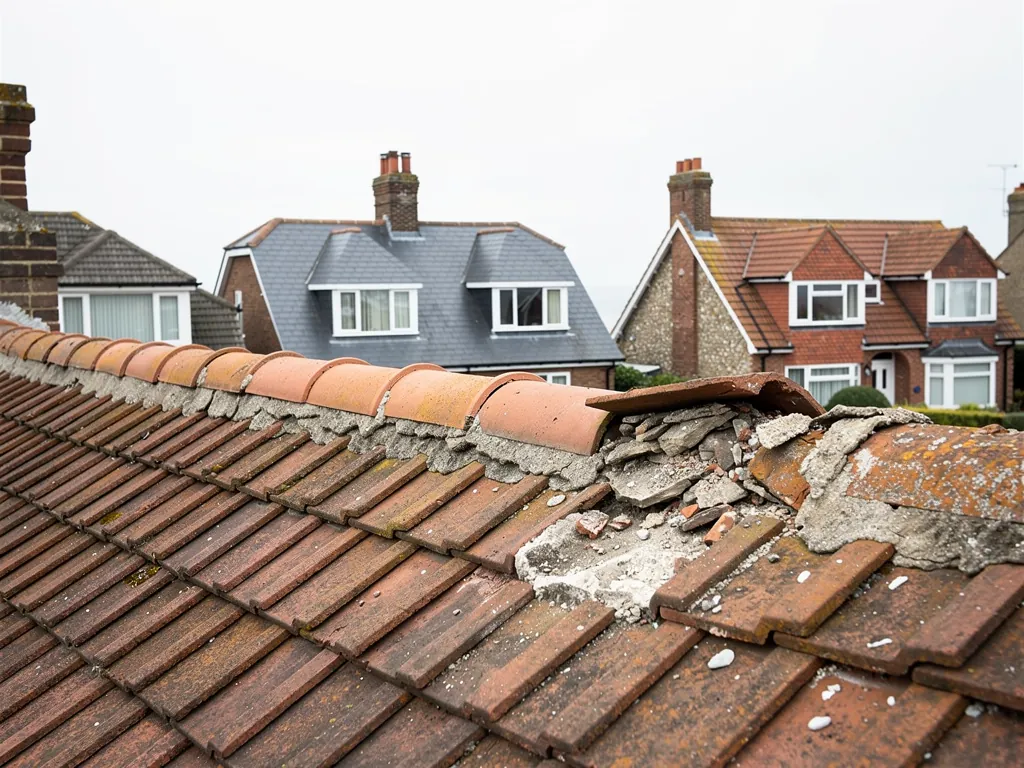
A plain clay tile is not flat. A double-camber tile curves slightly along its length and across its width, so each course sits snugly on the one below and the roof surface takes on a soft, uneven look. That curve is part of the character the council values, and it is also why a mismatched replacement shows. A modern flat tile, or a machine-made tile in the wrong shade of red, sits differently and reads as a patch from the road. When a few tiles slip or crack, we look for a match in colour, texture and curve, and on an older roof reclaimed tiles are often a better fit than new ones. Old tiles also vary a little from one to the next, and that variation gives a roof its texture; a run of identical new tiles can look flat beside it.
1.2 Ridge, battens and the fixing underneath
Battens are the thin timber strips the tiles hook over, and on a roof of this age they are sometimes the part that has failed even though the tiles look sound. The ridge is the capping along the top, where the two slopes meet. BS 5534 as revised in 2014 asks for a screw or clip on ridge tiles in addition to the bed of mortar, so a re-bedded ridge is fixed both ways. Inside a conservation area the aim is to keep the line you see from the road and put the fixing out of sight. Our ridge tile repairs page explains the difference between a re-bed and a dry-fixed ridge.
1.3 Checking the position before you start
Like-for-like repairs to an unlisted house rarely need a planning application, though a conservation area asks for care over appearance, and a listed building needs listed building consent where the works would alter what makes it special. Fareham's Article 4 pages cover only Portchester and Titchfield. If you are buying a house here, ask for the conservation area map with the survey, so repairs and matching materials can be planned from the start. Anything that changes the covering material is a question for Fareham Borough Council's planners. A tile that is a close match in size and colour but newer in manufacture is not usually the issue; a different material altogether is.
Chapter 2: The Fishers Hill terrace and its neighbours2623
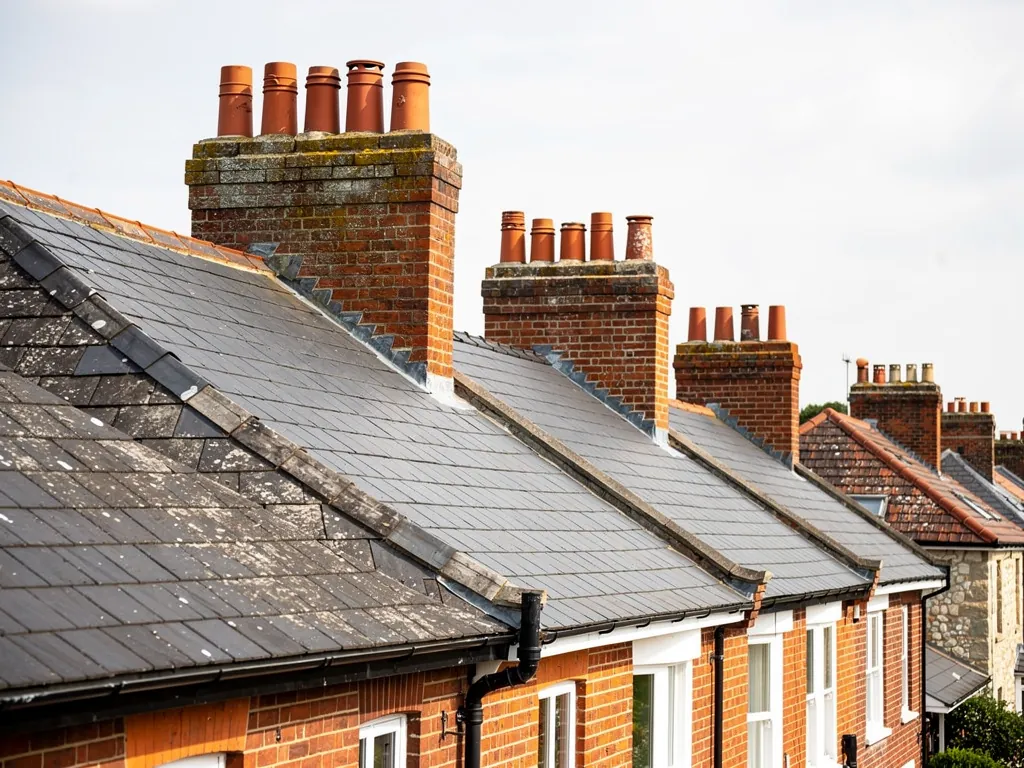
Sheet 02 / 03Near Fishers Hill stands a terrace of five 18th-century cottages, built of red brick with grey headers and roofed in clay tile. A run of cottages like that is a different problem from a detached house, because the roofs are joined. The ridge carries on from one house to the next, the chimney stacks sit on the walls between them, and the gutters and flashings are shared in practice, whoever owns them on paper. A fault at one end can send water into the next house along.
Two answers for a tired terrace roof
Targeted repair
Replace slipped or cracked tiles, renew the lead and refix the ridge, keeping the sound covering.
Strip and relay
Take the covering off, renew battens and underlay, then relay sound tiles with matching ones added.
2.1 Party walls, stacks and who owns what
Where one roof ends and the next begins, a strip of metal called a flashing seals the joint between the tiles and the wall or stack. On a terrace of this age it is often lead, which can be shaped to follow the brickwork. If it cracks or lifts, water finds a way down the party wall. Because a stack straddles the wall between two homes, a leak there can show on a neighbour's ceiling before your own. We photograph each junction, tell you which side the fault sits on and suggest a word with the neighbour before any scaffold goes up. Our lead roofing and leadwork page covers how failed flashings are renewed.
2.2 Brick, headers and the chimney stack
Headers are the bricks laid with their short ends showing, and the grey ones give the Fishers Hill terrace its patterned look. They matter to a roofer because chimney stacks are brickwork too, and a stack that matches the wall below needs matching repairs. Where the pointing has gone, water gets into the stack and down the flue, and where the lead tray at the base has failed, it gets into the roof space. Repointing a stack in mortar chosen for the old brick is a different job from rebuilding it, and the photographs show which one is needed.
2.3 When the sums say repair
Clay tile can be a long-lasting covering. Marley cites a 60-year minimum life expectancy for clay tile from the Building Research Establishment, while a conservation article on buildingconservation.com cautions that old peg-tile roofs cannot be judged by that figure alone. Age on its own does not condemn a roof. A terrace roof that has lost a handful of tiles and has one cracked flashing needs those faults put right, not a new covering, and that is what the written quote will say. Where a terrace is split between several owners, agreeing one visit for the whole run can save repeated scaffold hire, and the survey photographs give everybody the same picture of what needs doing.
Chapter 3: Fern Hill, the Abbey barn and the modern edge2745
Sheet 03 / 03On the edge of the village the Monastic Barn of Titchfield Abbey at Fern Hill Farm is listed Grade I, first listed on 18 October 1955. Work on a building like that belongs to a specialist who has read the list entry. It matters to Catisfield roofing for a simpler reason: the area holds protected buildings, and a roof near one deserves a check of its status before anything is ordered.
From first call to finished roof
- 1SurveyPhotographs of the slopes, ridge, flashings and gutters of your own roof.
- 2VerdictA plain call on repair, patch or replacement, and the reason behind it.
- 3QuoteOne total price, in writing, once the survey is done.
- 4HandoverTiles swept off the drive, rubbish removed, scaffold gone.
3.1 Listed buildings and the consent route
Listed building consent covers alterations that affect a listed building's special architectural or historic interest. Regular maintenance and like-for-like repairs are treated differently from replacement in another material, and the list entry and the council's conservation officer are the first calls. Owners of a listed house here should say so at the start, because it shapes what the survey looks for and what the written quote can include. Reclaimed clay tile, pointing that suits the old brick and lead dressed to the walls are the sort of details a listed roof asks for. The Titchfield Abbey conservation area adjoins Catisfield's, so a house near the line between them may sit in either area. A glance at both maps before you plan work saves a wasted visit.
3.2 Newer housing on two sides of the old village
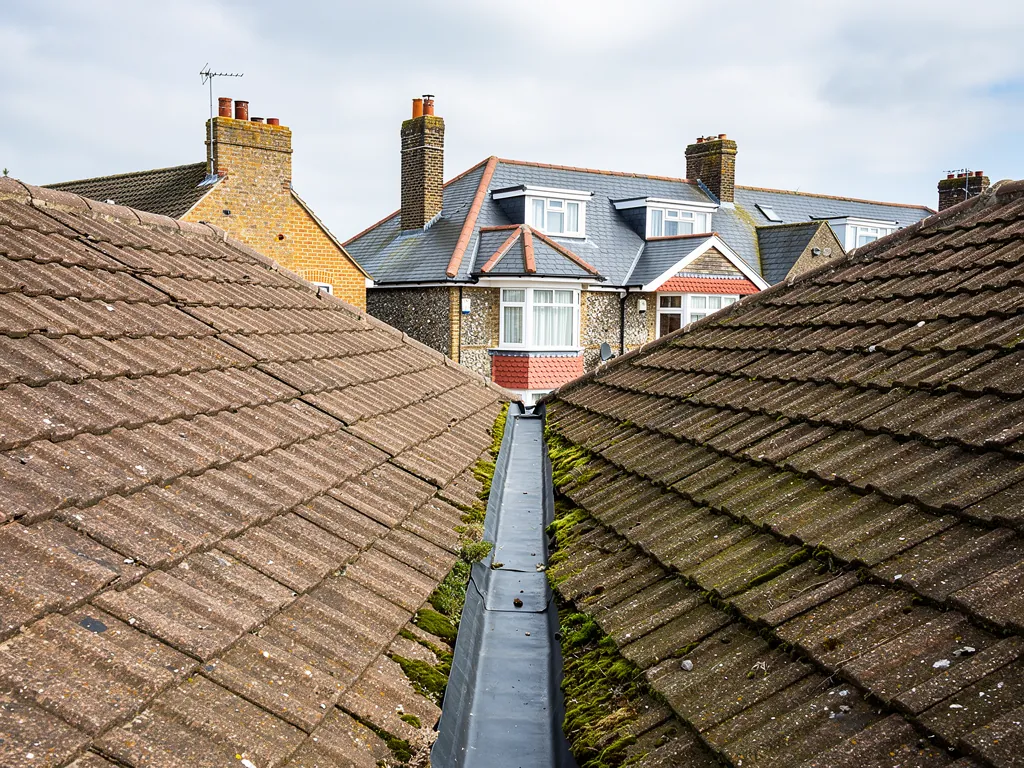
Modern development has grown up on two sides of the old street pattern. Newer houses fail in different places from a clay-tiled cottage. Mortar bedding that cracks along the ridge and at gable edges is one, flashings at porches and extensions another, and gutters that sag between their fixings a third. A house from the last few decades is also more likely to have a flat-roofed garage or extension, where the covering and the falls are what to check. BS 6229:2025 asks for a minimum finished fall of 1:80 on a flat roof, and installers aim steeper so rain clears the surface. Our flat roofing page covers how those roofs are laid.
3.3 Roof windows near the boundary
If you are thinking of roof windows in a house close to the conservation area edge, find out where the boundary falls first. Our guide to skylight planning permission sets out the rules in plain words. For the building side, Fareham Borough Council's building control team can say whether a re-roof needs an application.
Roofing help for Catisfield
Frequently asked questions
Questions from Fishers Hill to Fern Hill
Can slipped double-camber tiles in Catisfield be matched, or does the whole slope need relaying?
Often they can be matched. We look for tiles with the same camber, colour and texture, and reclaimed tiles can suit an older roof better than new ones, since they have already weathered to the shade around them. If the battens beneath have failed across the whole slope, relaying with the sound tiles reused and matching ones added is the better repair. Either way you see photographs of each fault before the written quote arrives.
Who shares the roof problems on the five-cottage terrace near Fishers Hill?
On any terrace the ridge, stacks and flashings join one house to the next, so a fault at one end can turn up in another. We work out which junction has failed and whose side it sits on, and we suggest a conversation with the neighbour before a scaffold goes up. The cure is often lead or pointing at the stack, not a new roof, and finding the true source usually means looking at the roof space as well as the slopes.
Does the Catisfield conservation area stop me re-roofing with a modern tile?
It does not forbid it outright, but it changes how carefully the choice is made. The council's assessment describes red double-camber clay tile as the predominant material in the area, so a flat tile in a different colour would look out of place from the road. Put the question to Fareham's planners before replacing a whole covering, and read the list entry first if the house is listed. A like-for-like clay tile is a much easier conversation than a change of material.
Is there an Article 4 direction on roofs in Catisfield?
Fareham Borough Council's pages list Article 4 directions only for the Portchester and Titchfield conservation areas, so none is recorded for Catisfield. Rules change, so confirm with Fareham's planning team before altering a roof inside the boundary. A listed building follows different rules: listed building consent is required before works that would alter its character.
Nearby areas
Get a quote
Tell us about your roof
Describe what's happening and we'll call you back.
Loading the enquiry form. You can also call 01243 252373.