
Roofers in Lee-on-the-Solent
Solent shore roofs and a listed church
Lee-on-the-Solent lies along the Solent shore west of Gosport, once a slice of Titchfield's ancient parish, and its Grade II listed church of St Faith, in Victoria Square, dates from 1933.

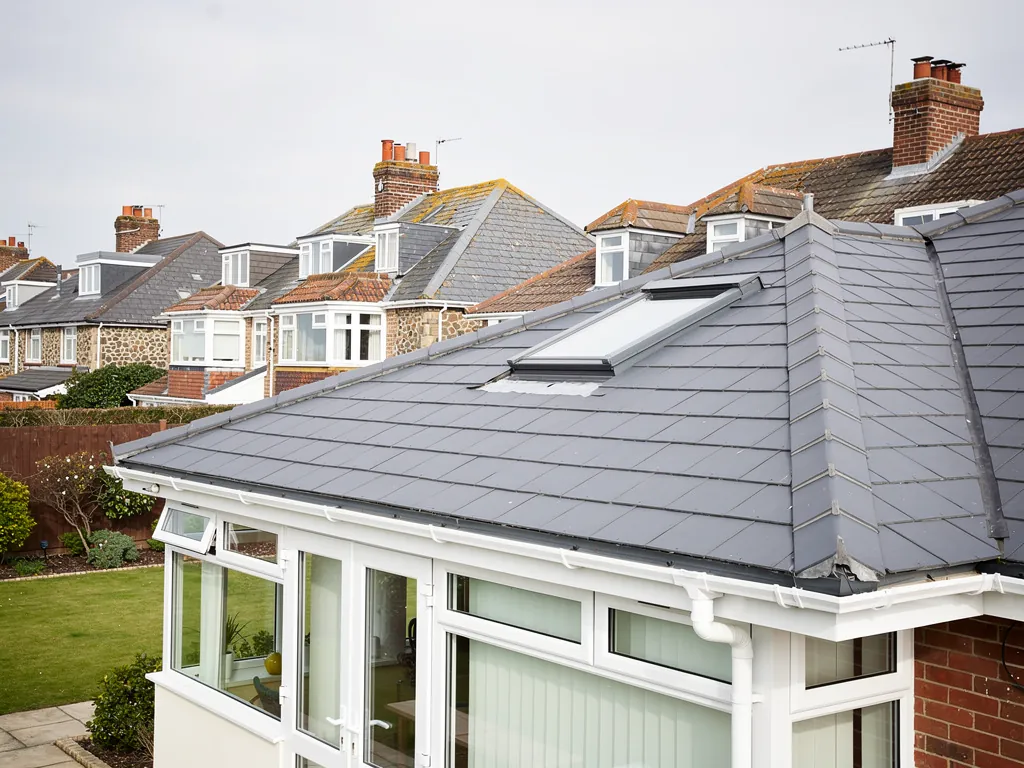
Lee-on-the-Solent roofs
Roofs on the Solent shore and around St Faith
-
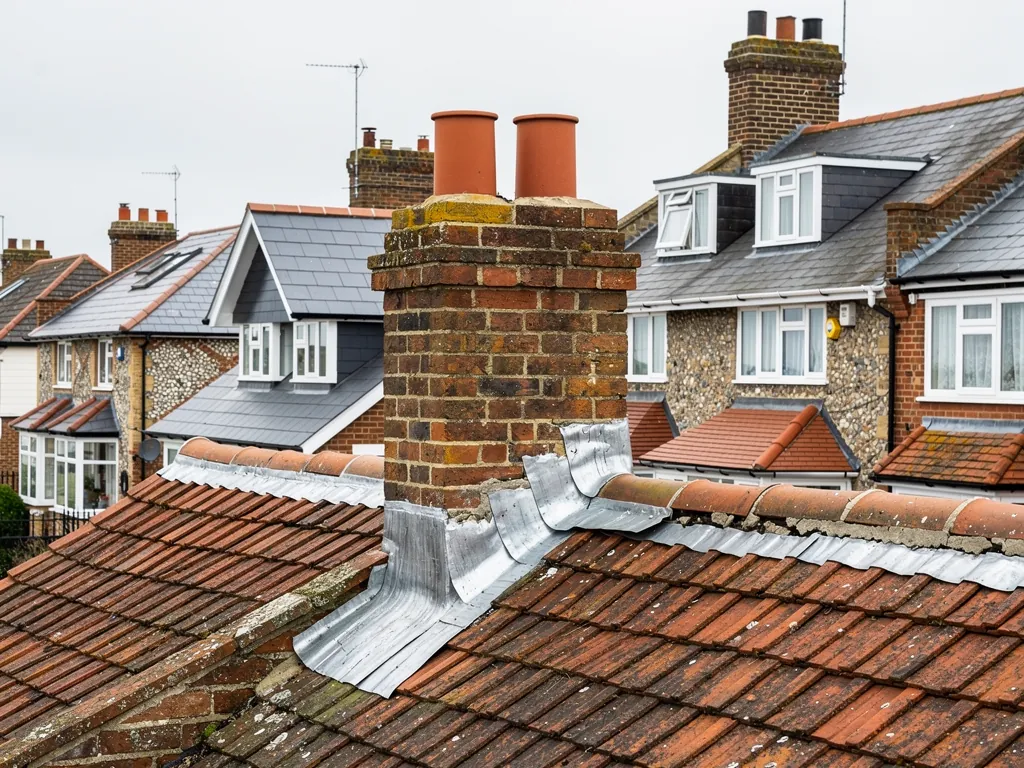
Roofs facing the water
A house with an open outlook over the Solent takes the gales, the slanting rain and the salt air square on its roofline. Ridges, gable edges and flashings are where we point the camera first.
-
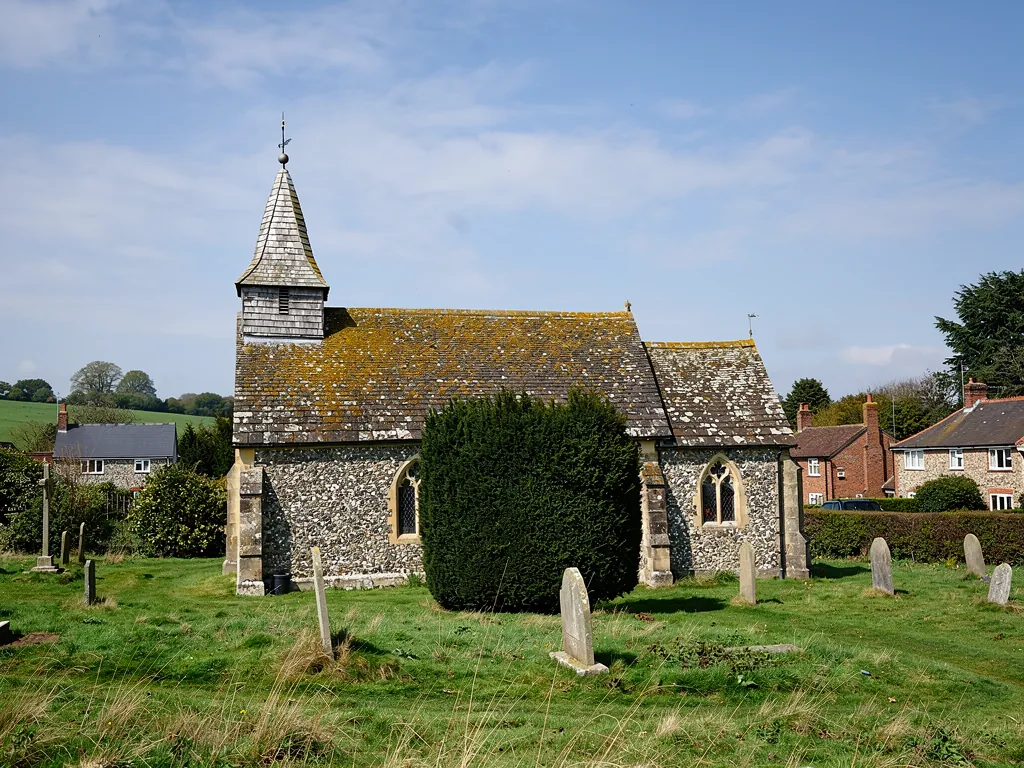
The listed church of St Faith
St Faith's carries a Grade II listing dated 12 February 1997. Before roof work on any listed building, the list entry gets read and the consent route gets settled, well ahead of the first slate coming off.
-
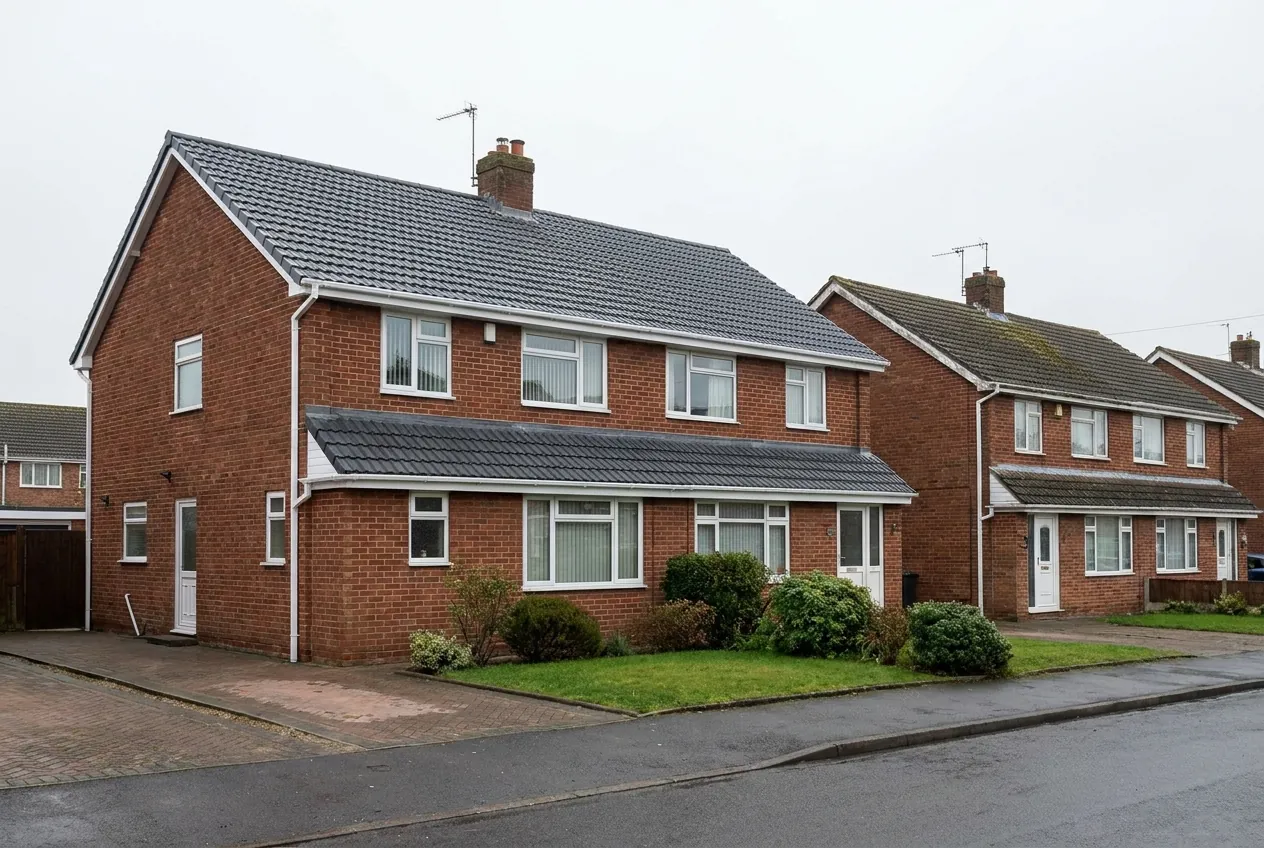
Homes in a parish that grew
Lee began as a stretch of Titchfield's foreshore, then joined Crofton and Stubbington in a civil parish of 1894. Houses on one road can differ in age, so every roof earns its own survey and its own verdict.
Map of Lee-on-the-Solent, 29.5 road miles west of Bognor Regis, with the nearest towns we also cover.
Lee-on-the-Solent at a glance
- Council
- Gosport Borough Council
- County
- Hampshire County Council
- Listed landmark
- St Faith's church, Grade II, listed on 12 February 1997
- Parish history
- Ancient parish of Titchfield; civil parish with Crofton and Stubbington from 1894
- Setting
- On the Solent shore, west of Gosport
- Distance
- 29.5 road miles west of Bognor Regis, about 41 minutes by car
Lee notes
Solent weather, St Faith and the parish roofs
Three things that shape how a roof is looked after in Lee-on-the-Solent, and what each one changes about the work.
Chapter 1: Gales off the Solent and the roof edge2318
Sheet 01 / 03Lee-on-the-Solent faces the Solent from the Hampshire side, west of Gosport, and that one fact colours how we read a roof here. A house with an open view across the water gets wind and driving rain on its roofline in a way that a house sheltered by neighbours on every side does not. So we begin each Lee survey at the exposed edges, since that is where weather finds its way in first and where a small fault turns into a stained ceiling a few months later.
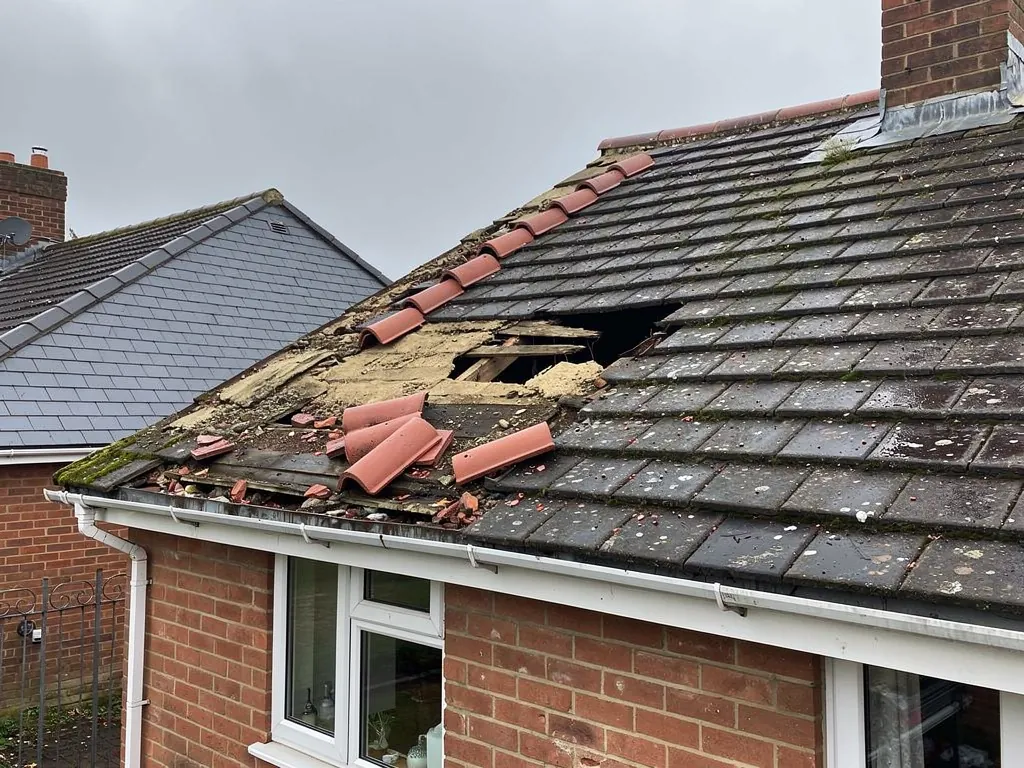
Photographed on a shore-side roof
- Ridge and hip fixings
- Verge tiles at the gable
- Flashings round chimney stacks
- Gutter joints and outlets
- Moss and debris in valleys
1.1 Gable edges, ridge lines and hip corners
Three parts of a pitched roof take the worst of the wind. The verge is the gable-end edge, where the last tiles overhang the wall. The ridge is the line along the summit where two slopes meet. The hips are the angled outer corners you find on a hipped roof. Each is held by a mortar bed, by screws and clips, or by dry-fix fittings (mechanical pieces that need no mortar), depending on who last worked on the roof and when. A ridge pressed into mortar and nothing else is how roofs were done before BS 5534 was revised in 2014; since then a mechanical fixing is expected to back the bed up. A crumbled bed on an older roof can therefore leave a capping with nothing else keeping it in place, and a gale finds that out quickly. If a ridge shifts when you press it, or a gap has opened between verge tile and wall, deal with it before the next blow rather than after.
1.2 Salt air, spray and a regular look-over
Beside the sea the air carries salt, and a roof nobody climbs up to inspect quietly collects moss, windblown grit and grubby edges. That is why we photograph the entire roof and never just the patch a homeowner points at. Gutters earn the same scrutiny. A clogged run overspills behind the fascia (the long board the gutter is screwed to) and soaks the rafter ends. The damage is slow, and it shows up as a damp mark inside long after the cause has settled in. Our ridge tile repairs page describes how loose cappings are lifted, rebedded and fixed properly.
1.3 What you receive after the survey
You get the photographs, a clear verdict (mend it, hold it for now, or renew it) and then a written quote that gives a single total. Where a ridge refix will hold, we recommend that over a new roof, and we say why in plain words. That is the order we work in on this coast: look closely, explain the finding, then price only the job the roof needs.
Chapter 2: Reading St Faith's list entry first2135
Sheet 02 / 03St Faith's church stands in Victoria Square. It was built in 1933 to designs by the architects Seely and Paget, in red brick with stone dressings, and it holds Grade II status on the National Heritage List under list entry 1257999, first listed on 12 February 1997. Grade II marks a building of special interest, and the listing takes in the whole structure, roof included. The entry does not set out the route a church follows when its roof needs work. Which route applies depends on the church's denomination and its present use.
Church roofs and their consent routes
Exempt church in use
Follows its own denomination's approval process, such as the faculty system for the Church of England.
Not exempt
Needs listed building consent from the council before roof work that affects the character of the building.
2.1 Which consent route applies to a church roof
Under the Listed Buildings Act, alterations that change a listed building's character need authority first. For churches in use, the way that authority is given varies with the denomination. The Church of England sits outside listed building consent and runs its own faculty system. Roman Catholic, Methodist and a few other bodies have approval procedures of their own. Every other faith falls outside the exemption, so a building in its care needs listed building consent from the council. A redundant church cared for by the Churches Conservation Trust, or one that has stopped holding worship, comes back under the ordinary controls. Exterior changes to any listed place of worship can still need planning permission as well. St Faith's belongs to the Church of England, as the parish church of Lee in the Diocese of Portsmouth, so while it is in use its roof works go through the faculty system, and the parish is the first call.
2.2 Listed neighbours and like-for-like repairs
For a house near the church, the dependable check is the National Heritage List itself, searched by address. On a listed house, swapping a few failed tiles for the same tile is a different thing from stripping a slope and relaying it in something new. We read the entry before pricing, note the existing covering, and tell you plainly if a job needs consent first. Our roof repairs page shows how small jobs are scoped, and that approach holds on a listed roof as on any other.
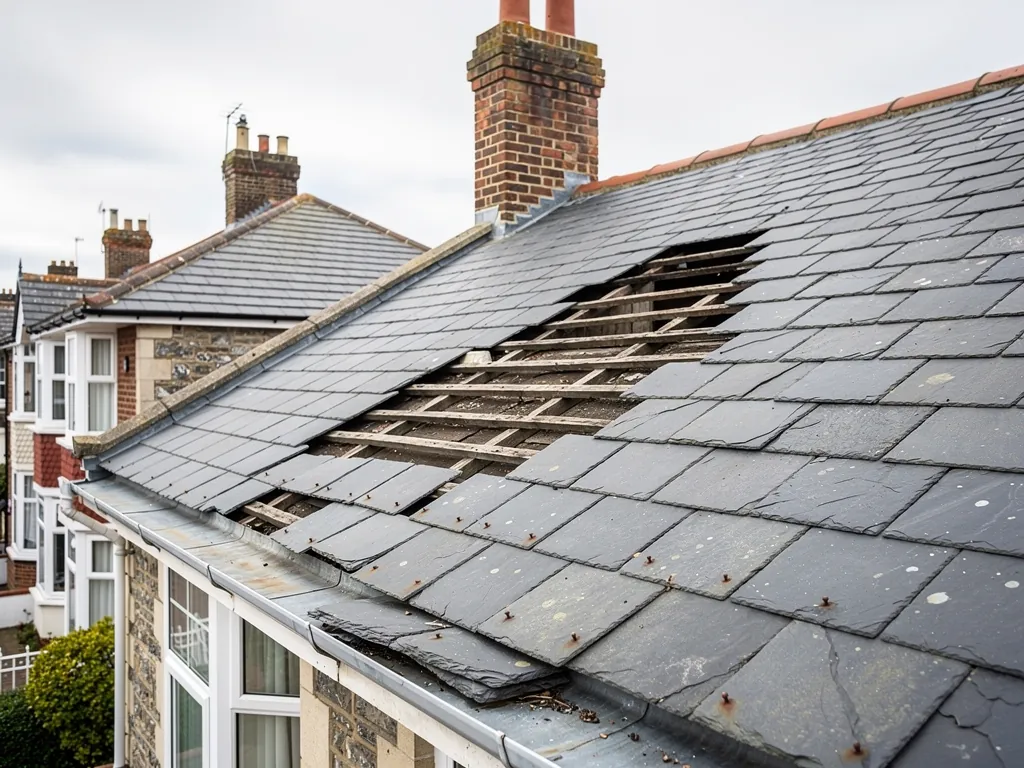
2.3 Leaks do not wait for forms
When water is coming in, first comes making the roof watertight again, with a temporary fix if that is all the day allows. The consent question for the lasting repair follows, and we explain the steps so you are never left guessing what has to happen next. Photographs taken before and after the temporary fix go in your file, which is useful if the roof is ever sold or an insurer asks what was done and when.
Chapter 3: One parish, many ages of roof1769
Sheet 03 / 03Lee-on-the-Solent began as a piece of the ancient parish of Titchfield, whose foreshore ran seven miles from the River Hamble to Stokes Bay. In 1894 Crofton, Stubbington and Lee-on-the-Solent were made a civil parish under the Local Government Act. The seaside resort itself was laid out from the 1880s, with Sir John Robinson behind its early plans. That history of changing boundaries is a handy reminder when you stand in a Lee street: homes built at different moments stand shoulder to shoulder, and the roof on each carries its own age, covering and repair record.
Three outcomes for a Lee roof
- RefixSlipped tiles and wobbling ridge pieces secured again with mechanical fixings.
- OverhaulEdges, flashings and gutters renewed, with the sound main slopes left alone.
- Re-roofFresh tiles, laths and underlay once the original set is spent.
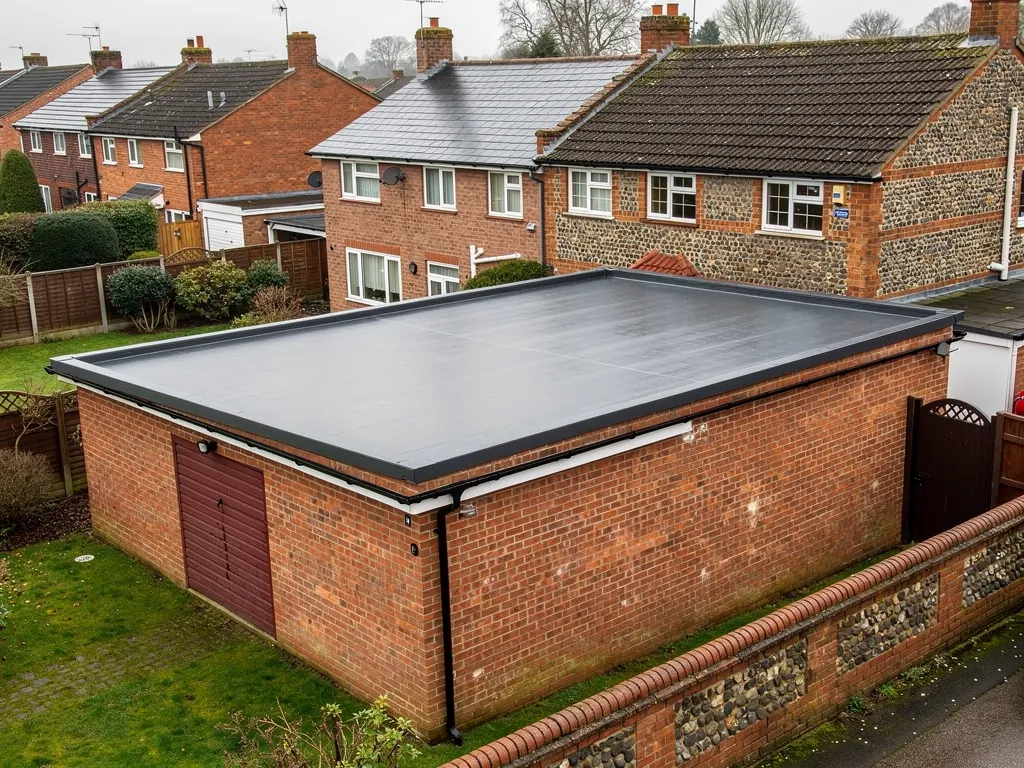
3.1 Why age alone never settles the question
A roof that has stood for decades may have had its ridge rebedded, its flashings renewed and its underlay (the membrane beneath the tiles) swapped, while a younger one next door may have been laid with little care. So a date never decides the job. We go up, photograph each fault, and sort the roof into one of three outcomes. Either we refix what has slipped, or we overhaul the edges and flashings and leave the main covering alone, or we recommend a re-roof once the covering and its battens (the slim timber rails fixed across the rafters) have run their course, and the underlay with them. Re-roofing is the biggest of the three outcomes, so we only recommend it when the photographs show why a lesser job would not last. Our pitched roofing page lays out what a strip and relay actually involves day by day.
3.2 Flat extensions, garages and falling water
Where a house has a flat-roofed extension or garage, drainage comes before everything else. BS 6229:2025 sets a minimum finished fall of 1:80, and a roofer designs steeper so that the finished surface still sheds water. If puddles stay for days after rain, the fall or the deck beneath is telling you something. We study the edge trims and upstands (where the covering climbs the wall behind it) before choosing between a patch and a fresh covering. A tired covering with a sound deck is a simple job. A soft deck is not, and it is better to learn that on the survey than halfway through the work.
3.3 When re-roofing needs approval
The Planning Portal sets two limits for skipping a building control application: the work must affect less than 25 per cent of the total building envelope and less than 50 per cent of the roof. A much heavier new covering or a structural change can alter that, and so can a roof that has been altered before. Gosport Borough Council can say what applies in your case, and we deal with the notification whenever your work falls under it.
Roofing services across Lee-on-the-Solent
Frequently asked questions
Questions from the Solent shore to St Faith
What do you check on a Lee-on-the-Solent roof after a Solent gale?
We start at the exposed edges: ridge and hip fixings, verge tiles at the gable, and the flashings around chimney stacks. Then we trace the gutters and outlets, because a blocked run sends water behind the fascia. You receive photographs of anything that has moved or failed, a plain verdict on what the roof needs, and afterwards our written quote with a single total.
Does a roof job near St Faith's church need listed building consent?
Only when the building being worked on is itself listed. The church has Grade II status, and as a Church of England parish church it uses the faculty system. For a house, search the address on the National Heritage List. If it is listed, a like-for-like repair is treated differently from a new covering. Check with Gosport Borough Council's planning team before ordering anything beyond a simple repair on a listed roof.
Is a sea-facing flat roof in Lee better repaired or replaced?
That depends on the deck underneath and where the water leaves the roof. With a sound deck and a correct fall, mending the weak edge can hold for years. When the covering has failed in several places, or the roof keeps ponding, a fresh covering on a corrected fall is the better job. We photograph trims and upstands, then tell you which it is before you spend a penny.
Do I need Building Regulations approval to re-roof my Lee-on-the-Solent house?
Not normally, when under 25 per cent of the total building envelope and under 50 per cent of the roof is affected, as the Planning Portal sets out. A much heavier covering, a structural change or a bigger area can alter that, so measure what you plan to touch before assuming. Gosport Borough Council's building control team can confirm what applies, and where the work is notifiable we handle the notification.
Nearby areas
Get a quote
Tell us about your roof
Describe what's happening and we'll call you back.
Loading the enquiry form. You can also call 01243 252373.