
Roofers in Lindford
Wey-side homes on the Woolmer Forest edge
Lindford is a hamlet of Headley parish where the River Wey picks up streams from Woolmer Forest, so its roofs sit beside water, woodland and heath, a little way from the Wey conservation area.


Lindford roofs
Roofs between the River Wey and the heath
-
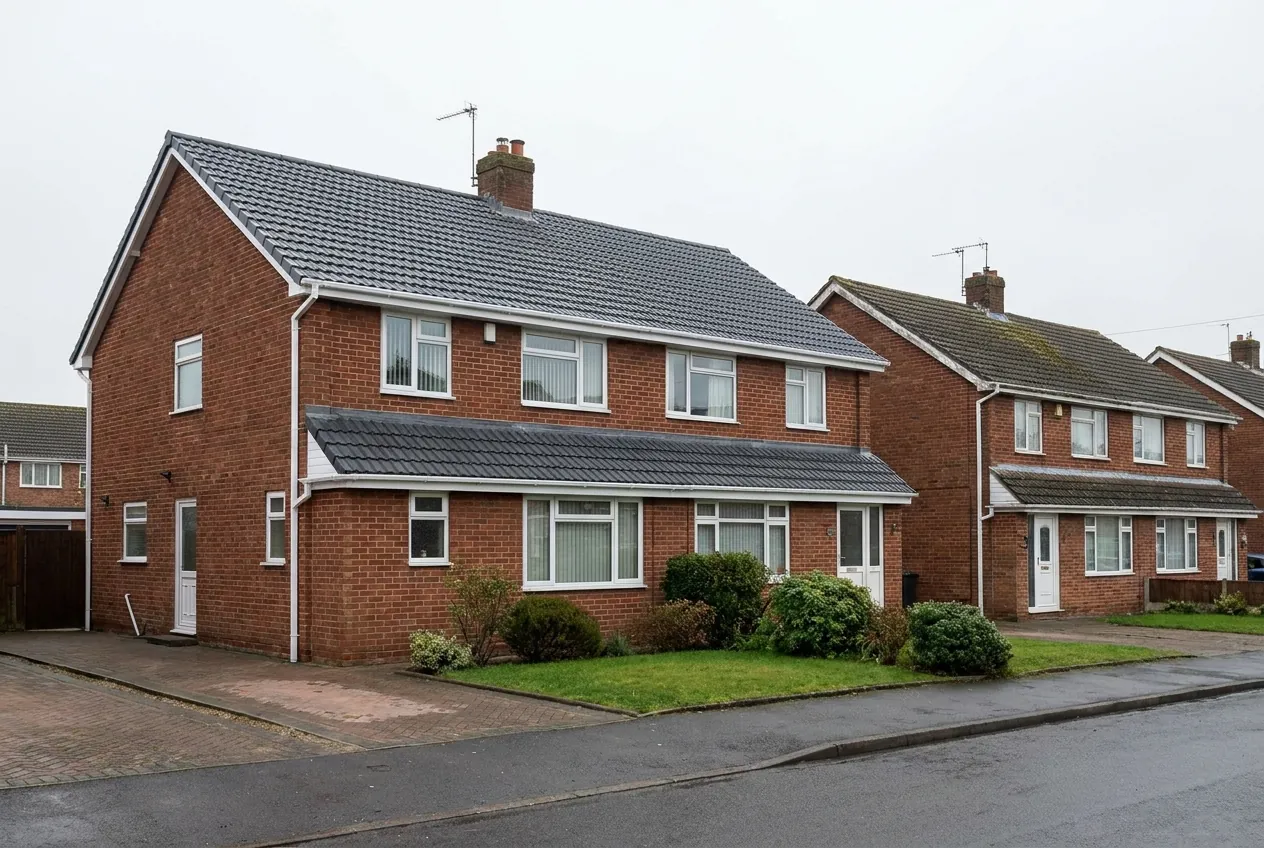
Houses beside the River Wey
The southern Wey flows past Bramshott paper-mill to Lindford, so the hamlet's homes stand on low ground by a river. Shade, damp and slow-drying slopes are the wear to expect.
-
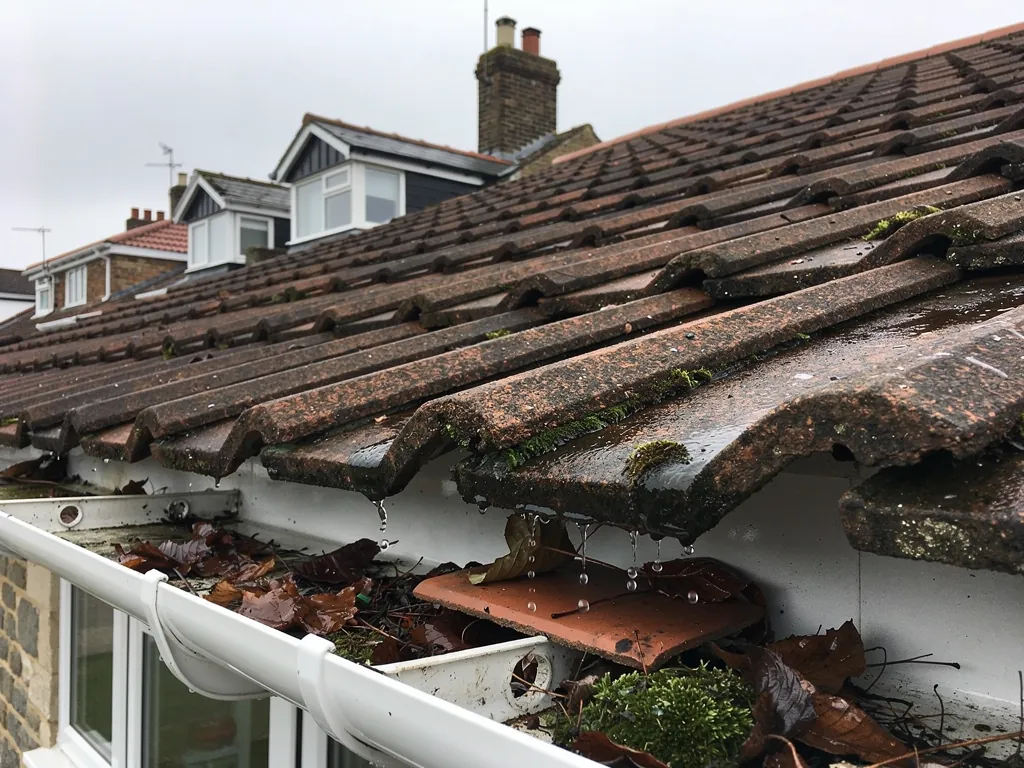
Homes on the heathland edge
The Wey takes in streams from Woolmer Forest heathland just upstream, and roofs near open heath and woodland pick up leaf litter and wind-blown debris in their valleys and gutters.
-
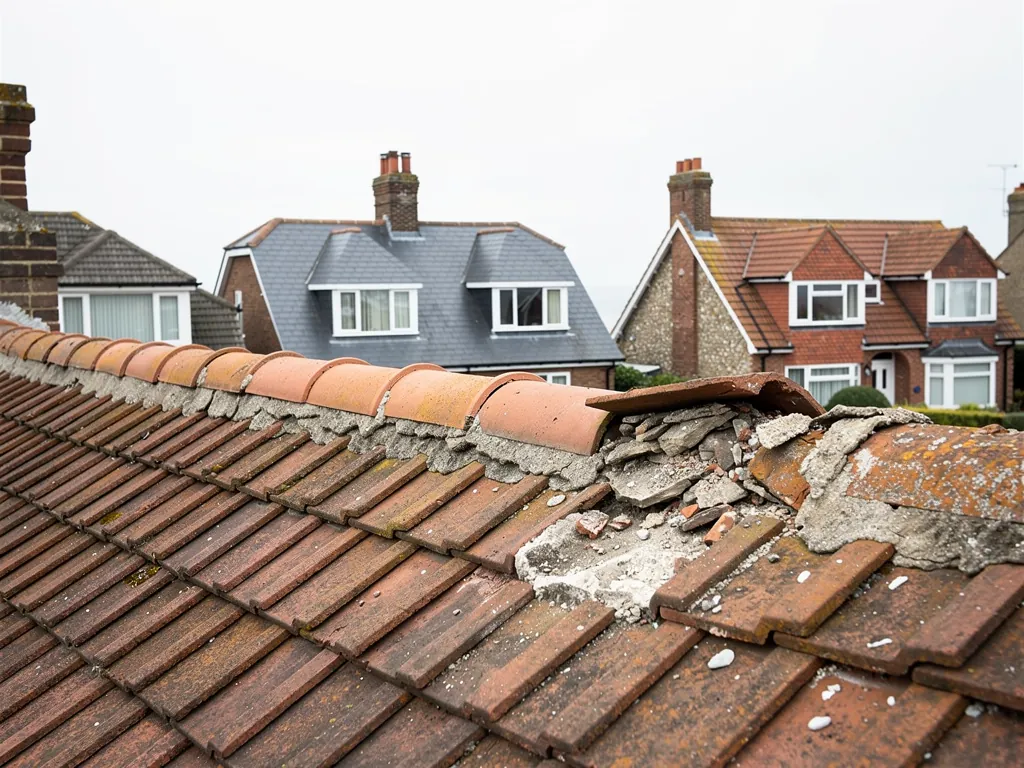
Properties near the conservation area
The River Wey Conservation Area follows the river nearby but no conservation area is recorded at Lindford itself, so the sensible first step is checking the map against your own address.
Map of Lindford, 28.8 road miles north of Bognor Regis, with the nearest towns we also cover.
Lindford beside the Wey
- Council
- East Hampshire District Council
- County
- Hampshire County Council
- Conservation area
- None at Lindford; the River Wey Conservation Area follows the river nearby
- Article 4
- East Hampshire's 2018 direction handles converting employment buildings to homes, with no roof rights lost
- Setting
- On the River Wey at the edge of Woolmer Forest heathland
- Distance
- 28.8 road miles north of Bognor Regis, about 50 minutes by car
Hamlet notes
River, heath and a hamlet inside Headley parish
Lindford is a small river hamlet, so these notes follow what the place itself tells a roofer: water below, trees around, and a conservation area nearby.
Chapter 1: A Headley parish hamlet on the Wey2074
Sheet 01 / 03The Victoria County History of 1908 lists Lindford among the hamlets of Headley parish and mentions its inn, the Royal Exchange. It also traces the southern Wey as it flows past Bramshott paper-mill to Lindford, where the river receives streams running down from Woolmer Forest. It is a small settlement in a river valley on the edge of heath, and that tells a roofer where to start. Roofs in a place like this are shaped less by one architectural period than by shelter, trees and damp ground, so every house gets judged on its own survey instead of on an assumption about the street. A hamlet also tends to mix old and new within a few hundred metres, which is one more reason the photographs of your own roof matter more than a general idea of the area.
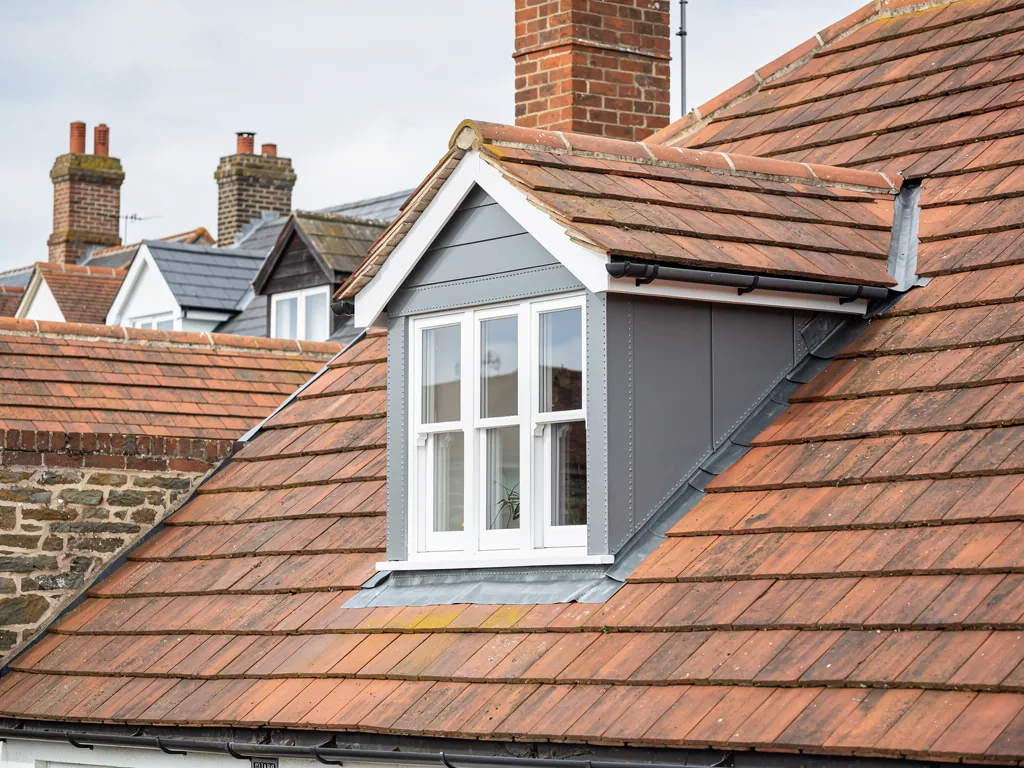
Before roof work near the Wey
- Check the River Wey map line
- Look for any list entry
- Match the existing covering
- Ask East Hampshire if unsure
1.1 Is the conservation area next door?
The River Wey Conservation Area follows the river from Hammer Bottom down to Headley Mill, passing Passfield and Standford along the way. East Hampshire District Council's leaflet shows that line, and Lindford itself is not inside a conservation area. In practice the boundary is the thing to check. A house a few paces from the river may sit just inside the line or just outside it, and the answer changes what the council expects to see on a roof. The council's planning team can confirm an address from its map, and a short email beats a guess.
1.2 Planning, permission and a plain re-roof
For a house outside a conservation area and not listed, putting back a roof that looks the same is not usually a planning matter, because the building's outward appearance is not materially changed. That reading carries caveats: a listing, or an Article 4 direction aimed at roofs, would change it. A written answer from the council's planning team settles any doubt, and it costs nothing to ask before ordering materials or booking a start date. East Hampshire's Article 4 direction of 31 January 2018 is about employment premises changing into dwellings, and no right over roofs is taken away by it. Our roof replacement and new roofs page explains how a full re-roof is surveyed and how the Building Regulations notification is handled when work is notifiable.
Chapter 2: Heath, woodland and the damp valley floor2501
Sheet 02 / 03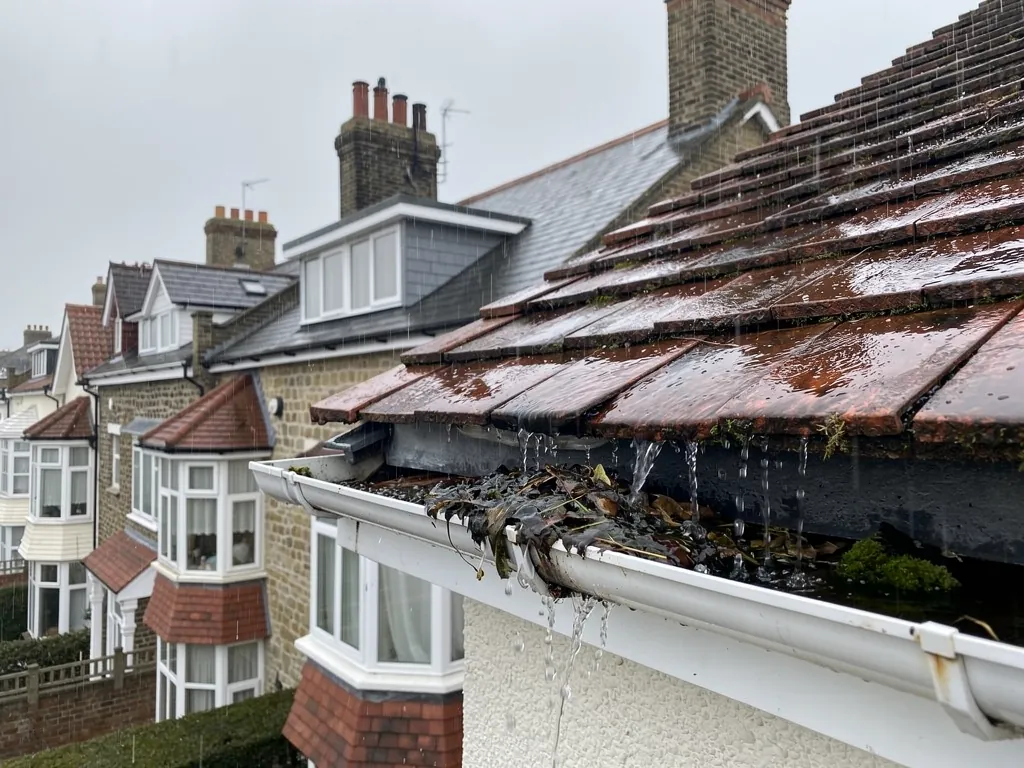
Standing where the Wey meets water from Woolmer Forest, Lindford has trees, heath and a river all within reach, and a roof soaks all three up. Leaves, twigs and seed litter blow onto slopes and collect in valleys and gutters. Shade keeps surfaces wet. A damp roof grows moss and algae faster than one that dries in the sun after every shower, and a gutter that stays full begins to overflow down the wall beneath it. None of that is a flaw in the building. It is simply the price of a green setting, and it is why gutters and valleys come first when we look at a roof here.
Two sides of one Lindford house
Tree-side slope
Collects litter and stays damp, so gutters and valleys need frequent clearing.
Open-side slope
Dries between showers, so the focus moves to fixings, ridge and verge condition.
2.1 Leaf fall, valleys and gutter runs
A valley forms wherever two slopes run into each other at an internal angle, and it is lined with metal or purpose-made tiles to carry water down to the gutter. When leaves pile into it the lining can sit under a wet mat for months, and water starts to creep sideways beneath the tiles at either edge. We walk the valley, lift what is blocking it and photograph the lining. A clean lining with no splits just needs clearing. A cracked or lifted one needs replacing, and the neighbouring tiles usually have to come off and go back. Some owners ask whether a sheet of lead or a plastic liner is better. Either can work, and the choice depends on the angle of the valley, the covering around it and how much water it has to carry in a heavy downpour. Gutters get the same treatment: we check that each length holds a fall towards the outlet and that the joints are tight, because a gutter that sags retains water and loads the fascia board behind it. Our guttering, soffit and fascia page explains what renewal involves.
2.2 Moss, shade and the quiet damage to timber
Moss itself rarely brings a roof down. The trouble is what it holds: a sponge of water against tile edges and onto the timber under the eaves. Bats and nesting birds are protected, which matters when a roof beside woodland is opened up, and looking carefully before a tile is lifted is part of the job. Any soffit board that has stayed wet for years is worth probing with a screwdriver, because soft wood hides behind a good coat of paint. If the fascia and soffit are sound, cleaning and a gutter overhaul may be all the roof needs, and that is the answer you will be given. Clearing moss is a sensible job when the tiles beneath are sound, and a poor use of money when they are not.
Chapter 3: Dating a Lindford roof from the roof itself2623
Sheet 03 / 03A hamlet that has had houses added across a century or more rarely settles on one house type, so a surveyor does not guess from the road. The loft and the roof surface tell the age, and the age tells what is worth repairing. A roof that is only moderately old and has dry timbers and sound battens may need ridge work and a handful of tiles. A much older one with a rotted underlay and rusted nails needs a very different quote. Neither is a reason to panic. Both are a reason to look before spending, since a roof that is dry inside today may still be shedding tiles you cannot see from the lane, and one that looks tired from the garden may have years left once the ridge and a few slipped tiles are put right.
How a Lindford roof survey runs
- 1Walk the outsideLook over ridge, valleys, gutters and the tree side of every slope.
- 2Check the loftInspect underlay, battens, rafters and any signs of earlier leaks.
- 3Record faultsPhotograph each defect so the verdict rests on evidence.
- 4Give the verdictThe call on the roof: repair, patch or replace, with one written total.
3.1 What a loft inspection shows
From the hatch we look up at the covering from below for chinks of daylight and damp staining, and we examine the underlay, the membrane laid under the tiles to catch whatever gets past them. Old roofs may have bitumen felt that has cracked and gone brittle, or no felt at all, in which case wind-blown rain and snow can find their way through. Rafters and battens are checked for rot, woodworm and sagging. We note where earlier repairs have been made, because mismatched tiles and patches of mortar show where water has been a problem before. Nails matter more than most owners expect: on an older roof a tile can stay in place only because it is resting against its neighbours, and one gust of wind is all it takes to break that hold. This is why the photographs come first and the price second, and why a quote written without a loft visit is only a guess.
3.2 Ridges, verges and what the standard now asks
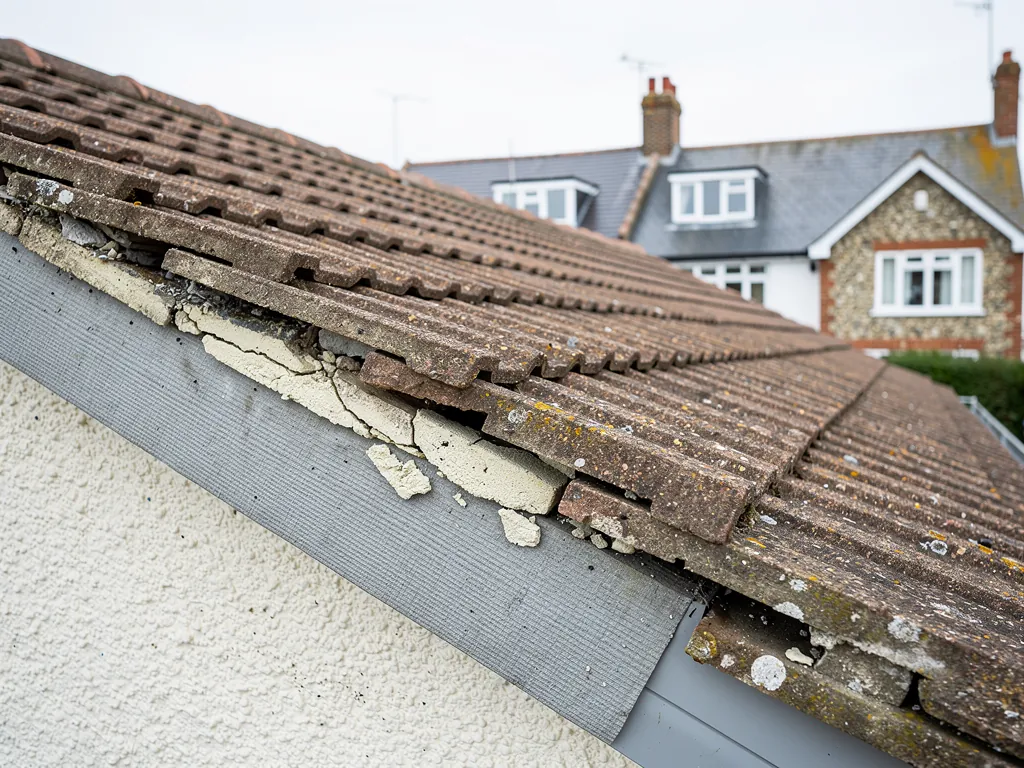
The ridge is the crest where the two main slopes meet, finished with a row of capping tiles. Since the 2014 revision of BS 5534 bedding them in mortar and nothing more is out of date, so each tile is fixed by a clip or screw too. The same logic applies at the verge, where the tiling ends at a gable wall and wind can get underneath. If your ridge is bedded on crumbling mortar, re-fixing it is a repair we would recommend ahead of a new roof. Our roof repairs page sets out how that decision is made. Elsewhere on the plot, the HSE tells owners to treat any shed or lean-to put up before 2000 as asbestos-bearing until it has been checked, so any such roof is raised at the survey stage.
Roof help for Lindford's river and heath edge
Frequently asked questions
Questions from the Wey to Woolmer Forest
Do trees and heath at the edge of Lindford change how a roof should be looked after?
Yes, chiefly through the gutters and valleys. Roofs near woodland and open heath collect leaves, twigs and moss, and those hold water against tile edges and the timber under the eaves. Regular clearing, a check of the valley linings and a look at the soffit boards after a wet winter are the sensible habits, and the survey photographs show what has built up.
Does the River Wey Conservation Area reach a roof in Lindford?
The River Wey Conservation Area follows the river from Hammer Bottom to Headley Mill, and no conservation area is recorded at Lindford itself. Whether your house falls inside the line depends on its exact position. East Hampshire District Council's planning team can confirm it from the map, and it is worth asking before you change a roof covering.
Could a garage roof in Lindford contain asbestos?
If the garage went up, or was refurbished, before 2000, the HSE says to assume it does until a test shows otherwise, and cement roof sheets are the usual form. Whole sheets, lifted carefully, are non-licensed work. Sheets that crack up badly become notifiable instead. Nobody should drill, cut or smash them, and the waste leaves with a consignment note, which the contractor completes.
What licence does the scaffolding need for a house on a Lindford road?
Where a scaffold sits on or over the highway, Hampshire County Council must issue a licence under the Highways Act, and it is not approved until an Approval Notice arrives. Hampshire County Council's page says the scaffolding company applies on the customer's behalf, and the application has to go in at least ten clear working days ahead of the start. The fee begins at £211.90 for the first two weeks, and no extensions are offered, so the dates are fixed up front.
Nearby areas
Get a quote
Tell us about your roof
Describe what's happening and we'll call you back.
Loading the enquiry form. You can also call 01243 252373.