
Roofers in Lodsworth
Sandstone, roughcast and tile above the Rother
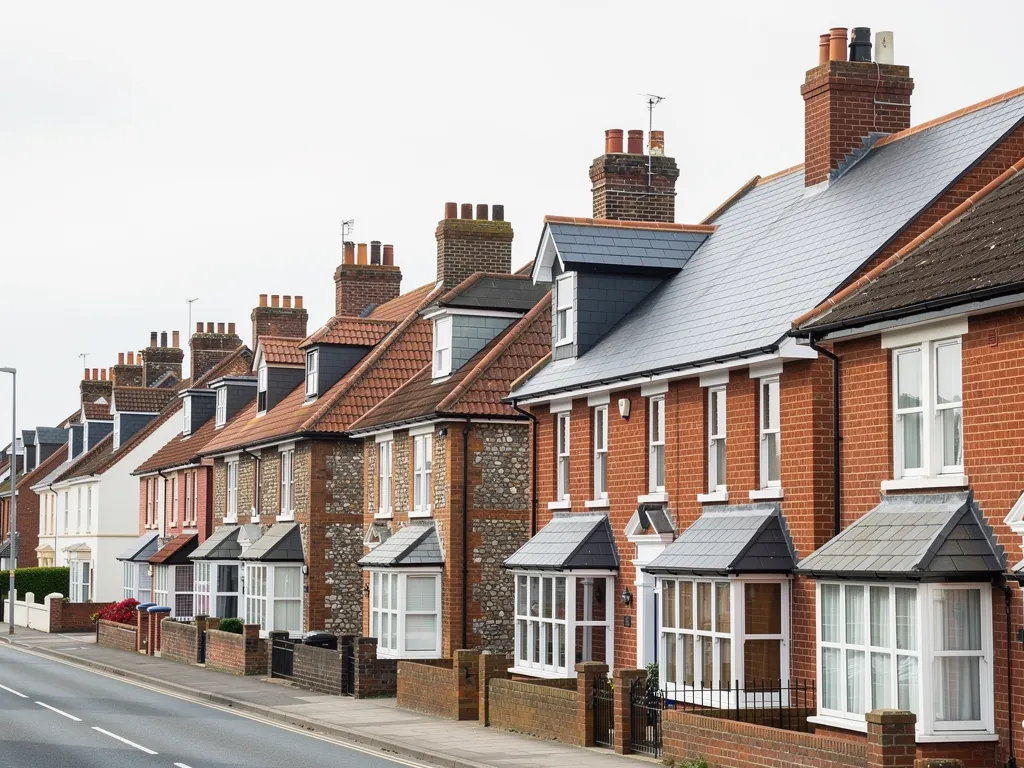
Lodsworth stands above the River Rother between Midhurst and Petworth, where the church and the Manor House show local sandstone, roughcast and tile, the materials a roof job beside them has to respect.


Lodsworth roofs
Sandstone, roughcast and brick above the river
-
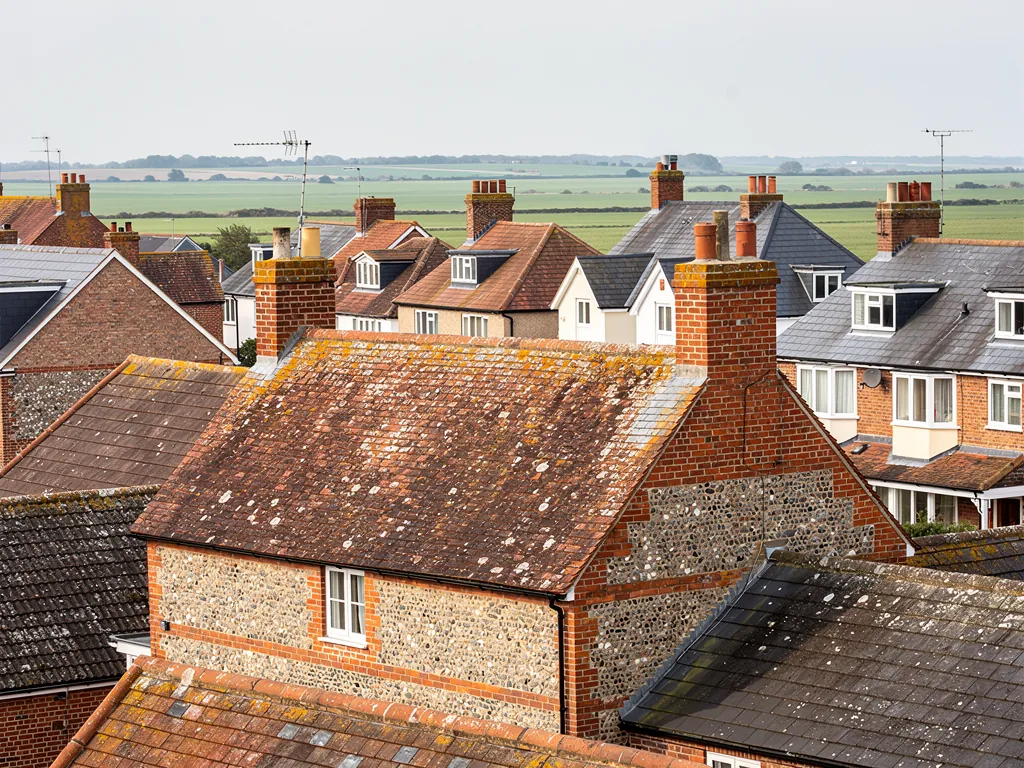
The Manor House and its tiles
The Manor House dates from two periods of the 13th century: sandstone under roughcast, with later brick and a modern tiled roof. Its Grade II* listing means whatever sits on those old walls deserves care.
-
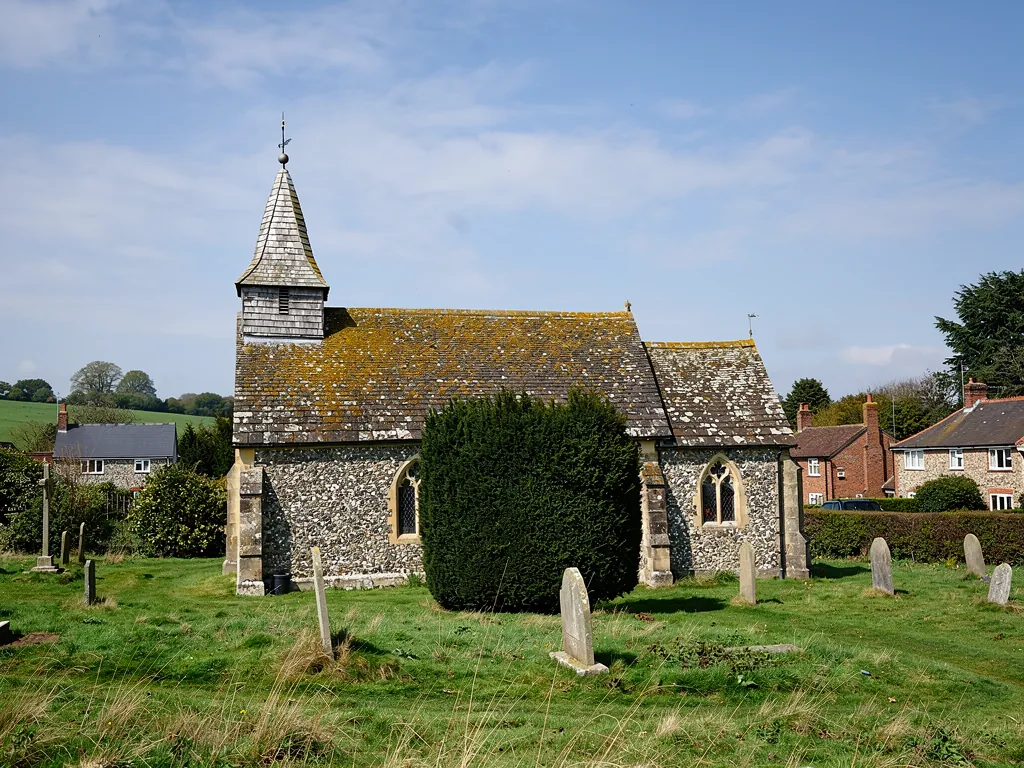
Tile on St Peter's church
St Peter's church is built of local sandstone ashlar and roofed with tile, and is also listed Grade II*. A tile roof on stone depends on sound lead wherever the covering finishes against masonry.
-
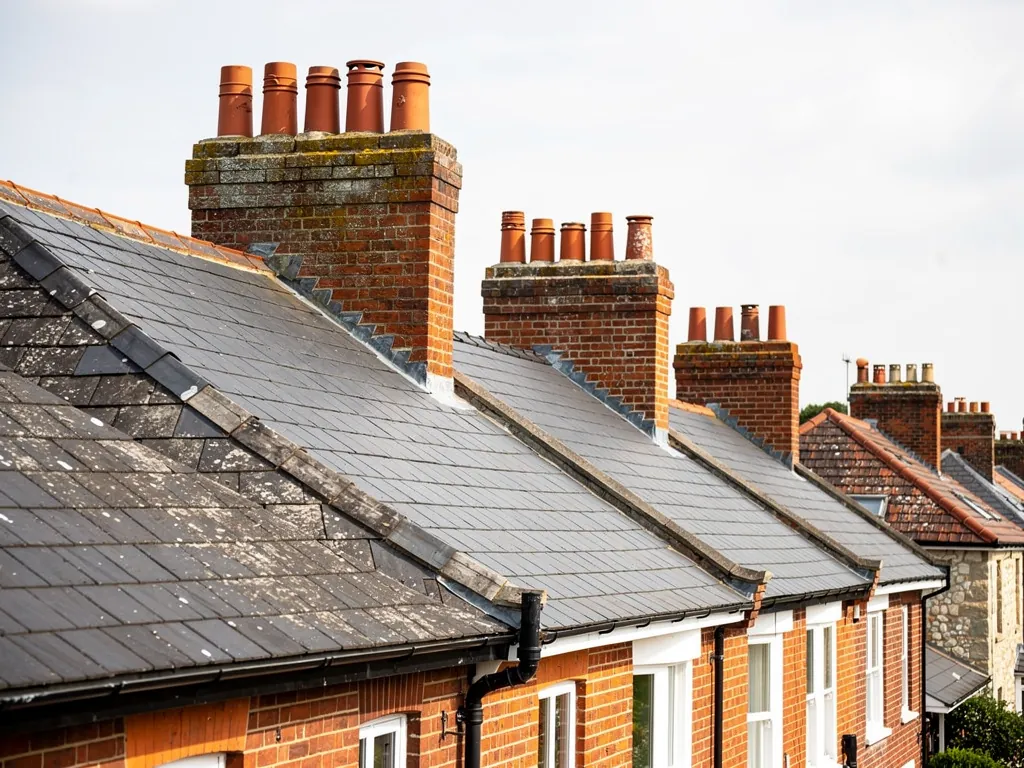
Brick from Lodsworth Common
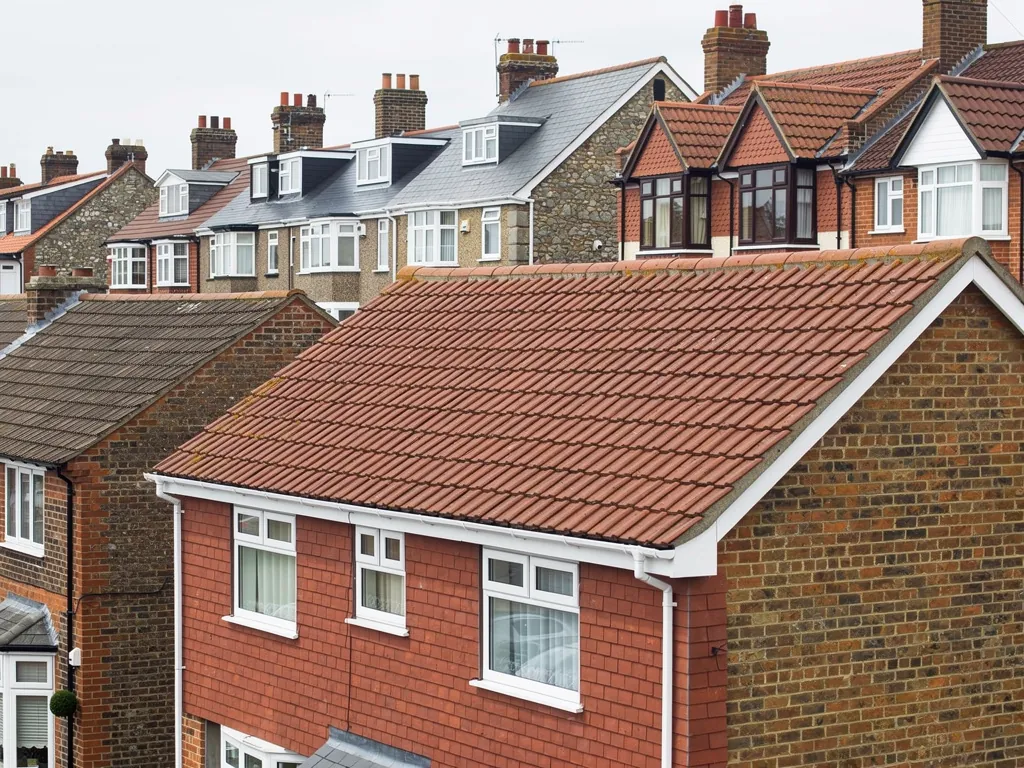
Extensive brickfields worked on Lodsworth Common in the later 19th century. Any brick house or outbuilding from that era has chimney and gable repairs of its own, quite unlike those of a stone wall.
Map of Lodsworth, 19.3 road miles north of Bognor Regis, with the nearest towns we also cover.
Lodsworth above the Rother
- Council
- Chichester District Council
- Planning
- South Downs National Park Authority
- County
- West Sussex County Council
- Conservation area
- Lodsworth Conservation Area, inside the South Downs National Park
- Article 4
- One direction, made 9 June 2021, for land adjoining Lodsworth House; it covers enclosures and has no roof restriction
- Listed landmarks
- Church of St Peter and The Manor House, both Grade II*
- Distance
- 19.3 road miles north of Bognor Regis, about 34 minutes by car
Lodsworth notes
Manor House walls, church tile and common brick
A Liberty once ruled by the bishops of London, and what its sandstone, roughcast and tile ask of a roofer today.
Chapter 1: Roughcast, sandstone and the old Manor House2684
Sheet 01 / 03For centuries the bishops of London held the manor here, and its privileges were so wide that the parish was known as the Liberty of Lodsworth. The Manor House stands south of the church. It dates from two periods of the thirteenth century and is built of sandstone under roughcast, which is a rough coat of render with small stones in the mix. Later brick was added, and the roof is now modern tile. The house carries a Grade II* listing, a high grade. That combination, thick old walls with a younger roof on top, is the kind of building a roofer meets here. Every earlier repair leaves a clue: a patch of different tile, a flashing of two thicknesses, a ridge that has been bedded twice. Reading those clues is half the survey.
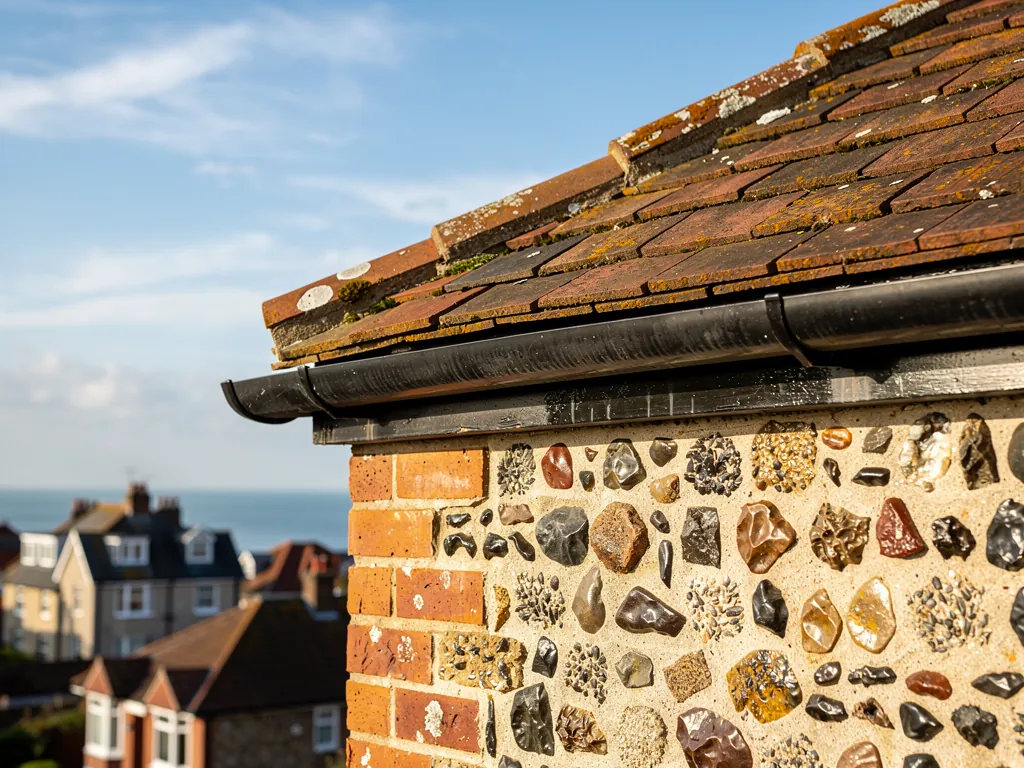
Asked of a listed roof before work
- What the list entry records
- Whether the repair copies the old
- Condition of render at the eaves
- Lead let into sound joints
1.1 A listed house and a roof from another century
A roof renewed in modern tile has already changed once. A second change, to a different tile or a different pitch, would affect how the house looks, and on a listed building works that alter its character need listed building consent. Routine upkeep and small repairs that copy the old work need none, according to the National Park Authority. The line is not always obvious, so the list entry gets opened and the roof photographed before we tell you which category your job belongs to. A listed owner receives that reasoning with the written quote.
1.2 Roughcast below the eaves
Where a roof edge meets roughcast, the render often cracks first. Rain then runs behind it, and the damp shows as a stain inside long before the roof itself seems to be at fault. We tap the render, look at the flashing let into it, and decide whether a small repair will do. A skim of sealant over a failed crack hides it for a season while the water carries on behind, so we do not use it as a cure. Lead against old sandstone is chased into a joint and sealed, which is slow, careful work, and our lead roofing and leadwork page shows how it is done. A neat edge there is the square finish that keeps a thick wall dry for years. The same goes for the chimney, where a stack on a sandstone gable meets the roof slope: the lead is cut into the stone, never just stuck to its surface. Old stone walls are rarely plumb, and a flashing that follows the wall faithfully is worth more than one cut to a template.
Chapter 2: St Peter's tile and a village above the Rother2806
Sheet 02 / 03The River Rother forms the parish's southern boundary, and the church stands about a mile north of Lods Bridge, with the village just north and west of it. St Peter's is built of local sandstone ashlar and roofed with tile, and the National Heritage List gives it Grade II*. St Peter's is a working Church of England parish church, so changes to it go through the faculty system rather than listed building consent, and planning permission remains a separate question for anything altering its exterior. Houses in the village sit above a river valley, between Midhurst and Petworth, and the position shapes the roofs more than any single material does.
Outcomes for an old tiled roof
- Re-seatSlipped tiles lifted and set back onto sound battens.
- Renew the edgesRidge, verge and lead redone while the main tiling stays put.
- Strip and relayNew tiles, battens and underlay laid after the old set reaches the end of its life.
2.1 Tile that has to last on stone
A clay tile roof is a lot of small parts. Each tile hangs from a batten, a thin strip of timber fixed across the rafters, and the battens carry the whole weight. On an old building those battens can be much older than the tiles. When we lift a few tiles to check, we are looking at the timber as much as the clay. A sound set of battens means slipped tiles can be set back and the roof carries on. Rotten battens turn a small repair into a strip-and-relay job, and we show you the photograph that tells us which. Underlay, the sheet laid beneath the battens, is the second line of defence, and on an old roof it may be missing, torn or brittle. We look at it from the loft where we can, because a roof with sound underlay can survive a few lost tiles far longer than one without. The smaller jobs are described on our roof repairs page.
2.2 Damp, shade and a river close by
Houses near a river and trees tend to hold damp for longer after rain. That can mean moss on the north slope, algae on the tile face and gutters that clog with leaves. Where a gutter sits low beside a bank or hedge, its outlet needs to be clear for the downpipe to do any work, and a quick rod through it after a leafy autumn costs very little. Moss and algae are signs to read, not proof that a roof has failed, and a roof with a lot of both can still be perfectly sound underneath. We look at whether the tile underneath is still sound before suggesting a clean, and we check the lower courses for soft or flaking edges. The law protects bats and the places they roost, and a re-cover can disturb both, so mention any you have noticed before the work is planned.
Chapter 3: Brickfields, Article 4 land and the Park2440
Sheet 03 / 03Lodsworth lies inside the South Downs National Park, so planning questions begin with the National Park Authority. Chichester District Council takes in the applications for the Authority in this corner of the Park, and it also remains the building control body. The village has a conservation area as well, so check the map for your address. Lodsworth's one Article 4 direction, made on 9 June 2021, applies to land adjoining Lodsworth House. It takes away rights over gates, fences, walls and other means of enclosure, and over the temporary use of land for up to 28 days a year, and it places no restriction on roofs.
A note on the Park
Inside the National Park, ask the planning team before changing how a roof looks, and mention it to us if the house is listed.
3.1 Brick from the common
The later nineteenth century saw extensive brickfields on Lodsworth Common. A brick house or outbuilding from that time has chimneys and gable ends that need their own sort of attention: repointing the stack, re-forming the flaunching, which is the mortar fillet round the chimney pots, and renewing the flashing where the stack leaves the roof. Our chimney repairs page covers each of those jobs. A stack left alone for too long can drop pieces onto the slope below, which is how a small repointing job becomes a tile replacement as well. If a stack leans or its pots have shifted, tell us at once: we make it safe first and discuss the rebuild afterwards.
3.2 What triggers Building Regulations
Whether a roof job needs building control depends on its size and on what goes on top. Under Approved Document L, fitting a fresh waterproof layer to a flat roof is treated as renovating it, and insulation has to be improved once more than 50 per cent of a roof element's surface is renovated. A heavier covering is checked too. We tell you which rule your job meets, and where a notice has to be given, we give it. Barns, sheds and garages with flat roofs are worth a look at the same visit, and the work can be priced together, because their membranes often wear out before the house roof does. A scaffold that takes up road or verge needs a licence from West Sussex County Council, arranged by the scaffolders, and the council wants at least 10 working days' notice. That delay is allowed for when we agree a start date with you.
Roofing work for sandstone, roughcast and tile
Frequently asked questions
Questions from the Liberty's old manor to the Rother
Does a tiled roof on a Grade II* listed house in Lodsworth need consent to repair?
Routine upkeep and small repairs that match the existing work do not need listed building consent, but works that change the character of the building do. Re-covering in a different tile would be a change. The list entry is checked and the roof photographed before we say whether your job needs consent, and then a single total price is put in writing. If consent is needed, we explain the route first.
Why do roughcast walls leak where they meet a roof?
The render cracks with age, usually first at the point where the roof edge or a flashing finishes against it. Water then runs behind the coat and shows as damp inside. We check the render at the eaves and at any abutment, repair what is sound and note what is not. Lead set into a sound joint seals the edge better than a bead of sealant ever will.
Does the Article 4 direction at Lodsworth House stop me re-roofing nearby?
No. That direction, made on 9 June 2021, covers land adjoining Lodsworth House and concerns enclosures and the temporary use of land. It does not restrict roof work. Being in the conservation area and the National Park still matters, so ask Chichester District Council, which handles planning for the Park here, before changing a roof's look, and tell us if your house is listed.
Who handles a roofing planning question for a house at Lodsworth inside the Park?
Planning rests with the South Downs National Park Authority. For this part of the Park the district council takes in applications for it, and building control sits with the district too. If you are unsure which route fits your job, ask the district council's planning team, and we report what the survey shows so you can put the right question to the planners. Keep any letters from the council, because they show what has already been agreed for the house.
Nearby areas
Get a quote
Tell us about your roof
Describe what's happening and we'll call you back.
Loading the enquiry form. You can also call 01243 252373.