
Roofers in Tillington
Scots Crown spire, listed manor houses
Tillington's roofs include All Hallows church with its open stone spire, the Grade II* Old Manor House and Tillington House, and homes inside the Tillington and Upperton conservation areas of the National Park.

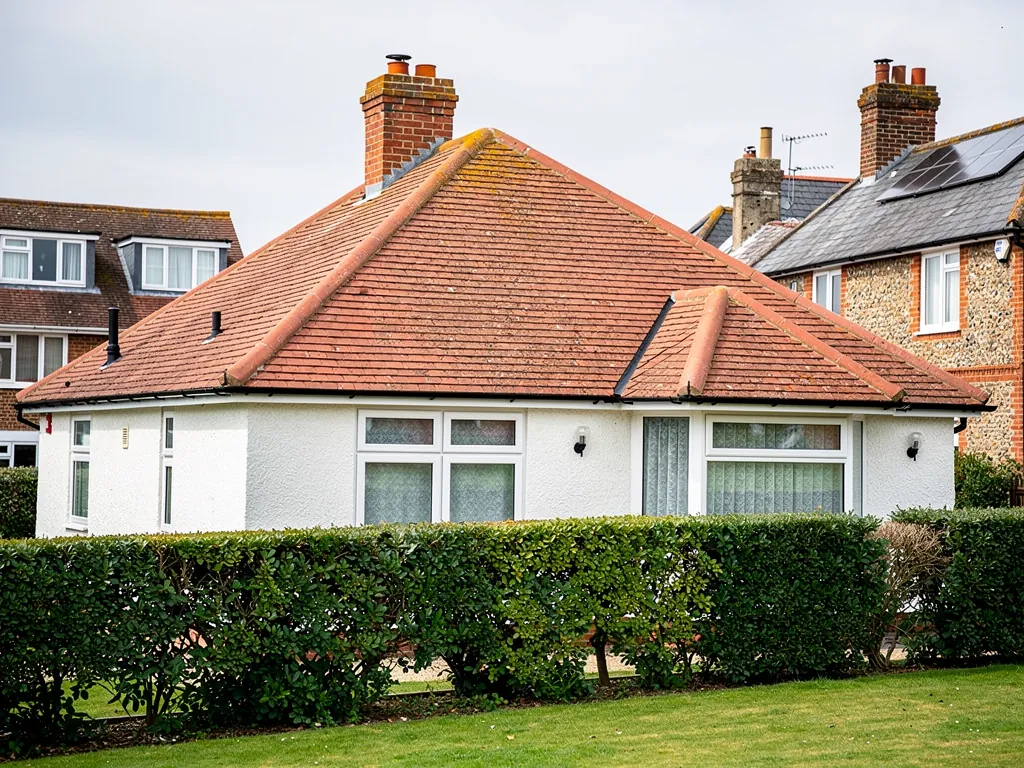
Tillington roofs
A Scots Crown spire and two listed houses
-
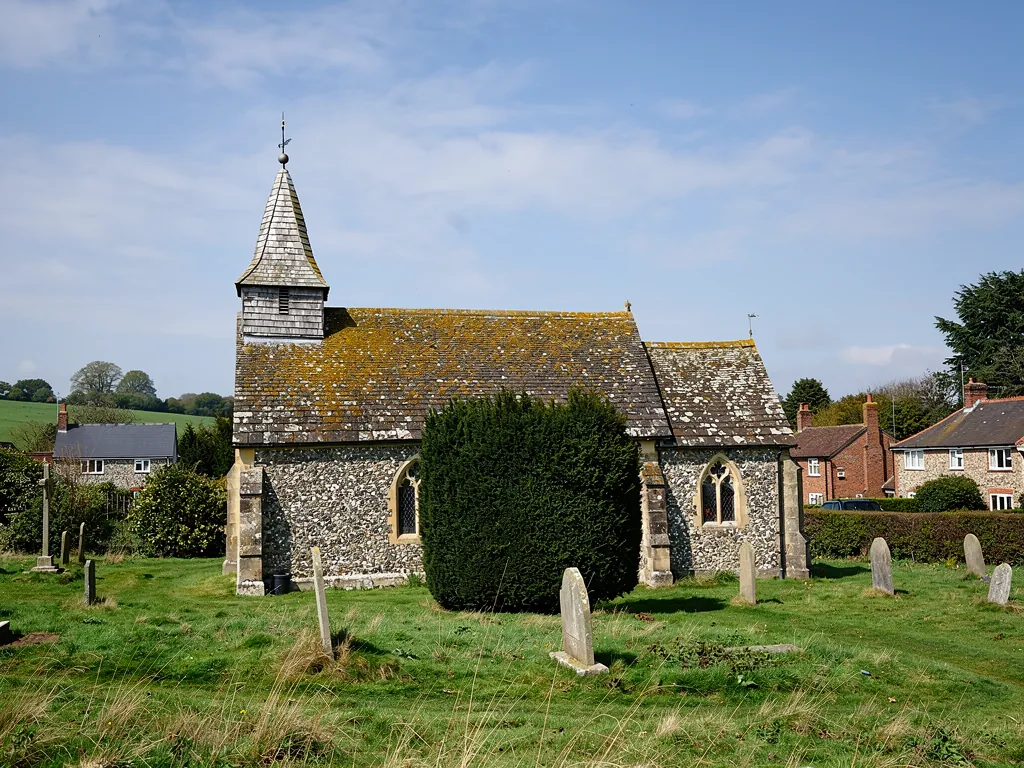
All Hallows and its spire
All Hallows is listed Grade I. Its tower and open stone spire, known as a Scots Crown, date from 1807 and were paid for by Lord Egremont of Petworth House. The nave roof is mostly 19th-century, with some 14th-century timbers.
-
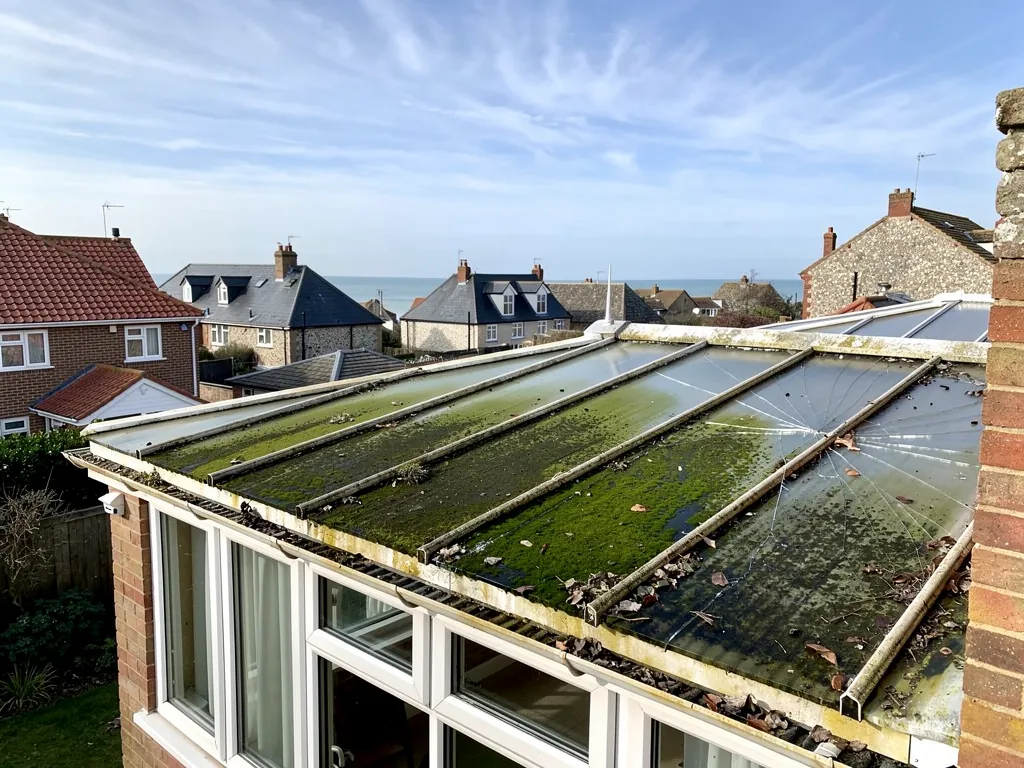
The Old Manor House and Tillington House
The Old Manor House is listed Grade II*, and so is Tillington House. Roofs like these call for the list entry to be read before a price is given, and for any repair to match what is already there.
-
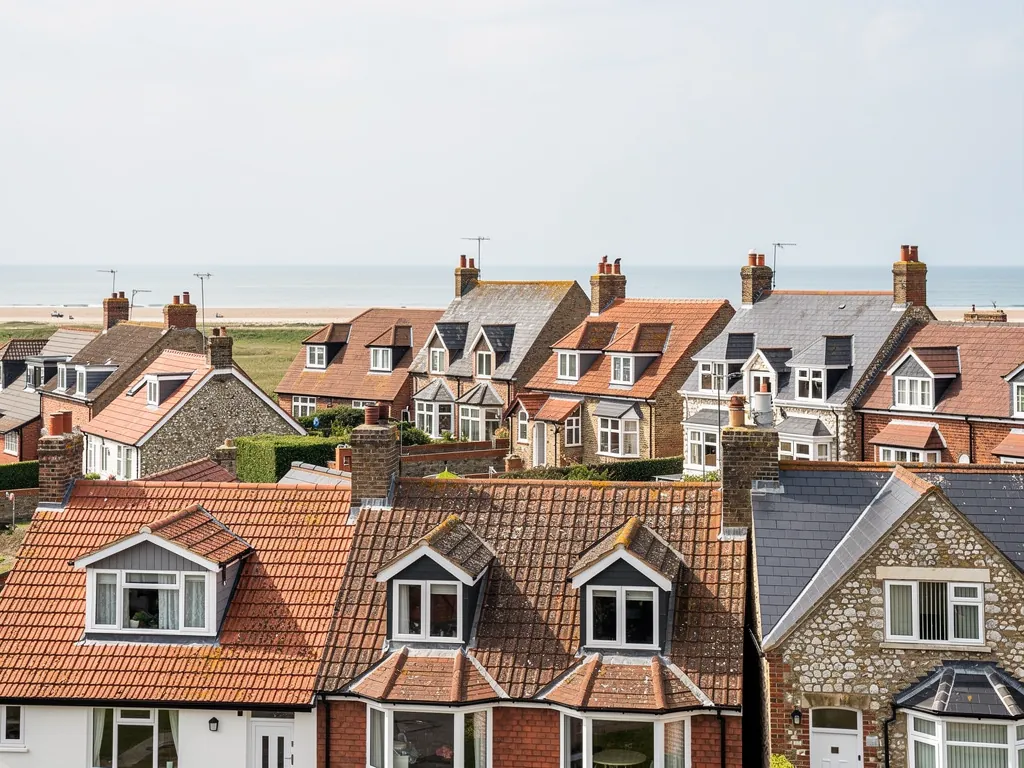
Two conservation areas
The National Park Authority lists two conservation areas in the parish, Tillington and Upperton, so some roofs here sit inside one of them, and the rules depend on whether a house is also listed.
Map of Tillington, 17.6 road miles north of Bognor Regis, with the nearest towns we also cover.
Tillington and Upperton inside the Park
- Council
- Chichester District Council
- Planning
- South Downs National Park Authority
- County
- West Sussex County Council
- Two designations
- Tillington and Upperton conservation areas, as listed by the National Park Authority
- Article 4 position
- None listed for Tillington on the Authority's Article 4 page
- Listed buildings
- All Hallows, Grade I; Old Manor House and Tillington House, Grade II*
- Distance
- 17.6 road miles north of Bognor Regis, about 31 minutes by car
Church and manor
Spire, manor houses and two designations
From the church tower to the manor houses and the two conservation areas, each part of Tillington has its own consent route and its own way of failing.
Chapter 1: All Hallows and the Scots Crown1891
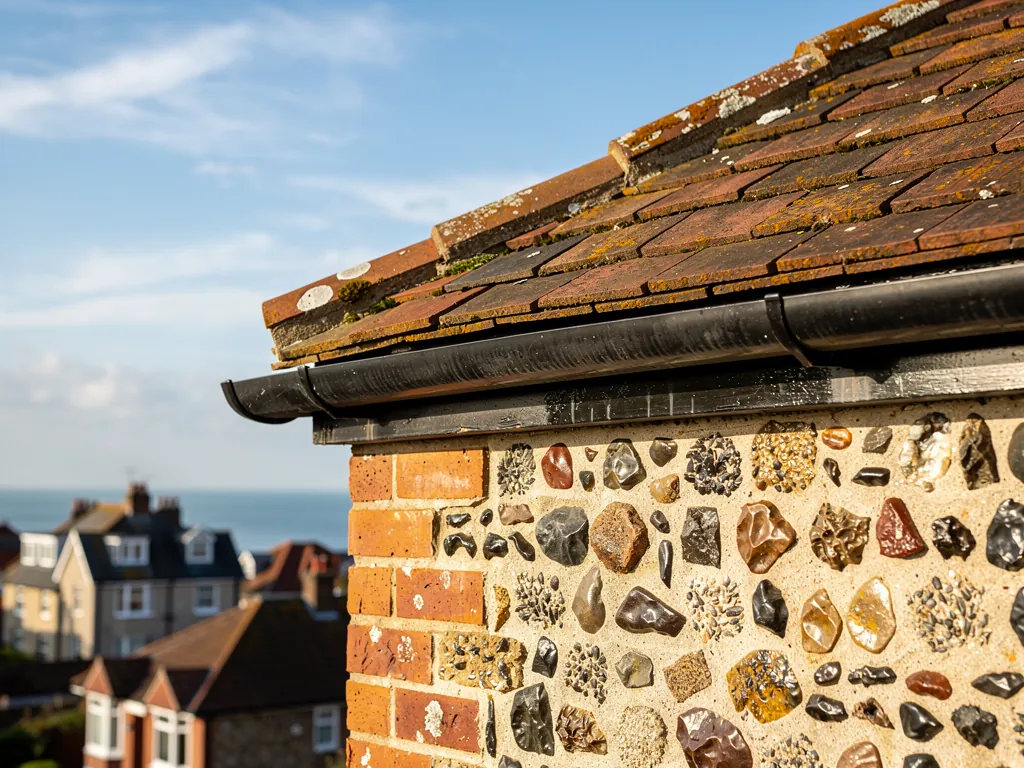
Sheet 01 / 03The parish church of All Hallows is listed Grade I, the highest grade there is. Its oldest identifiable parts are the late 12th-century south arcade and chancel arch. The tower and open stone spire, the Scots Crown, date from 1807 and were paid for by Lord Egremont of Petworth House. Tradition names J.M.W. Turner, a frequent visitor to Petworth, as the designer; that has been doubted, though it cannot be wholly discounted. The nave roof is mostly 19th-century, with some timbers from the 14th. A church altered across so many centuries is better read as a layered record than as a single roof, and a roofer has to read it before lifting a slate.
Before work on a church roof
- Confirm the faculty route
- Photograph every exposed timber
- Keep sound old timber
- Agree the lead code
1.1 Old timbers under a newer roof
Where medieval and Victorian carpentry share one roof, many hands have repaired it over the years. Once the covering is off, the rafters and plates underneath tell the story: some are sound oak, some are later patches, and some were cut for a purpose that no longer exists. We photograph each timber as it is exposed. The aim is to keep every old piece that can still do its job, because replacing sound wood for convenience removes something from the building that cannot be put back, and the survey photographs become part of the record the church keeps.
1.2 Lead, gutters and the church roof
On a church the lead does much of the waterproofing, and the rainwater goods carry water clear of walls that were never meant to stay wet. Lead is graded by code. Royston Lead's brochure puts code 5, at 2.24 mm, and code 6, at 2.65 mm, among the sheets listed for flashings, valleys and parapets. MyJobQuote says lead flashing can last over 80 years, and Less says a lead flat roof can last from 50 to 100 years, so a well-laid lead roof can outlive several coverings. Our lead roofing and leadwork page sets out where each weight belongs.
1.3 The faculty route
All Hallows is Anglican, so the ecclesiastical exemption applies and roof works are authorised through the faculty jurisdiction in place of listed building consent. Planning permission remains a separate question wherever the exterior would change. We work alongside the church's own officers, who decide who has to agree before anything starts, and our part is the coverings, the lead and the rainwater goods. The quote we give for that part is one total price, written after the survey.
Chapter 2: The Old Manor House, Tillington House and listed roofs3294
Sheet 02 / 03Two houses carry the village's other listings. The Old Manor House is Grade II*, and so is Tillington House, which puts both in a small, high band of buildings of more than special interest. We do not assume what is on either roof. A house of that standing can carry a covering, a pitch or a stack that has been worked on over generations, so the list entry, the survey and the planning view all come before a price. That discipline protects the house, and it spares you paying for work that has to be redone later, which on a listed roof is a real cost as well as a delay.
Maintenance and change on a listed roof
Maintenance
Refixing a loose slate or renewing a worn flashing with matching materials, in place.
Change
A different covering, a moved stack or a new opening, which needs consent first.
2.1 Reading the list entry first
Section 7 of the Planning (Listed Buildings and Conservation Areas) Act 1990 forbids works that would affect a listed building's character unless they are authorised. The Park Authority adds a practical reading: routine upkeep, and a modest in-situ fix that copies the original, sit outside the consent rules. A sound slate put back, or a worn flashing renewed to the same pattern, is the sort of thing it means. Between those two statements sits most of what a roofer does, and the dividing line is whether the work changes how the building looks or is made. A different slate, a repositioned stack or a new opening lands on the wrong side of it, and we flag that at the survey instead of after the scaffold is up.
2.2 Old coverings and modern standards
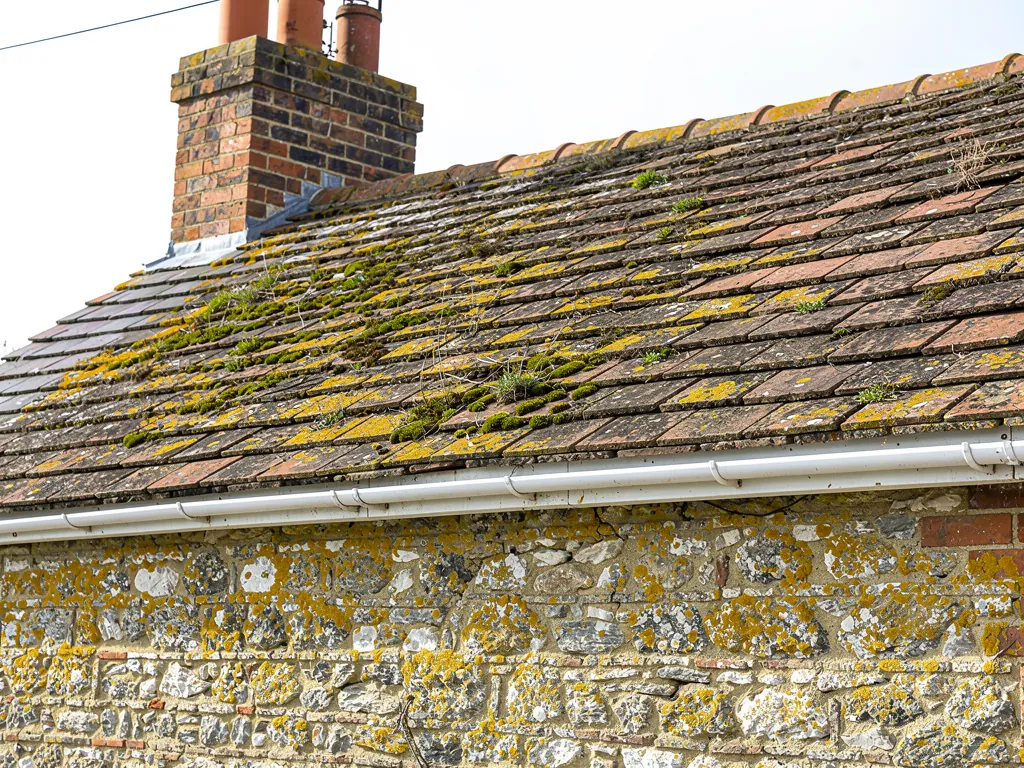
BSI cautions that BS 5534 may not suit every re-slating or re-tiling job on an old roof, especially one laid in traditional or reclaimed materials. That caution is the reason a modern fixing schedule is never applied blindly to an old house. We use mechanical fixings where the covering and the building suit them, and we leave sound old arrangements as they are. Marley gives clay tile a minimum expected life of 60 years, though a conservation-minded source warns that this tells you little about old peg-tile roofs. Only the roof in front of us counts, and the photographs show what it has done so far.
2.3 Insulating a listed roof
Insulation needs care in an old roof. The RICS consumer guide is blunt about listed property: foam of that kind needs prior consent before it goes into a listed or otherwise protected building, and removing it later could damage the structure. If foam is already there, our spray foam insulation removal page explains what an assessment looks at, including the point that some lenders refuse to lend on homes with it and others decide case by case.
Chapter 3: Tillington and Upperton conservation areas2562
Sheet 03 / 03The National Park Authority lists two conservation areas in the parish, Tillington and Upperton. Tillington lies in a delegated part of the Park: Chichester's district council processes the applications on the Authority's behalf, while building control stays with the district. Upperton has its own boundary map, published by the Park Authority beside Tillington's, so a house between the two is worth checking against both. A roof question in the village can therefore involve two bodies, and the first job is working out which one your job needs. We explain that at the survey, before any scaffold is booked, and we handle the Building Regulations notification when work is notifiable.
Three outcomes for a village roof
- PatchA local fault dealt with while the sound covering around it stays as it is.
- RepairA defined fault, such as worn lead or slipped coverings, put right to match.
- ReplaceA covering at the end of its working life renewed, once consent is settled.
3.1 What the Article 4 page shows
The Authority's Article 4 page lists no direction for Tillington. That means no direction there has taken away permitted development rights for roofs, although conservation areas and listed buildings carry controls of their own. If you are thinking of adding a roof window to an old slope, read our guide to skylight planning permission first, because a listed building or a conservation area can change the answer.
3.2 Scaffold, wildlife and the written quote
Scaffold on or over a highway needs a licence under section 169 of the Highways Act 1980. In West Sussex the county council wants a minimum of 10 working days' notice and sets the fee at £266 for a month. Bats can roost in a roof void and birds nest under eaves, both protected, so we look before opening either. After the survey you receive a verdict with photographs and, separately from it, one total price on paper. Four things move that price: access, the covering chosen, how big the roof is and whatever the survey turns up when the old covering is lifted.
3.3 If a gale gets under the slates
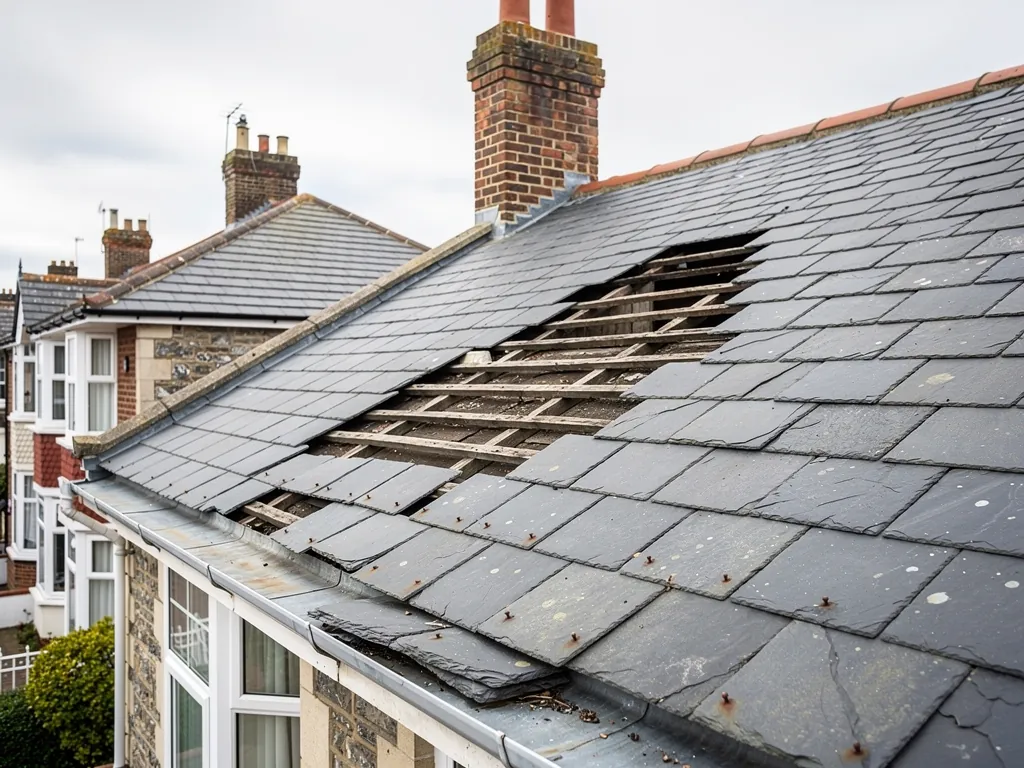
A leak after a storm is dealt with in a set order. Leaks and storm damage come first in our diary, and the first visit to a leaking roof is about making it safe. Which? advises telling your insurer early, taking pictures of the damage and holding on to receipts for any temporary repair, because that paper trail supports whatever you decide to claim. The lasting repair follows once the roof can be examined properly in daylight, with the damaged area photographed from close up and the wider slope checked for further loose pieces, and on a listed or conservation area house we confirm the consent position before anything permanent is done.
Roof work for Tillington's church and manor houses
Frequently asked questions
Questions from All Hallows to Upperton
Can a church roof with 14th-century timbers be repaired without disturbing them?
Often, if the fault lies in the covering or the lead and not in the structure. The timbers stay put while the covering above them is repaired or relaid. Where a timber has decayed, it is photographed as it is exposed and every sound piece beside it stays. For a church, the route to consent is settled first, because the faculty process decides who has to agree before work begins.
Does repairing the roof of the Old Manor House or Tillington House need consent?
That turns on the repair. Routine maintenance and minor in-situ repairs that match the existing are outside listed building consent, the Park Authority says, but a new covering, a moved stack or an extra opening is inside it. In this part of the Park it is the district's planning officers who receive the applications, so they can say what your particular job requires. We open the list entry before any quote is written and describe what we find in the survey notes.
Who handles planning for a Tillington roof, the Park or the district?
Tillington is inside the South Downs National Park, in a part where the district council receives applications for the Authority. The Authority stays the planning authority, and building control remains with the district. A notifiable job can involve both bodies, each on a different question, and the survey tells you which applies to yours.
Do the Tillington and Upperton designations change how I may treat my roof?
They add controls without forbidding repair. The Authority's Article 4 page lists no direction for Tillington, so none has removed roof rights, yet conservation areas and listed buildings have rules of their own. A matching repair is rarely the difficulty. Changes to a covering, a chimney or the outline of the roof are where the planning team should be asked first.
Nearby areas
Get a quote
Tell us about your roof
Describe what's happening and we'll call you back.
Loading the enquiry form. You can also call 01243 252373.