
Roofers in Hayling Island
Island homes between two harbours
Hayling Island lies between Langstone and Chichester Harbours, with sea walls on its east coast and farmsteads and hamlets in the north, so its roofs meet sea weather and old country buildings together.


Hayling Island roofs
From South Hayling's church to North Hayling's farms
-
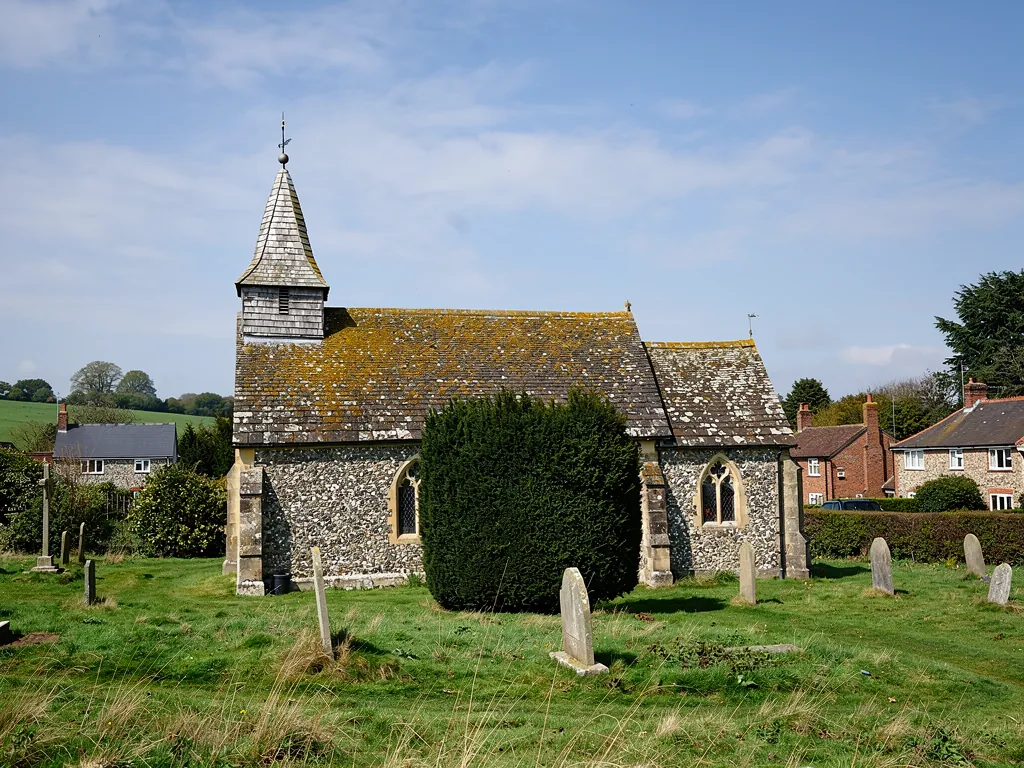
South Hayling and St Mary's
St Mary's church in South Hayling has a central tower and a wooden porch over the south door. This page covers the island's main built-up area around it, with Eastoke, Mengham, West Town, Stoke, Northney and North Hayling.
-
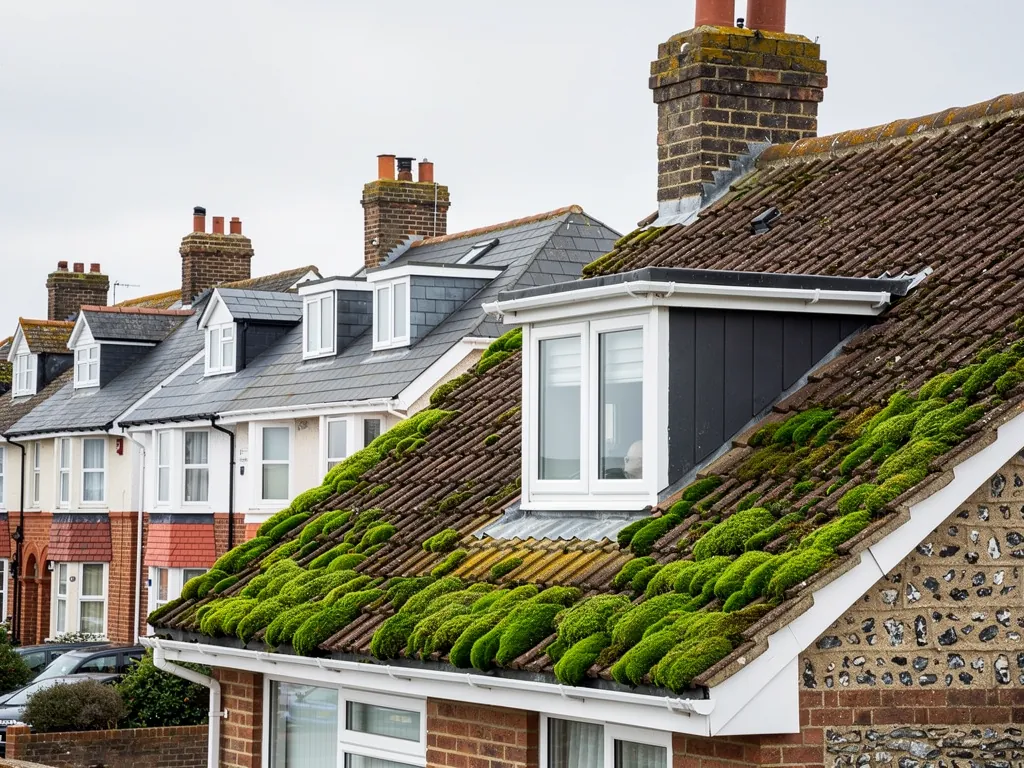
Farmsteads and hamlets in the north
Havant's St Peter's appraisal says the central and northern parts of Hayling have remained largely unchanged since the 19th century: flat fields, tall hedgerows, farmsteads and small hamlets. Older cottages and farm buildings need a careful eye.
-
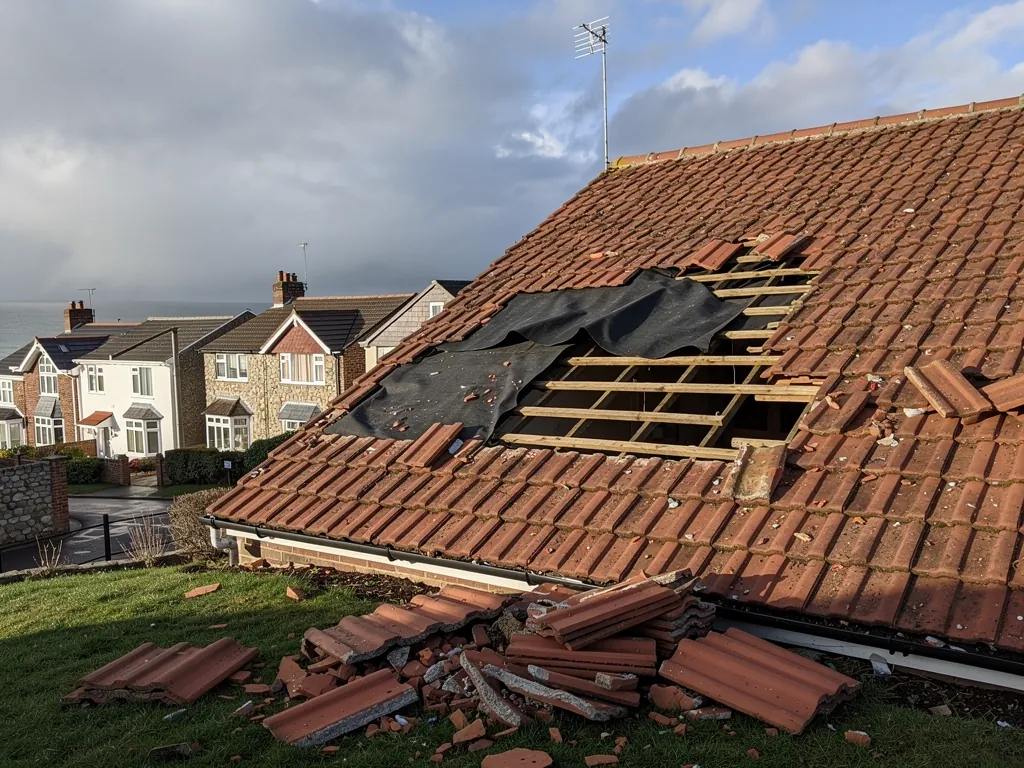
Sea walls on the east coast
The Victoria County History of 1908 notes that a considerable part of the east coast is defended by sea walls. Homes behind a sea defence take the island's weather head on, from gales to rain driven sideways, so exposed edges and trims get checked first.
Map of Hayling Island, 21 road miles west of Bognor Regis, with the nearest towns we also cover.
St Peter's, the Coastguards and the island's directions
- Council
- Havant Borough Council
- County
- Hampshire County Council
- Conservation area
- St Peter's Conservation Area, North Hayling, and a Coastguards conservation area
- Article 4
- Island directions of 1959, 1963 and 1971 cover camping, caravans and hovercraft, not roofs
- Listed landmark
- Church of St Mary, South Hayling, Grade II*, first listed 16 May 1952
- Distance
- 21 road miles west of Bognor Regis, about 33 minutes by car
Island notes
Sea, harbour and farmland on one island
What a harbour island's history and coastline mean for the roof over your head.
Chapter 1: Two harbours and a coast of sea walls2257
Sheet 01 / 03Hayling is an island between Langstone and Chichester Harbours, and the Victoria County History is blunt about its past. Before 1823, when an Act was passed for a bridge across Langstone Harbour, the island was inaccessible in heavy weather. The sea took a great deal in the 14th century: Hayling Priory's buildings and the hamlet of East Stoke were submerged by 1324 to 1325, and in 1340 a great part of the island was drowned. That is history, not a hazard rating, and the same county history of 1908 notes that a considerable part of the east coast is defended by sea walls. A roof here is judged against sea weather.
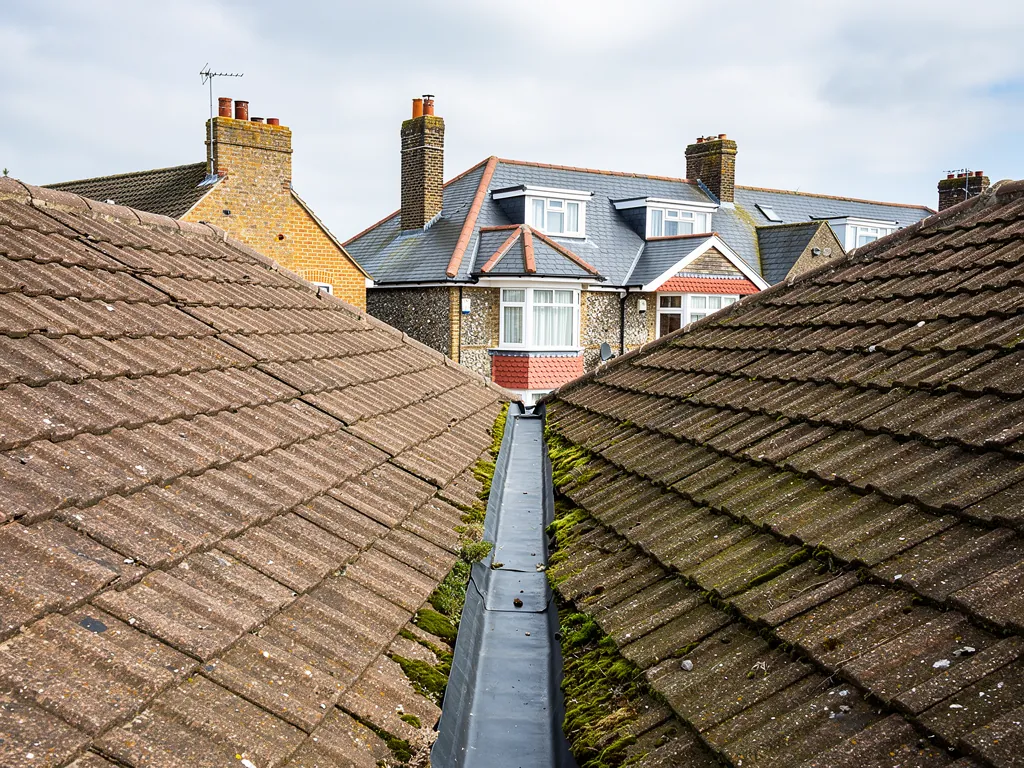
Ridge methods on an island roof
Bedded ridge
Tiles on mortar, which BS 5534 now wants backed by a clip or screw.
Dry-fixed ridge
Tiles held mechanically on a ridge system tested to BS 8612.
1.1 What sea weather does to a roof edge
Out here the weather arrives as gales, rain driven flat and salt in the air, and it finds the weakest part of a roof first. That is nearly always an edge: the verge (the finished edge that climbs a gable end), the eaves, the ridge or the trim round a flat roof. Rain driven sideways gets under a lifted tile and runs down the batten, so a stain can appear on a ceiling a metre from the place the water entered. We trace every leak from the stain back to its entry point before anything is replaced, and we photograph the path so you can follow it too. That journey is the reason a ceiling stain is a poor guide to where the repair belongs.
1.2 Fixings on a windward slope
The fixing matters more than the tile. Marley warns that a pitch under 30 degrees leaves the windward side open to severe suction. BS 5534, as revised in 2014, no longer treats mortar as enough to hold ridge and hip tiles, so they are screwed or clipped as well, and dry-fix ridge and verge systems are tested to BS 8612:2018. Whichever method sits on your roof, we check each tile and clip by hand, because a fixing specification belongs to the site and not to a map. Our ridge tile repairs page shows what a refix involves.
1.3 Flat roofs on extensions and garages
Where a home has a flat-roofed extension, porch or garage, the fall decides how it drains. BS 6229:2025 sets a minimum finished fall of 1:80, and roofers design steeper so that water still leaves. Ponding is a common cause of repeat leaks on flat roofs, so we look for standing water and soft decking before we quote. Our flat roofing page sets out the coverings.
Chapter 2: St Mary's and the south of the island2257
Sheet 02 / 03St Mary's church stands in South Hayling with a central tower and a wooden porch over the south door. The Victoria County History gives the dedication as Our Lady, and the National Heritage List has the church at Grade II*, first listed on 16 May 1952. It stands in the island's main built-up area, which also takes in Eastoke, Mengham and West Town. Havant Borough Council is the planning authority for all of it, and Hampshire County Council is the highway authority.
How a repair near the church is run
- 1Look upWe read the list entry and Havant's conservation area map for your address.
- 2PhotographWe survey every slope and detail and send you the pictures.
- 3VerdictYou get a repair, patch or replace answer, with reasons.
- 4QuoteOne total price, written down, arrives after the survey.
2.1 A Grade II* church and its consent route
St Mary's is a working Anglican church, so the ecclesiastical exemption applies and its repairs follow the Church of England's faculty process in place of listed building consent. The exemption does not reach planning permission for development that changes the exterior. A listed house on the south side has no such exemption and needs listed building consent for alterations that touch its character. Read the list entry first, then put the repair method to Havant's planners before the work is booked, since a refused consent is far slower to fix than a question asked early. Eastoke, Mengham and West Town fall under the same council and the same rules.
2.2 Porches, small roofs and lead
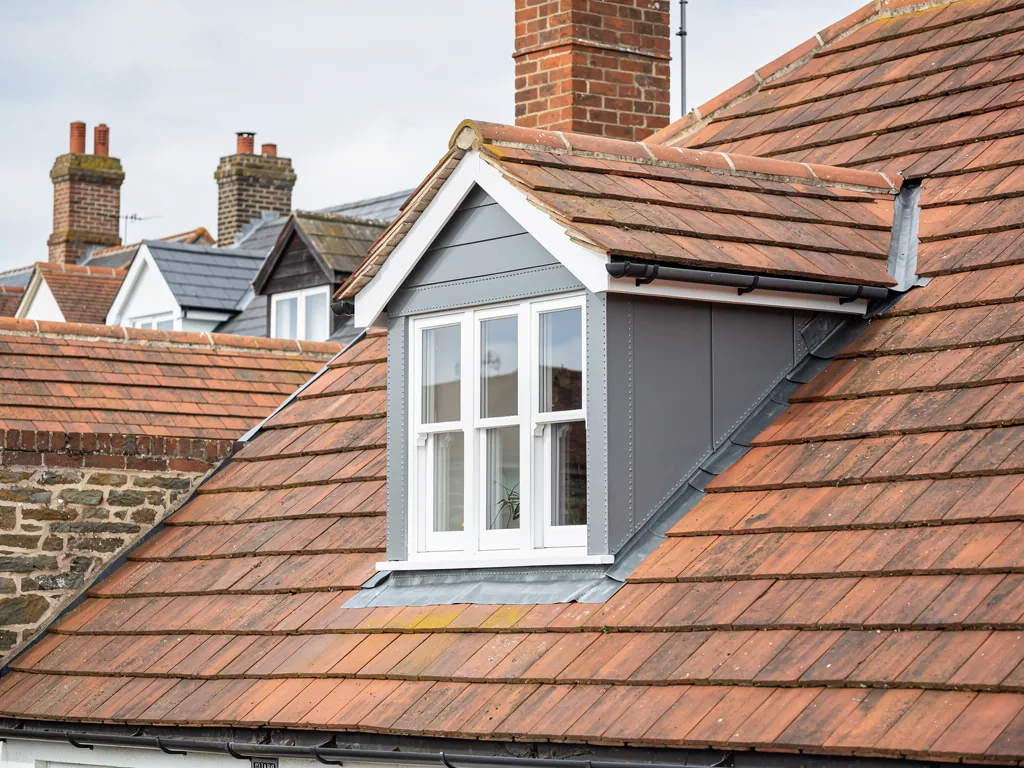
A wooden porch is a small roof with a big job: it shelters a door, and its covering, whether tile, slate or lead, has to be sealed to the wall behind. The weak point is the lead flashing dressed into the brickwork and over the covering. Once a flashing lifts or cracks, rain tracks down the wall face, where it can stay hidden for months. We pull back the covering around the flashing, find the true extent of the damage and relay it neatly. Small roofs like this also collect moss and leaf litter where the house wall shades them, so the gutter and the valley at the foot get a look at the same time. Our roof repairs page covers patching, refixing and relining.
2.3 Scaffold on the island's roads
Scaffolders who need pavement or road space for a Hayling job must hold a licence under section 169 of the Highways Act 1980 and ask Hampshire County Council for it. Expect a lead time of 10 clear working days and a charge of £211.90 for the first two weeks. Where a road is narrow the scaffold may have to be shorter or shifted to the garden side, and we settle that access plan on the survey visit.
Chapter 3: North Hayling farms and outbuildings2196
Sheet 03 / 03Away from the south, Havant's St Peter's appraisal describes a quieter island: flat fields, tall hedgerows, farmsteads and small hamlets, largely unchanged since the 19th century. It also records that a fire in North Hayling on 23 March 1757 burnt out the villagers within a few hours, citing the Victoria County History. St Peter's Conservation Area covers part of North Hayling, and there is a Coastguards conservation area too. Both are Havant designations, and the council's appraisal pages explain what makes each special; they are the first thing to read before altering anything visible from the road. In flat, open country a roof has little between it and the weather, so a farmhouse or cottage here is checked for loose edges and worn flashings as carefully as one by the shore.
Three calls on an outbuilding roof
- Test firstSample the sheeting before anyone touches it or walks on it.
- PatchSeal a small, sound area while the roof is planned.
- ReplaceRemove it carefully and lay a new covering to a proper fall.
3.1 Which rules apply, and which do not
Havant's Article 4 page lists three directions on Hayling Island, dated 27 November 1959, 19 November 1963 and 19 November 1971. The first two restrict camping and caravan use and the third restricts hovercraft use, so none removes roof rights. Replacing an unlisted house's roof on the same lines does not normally need planning permission. A dormer or roof window is another matter, and our skylight planning permission guide explains the planning side.
3.2 Old sheet roofs on farm buildings and garages
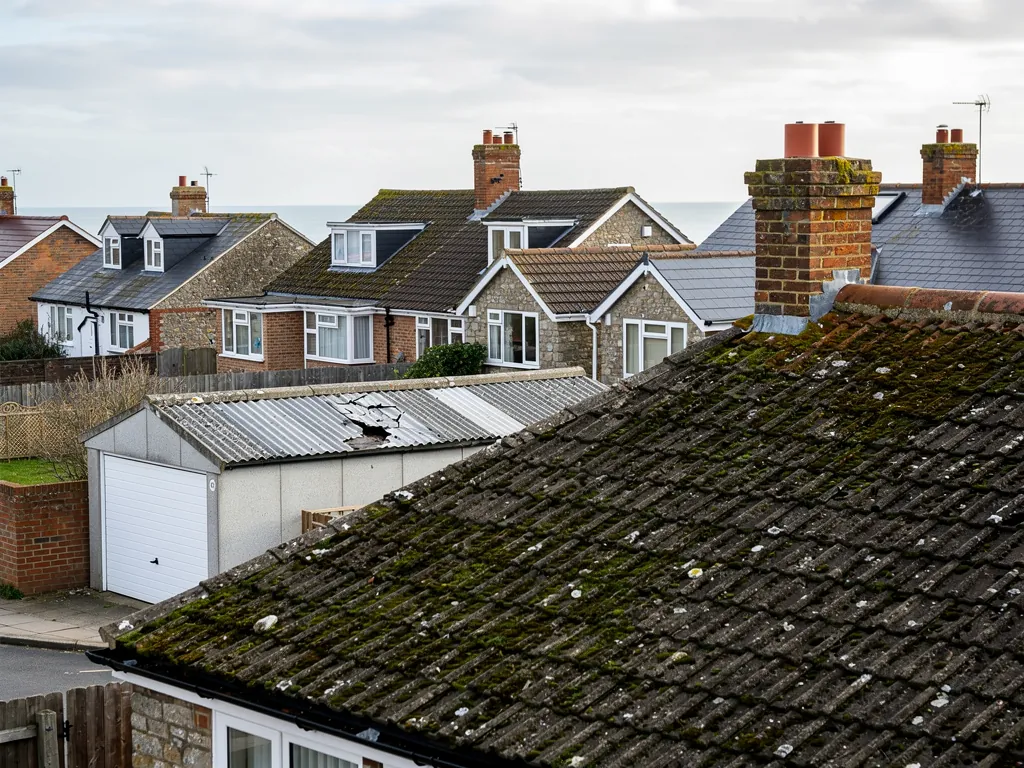
HSE advice is that any building put up or refurbished before 2000 should be presumed to contain asbestos until it has been checked. Cement roof sheeting is a common find on outbuildings, and it is the first thing we look for when a shed or barn roof leaks. Lifting intact, weathered cement sheets carefully falls outside the licensing regime, but once they are substantially broken up the job has to be notified to the regulator before it starts. Cement and rooflight sheets are brittle underfoot, so crawl boards are essential. Waste from a household job travels under a consignment note. Barn roofs can shelter bats and nesting birds, and both are protected, so timing is planned around them. A garage or barn roof leaks for dull reasons: an unsealed lap, a cracked sheet, a gutter that has dropped. We look for those first, because sealing one lap costs far less than a new roof, and we recommend replacement only when the sheets are brittle across the slope.
How we help Hayling Island homeowners
Frequently asked questions
Hayling roofs, from the sea wall to North Hayling
Do roofs on the sea-wall side of Hayling Island need fixing differently from inland Hampshire?
The fixings are specified for each site, not by a map. On a house near the sea we check every ridge, hip and verge tile for a mechanical fix, look hard at edge trims and flashings, and consider how the slope meets the wind. Gales and driving rain find any loose edge, so that is where we start, and we show you the photographs before recommending the smallest job that holds.
Do the island's Article 4 directions stop me re-roofing a house on Hayling?
No. Havant's page lists three on Hayling Island, from 1959, 1963 and 1971, covering camping and caravan use and hovercraft use, and none removes roof rights. A listed building or a conservation area can still limit what you may do, so ask Havant Borough Council's planning team about your address, above all if a dormer or a roof window is on your mind.
Does a Grade II* church like St Mary's follow the same consent rules as a house?
Not usually. An Anglican church in use sits outside listed building consent and follows the faculty jurisdiction, yet it still needs planning permission for development affecting the exterior. A listed house gets no such exemption and needs listed building consent before anything alters its character. Read the list entry and ask Havant before agreeing a repair method.
Is it safe to take an old cement sheet roof off a North Hayling outbuilding?
Only with care. Treat any building from before 2000 as possibly containing asbestos until it is checked. Sheets that are weathered but unbroken can be lifted off carefully, while heavy breakage means the regulator must be told first. Never walk on the sheets. We inspect the roof first and say whether a patch will do or whether replacement is the safer course, and the written quote explains how the old sheets leave the site.
Nearby areas
Get a quote
Tell us about your roof
Describe what's happening and we'll call you back.
Loading the enquiry form. You can also call 01243 252373.