
Roofers in Witley
Sandstone church, Horsham slabs, heathland edge
Witley's roofs range from the Horsham slabs still lying among tiles on All Saints church to homes in the conservation area and beside Witley Common's heather, all on Lower Greensand ground.


Witley roofs
From All Saints to the edge of Witley Common
-
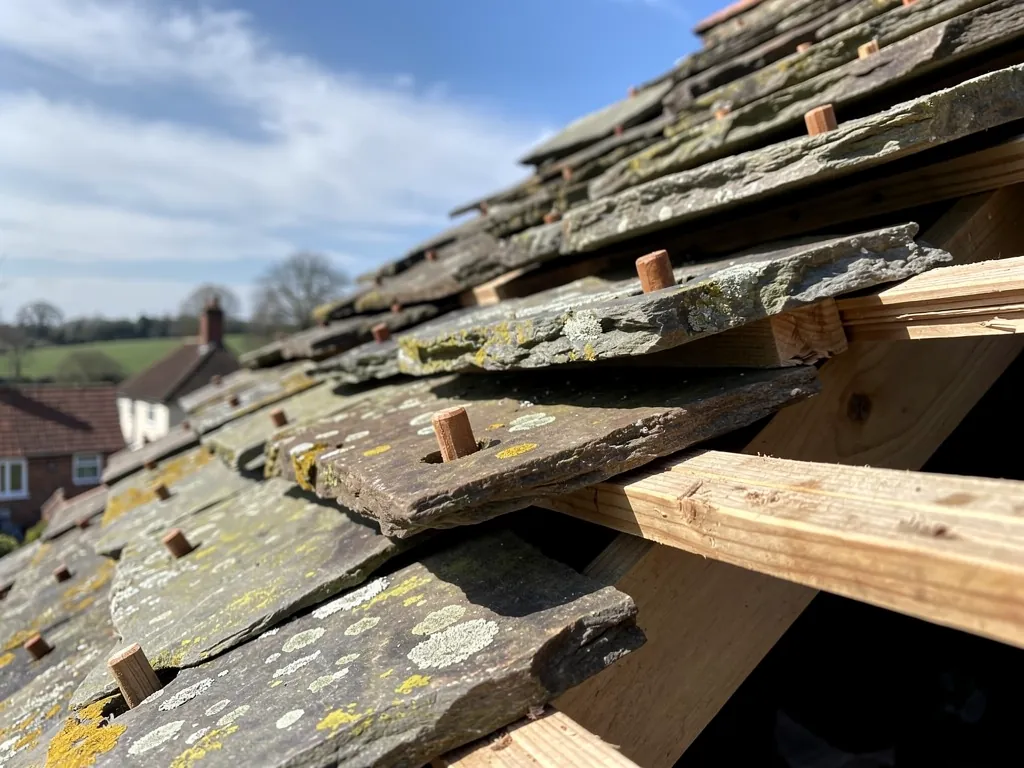
A church roof of stone and tile
All Saints is built of local sandstone rubble with Bargate stone dressings. Horsham slabs still lie on its roofs alongside ordinary tiles, and its spire is clad in split oak.
-
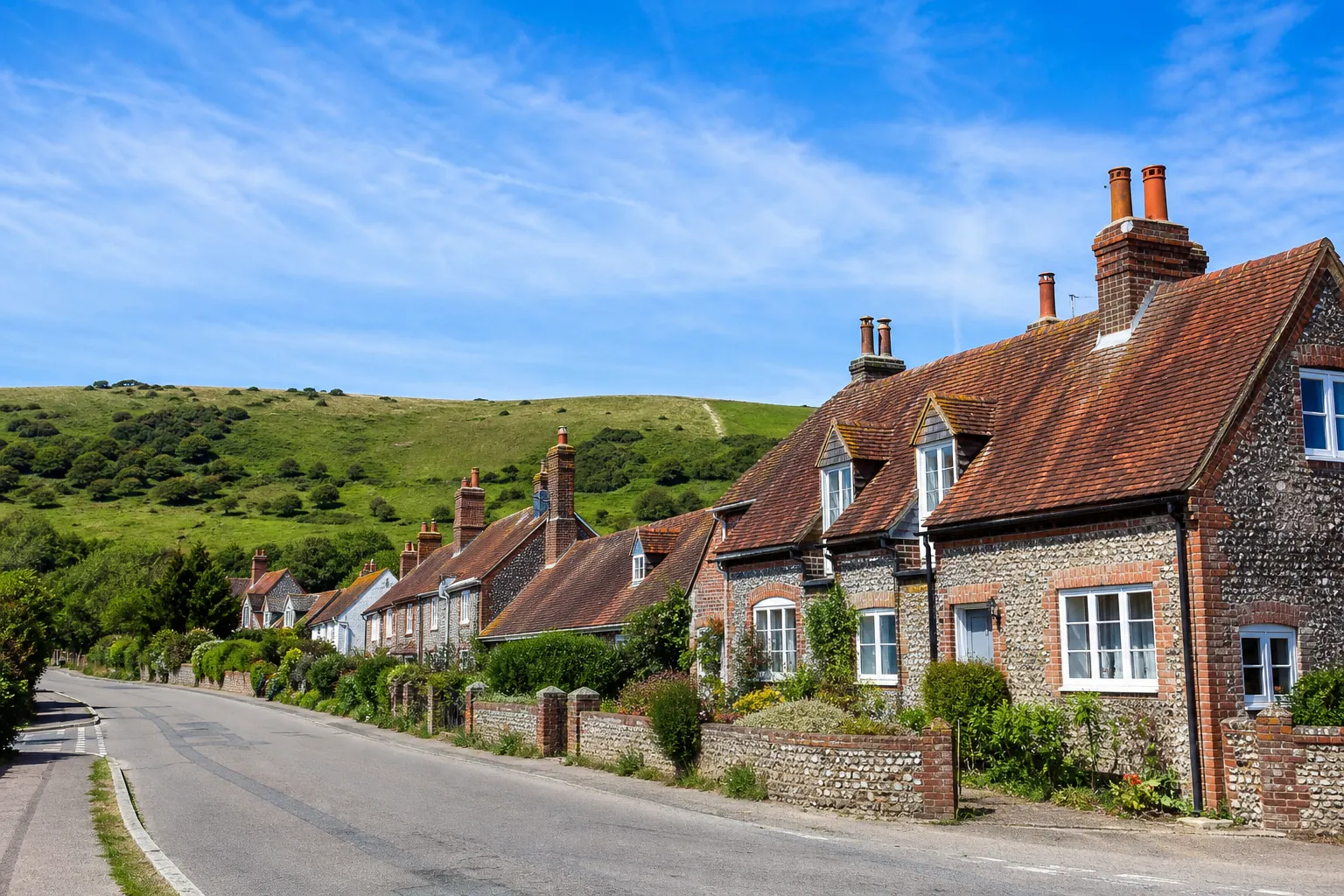
Cottages round the churchyard
The cottages at the south-eastern corner of the churchyard, by the church stile, form a much-painted group. Roofs beside a church share walls and gutters with old neighbours, so flashing work calls for patience.
-
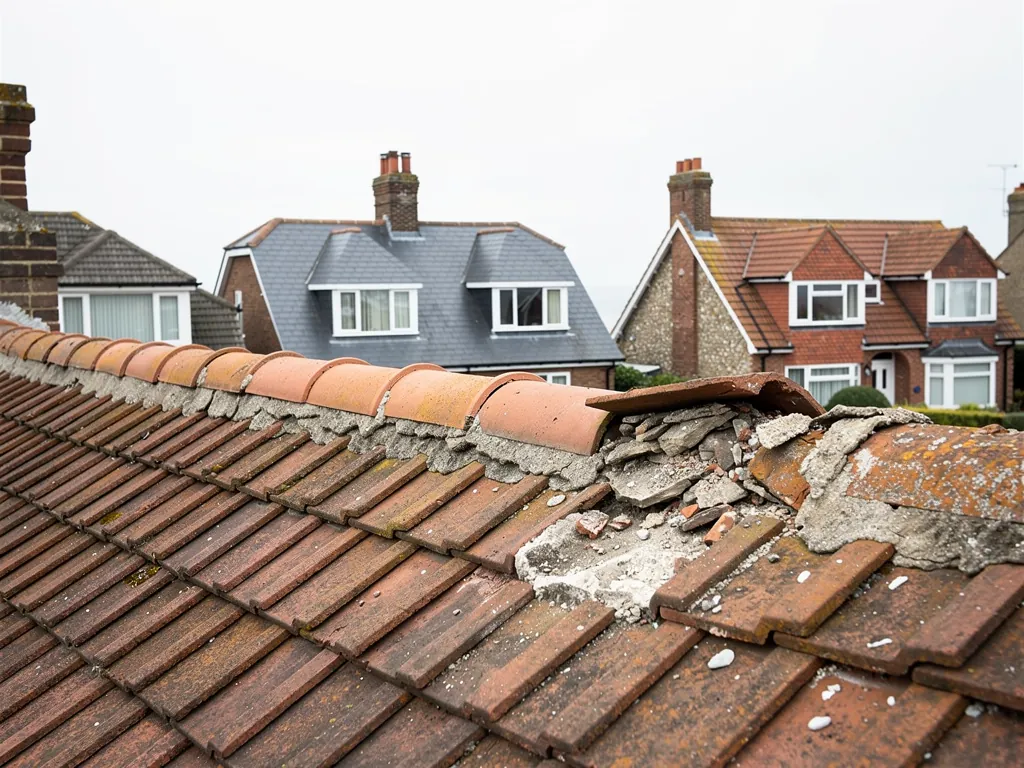
Homes beside the heath
On the western side of the parish, Witley Common runs on towards Thursley and Hindhead as open heather. Where a garden meets that open ground, the valleys and gutters deserve a careful look.
Map of Witley, 29.5 road miles north of Bognor Regis, with the nearest towns we also cover.
Witley church, conservation area and common
- Council
- Waverley Borough Council
- County
- Surrey County Council
- Conservation area
- Witley Conservation Area
- Listed landmarks
- All Saints church, Grade I; Church Steps, Grade II, listed 9 March 1960
- Setting
- On the Lower Greensand south of Godalming, with heath to the west
- Distance
- 29.5 road miles north of Bognor Regis, about 51 minutes by car
Witley notes
Greensand, slabs and the churchyard cottages
Three corners of Witley parish, each with its own roofs, and what that means for the work we are asked to price.
Chapter 1: Sandstone walls and Horsham slabs at All Saints2867
Sheet 01 / 03Witley parish lies largely on the Lower Greensand, with its south-east corner on Atherfield and Wealden clays, and the church in the village shows the local geology in its walls. All Saints is built of sandstone rubble from the district, dressed with the same stone or with Bargate stone. Its roofs tell a longer story. Horsham slabs, thick stone slates with an uneven, ground-hugging look, still lie on some slopes beside ordinary tiles. The spire is covered in oak, split into thin tiles that make an altogether different surface from slate or clay.
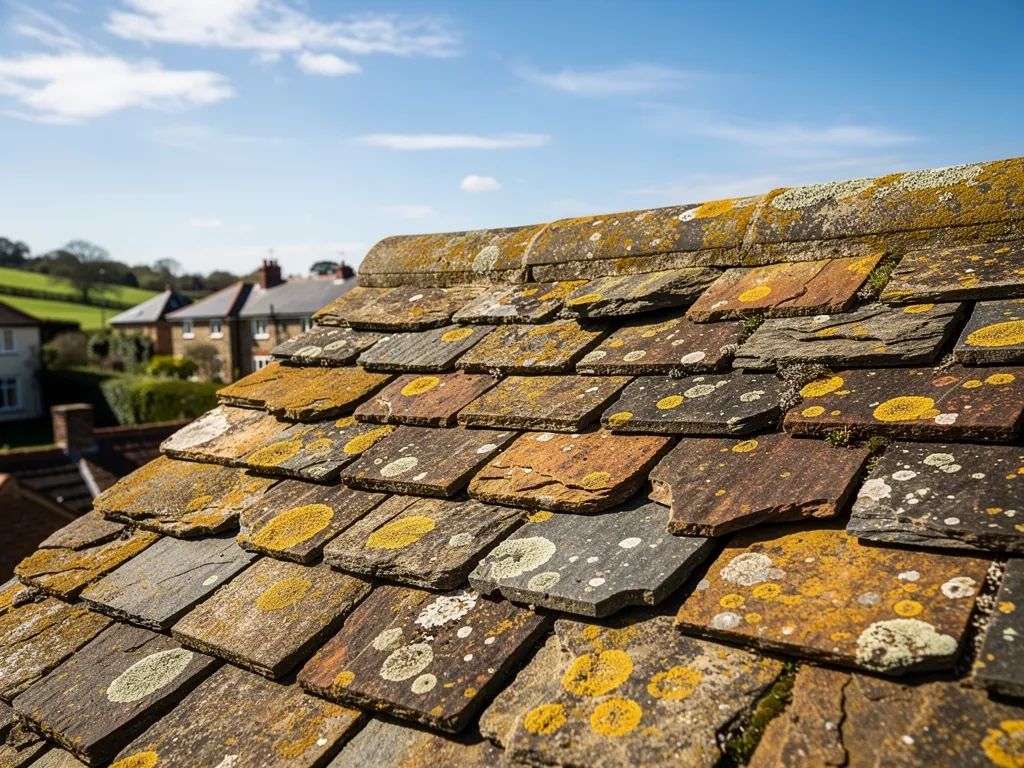
Old stone on a roof
Sound Horsham slabs are worth keeping. Where a roof needs work, we sort and relay the good ones and match any shortfall rather than strip the character away.
1.1 Reading a stone roof before touching it
A slab roof weighs far more than a clay or concrete one, so the timbers beneath are built to carry it, and a roofer starts by looking at the frame as well as the stone. Courses step down in size, large slabs low on the slope and small ones near the top, and that gradation is where the soft, stepped texture comes from. Lift a few and you often find that the pegs or nails holding them failed long before the stone did. Our Horsham stone roofing page explains how the stone is lifted, graded and laid again, and why reusing sound slabs is nearly always better than swapping in something lighter that changes the whole character of the house.
1.2 The consent route for a Church of England roof
All Saints is a Grade I listed Church of England parish church. A church in use sits outside listed building consent, and the diocese's faculty process governs its roof work instead. The council's planning team can still have a say in anything that alters the outside appearance, so both routes get checked, and a church warden is the first person to ask about timing. We would never touch a church roof until that approval was in hand, and nobody else should either. The same care makes a good model for any old roof around the village: learn the material, learn who decides, then make the repair match what was there. A slate or tile that looks nearly right from the ground often turns out to be the wrong size or colour once it is beside the original, and in a village where the roofs are read as a group, that mismatch shows from the lane. We lay a sample out on the roof for you to judge before the order is placed.
Many readers have a house, not a church, and the lesson is a practical one. Old stone, old timber and old lead all fail slowly, and a patient survey finds the failing detail while it is still a small repair.
Chapter 2: Church Steps and the conservation area2318
Sheet 02 / 03Beside the churchyard, Church Steps has been Grade II listed since 9 March 1960, and Waverley Borough Council has designated a Witley Conservation Area, so this corner of the parish is where the paperwork question comes up first. A listed house and a house inside a conservation area face different rules, and one roof can be caught by both at once. Before pricing anything in that part of the village we search the address, read what the listing or the area says, and describe the job in terms that fit.
Before any work near the churchyard
- Open the list entry
- Check the conservation area map
- Match tile size and colour
- Ask the council about consent
2.1 Listed building rules on a village roof
The law protects a listed building from alterations that change its special character unless they have been authorised. Patching with matching material is quite a different animal from re-covering a whole roof in something new. We study the entry first, photograph the existing covering close up, and tell you whether a job is a plain repair or one the council should see before work begins. Waverley Borough Council's planning team is the authority for houses in the village, and a short enquiry beforehand costs far less than an enforcement notice afterwards.
2.2 Conservation area roofs and what changes
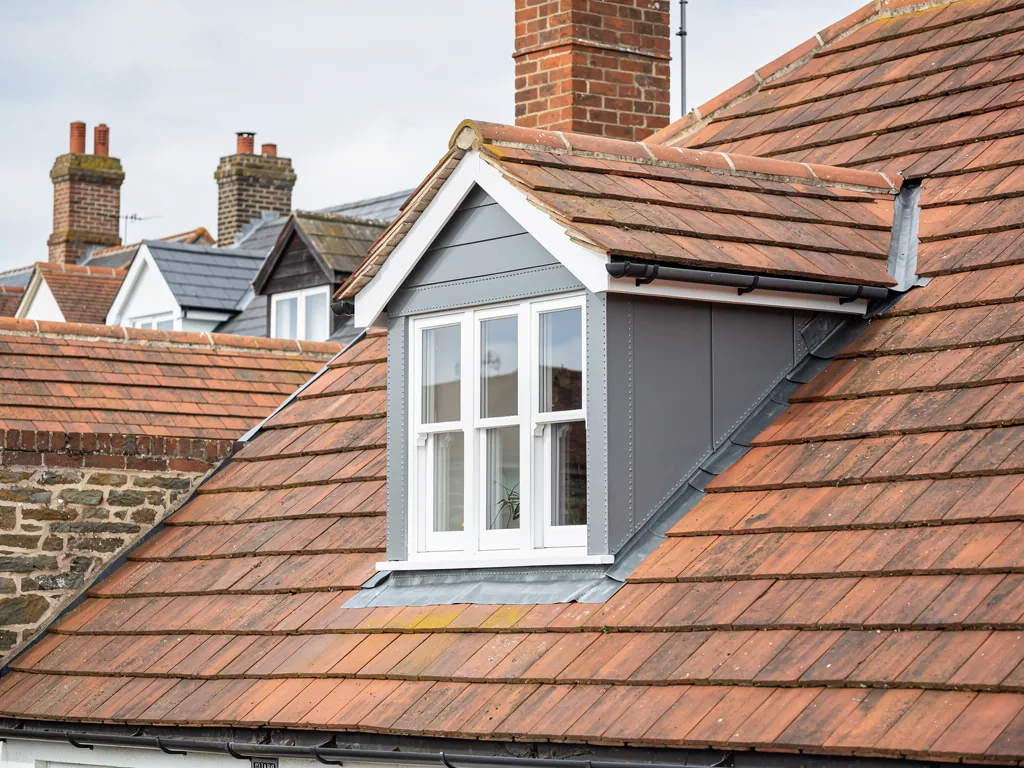
A conservation area leaves re-roofing allowed, yet it raises the bar on materials and detail, and it removes some permitted development rights, such as the right to add a dormer. Whether anything more has been withdrawn on your street is a question for the council. We keep the original roof look wherever we can: the same tile size, the same colour range, the same eaves and gable detail. Where chimney stacks or lead are involved, our lead roofing and leadwork page explains how flashings are dressed to old walls so the join stays tight for years.
2.3 The churchyard cottages
The cottage group at the south-eastern angle of the churchyard has been painted many times, and keeping a group like that intact is partly a roofer's job. When roofs share walls and gutters, a fault on one often shows on its neighbour. A single survey of the shared details saves a second visit, and it gives each owner photographs to show a surveyor or a buyer later. Where a party wall or shared gutter is involved, we talk to both owners about who pays for what before the work is booked, so that nobody finds out about a neighbour's roof from a scaffold in the garden.
Chapter 3: Greensand ground and heathland gardens2318
Sheet 03 / 03Witley's 7,210 acres sit largely on Lower Greensand. West of the village, Witley Common is an extensive stretch of heather linked to Thursley Common and the waste running up to Hindhead. The parish is inland, and where a house stands at the edge of that open ground its roof takes the wind and whatever the wind carries off the heath.
How a Witley survey runs
- 1Climb and photographEvery slope, valley and flashing is photographed, not only the area you mention.
- 2Check the constraintsWe look up listing, conservation area and consent questions for the address.
- 3Give the verdictYou hear whether it is a repair, a hold-for-now patch or a replacement.
- 4Write the quoteA single total price reaches you in writing after the survey.
3.1 Heath edges, windblown litter and valleys
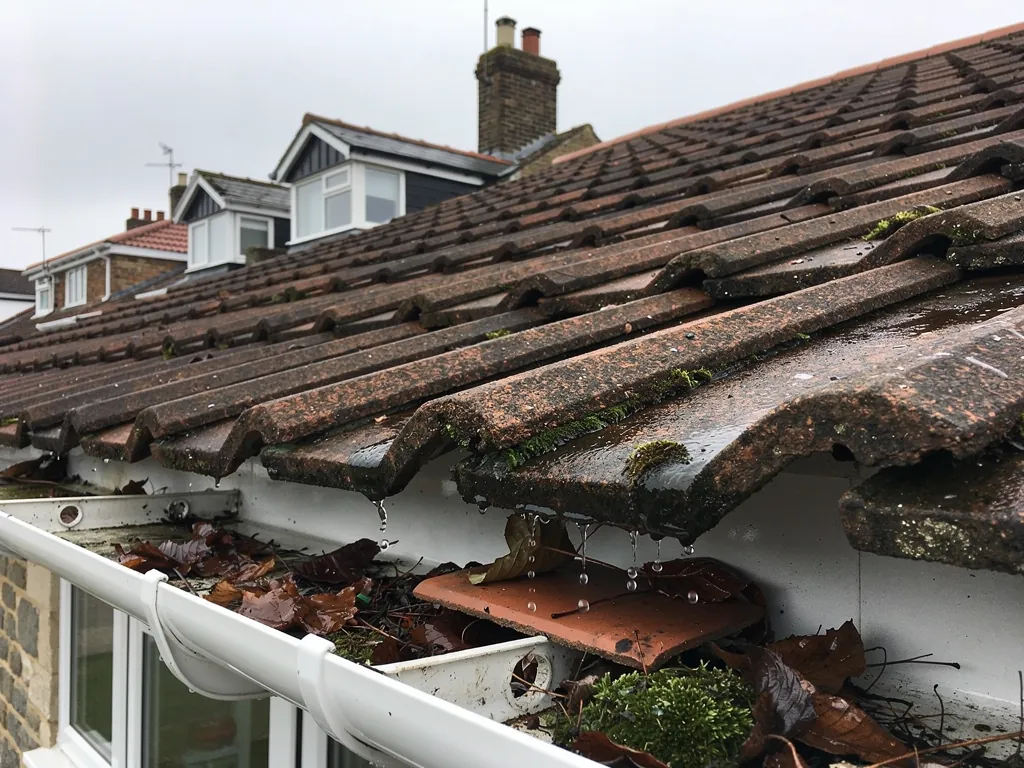
The valley is the trough formed at the foot of two meeting slopes, and it collects the rainwater of both. It is the busiest drain on the roof and the least visited. On a house whose garden meets open heath, valleys and gutters catch windblown litter, and a blockage pushes water under the tiles at the one spot designed to carry it away. A look into the valleys after autumn is worth far more than a glance at the ridge. Our guttering, soffits and fascias page explains how gutters are cleared, realigned and renewed, and how the board behind them is checked for rot. Bracken, seed heads and leaf litter all end up in the channel sooner or later, and a gutter that overflows at one end can keep a masonry wall damp through several winters before any mark gets noticed.
3.2 A verdict before a price
Every survey ends with photographs and a decision: mend it, hold it for a season, or renew it. We favour the smallest job that properly solves the problem. A handful of cracked tiles is a repair, not a reason to re-roof, and you see the pictures so you can judge for yourself. When a roof is past mending we say that just as plainly, and explain what moves the cost: access, the covering you choose, and the condition of the timbers once the old tiles are off.
3.3 Re-roofing and the Building Regulations line
On the Planning Portal's figures, a building control application is not usually needed where less than 25 per cent of the building envelope, and less than 50 per cent of the roof, is touched by the job. A much heavier covering changes that, and so does structural work. A stone roof is a good example, because changing from stone to a lighter or heavier material alters the load the frame was built for, and that is a question for the building control body before any order is placed. Ask Waverley Borough Council to confirm the position for your house, and leave the Building Regulations notification to us whenever the work calls for one.
What we fix on Witley roofs
Frequently asked questions
Questions from the churchyard to the common
Can the Horsham slabs on a Witley roof be mended rather than swapped?
Often, yes. Slabs outlast the pegs or nails that hold them, so the usual fault is fixings rather than stone. We lift the affected area, grade the sound slabs, fix them again and fill any gap with matching stone. Swapping a slab roof for a light modern covering changes both the look and the load on the timbers, so a repair or relay is normally the better route for an old house.
Does a house near All Saints church need listed building consent to re-roof?
Only if the house itself is listed. All Saints is Grade I and Church Steps is Grade II, but their neighbours may not be. Look the address up on the National Heritage List, and ask Waverley Borough Council's planning team when in doubt. Inside the conservation area, find out what applies to your street before choosing a new covering, and keep the answer in writing.
Why do roofs beside Witley Common need extra attention to their valleys?
Wind across open ground carries leaves, bracken and seed heads, and valleys and gutters are where they settle. A blocked valley can push water sideways beneath the tiles. We clear the litter, inspect the lining under it and look at the gutter outlets, because those three things together show whether a leak is a blockage or a worn covering.
Is the Church of England faculty process the same as planning permission?
No. The faculty process covers works to the church as a place of worship, whereas the council may separately need to approve changes that alter the building's outward look. Anyone looking after a parish church should ask the diocese and the council before work begins. For a private house in Witley, the faculty question simply never arises, because it applies only to churches in use.
Nearby areas
Get a quote
Tell us about your roof
Describe what's happening and we'll call you back.
Loading the enquiry form. You can also call 01243 252373.