
Roofers in Hindhead
Heathland homes and two listed churches
Hindhead's roofs sit on heathland near the Devil's Punch Bowl, with two Grade II listed places of worship in the village: St Alban's church, and the United Reformed Church with its hall and manse.
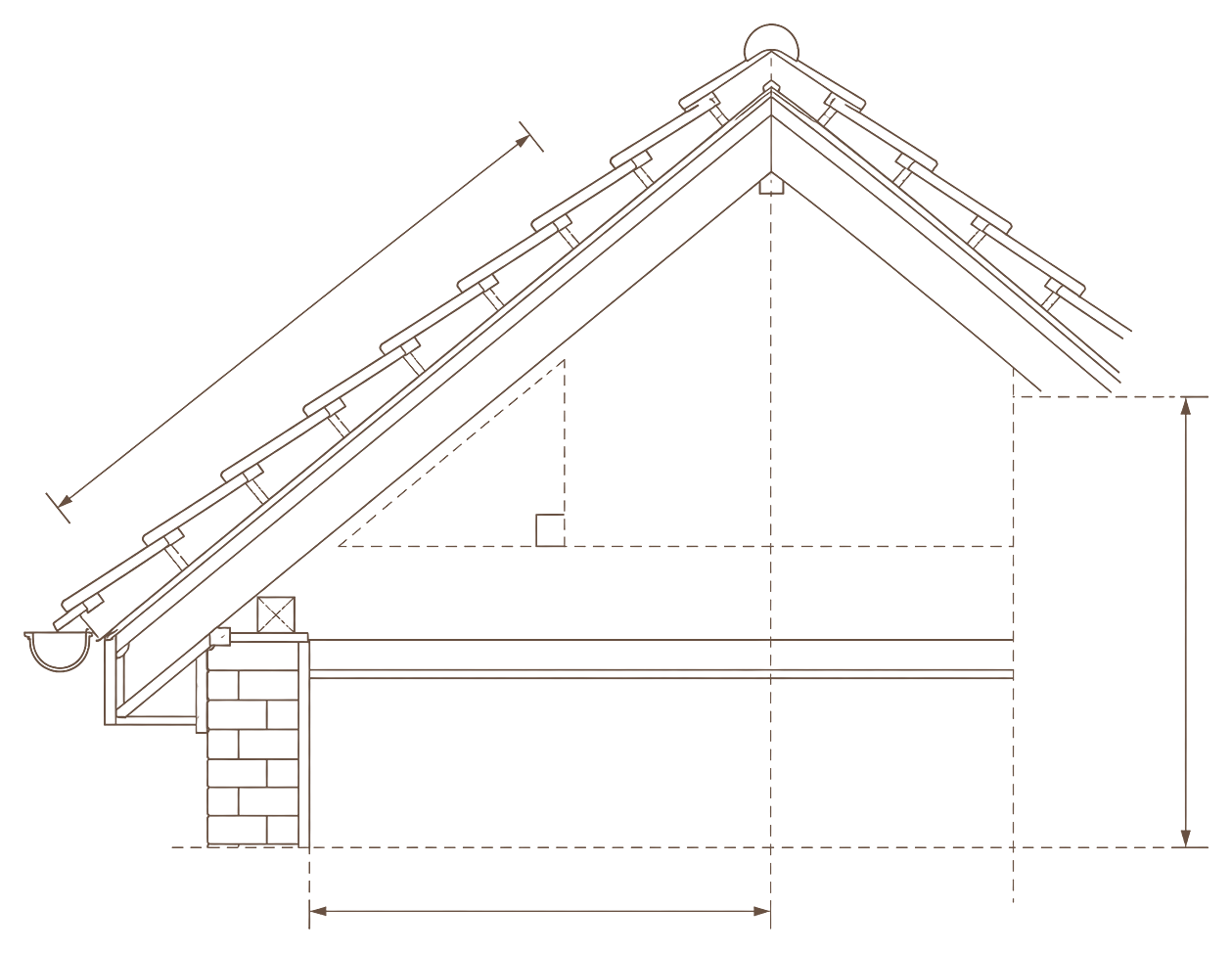
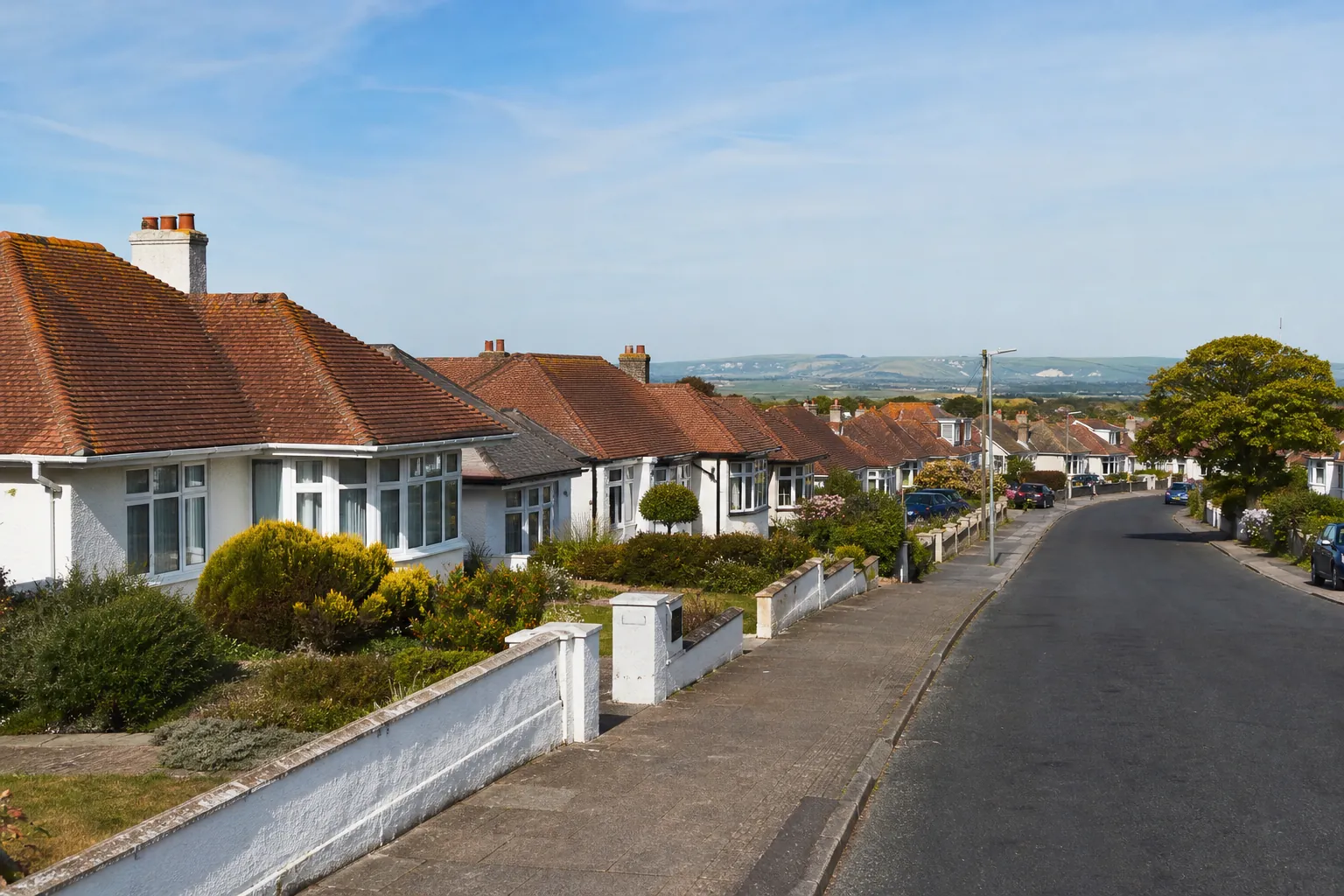
Hindhead roofs
From the heath's edge to the listed churches
-
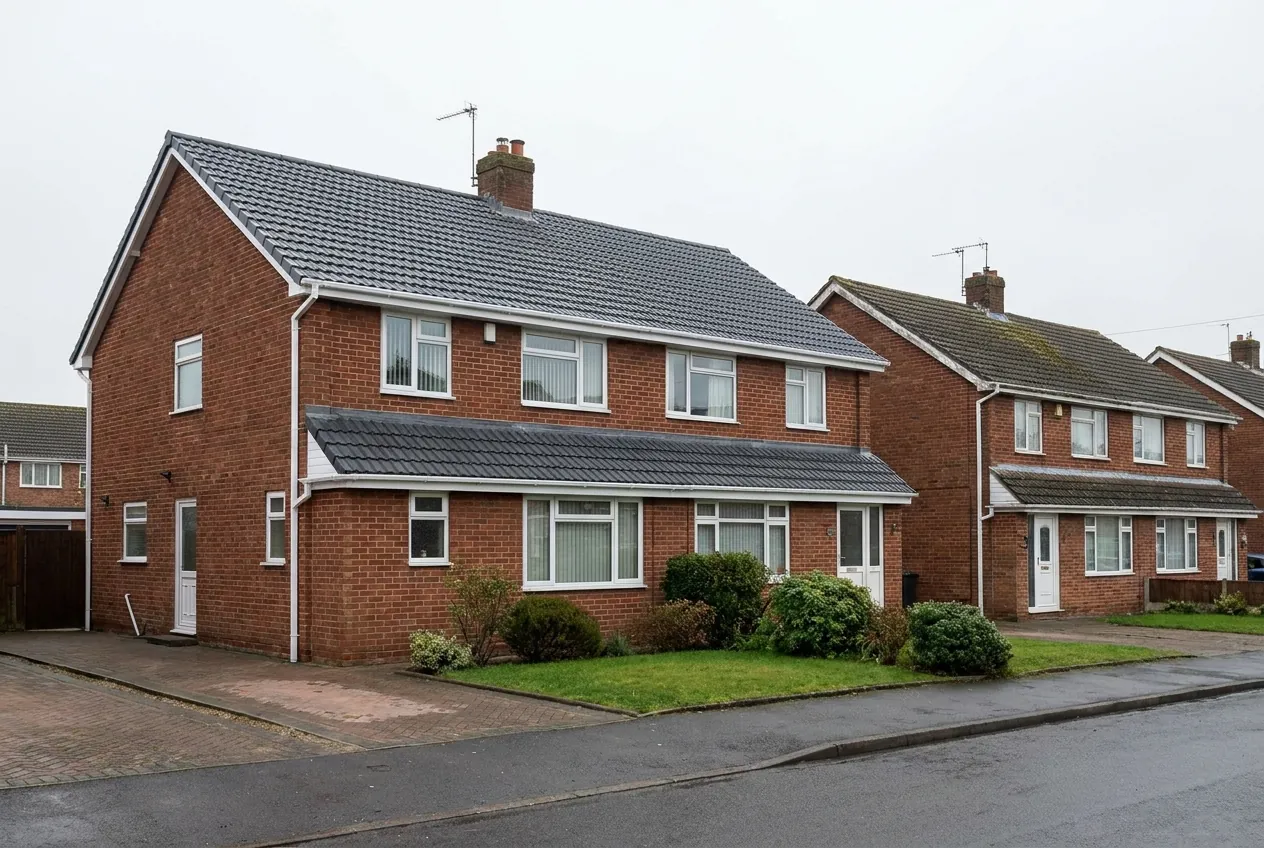
Houses beside the heath
Hindhead lies on the heaths west of Witley, close to the Devil's Punch Bowl. The waste land running up to the village once belonged to the manor of Witley, and a house beside that open ground meets the weather head on.
-
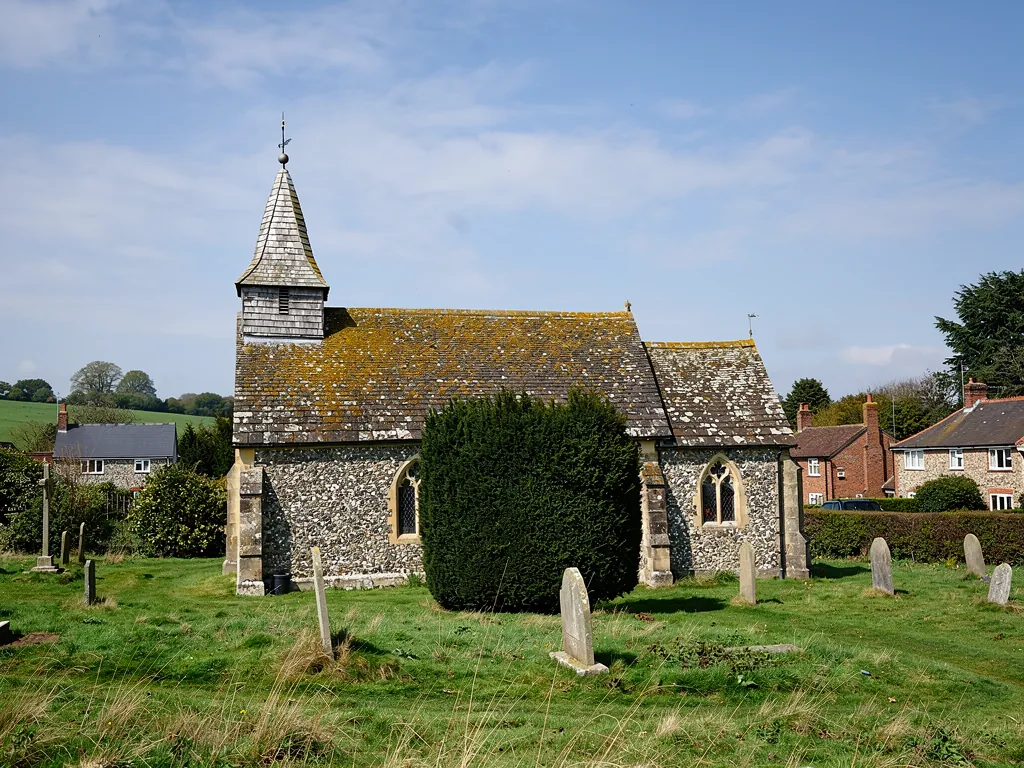
St Alban's church
The Church of St Alban in Hindhead was first listed, at Grade II, on 19 September 1977. Any roof work on a listed building has to begin from its list entry, not from the colour of the tiles.
-
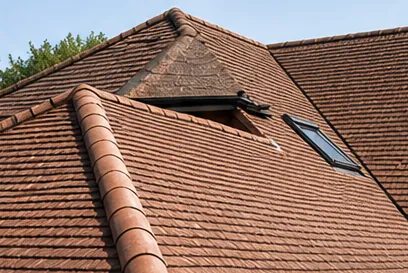
United Reformed Church, Hall and Manse
The United Reformed Church, Hall and Manse share one Grade II list entry, number 1244608, also first listed on 19 September 1977. A manse is the minister's house, so the group mixes church, hall and home roofs.
Map of Hindhead, 29.3 road miles north of Bognor Regis, with the nearest towns we also cover.
Hindhead's heaths and its two listed buildings
- Council
- Waverley Borough Council
- County
- Surrey County Council
- Conservation area
- None recorded at the village centre: check Waverley's conservation area map for your own street
- Article 4
- Ask Waverley Borough Council before altering a roof
- Listed landmarks
- Church of St Alban, and the United Reformed Church, Hall and Manse, both Grade II
- Distance
- 29.3 road miles north of Bognor Regis, about 48 minutes by car
Hindhead notes
Heath, leaf litter and list entries
Hindhead asks two things of a roofer: patience with a site that sheds debris onto the roof, and care where a building is listed.
Chapter 1: Open heath and the weather it lets through2562
Sheet 01 / 03Hindhead stands on the heaths west of Witley. An old account describes how the heath of Witley Common joins Thursley Common and the waste land running up to Hindhead, all of it part of the manor of Witley. In 1905 the manorial rights over part of that waste, Hindhead included, were bought by trustees for the Commons Preservation Society. The Hampshire county history of 1908 adds views from Headley across to Hindhead and its two neighbours, the Devil's Jumps and the Devil's Punch Bowl. The A3 now runs beneath the area through the Hindhead Tunnel, opened in July 2011, and the old road round the Devil's Punch Bowl was closed. For a roofer the lesson is about openness. A house at the edge of common land has few buildings beside it to take the wind, and what a gale does to a roof depends heavily on that. A terrace in a sheltered street and a detached house facing open ground can wear the same tiles and age very differently.
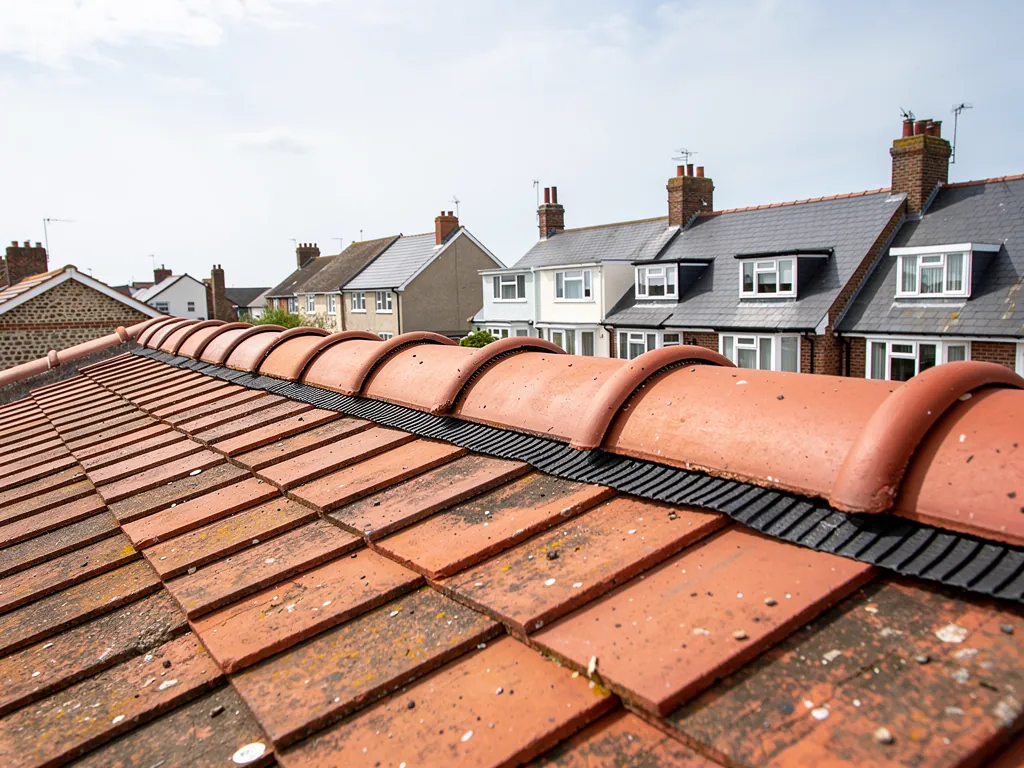
After a gale on the heath side
- Tiles slipped at the verge
- Ridge capping shifted
- Flashings peeled back
- Gutter pulled from fascia
1.1 Why position decides the fixings
Tile and slate manufacturers are clear that a fixing specification is set by the site: its location, its height above sea level and the wind it meets. There is no single answer for the whole village. A house on a rise at the heath's edge deserves a harder look at its ridge, hips and verges than one tucked behind neighbours. The verge is the roof's side edge, above a gable wall, and it is the first place a gust gets under a tile. Since BS 5534 was revised in 2014, a bed of mortar has stopped being the sole fixing for ridge and hip tiles, and each one is held mechanically too. Older roofs built before that change often rely on mortar alone, and those are the ones we look at hardest. BS 8612 covers the dry-fixed alternative, in which a ridge system is clipped on and no mortar is used at all.
1.2 What we check after a blow
When gales have passed, we look for tiles that have lifted or slid at the edges, ridge capping that has shifted, and flashings, the folded metal that bridges the joint between a slope and a wall, that have peeled back. A slipped tile near the edge of a roof is rarely a one-off. It usually means the clips or nails along that course have loosened. Our pitched roofing page explains when a loose area can be refixed and when a whole slope has reached the point where a new covering is the sounder choice. Each loose area is pictured and the pictures travel with the quote. If water has already got in, we also look at the timbers and the underlay below the damaged spot, since a roof that has been wet for a season can need more than a refix.
Chapter 2: Leaf litter, moss and blocked gutters2257
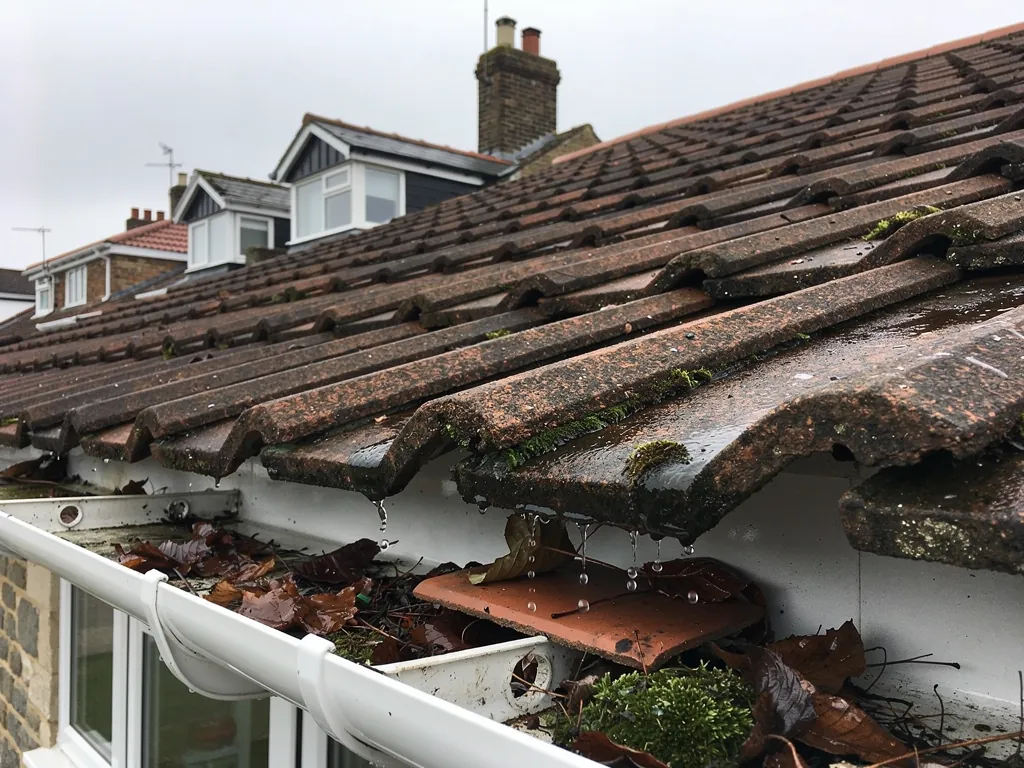
Sheet 02 / 03Homes beside heath and woodland live with what drops, blows and settles on them. Not every Hindhead roof sits under trees. But where a slope sits under trees or beside open vegetation, the pattern repeats from house to house, and it starts in the gutter. Leaves, seeds and fine debris collect in the channel, water backs up behind them, and spills over the lip to run down the brickwork or wet the board behind. Over a few winters that becomes rot at the roof edge, long before anyone sees a stain on a ceiling inside. A gutter that is full is a roof fault in waiting, and clearing it is cheap beside what it prevents.
Three answers for a mossy Hindhead roof
- Clean itTiles sound, underlay dry: moss comes off and the roof carries on.
- Mend itA few failed tiles or a split valley lining are renewed in place.
- Renew itCrumbling tiles and perished underlay mean cleaning only postpones the bill.
2.1 Moss is a symptom as well as a nuisance
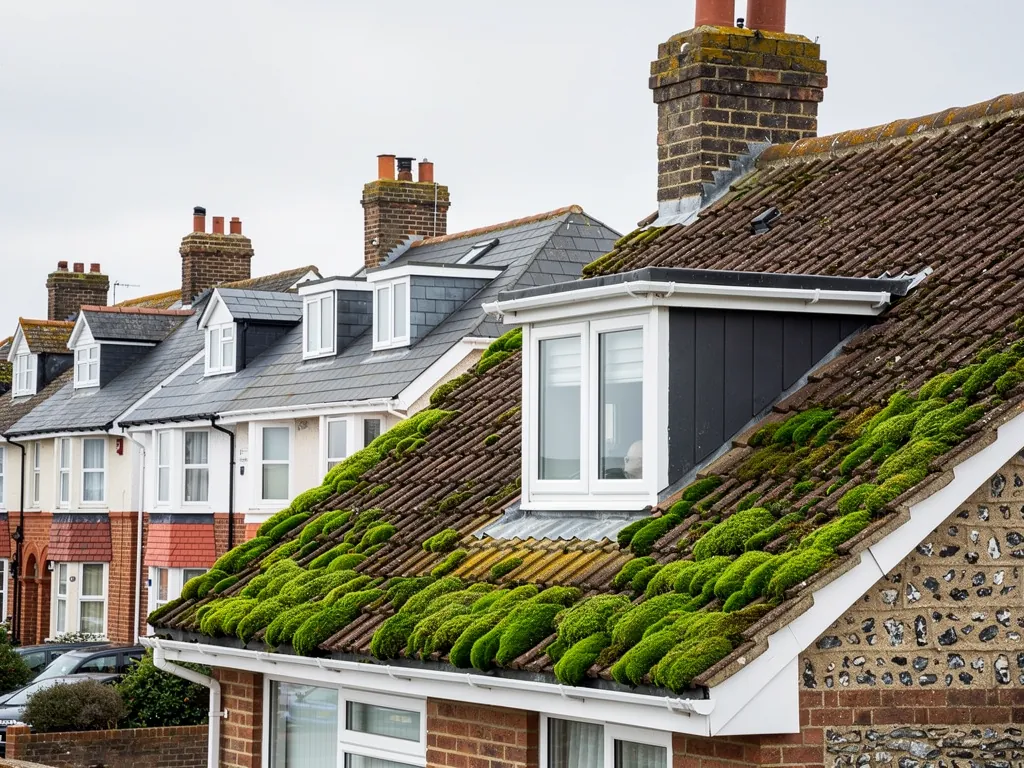
Moss keeps a roof damp. It grows where light is poor and the surface stays wet, then holds water against the tile and lifts the edges of the courses as it thickens. Taking it off is straightforward, and our roof cleaning and moss removal page explains the job. The harder question is what lies underneath. If the tiles are sound, cleaning is the right answer. If they have crumbled or the underlay has gone, the plain advice is that cleaning only delays a repair. We say which it is, and show you the proof in pictures, before any work starts. Nobody should pay for a clean when the roof underneath needs a different job.
2.2 Valleys, the places debris always finds
A valley forms where two slopes meet at an inward angle, collecting the rain from both. Lead or another lining sits beneath the tiles, and when leaves pile up the water can top the edge and get behind the covering. We clear valleys, check the lining for pinholes and splits, and tell you if it needs renewing. A valley that has been blocked for a winter often shows as a brown tide mark on a ceiling below, a good way to trace the source before anyone climbs up. Clearing it by hand and relaying the lining is a small job when caught early, and a much larger one once the timbers underneath have soaked. On houses with chimneys, the stack and its flashings need the same look, because a stack breaks the flow of water and leaves a pocket where debris gathers on its upslope side. Our chimney repairs page covers stacks, pots and flaunching in more detail.
Chapter 3: St Alban's, the church hall and the manse2501
Sheet 03 / 03The Church of St Alban in Hindhead is a Grade II listed building, first listed on 19 September 1977. The United Reformed Church, Hall and Manse also hold a Grade II entry, number 1244608, from the same date. A manse is a minister's house, so that entry takes in a place of worship, a meeting hall and a home. Roof work on any of them begins with the question of who has to consent, and the answer differs between a church in use, a hall and a house. Settling that question first saves a stalled job later, because a scaffold standing on a drive while the consent is argued over is the most expensive way to find out.
Starting a roof job beside a listed building
- 1Find the entryThe list entry is found and read for what it records.
- 2Ask the councilWaverley confirms whether consent or planning permission applies.
- 3Match the coveringSlate or tile is chosen to sit with what stays.
- 4Agree accessShared walls and boundaries are settled before scaffolding.
3.1 Which route applies to which building
The ecclesiastical exemption lets some denominations handle works to churches in active use through their own approval procedures, in place of listed building consent. For a United Reformed church it applies only if the building is held on the specified trusts. Churches of other faiths and denominations outside the exemption need listed building consent from the council, and so does a church no longer used for worship. A planning application is a separate matter and is the one that covers visible changes outside. We cannot decide which category a given building falls into. Waverley Borough Council, or the denomination's own office, can say. The same point holds for the church hall and the manse: each has its own use, and a hall used for community events or a house lived in by a minister does not necessarily follow the same path as the nave. For a repair to the tiles or slates over a listed hall, the usual question is whether the work matches what is there or changes how the building looks from outside.
3.2 What this means for a neighbour's roof
You may not own a church, but a listed neighbour affects the street. If your house shares a boundary or a party wall with a listed building, work to a shared chimney or a joint between two roofs may call for a conversation with its owner before the scaffold goes up. Where a house is itself listed, like-for-like work, slate for slate and tile for tile, is the safe path, while a change of material or profile needs consent first. The list entry is read word by word before we price anything. For roof windows in any sensitive setting, read our skylight planning permission guide before you commit to a design.
Roof jobs we handle in Hindhead
Frequently asked questions
Questions from the heath edge to St Alban's
How often should a roof beside the Hindhead heath be cleared of moss and debris?
That depends on the house, so no fixed interval would be honest. Where a slope sits under trees or beside open vegetation, debris and moss build up and gutters fill sooner. We judge it on the day: if the tiles are sound, cleaning and clearing the gutters is usually enough. If the covering has started to crumble, we tell you cleaning would only postpone the repair.
Is a roof on the edge of Hindhead's common land more exposed to gales?
It can be, because a house with open ground beside it has little to shelter it. Fixing advice from tile makers depends on a site's location, its height and the wind it meets, so we look at where the house stands. Ridge, hip and verge tiles are the first things we check, and we confirm they are mechanically fixed, not held by mortar alone.
Who decides on repairs to the Hall and Manse beside the United Reformed Church?
The list entry covers the church, hall and manse together, and the route for consent depends on how each building is used and held. A church in use on the specified trusts may follow its denomination's own process, while others need listed building consent from the council. Waverley Borough Council or the denomination's office can confirm, and planning permission can still apply to exterior changes.
Can I put a roof window in a house near St Alban's church?
Possibly, but check first. Whether permission is needed depends on the house, on whether it is listed and on whether any Article 4 direction removes rights. Waverley Borough Council's planning team can say for your address. Any new roof window also has to meet the Part L limits for thermal performance, and the planning guide linked above sets out the steps to take before you order one.
Nearby areas
Get a quote
Tell us about your roof
Describe what's happening and we'll call you back.
Loading the enquiry form. You can also call 01243 252373.