
Roofers in Birdham
Harbour edge, thatch and old brick
Birdham's roofs stand on flat, low-lying ground beside the channel of Chichester Harbour, from a tile-roofed church tower to 17th-century brick and thatch on its old farms.

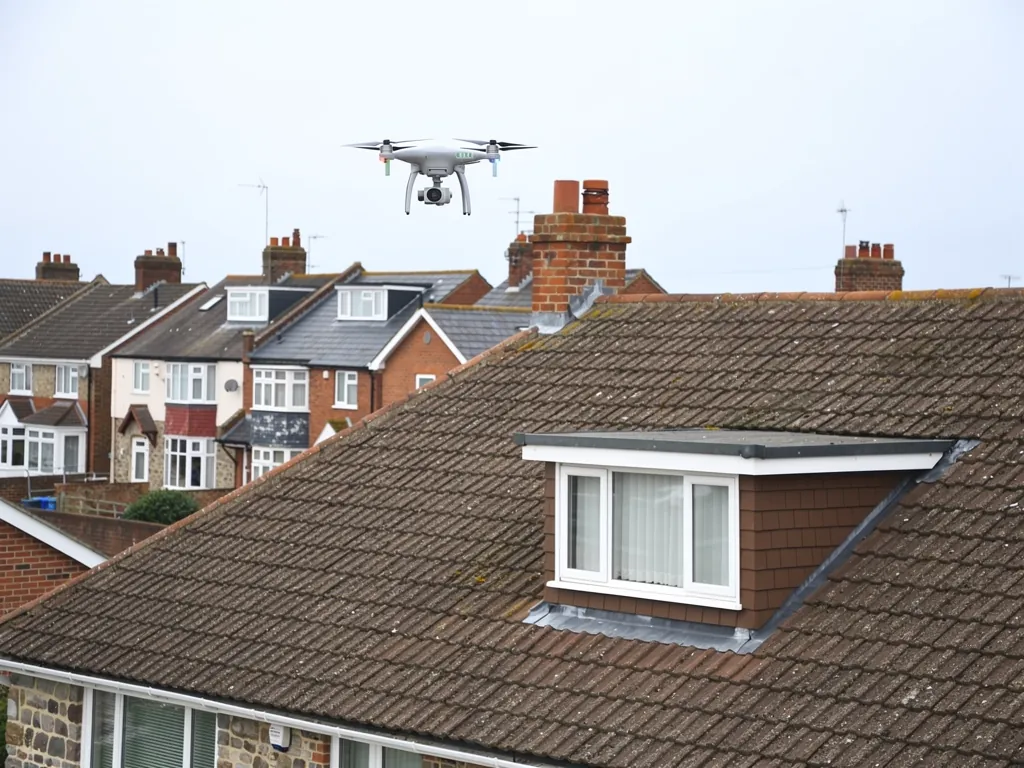
Birdham roofs
From St James's tower to Manhood End
-
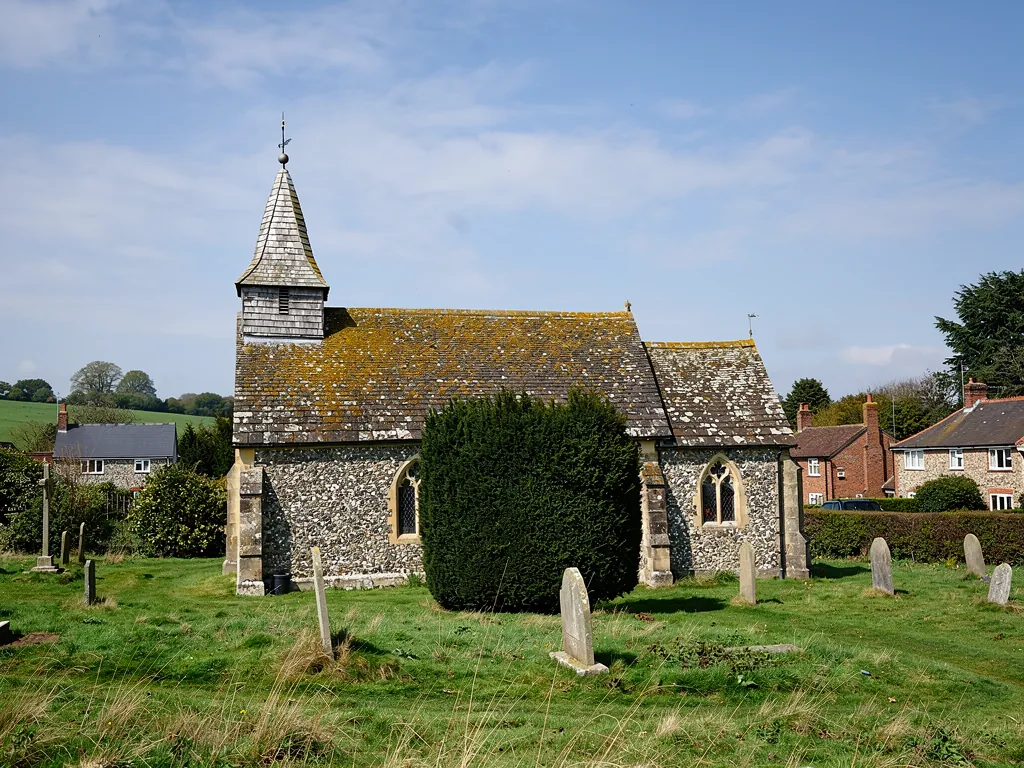
A church tower roofed in tile
St James's has a nave that looks to be 14th-century and a tower built about 1545, of rubble with freestone dressings, roofed in tile. A parish church in use has its own consent route, so roof work there is arranged by the parish.
-
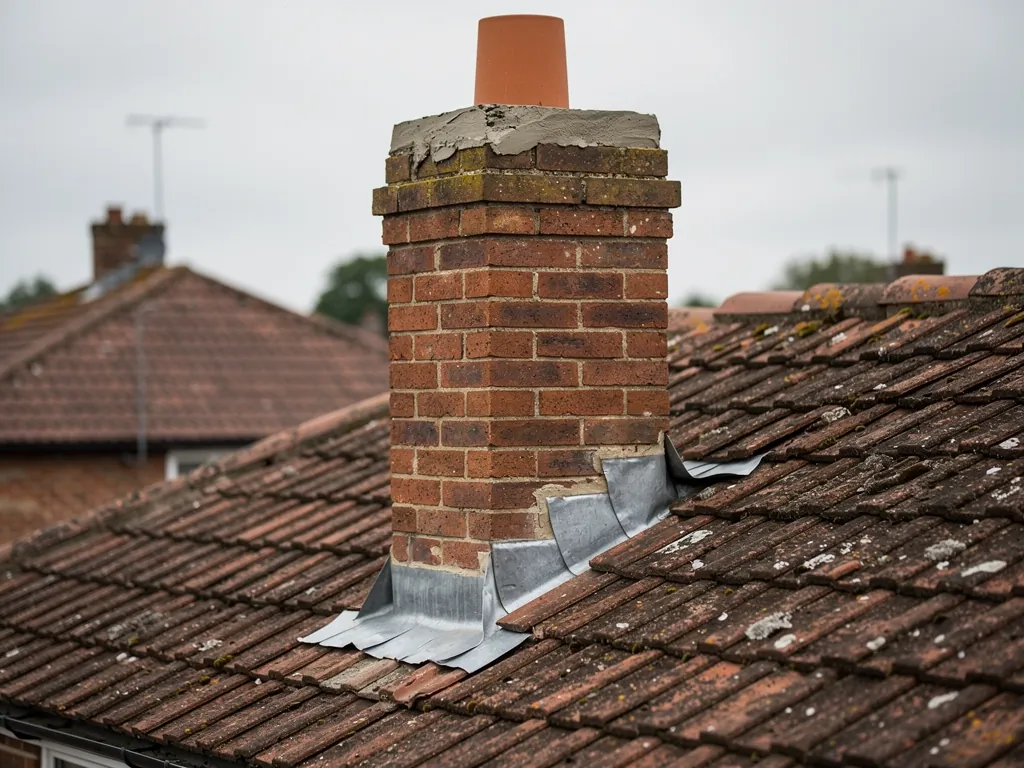
Brick and thatch at Manhood End
Manhood End farmhouse is a 17th-century building of red and black bricks on stone foundations, under a thatched roof. Thatch is a craft of its own, and our work around it is the lead, the chimneys and the tiled roofs next door.
-
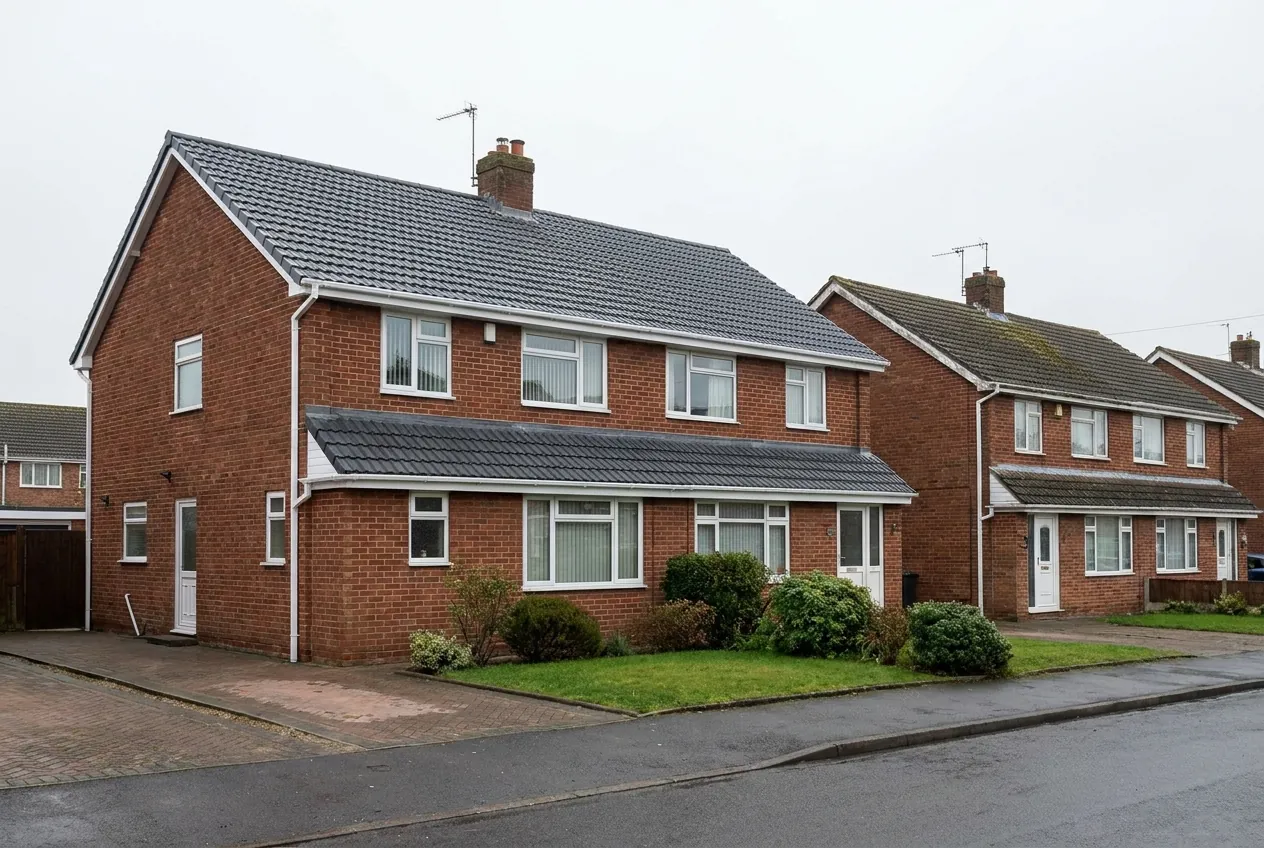
Boarded and brick farm buildings
The county history records brick, thatch and weather-boarded timber framing in the parish's old farm buildings. Barns and outbuildings like these have their own roof questions, from rotten boarding to old sheeting that needs testing.
Map of Birdham, 9.5 road miles west of Bognor Regis, with the nearest towns we also cover.
Birdham's harbour shore and its boundaries
- Council
- Chichester District Council
- County
- West Sussex County Council
- Landscape
- Chichester Harbour National Landscape, designated an Area of Outstanding Natural Beauty in 1964 and renamed in 2023
- Somerley
- Chichester District Council's notice for the Somerley Conservation Area names Birdham among the parishes it lies in
- Parish church
- St James, Church of England
- Distance
- 9.5 road miles west of Bognor Regis, about 19 minutes by car
Harbour-shore notes
Flat land, tidal channel and old farms
What a low, open parish asks of its roofs, and where the older buildings need particular care.
Chapter 1: Flat ground, open sky and the harbour channel2745
Sheet 01 / 03Birdham is a parish of flat, low-lying land. The county history gives it 1,814 acres, and its northern boundary is the channel of Chichester Harbour. There are no hills here to break the weather, so a gale crossing the water meets the village's roofs with very little in its way. That is no reason for alarm, but it is a reason for care with the details that wind and driving rain test first: the ridge capping, the verges at gable ends and the lower courses of tiles along the eaves. A roof that has been sound for years can still have one of those details quietly working loose, and the first you hear of it is a tile on the drive after a night of gales.
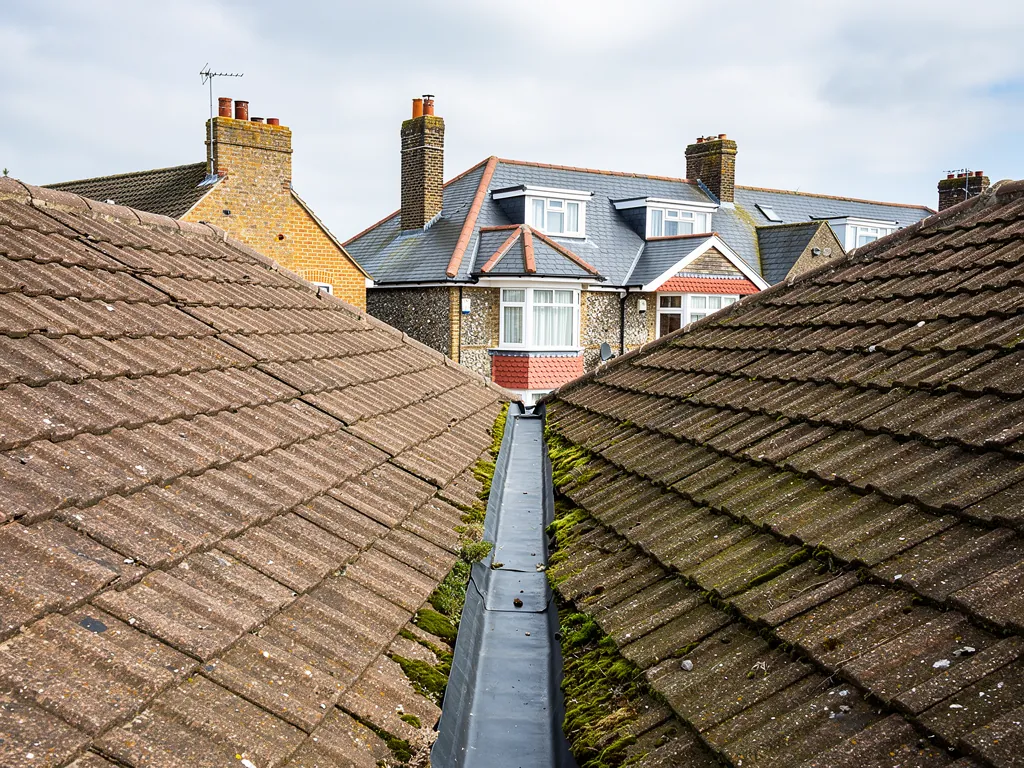
Three outcomes after a gale on open ground
- Spot repairA few tiles or a length of capping put back and fixed properly.
- Edge overhaulCapping, hips and verges redone with the main slope left alone.
- New coveringThe whole slope stripped and relaid because the fixings have failed everywhere.
Low ground adds a second concern. Water has to leave the roof and then leave the site, and a downpipe that discharges beside a wall onto sodden soil does nobody any good. On bungalows and houses with low eaves the gutters sit within reach of the garden, where leaves, seed and moss gather in them, and a gutter that overflows at a corner can stain a wall and soak a fascia board for years before anyone notices. We look at the gutter run, the brackets and the falls as part of every roof survey, and we mention them in the written quote when they need attention.
1.1 Fixings that hold when the wind gets up
The ridge runs along the summit of a pitched roof, and the verge is the angled edge beside a gable wall. On older roofs both were often bedded in mortar alone. Under the 2014 revision of BS 5534, ridge and hip tiles can no longer depend on mortar by itself, so they get mechanical fixings: clips, screws, or a dry-fix system tested to BS 8612:2018. A hip is the slanting external corner of a hipped roof. When we survey a Birdham house we press and photograph the capping, look for fresh gaps in the bedding, and tell you whether a few tiles can be refixed or a whole run needs rebuilding. Our roof repairs page covers the jobs that are really only a morning's work.
1.2 Harbour National Landscape and the Somerley boundary
Birdham sits inside Chichester Harbour National Landscape, which was designated an Area of Outstanding Natural Beauty on 4 February 1964 and renamed a National Landscape in 2023. Chichester District Council has also published a notice for the Somerley Conservation Area that names Birdham among the parishes it lies in, though Somerley is not the village itself. A glance from the road will not show which side of a boundary a house falls on, so before planning any roof change, ask the council whether your address is inside it. For anything that alters a roof's shape, our guide to skylight planning permission is the place to start.
Chapter 2: A tile-roofed tower and a thatched farmhouse2684
Sheet 02 / 03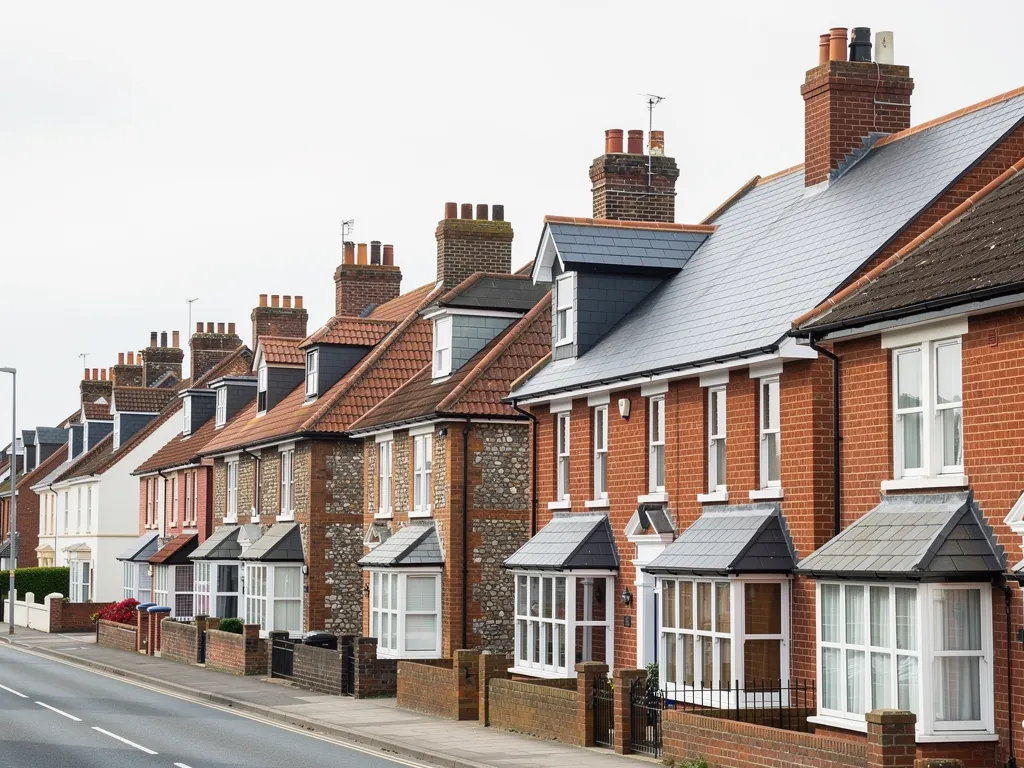
Two buildings in the county history's account of Birdham sit at opposite ends of the roofing alphabet. The church of St James has a nave that looks to be 14th-century and a tower built about 1545, of rubble with freestone dressings and roofed in tile. Manhood End farmhouse is a 17th-century building of red and black bricks on stone foundations, with a thatched roof. One roof is clay and one is straw, and both have been kept going for centuries by people who looked after the small things before they became big ones. That is a fair summary of what a roofer in a village like this is asked to do.
Roof details to watch beside old Birdham buildings
- Lead where a stack meets thatch
- Pointing on brick chimneys
- Tile junctions at extensions
- Gutters on low eaves
- Brick parapets and copings
2.1 Working beside thatch
Thatching is a specialist trade, and when a thatched roof needs work, a thatcher is the right person to call. Our part is everything around it. A chimney that comes up through or beside thatch needs its pointing, its pot and its lead flashing (the sheet lead that seals a stack against the roof) checked by someone who respects the roof next to it. A tiled extension joined to a thatched cottage needs a careful abutment where the two meet. We photograph those junctions so you can show the pictures to a thatcher if you want a second opinion. Mortar between old bricks may be soft and weathered, and repointing a chimney with the wrong mix can damage the brick around it, so we ask what the stack is built of before we plan the work. Our pitched roofing page sets out how we strip a tiled slope and relay it.
2.2 A tower and the question of consent
Church of England buildings in use sit outside listed building control, and their repairs go through the faculty system, the Church's own permission process, which is for the parish and its advisers. If you look after another historic building in Birdham, find out whether it is listed before anything else, because alterations that change a listed building's character need listed building consent, while a like-for-like repair may not. Height is the other thing a tower teaches, and the same is true of any tall farmhouse gable. Anything above two storeys needs proper scaffolding or an access tower, and when scaffolding stands on the highway, the firm erecting it applies to West Sussex County Council for a licence.
Chapter 3: Farm outbuildings, garages and flat roofs2501
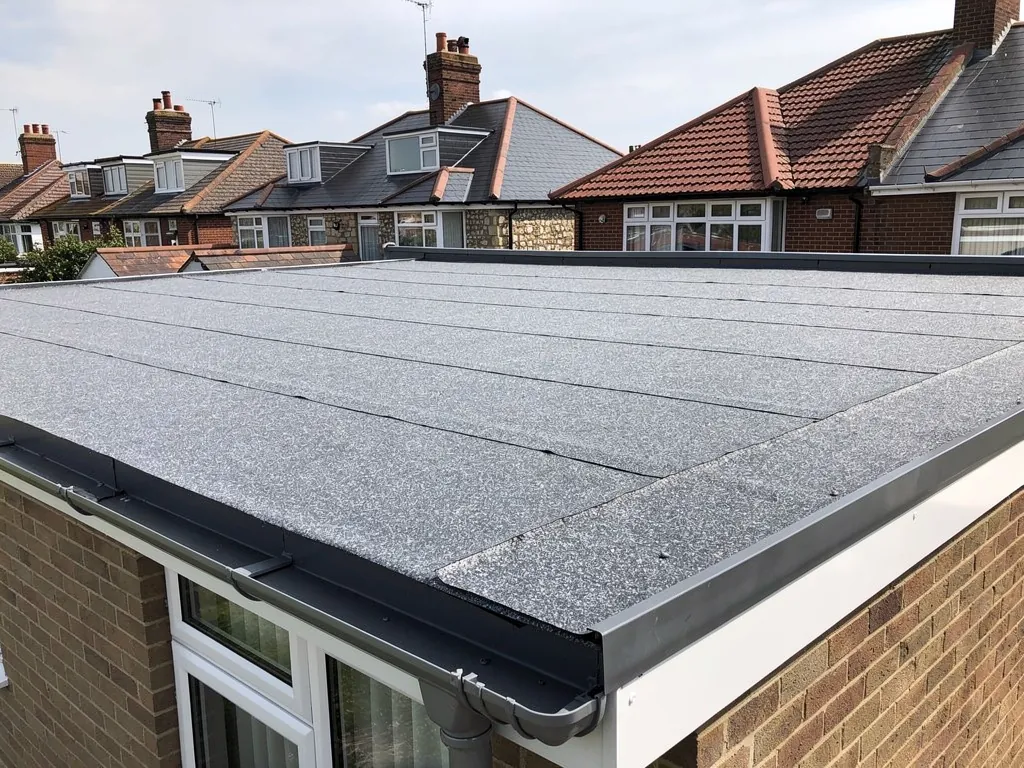
Sheet 03 / 03The old farms around Birdham left behind barns and outbuildings of brick, thatch and weather-boarded timber framing, and many of them have been converted, extended or re-roofed since. Alongside them sit the garages, utility rooms and kitchen extensions every village acquires, and these usually have flat roofs. Flat roofs have to be laid to a slope, called a fall, so rainwater runs off. BS 6229:2025 sets a minimum finished fall of 1:80, and roofers usually design steeper, around 1:40, so the roof still drains once it is finished. On flat ground with open sky, a roof that holds a puddle for days is telling you something.
Two ways to cover a flat roof
EPDM sheet
A single rubber sheet laid over the deck with few joints to leak.
GRP
A glass-fibre layer formed in place, suited to small roofs with awkward shapes.
3.1 How long a flat covering lasts
GreenSpec gives EPDM, a synthetic rubber sheet, an expected service life of 20 to 30 years, and Less (updated March 2026) puts GRP, a glass-fibre reinforced plastic, at 25 to 40 years. These are typical figures, not promises, and edge details, drainage and the deck beneath matter as much as the covering. If a roof is old and patched, we explain whether another repair will hold or the sounder call is a new deck and covering. Our flat roofing page describes the coverings we fit and what moves the price.
3.2 Older sheeting, wildlife and waste
The HSE advice is to treat a building constructed or refurbished before 2000 as holding asbestos until it has been checked, and cement sheeting on an old outbuilding is one place it turns up. Asbestos cement counts as non-licensed work only while it is handled with care and not broken up. Once it is substantially damaged the job becomes notifiable, and the waste travels with a consignment note, so the material is tested before anyone touches it. Barns and old roof spaces can also hold bats and nesting birds, which are protected by law, and if we see signs we stop and tell you first. A conversion that has turned an old barn into a home often leaves a roof that was never designed for the use it now has, with insulation added beneath and ventilation overlooked. We ask how the building is used before we say whether a repair will do.
None of this means a Birdham roof needs replacing. Often the right job is the smallest one that fixes the fault: refix the tiles, renew a flashing, re-seal an upstand, clear the gutter. When it is not, you see why in the photographs, and the written quote follows after the survey.
The roof work we do in Birdham
Frequently asked questions
Questions from the harbour shore of Birdham
How are ridge and verge tiles fixed so they hold on flat, open Birdham ground?
Ridge and hip tiles take clips or screws alongside any mortar bed, because the 2014 revision of BS 5534 stopped treating mortar by itself as enough. Verges get the same attention, and dry-fix kits are tested against BS 8612:2018. We survey the capping first, photograph the weak points and tell you whether a refix or a rebuild is needed.
Do I need permission to change a roof in Birdham, inside Chichester Harbour National Landscape?
Re-covering a roof like for like does not usually need planning permission. Changing the shape of a roof, or adding windows to it, is a different question inside a designated landscape or a conservation area. Chichester District Council's notice for the Somerley Conservation Area names Birdham among the parishes it lies in, so ask the council's planning team whether your address falls inside it.
Can you work on a tiled roof next to a thatched farmhouse like Manhood End?
Yes, on the tiled roofs and the details around the thatch, though not on the thatch itself, which needs a thatcher. We check the flashing and pointing where a stack meets the roof, and the abutment where a tiled extension joins a thatched house. We photograph each junction so you can show the pictures to the thatcher as well.
Is the cement-sheet roof on my Birdham barn safe to leave, or does it need testing?
Anything put up or refurbished before 2000 may hold asbestos, and a test comes before any work. Weathered sheeting that is still whole can be lifted with care, whereas sheeting that has crumbled throws off dust and turns the job into notifiable work. Do not drill, break or pressure-wash it. Have the material tested first, and we will advise on the next step once you know.
Nearby areas
Get a quote
Tell us about your roof
Describe what's happening and we'll call you back.
Loading the enquiry form. You can also call 01243 252373.