
Roofers in Earnley
Flint, red brick and clay tile
Earnley is a small Manhood Peninsula parish where a church, a manor farm and a few cottages gather in flint, red brick and clay tile, on flat ground inland from Bracklesham Bay.

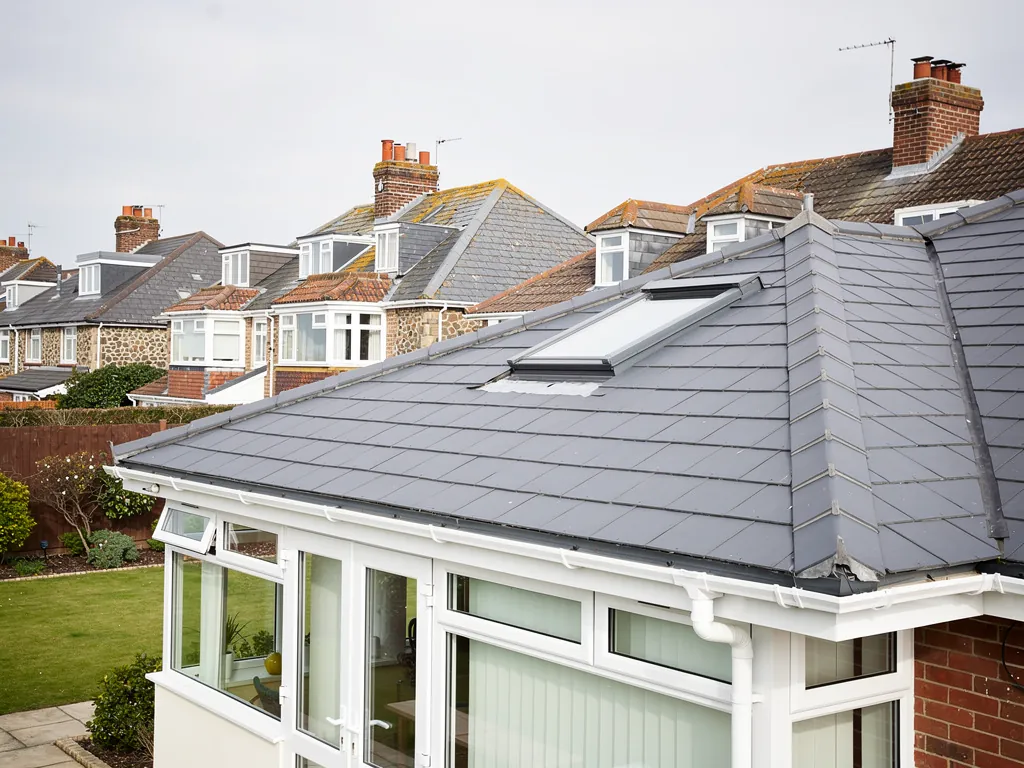
Earnley roofs
Clay tile and flint round the church
-
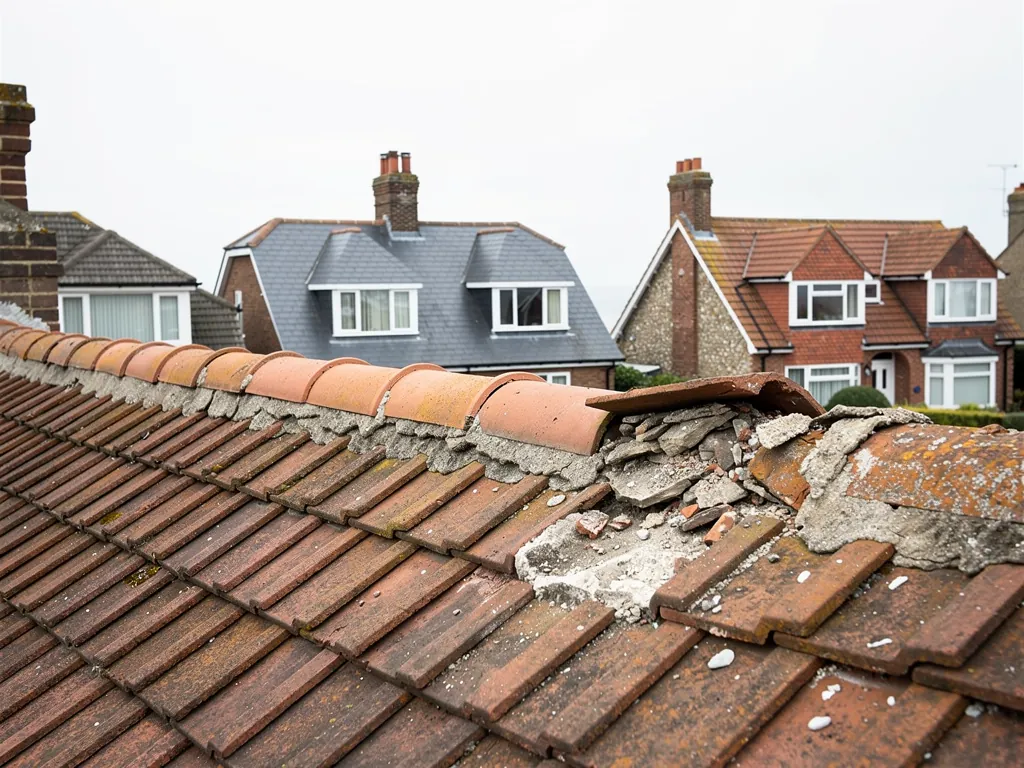
Clay tile in the conservation area
Chichester's appraisal names flint and red brick, with clay tiles for the roofs, as the most prevalent materials in the conservation area. That is a statement about the village centre, and a repair there should keep to it.
-
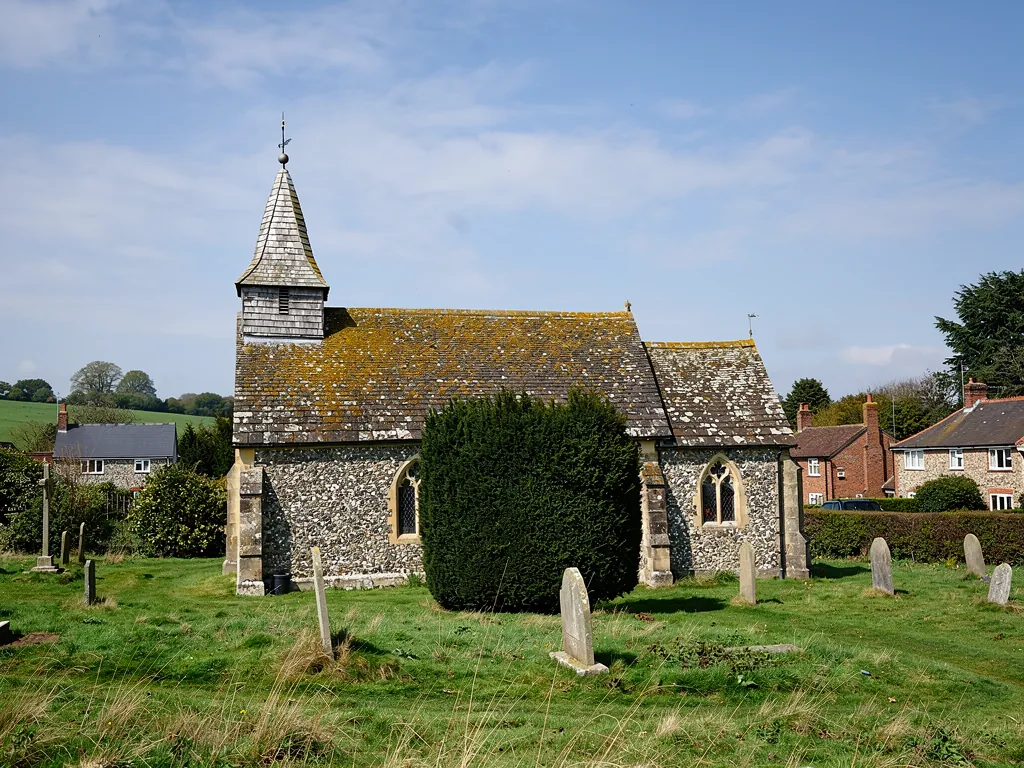
A church with a thatched past
The church has a 13th-century nave and a 14th-century chancel and is roofed with tile. The Victoria County History records that the chancel was thatched until about 1580, so its roof has changed covering before.
-
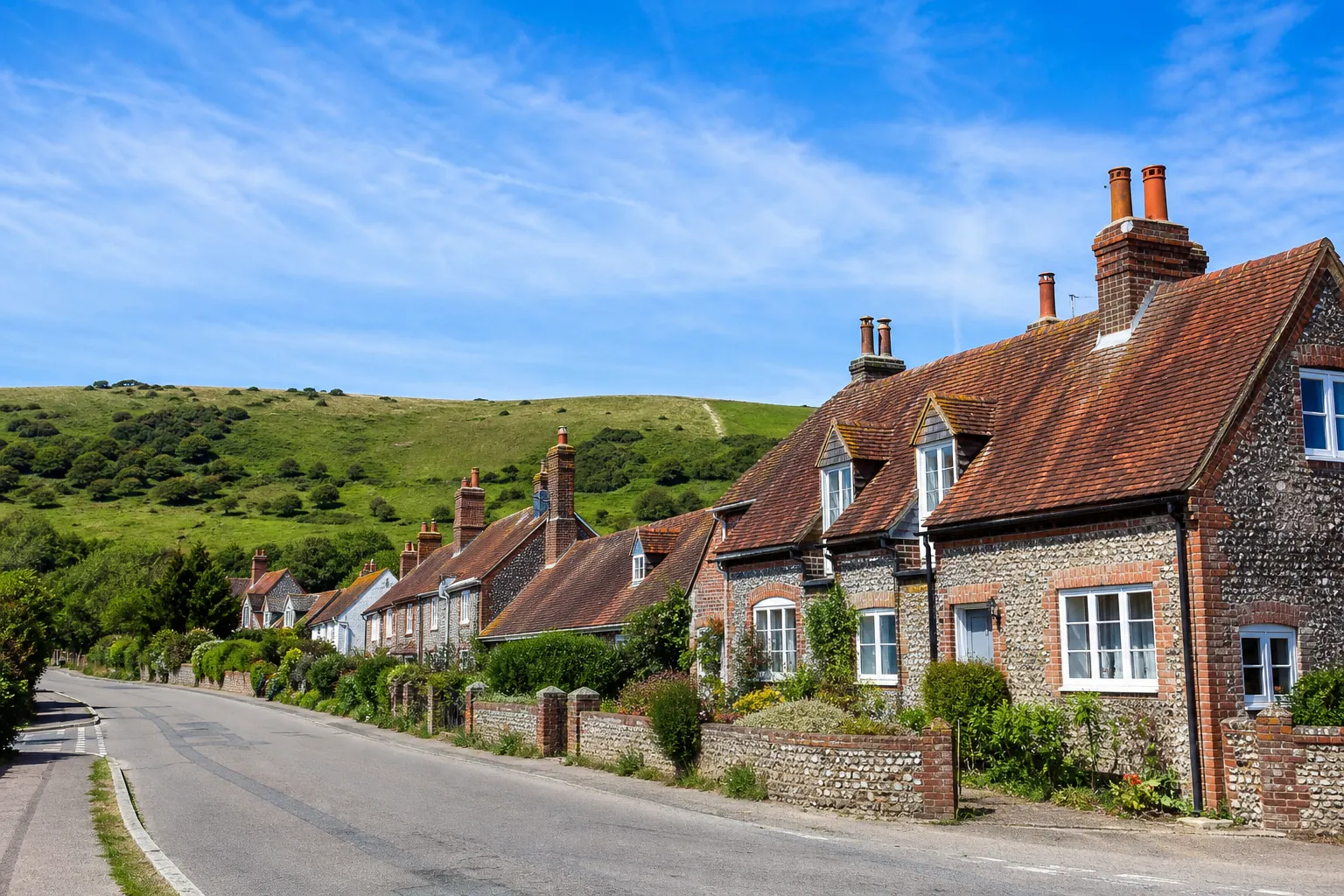
Manor farm and cottages
The church, the manor farm and a few cottages are grouped at the centre of the parish. Nearby Cakeham Manor, in West Wittering parish, keeps a hexagonal brick tower of about 1519 among its older ranges.
Map of Earnley, 11.6 road miles west of Bognor Regis, with the nearest towns we also cover.
Earnley's 1976 boundary on the Peninsula
- Council
- Chichester District Council
- County
- West Sussex County Council
- Conservation area
- Earnley Conservation Area, designated February 1976
- Article 4
- A 2013 notice covers solar PV and solar thermal equipment on houses in the conservation area
- Listed landmark
- K6 telephone kiosk on the green, Grade II
- Distance
- 11.6 road miles west of Bognor Regis, about 24 minutes by car
Peninsula roofs
Clay tile, flat fields and the Broad Rife
Earnley's roofs share three things: a clay tile tradition, open flat ground and a conservation area with its own solar rule.
Chapter 1: Red brick, flint and the church's clay tile2623
Sheet 01 / 03Earnley sits on the very flat Manhood Peninsula, inland from Bracklesham Bay, and the Broad Rife separates the parish from East Wittering. The Victoria County History describes the village centre as a church, a manor farm and a few cottages, and Chichester District Council designated the Earnley Conservation Area in February 1976. In its 2013 appraisal review, the council names flint and red brick, with clay tiles for the roofs, as the most prevalent materials within that area. The church itself is a simple composition of flint pebbles with stone quoins, the dressed stones that mark its corners.
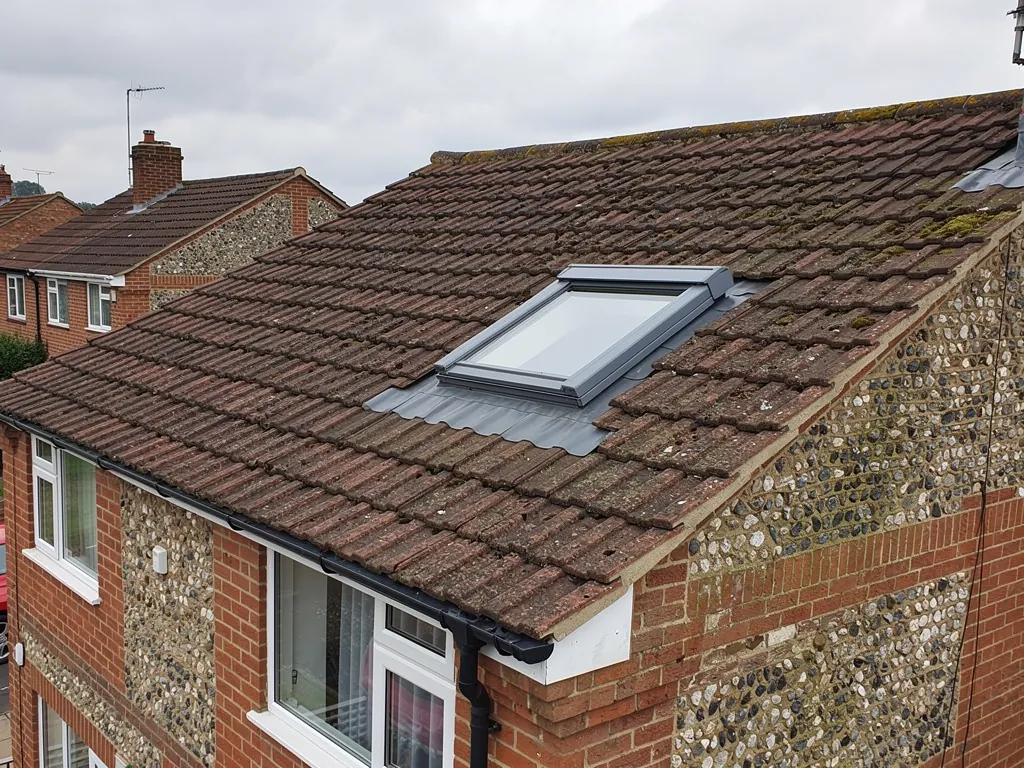
Before re-tiling inside the 1976 boundary
- Match clay tile size and colour
- Test battens for nail hold
- Look at the underlay
- Ask Chichester District Council
1.1 How clay tile ages
Marley cites the Building Research Establishment for a clay tile roof lasting 60 years at the least, and that number is a starting point only. Old hand-made peg tiles, hung from small wooden pegs, do not always follow it. A tile gone soft and flaky at the edges shows from the ground, but the real test lies beneath: whether the battens, the cross-strips of softwood nailed over the rafters, still hold a nail, and whether the underlay, the waterproof sheet under the tiles, has perished. We go up, take pictures of each fault, then give you a verdict: a handful of tiles, or the whole slope.
1.2 Thatch in the church's past
The nave dates from the 13th century and the chancel from the 14th. The county history records that the chancel was thatched until about 1580. That detail is a small reminder that a roof can change its covering without losing its character. Today the church is roofed with tile, and the lesson for a homeowner is practical: a covering that suits the building is better than one chosen only for price. When a repair will no longer hold, the pitched roofing hub sets out the stripping, re-battening and recovering that follows.
1.3 Matching tile in the conservation area
A repair in the centre of the village should use clay tile of the right size and colour. Fitting concrete tile into a clay roof shows from the road for as long as the roof lasts. Before any work we hold a sample against the slope, and we tell you if matching tile will take longer to source. If you want to change the covering altogether, ask the council's planning officers first.
Chapter 2: Flat ground, open fields and the Broad Rife2623
Sheet 02 / 03Land around Earnley is flat, with the Broad Rife marking its boundary with East Wittering and the sea a short distance away at Bracklesham Bay. A roof on open, level ground has little to shelter it, and gales and driving rain meet it directly. On a site like that, the weak points are the ones the wind reaches first: ridges, hips and verges, and they are where a survey begins after any gale.
Two ridge fixes on an exposed roof
Rebed only
Fresh mortar under the same ridge tiles, which the 2014 revision no longer treats as enough alone.
Rebed and fix
Mortar bed with mechanical fixings or a dry-fix system, so the ridge is held as well as bedded.
2.1 Ridges, hips and verges
Three names are worth knowing. The ridge is the capping that runs along the top. Hips are the sloping outer corners, and verges finish the roof where it stops at a gable wall. BS 5534, revised in 2014, no longer lets a bed of mortar stand alone as the fixing for ridge and hip tiles, so every one of them also gets a screw, clip or dry-fix system. Fixing is set by tile type and by site, and Marley's wind guidance cautions that a pitch under 30 degrees leaves the windward slope open to severe suction. For an Earnley owner the useful point is plain: an old bedded ridge deserves a look after a gale, and one rebuilt with proper fixings looks no different from the road. Our ridge tile repairs page covers the work.
2.2 Flat roofs on extensions and garages
A flat parish with farm buildings, bungalows and extensions will have its share of flat-roofed additions. BS 6229:2025 keeps a minimum finished fall of 1:80, and roofers usually design for around 1:40 so the finished surface still drains. Standing water that lingers for days points to a fall problem, and recovering the roof without correcting the fall repeats the fault. We look at the deck, the fall and the edge trims together before suggesting a patch or a new covering, and our flat roofing hub explains the coverings. A garage roof on a farm plot gets the same treatment, with one extra check: if it was built or refurbished before 2000, the HSE says to assume asbestos until it is tested.
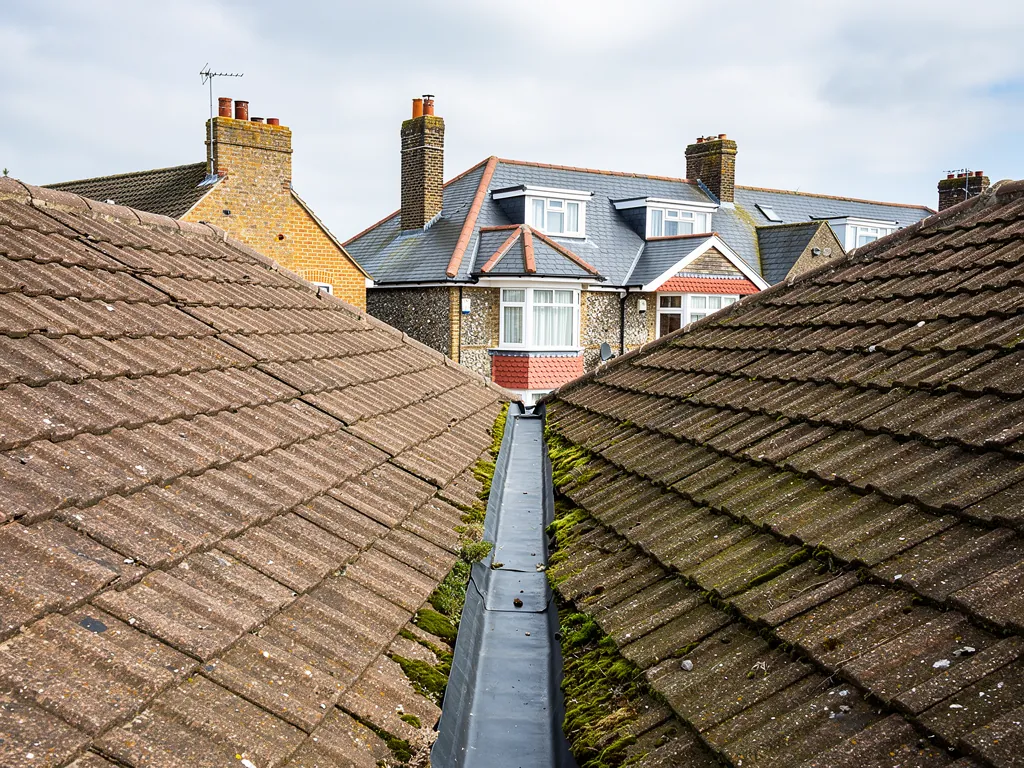
2.3 Gutters on a flat horizon
Rain has to go somewhere. Gutters need a gentle slope towards the outlet, roughly 1:600 to 1:350 depending on the system according to manufacturers' guidance, with brackets close enough that a full run does not sag. A sagging run holds water and spills at its low point, and the spill tends to run down a flint wall. Cleaning, re-aligning and re-fixing it is a small job that protects larger ones, and on a flat horizon with few trees to catch the rain it matters just as much as on a hillside.
Chapter 3: Cakeham Manor, solar panels and the 2013 notice2867
Sheet 03 / 03Cakeham Manor lies nearby in West Wittering parish, with a hexagonal brick tower of about 1519 and a site that began as a medieval bishops' house. For a homeowner the point is simple: a listed building nearby does not change the rules for your own house, which turn on whether it is listed itself and whether it sits inside the conservation area.
Solar and the conservation area
A 2013 notice covers solar PV and solar thermal equipment on houses inside the boundary, so ask the district council before any panels go on.
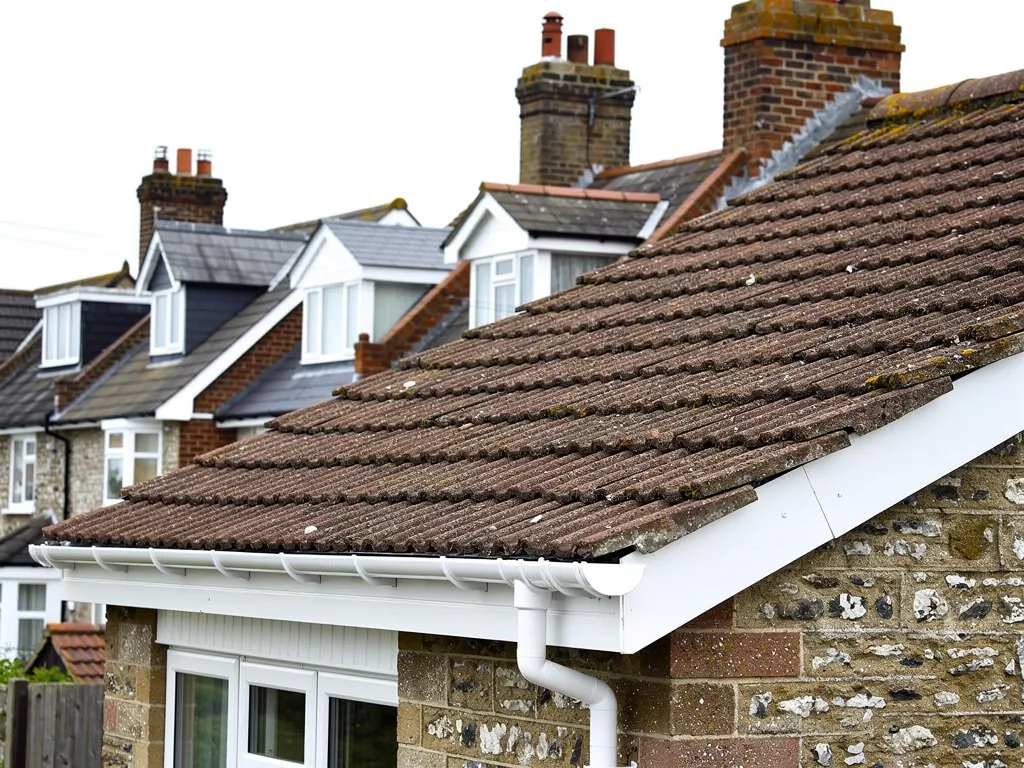
3.1 Solar panels in the conservation area
In a notice dated 15 August 2013, Chichester District Council gave notice of an Article 4 direction for houses in the Earnley Conservation Area. It covers the installation, alteration or replacement of solar PV or solar thermal equipment on a dwellinghouse, a block of flats or a building in its grounds, for all houses in the area. Put simply, panels on a roof inside the boundary are something to raise with the council before you order a system. Ask at the same time what else applies to your address, since a direction can cover more than one subject.
3.2 A new covering and the Building Regulations
Building control is not normally engaged when under 25 per cent of the total building envelope and under 50 per cent of the roof is affected, says the Planning Portal. A much heavier covering brings it in, and the Portal's marker is a covering 15 per cent heavier or more. In Earnley the body is Chichester District Council, and planning is the council's own as well, since the parish lies outside the South Downs National Park.
3.3 Dormers and roof windows
Roof windows and dormers are treated differently inside a conservation area, and our guide to skylight planning permission explains the planning side. For repairs, the useful step is to send us photographs and the address. We tell you whether the house sits inside the boundary and how that changes the first call to the council. The quote that follows is written, with one total price, and the survey photographs show the roof as we found it.
Houses near the green and the farm stand close together, so scaffold, skips and deliveries need planning with the neighbours. A short word before work begins, and a clear idea of where the skip will stand, saves a good deal of friction in a small parish. It also helps to tell us about any track, gate or verge that a delivery lorry has to cross, since a heavy vehicle on soft ground can leave marks that last a season, and a roof job should not leave a rut at the end of the lane. We ask the same of every site: it is cleared at the end, and the waste is taken away.
From ridge to gutter in Earnley
Frequently asked questions
Questions from the green to Bracklesham Bay
Should the clay tiles on an Earnley cottage be replaced with concrete tiles when the roof wears out?
Clay is the tile the council's appraisal names for the conservation area, so a like-for-like clay repair is the safest path. A concrete tile in its place changes the look and may need a word with Chichester District Council first. We photograph the battens and underlay, tell you whether the existing tile can be reused, and write the quote as one total price.
Can I put solar panels on my Earnley house roof inside the conservation area?
A 2013 Article 4 notice covers solar PV and solar thermal equipment on houses in the Earnley Conservation Area, so ask the planning team at Chichester District Council before you order anything. If you also need roof work, tell us first. We can repair or re-cover the slope and leave the panels as a separate decision for the council.
Why do ridge tiles work loose on the open ground round Earnley?
Wind reaches a ridge on flat ground with little to slow it, and an old ridge held only by mortar can crack and loosen. Since BS 5534 was revised in 2014, the fixing of ridge and hip tiles has included screws or clips on top of the bedding. We test each tile by hand, photograph any that move, and rebuild only what has failed, which keeps the job as small as it can be.
Is Earnley in the South Downs National Park, and does that change who handles a roof application?
No. Earnley lies on the flat Manhood Peninsula, outside the National Park, so planning and building control both sit with Chichester District Council. The conservation area, and not the Park, shapes the roof rules here, so ask the council if your address falls inside the 1976 boundary before you plan work.
Nearby areas
Get a quote
Tell us about your roof
Describe what's happening and we'll call you back.
Loading the enquiry form. You can also call 01243 252373.