
Roofers in Cocking
Flint, tile and stone slate below the Downs
Cocking sits below the South Downs at the head of Cocking Gap, and its Grade I church shows the local mix: flint and sandstone walls under tile, with stone slates on the tower.
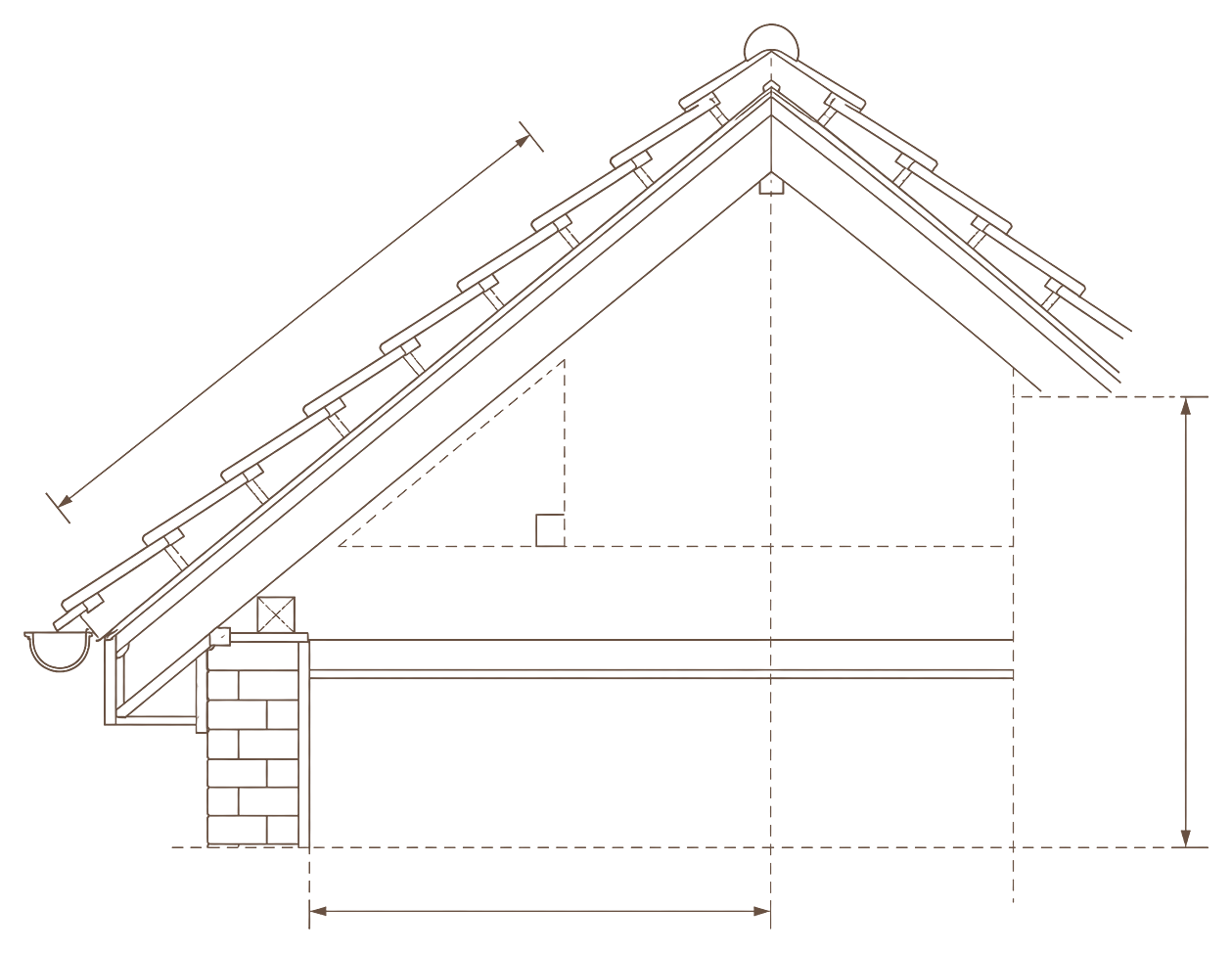
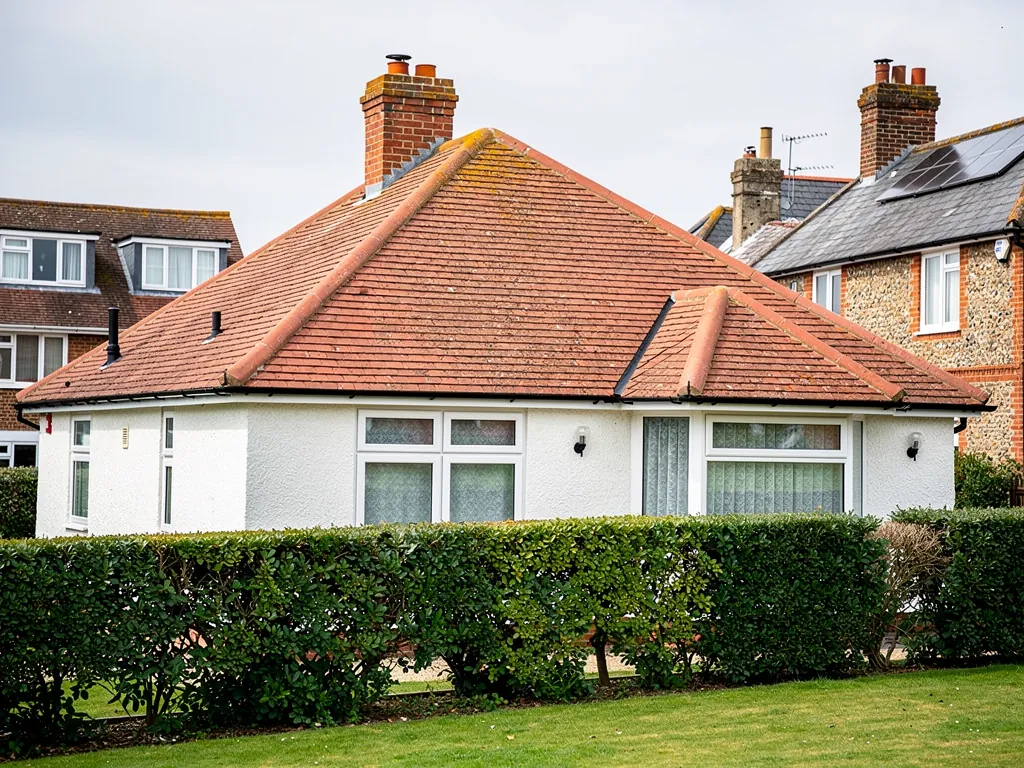
Cocking roofs
From the Grade I church to the Manor House
-
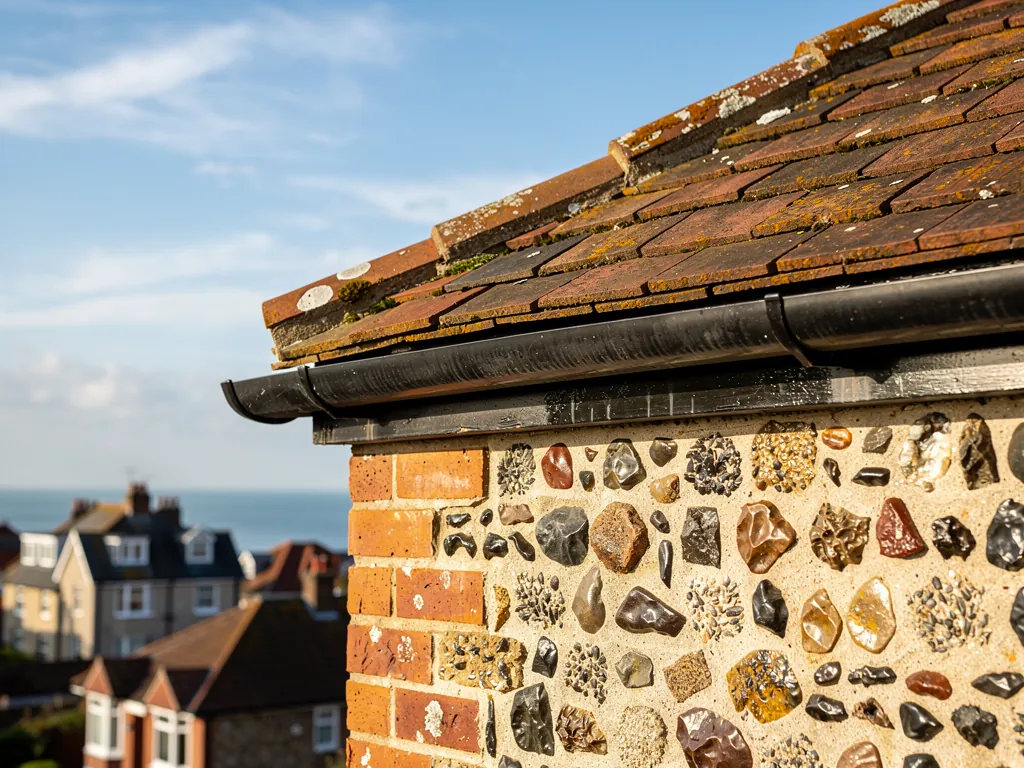
Flint walls under tile
The parish church is flint with Henley sandstone dressings, and its roofs are tile apart from the tower. Where a tiled slope meets a flint wall, the flashing and the mortar joint beside it take the wear.
-
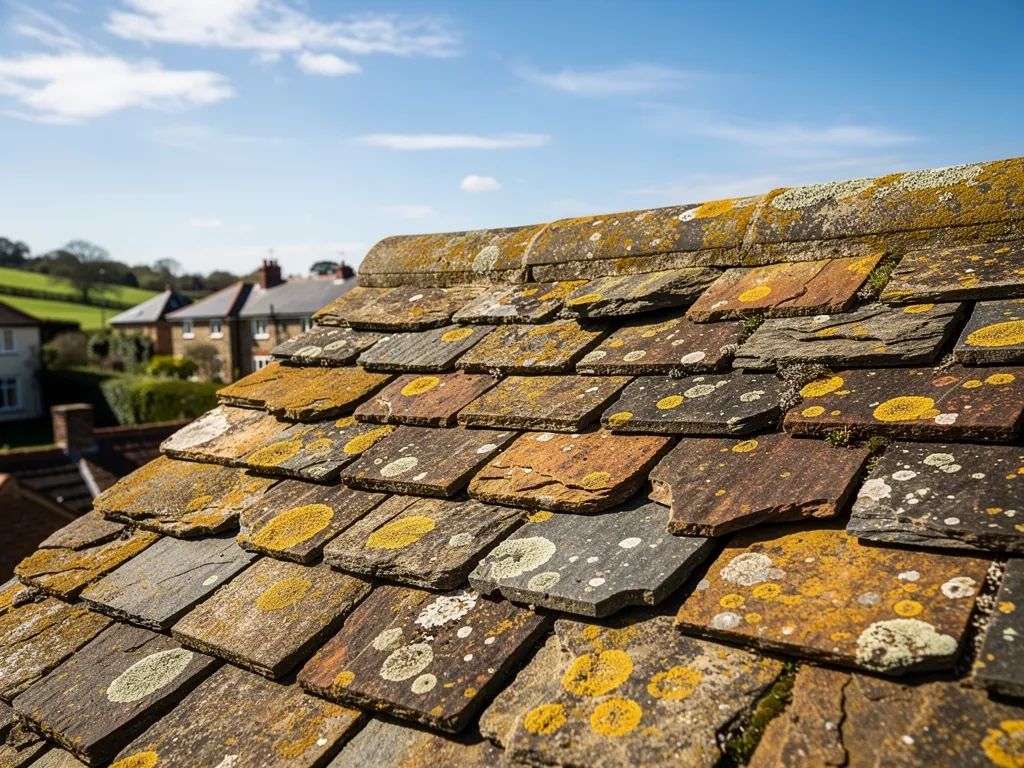
A tower in stone slate
The tower is local malm rock, plastered, and unlike the nave it carries stone slates. Natural stone is thick and heavy, so the timbers beneath a roof like that matter as much as the covering above them.
-
A medieval manor house
The Manor House, north-west of the churchyard, is of medieval origin, probably 15th-century. A building of that age has been patched many times, so a survey reads the old repairs and the roof timbers before anything is priced.
Map of Cocking, 14.3 road miles north of Bognor Regis, with the nearest towns we also cover.
Cocking and the National Park
- Council
- Chichester District Council
- Planning
- South Downs National Park Authority
- County
- West Sussex County Council
- Conservation area
- Cocking Conservation Area, among the Chichester district maps on the South Downs National Park Authority's site
- Article 4
- None listed for Cocking on the National Park Authority's Article 4 page
- Listed landmark
- Cocking Church, Grade I
- Distance
- 14.3 road miles north of Bognor Regis, about 23 minutes by car
Cocking notes
Gap, church and Manor House
Three things shape a roof job here: the age of the buildings, the steep approach roads and the rules that come with the National Park.
Chapter 1: Cocking Church and the old roofs around it2562
Sheet 01 / 03Cocking had a church by 1086, and the building standing today is listed Grade I. The Victoria County History describes it as flint with ashlar dressings (the cut stone at corners and openings), with Henley sandstone for the dressings, and tile on every roof except the tower's. The tower is built of local malm rock and plastered, and it is covered in stone slates. One building therefore shows flint, sandstone, tile and stone slate within a few metres, which is a useful reminder that two roofs a hundred yards apart in this village can need quite different repairs. We never price from the street. We go up, photograph what we find, and say what the roof needs. The same care applies to the cottages and farm buildings around the churchyard, where the aim is to match what is there, not to modernise it.
Before work on an old flint building
- Name the covering first
- Read the flint joint
- Check the timbers' load
- Search the list for any entry
1.1 Where tile meets flint
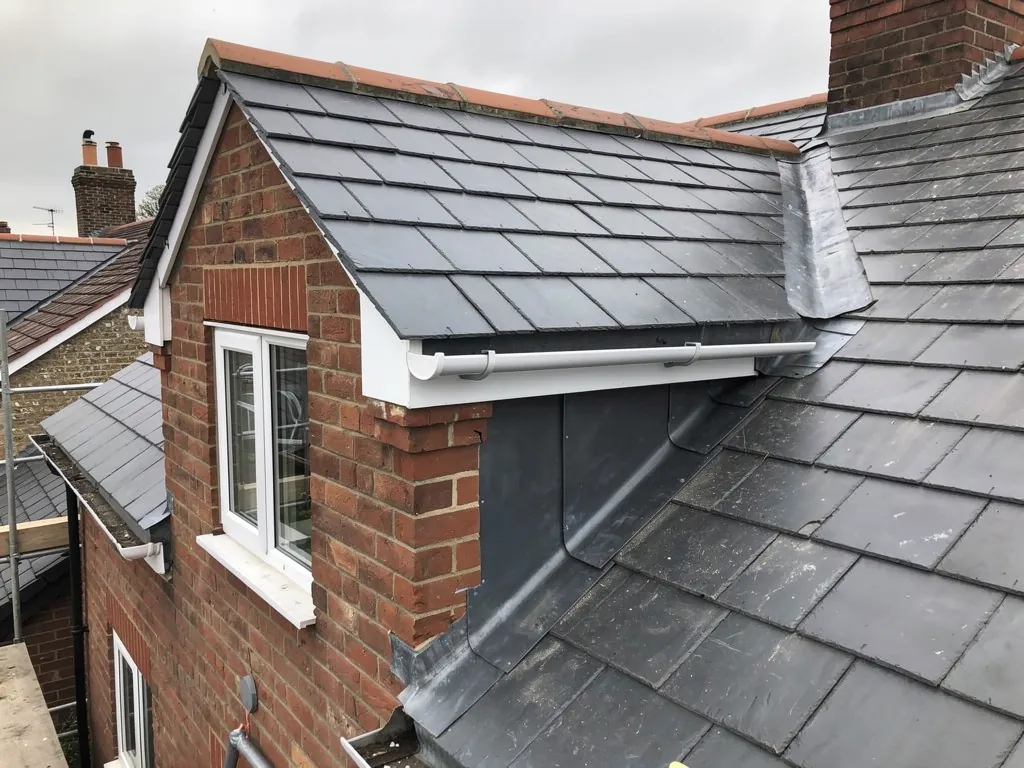
A flint wall is rubble set in mortar, and it weathers and moves differently from a tiled slope. The weak point is the line where the two meet. At a gable or beside a chimney, rain runs down the face of the wall and into the junction, so the roof needs a lead flashing: a strip let into the wall and bent down across the tile edges. On flint that strip goes into a raked-out mortar joint and is pointed over, rather than being glued on with sealant that peels within a few winters. When a stain appears on a bedroom ceiling next to such a wall, the lead is among the first places we look, and the fix is often a repair rather than a new roof. Our lead roofing and leadwork page sets out the lead codes and what each is used for.
1.2 Stone slates and the timbers beneath
Stone slates are cut from natural stone and hung on pegs or nails from battens (the narrow timber laths that carry the covering). They are heavy, and a slipped one is replaced with a matching slate, not a lighter lookalike. Changing to a very different covering is a bigger decision. The Planning Portal puts the line at a new covering 15 per cent heavier or more than the old one, where building control gets involved, so a structural check comes before any switch. A parish church in use under the Church of England is outside listed building consent and follows the faculty route instead, though that exemption does not remove the need for planning permission for work that alters how the exterior looks. For a private house that is listed, the list entry comes first and the quote second.
Chapter 2: The gap, the hill and getting a scaffold up2623
Sheet 02 / 03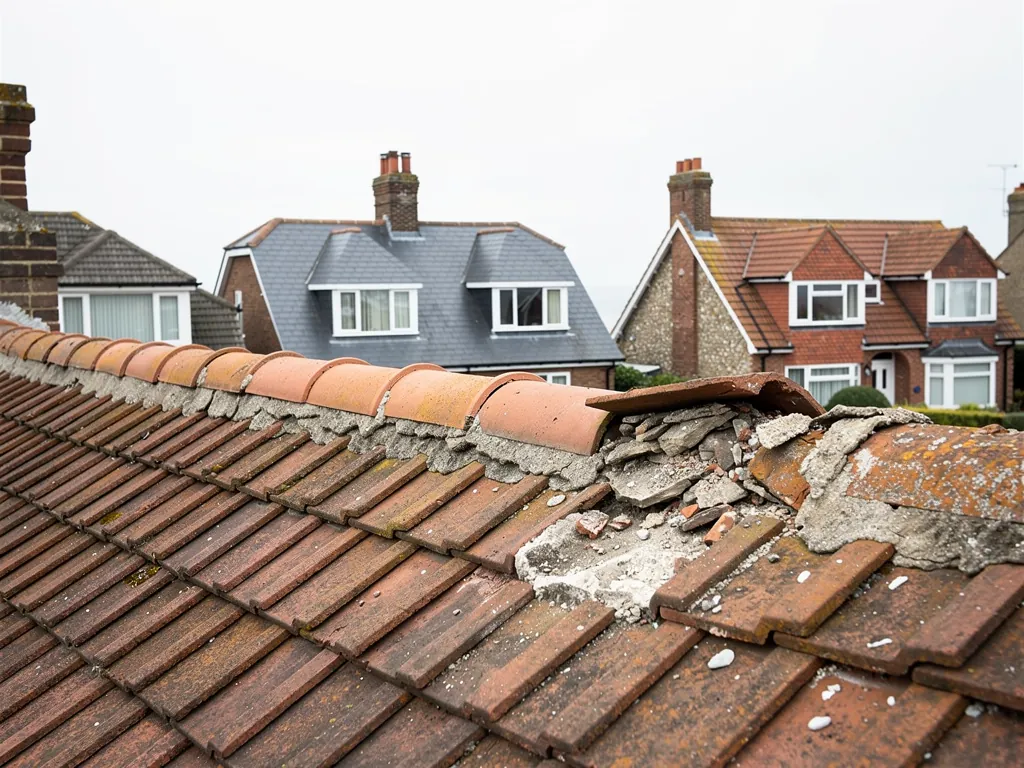
The Chichester to Midhurst road runs through Cocking Gap and drops steeply from Cocking Hill into the village, which lies at about 200 feet on the north side of the South Downs. Cocking Station, on the Southern Railway's Chichester to Midhurst branch, stood just west of the village. Today the road through the gap is how everyone arrives, a scaffold lorry included. That setting changes how a roof job is planned in two ways: where the scaffold can stand, and what the weather does to a roof sitting under a steep slope.
A Cocking job from call to clear-up
- 1SurveyWe climb up, photograph the faults and agree what the hill and the road allow.
- 2LicenceWhenever poles reach the highway, the licence comes from West Sussex County Council.
- 3ScaffoldBoards and edge protection go up once the licence is in hand.
- 4Roof workRepairs or relaying follow the written quote, with ridges and verges mechanically fixed.
- 5Clear-upThe site is swept, and waste goes away with us.
2.1 Steep approaches and the scaffold licence
Where a scaffold stands on the highway or overhangs it, the scaffold firm has to hold a licence under section 169 of the Highways Act 1980. West Sussex County Council asks for a minimum of 10 working days' notice from the date of application, and its published fee for a one-month scaffold licence is £266 (page updated 27 July 2026). That lead time is why a planned re-roof in Cocking is booked ahead and sequenced around it, and you should confirm that any quote you receive includes VAT and scaffolding. A leak is different. We make a leaking roof safe first, with a temporary covering, and plan the proper repair afterwards. Narrow verges and a steep road also decide where materials are unloaded and how skips are positioned, which we look at on the survey visit rather than on the day.
2.2 A village under a steep slope
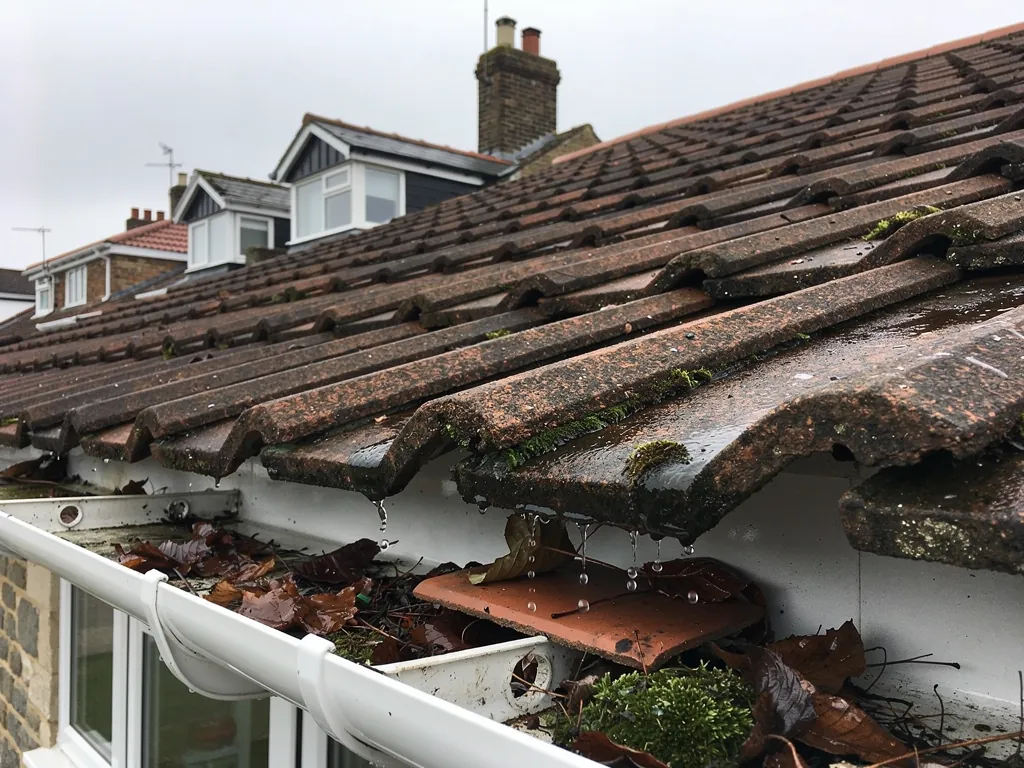
Wind figures for a particular lane mean little until someone has looked at the roof itself, so the better question is how a roof should be built if it faces open weather. Marley's guidance notes that where a pitch is below 30 degrees, the windward slope can face severe suction. The answer is in the fixings. BS 5534 was revised in 2014. Ridge and hip tiles are now screwed or clipped as well as bedded, because mortar alone is no longer relied on. The verge is the gable-end border of a tiled roof, and the wind finds it first. If you can see a ridge tile sitting proud, a verge with a gap in the mortar or a tile on the lawn, send us photographs and we will say whether it is a patch or a bigger job. On the pitched roofing page you can see how a slope is taken off, re-battened and put back.
Chapter 3: Park rules, the conservation area and old houses2928
Sheet 03 / 03Cocking is inside the South Downs National Park, and the village has a conservation area on the Park Authority's Chichester district maps. Both facts change who you talk to before a roof job, though neither one stops ordinary repairs. Most of what we do here is routine: refixing tiles, renewing lead, cleaning out gutters, mending a ridge. The planning side only becomes important when a job changes how the building looks or when the building is listed.
Three kinds of Cocking roof job
- RepairSlipped tiles, worn lead and loose ridges put right without changing the roof's look.
- Like for likeA covering renewed in the same material, usually with no planning application.
- Consent firstListed houses, a change of material or new roof windows go to the council first.
3.1 Who decides in Cocking
The National Park Authority is the planning authority for the Park, but in the Chichester part it has handed day-to-day applications to Chichester District Council, which handles them on its behalf. Building control stays with Chichester District Council as well. Putting back the same covering normally falls outside the definition of development, since the building looks no different afterwards, with caveats for listed buildings and for any Article 4 direction. The Authority's Article 4 page lists none for Cocking. Rules change, so put your question to the council's planning team before altering a roof, and do it early if the house is old or you plan a different material.
3.2 The Manor House and other old frames
The Manor House, north-west of the churchyard, is of medieval origin, probably 15th-century, and a house of that age carries several centuries of repairs. According to the Park Authority, routine maintenance and small in-place repairs that match what is already there need no listed building consent, while works that would alter a listed building's character do. We read the list entry before we quote anything beyond a repair, and we tell you in the written quote which of the two your job is. In an old house the roof timbers, the wall plates (the beams along the tops of the walls) and any lime mortar are part of the building's fabric, and a modern membrane or a heavy tile can upset them.
3.3 Roof windows and extra insulation
A re-roof can bring a thermal upgrade with it. Where more than half of the roof's surface is renovated, Approved Document L 2021, Table 4.3, has a roof worse than 0.35 W/m²K brought up to 0.16 W/m²K, and Table 4.2 asks for a new roof window at 1.4 or Band B. From 24 March 2027 the 2026 edition's Tables 3.3 and 3.2 take over with the same values. If you are weighing up a roof window inside the Park, read our guide to skylight planning permission first. A roof inspection with photographs is the sensible first step before any of this.
Roofing services in Cocking
Frequently asked questions
Questions from Cocking Hill to the churchyard
Can a stone slate roof like the one on Cocking's church tower be patched, or does it need relaying?
It depends on the pegs, nails and battens, not the stone. Natural stone slates often outlast the fixings holding them, so a few slipped slates can be rehung with matching ones. Where the fixings are tired across an entire slope, relaying and reusing the sound slates is the better repair. We photograph each fault before saying which, and you get the written quote after the survey.
Does a flint wall like those around Cocking's churchyard change how the roof beside it is repaired?
It changes the flashing, not the whole job. Lead should be set into a raked-out mortar joint in the flint and pointed, so water cannot run behind it. A flashing stuck on with sealant tends to lift as the wall moves. If the flint itself is loose, that is a bricklayer's repair, and we tell you that instead of hiding it under a new covering.
Do I need a licence for scaffolding on the road down from Cocking Hill?
If the scaffold stands on the highway or overhangs it, yes: West Sussex County Council issues the licence under the Highways Act, with a minimum of 10 working days' notice. A scaffold wholly inside your own boundary is a different matter. We check the footprint at the survey, so you know before booking whether the lead time applies.
Does Cocking's conservation area stop me re-roofing in the same material?
Not by itself. Renewing a covering in the same material does not normally count as development, and the National Park Authority's Article 4 page lists none for Cocking. Listed houses are the exception: works that would change their character need listed building consent. Confirm with Chichester District Council's planning team, which handles applications here for the Authority, before changing the material or the look.
Nearby areas
Get a quote
Tell us about your roof
Describe what's happening and we'll call you back.
Loading the enquiry form. You can also call 01243 252373.