
Roofers in Findon
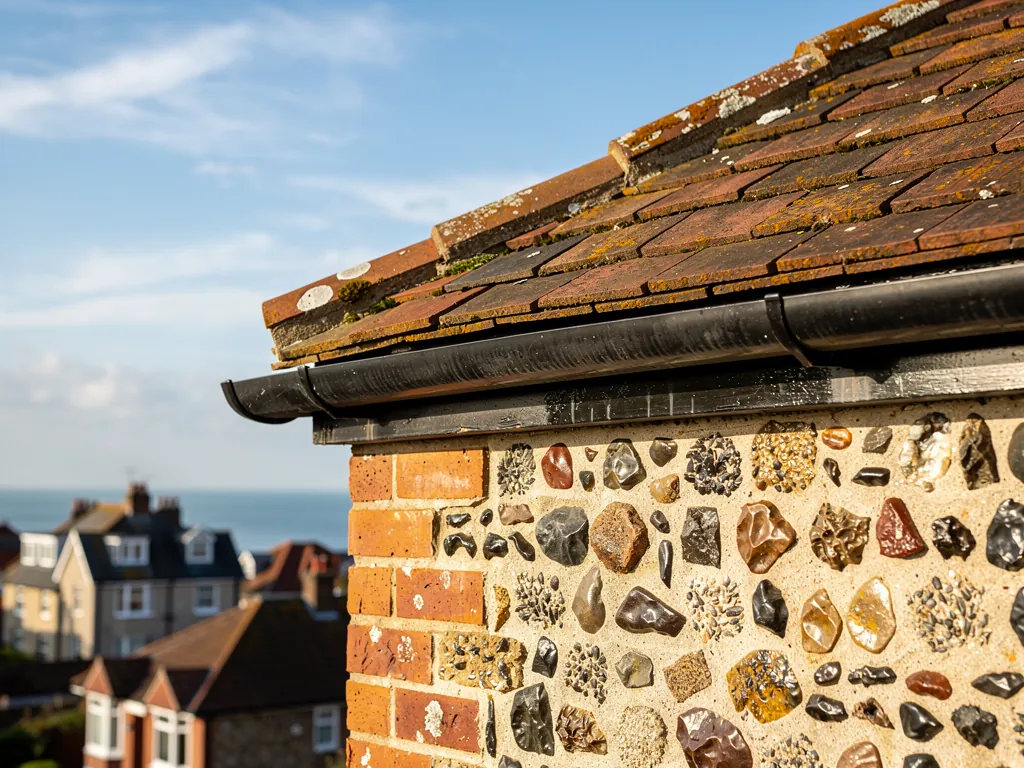
Flint cottages, Horsham stone, the Square
Findon's roofs stand in a wind-gap through the South Downs, on chalk: flint and brick houses with some render, a Horsham stone rectory roof, and two conservation areas around The Square and the sheep-fair green.

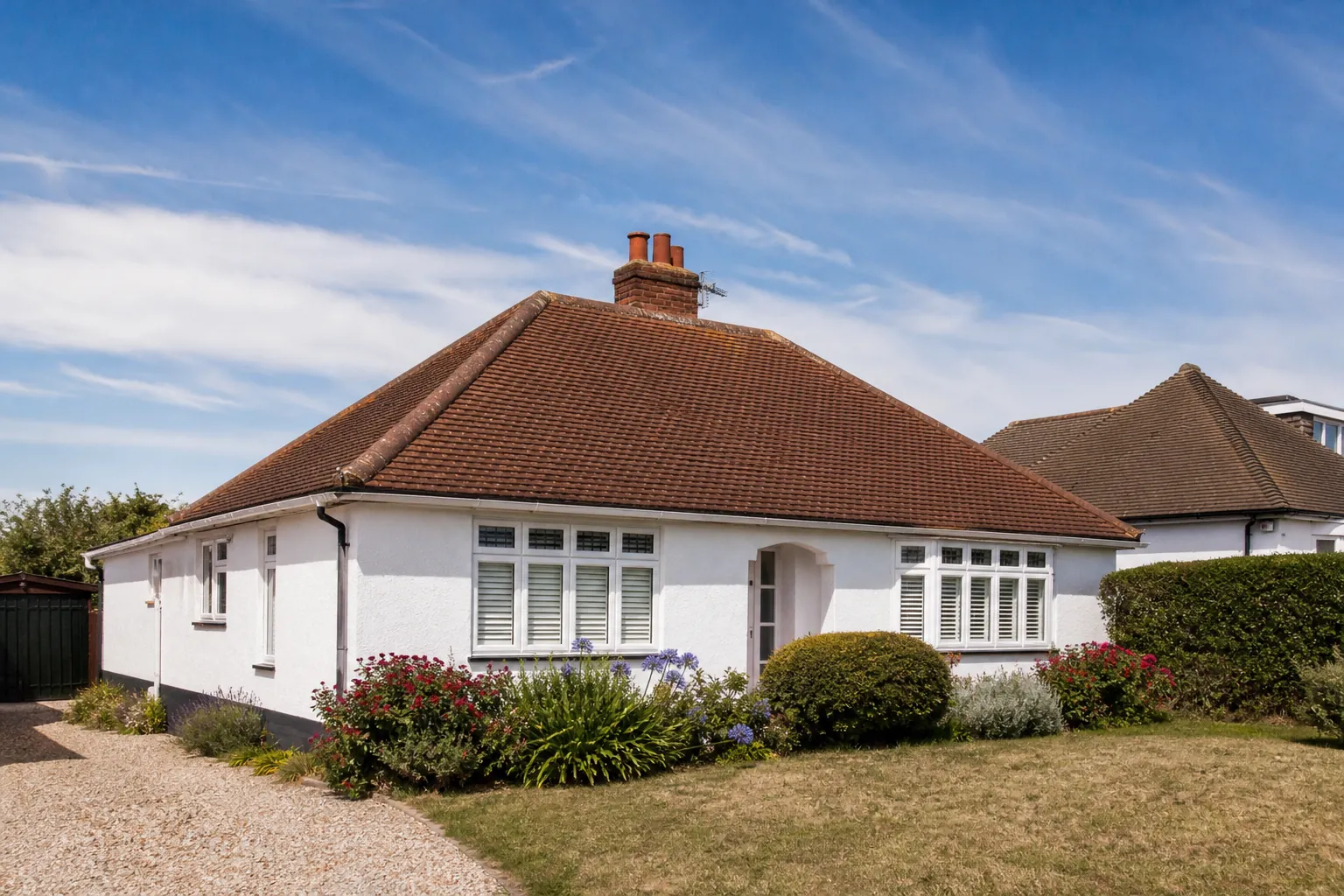
Findon roofs
Flint, brick and Horsham stone on the chalk
-
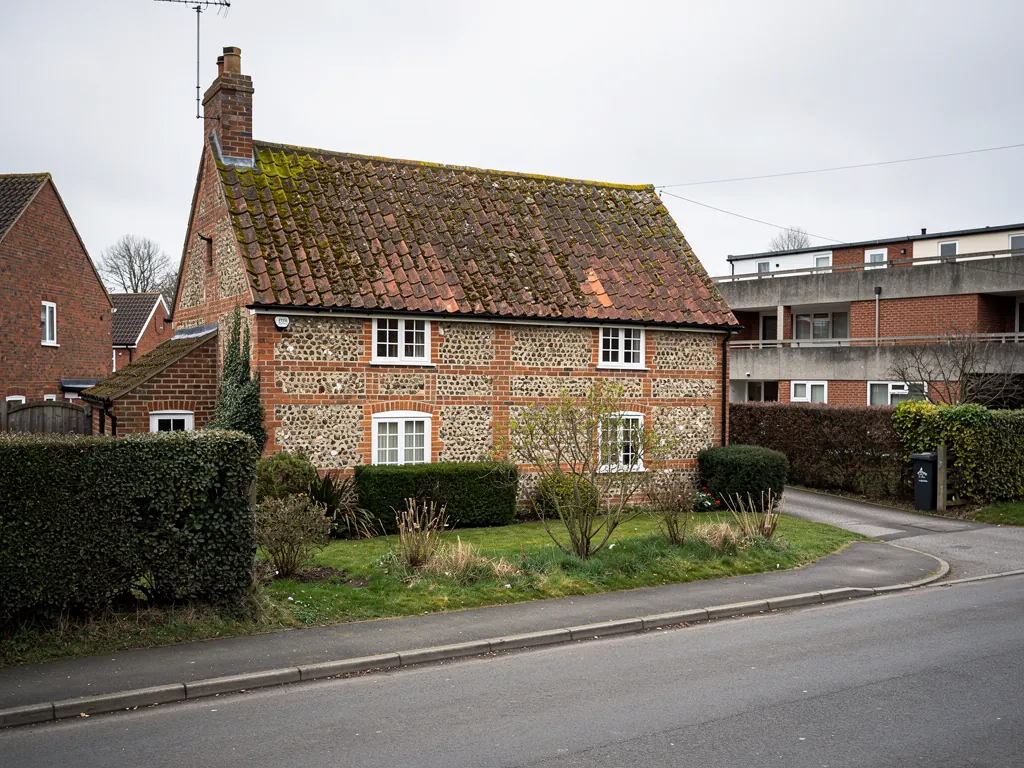
Flint and brick with render
The county history records that most of the older buildings of the village are of flint or brick, with some rendering, and that the church of St John the Baptist is flint with stone dressings.
-
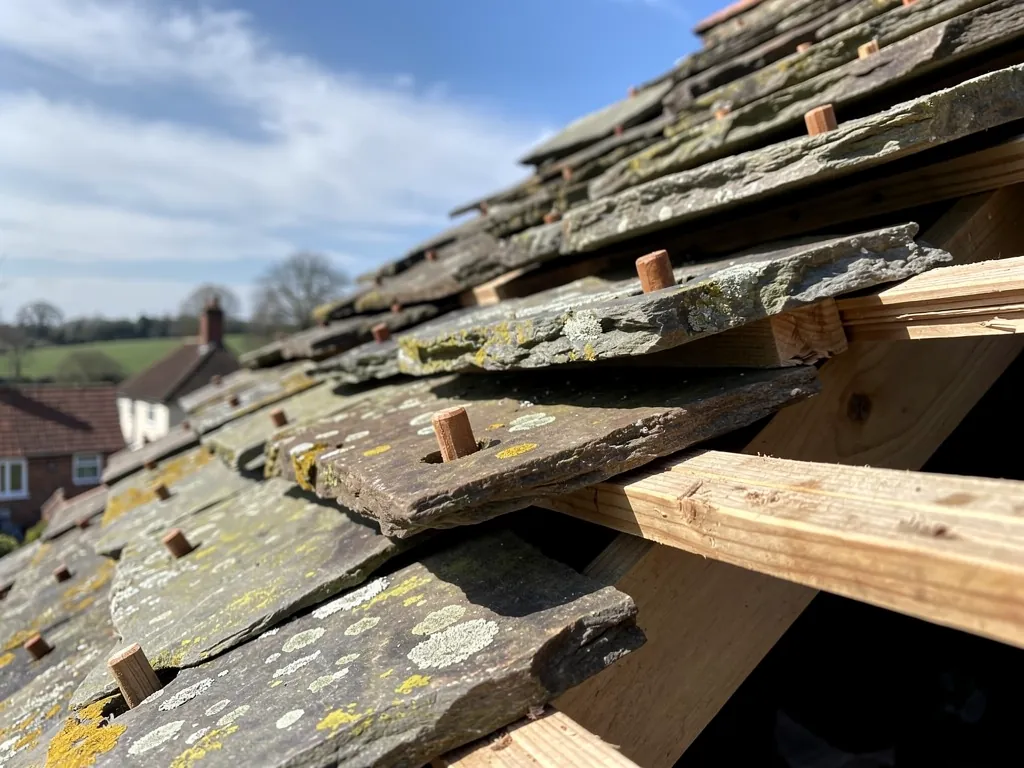
A Horsham stone rectory
The rectory house is flint and brick and roofed in Horsham stone, with a central part said to date from 1584. Stone slabs of that kind are heavy, and they need a roofer who knows how they are laid.
-
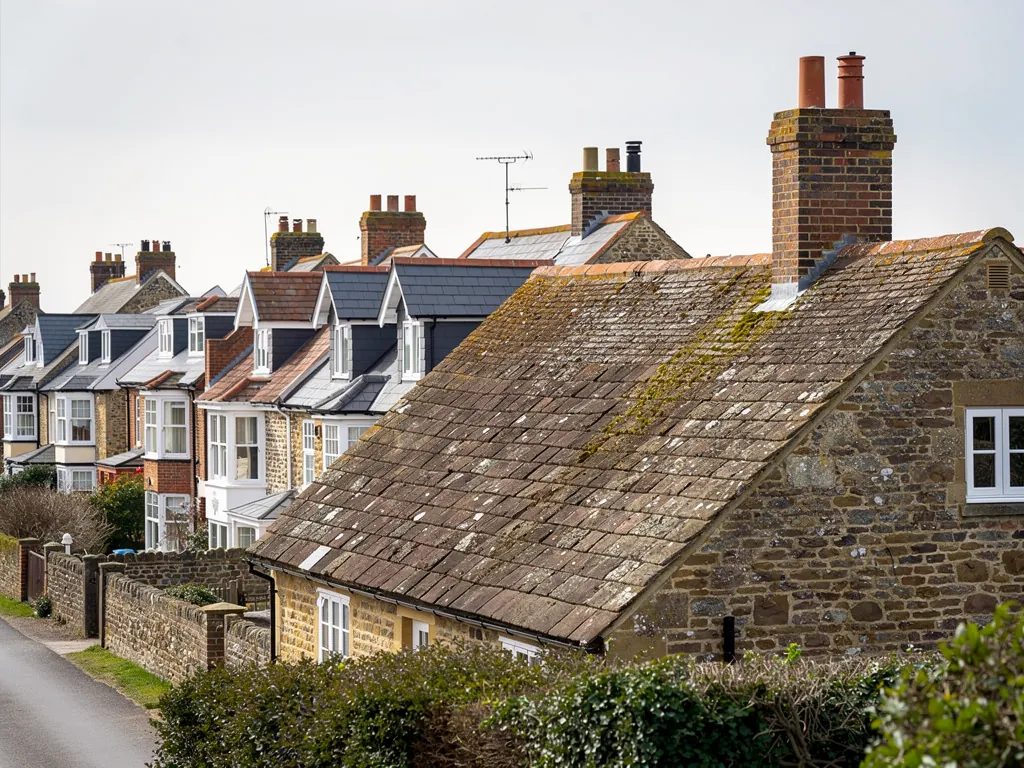
The Square and the sheep-fair green
Findon Conservation Area is centred on The Square, where the 17th-century timber-framed Gun Inn stands. The sheep-fair green at Nepcote has a conservation area of its own, and both lie inside the National Park.
Map of Findon, 17.6 road miles north-east of Bognor Regis, with the nearest towns we also cover.
Two conservation areas in the National Park
- Council
- Arun District Council
- Planning
- South Downs National Park Authority
- County
- West Sussex County Council
- The Square
- Findon Conservation Area, designated March 1986
- Sheep-fair green
- Nepcote Conservation Area, designated 9 March 2023
- Parish church
- St John the Baptist's, Church of England, Grade I
- Distance
- 17.6 road miles north-east of Bognor Regis, about 26 minutes by car
Downs gap
The Square, Nepcote and a stone roof
From the village square to the sheep-fair green and the old rectory, Findon asks something different of a roof in each corner.
Chapter 1: The Square, the Gun Inn and the 1986 boundary2745
Sheet 01 / 03Findon parish is famous in the county for its sheep fair and for race-horse training, and it straddles a wind-gap in the South Downs, lying entirely on the chalk. The village centre is a conservation area designated in March 1986, centred on The Square, where the 17th-century timber-framed Gun Inn stands. The county history says that most of the older buildings of the village are of flint or brick, with some rendering. For a roofer that mix is a checklist of junctions, because a slope has to be sealed against flint, against brick and against render, and each of them behaves differently when water finds a gap.
Inside the 1986 boundary
- Find the boundary on the SDNPA map
- Check for a list entry
- Photograph wall junctions
- Ask the SDNPA before changing material
1.1 Where a roof meets flint, brick or render
Flint is irregular and hard, so a lead flashing, the strip of sheet metal that shields the meeting of slope and masonry, is let into the joints and folded down over the covering. Brick is easier to chase. Render needs the most care of the three, because it cracks along the line where the lead enters it, and then water runs behind the coat instead of off it. We look at the wall for those cracks before looking at the slope. The same goes for chimneys. MyJobQuote's guide, updated on 22 September 2026, gives £350 to £460 for a full replacement of the lead round a chimney without scaffold and £700 to £920 with it, typical UK figures that only a survey can turn into a real price. If you are weighing lead work, our lead roofing and leadwork page sets out the codes and where each is used.
1.2 Timber-framed neighbours
Around a timber-framed building a roof leak does its damage quietly. Water follows a rafter or a wall plate and reaches the frame long before a stain shows inside, so wherever the roof meets old timbers we check them and put what we find in the survey. A failed flashing is cheaper to cure than a rotted plate, which is the reason to look early. Scaffold in the village street is licensed by West Sussex County Council under section 169 of the Highways Act 1980, with a minimum of 10 working days' notice, and your roofer can tell you who makes the application.
1.3 Who decides, in Findon
Findon lies inside the South Downs National Park, in the part where the National Park Authority handles planning applications itself, so planning questions go to the SDNPA, not to the district. Arun District Council keeps building control. We tell you which door to knock on at the survey, and we handle the Building Regulations notification when work is notifiable.
Chapter 2: Nepcote and the park's first conservation area2806
Sheet 02 / 03Nepcote is the conservation area round the sheep-fair green. The South Downs National Park Authority's Planning Committee designated it on 9 March 2023, and it was the first conservation area the Authority itself had designated. That date is recent, which has a practical meaning for anyone with a roof there: the character appraisal and management plan is new, and it sets out how the Authority reads the area's character. Reading it is part of the job, not an afterthought, so we do that before quoting for anything beyond maintenance. A green with a sheep fair behind it is also a place where people look at the roofs, which is a fair reason for the finish to match its neighbours.
Two conservation areas, two dates
The Square, 1986
Centred on the Gun Inn, with flint, brick and render around it.
Nepcote, 2023
Round the sheep-fair green, designated by the Park Authority's own committee.
2.1 What the appraisal says about Article 4
No Article 4 direction is recorded for Findon, and the Nepcote appraisal contains none. It only suggests that one might be considered. A direction of that kind withdraws chosen permitted development rights across a mapped area, so if one arrives it could change what you may do to a street-facing roof without applying. Because the idea has been raised, put the question to the SDNPA's planning team before altering a roof slope or a chimney in either conservation area, and do it before you order materials.
2.2 Repairs, listings and like-for-like
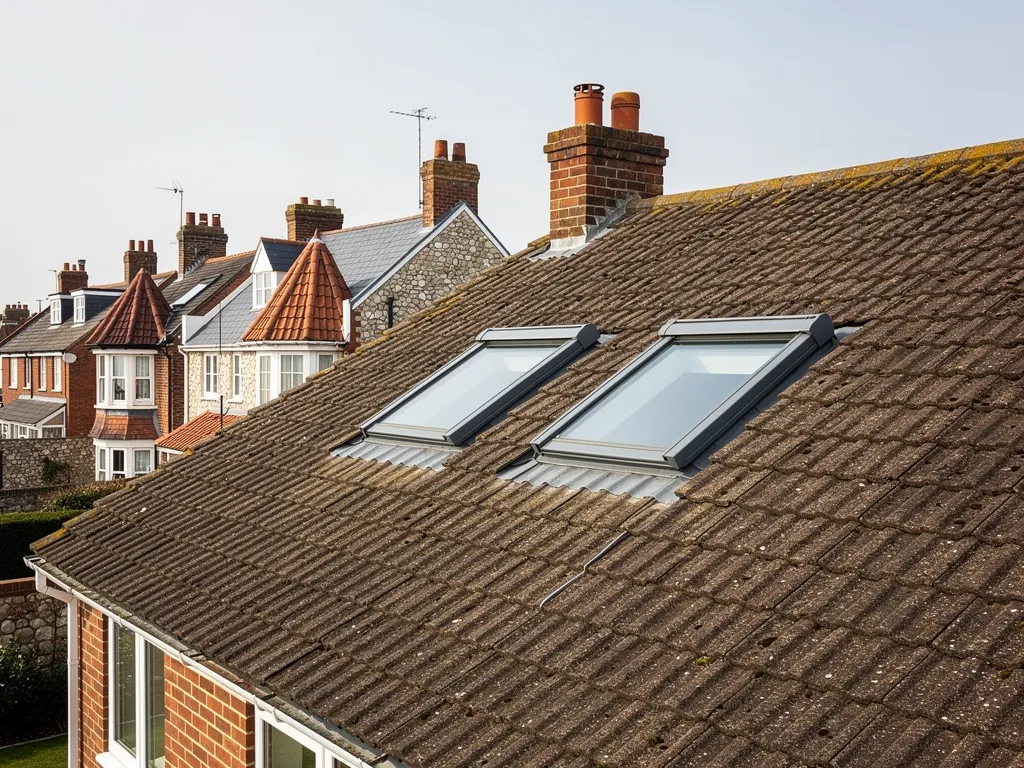
For a listed building, the Authority's guidance says routine upkeep and small in-situ repairs matching the existing fabric need no listed building consent. Anything beyond that, a different slate or a bigger opening, belongs on the Authority's desk first. The allowance is narrow, and swapping the covering, a new rooflight or a rebuilt stack sits outside it. If you are wondering whether a roof window is wise on an old slope, our guide to skylight planning permission covers the rules and is worth a read first.
2.3 Keeping the survey useful
A conservation area is a reason to photograph more, not less. We photograph the covering, the ridge line, the gable edges and each wall junction as they stand, so there is evidence of what is being matched if anyone asks later. You receive a clear verdict first, and after it one total price on paper, and nothing starts until the paperwork is settled. Bats use some old roof spaces and birds nest under eaves; both are protected, which is why we look before anything is disturbed. Any outbuilding or garage built or refurbished before 2000 is treated as possibly containing asbestos until it has been checked, as the HSE advises.
Chapter 3: The rectory's stone roof and St John the Baptist2928
Sheet 03 / 03The old rectory is the village's best-known roof. Its house is flint and brick, roofed in Horsham stone, and its central part is said to date from 1584. Horsham stone is a sandstone split into thick slabs, and the slabs go on in diminishing courses, so the biggest, heaviest slabs go along the eaves and each course gets smaller as it climbs towards the ridge. It is not a roof you treat as ordinary tiling, and the first task is simply to see how it has been laid. Our Horsham stone roofing page explains how a stone roof is repaired or relaid.
Three outcomes for a stone slab roof
- Re-bedSlipped slabs lifted, their fixings renewed and the slabs set back in place.
- RelayA sound covering taken up and put back with new battens or laths beneath.
- Re-coverA different covering considered only after weight and consent are checked.
3.1 Weight, and what a change of covering involves
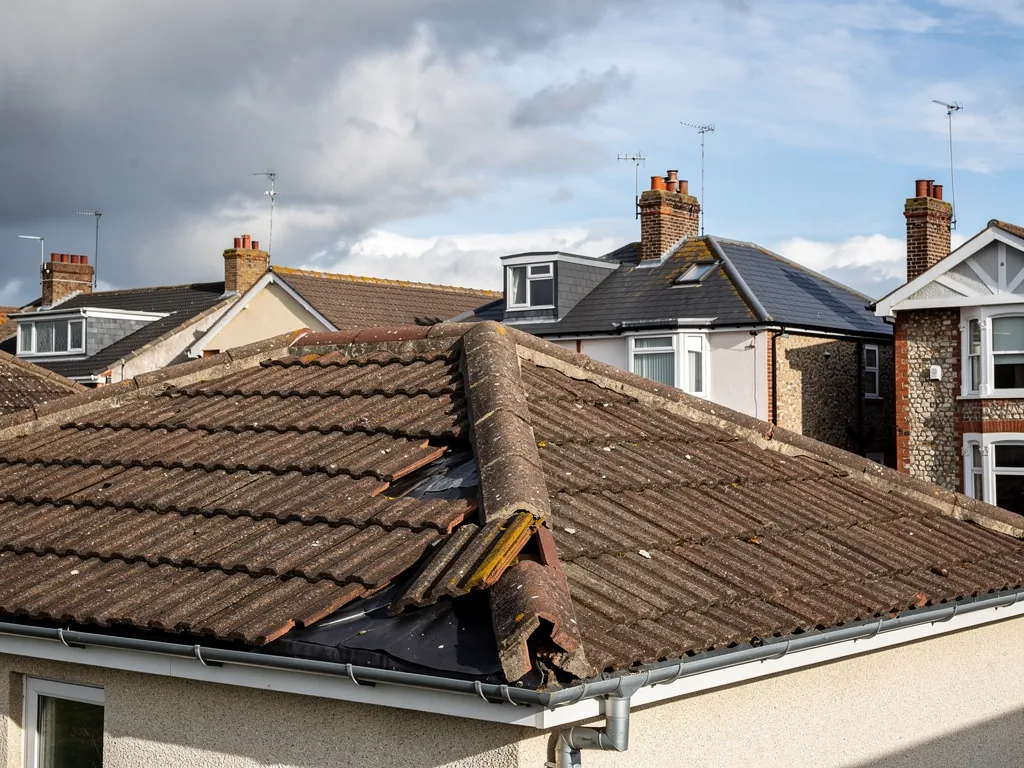
Stone slabs are heavy, so a roof frame built for them may not suit a lighter covering without thought, and one built for something light may not carry stone at all. Planning Portal guidance draws a line at a replacement covering that is 15 per cent heavier or more, which brings building control into it, and it says that a structural engineer or surveyor should be consulted before work begins. Even below that line the frame has to be sound, and an old one is checked for sagging and for decay at the wall plates before anything heavier goes on it. With an old house, the sensible opening move is to keep the existing covering where repair is possible, and to put the sound slabs back if the roof has to come up.
3.2 A Grade I church, and where the wind goes
St John the Baptist's church is flint with stone dressings. It is an Anglican parish church in use, so the ecclesiastical exemption applies and roof works go through the faculty jurisdiction, though planning permission may still be required where the exterior changes. The same gap in the Downs that gives the village its character is a reminder about fixings. Manufacturers say a specification depends on geography, altitude and local wind exposure, so we weigh each roof against its own position and never apply a rule of thumb. A fixing that suits a sheltered valley floor may not suit an open gap on the Downs.
Whatever the building, the survey ends in a verdict you can check in the photographs: patch it, repair it or replace it, with the reason for each. If stone slabs have slipped because their pegs or nails have gone, that is a repair, and it should not be sold as a new roof. Our roof repairs page explains how smaller jobs are handled, and the price comes as one written total.
Roof work for Findon's flint, brick and stone
Frequently asked questions
Questions from the Gun Inn to the old rectory
Can a Horsham stone roof like the old rectory's be repaired slab by slab?
Often, yes. Loose slabs can be lifted out, the sound ones bedded back with new fixings where the old have failed, and any that are missing matched in from reclaimed stock. If the timbers underneath have decayed, the roof has to come up and be relaid. Photographs from the survey show how many slabs are loose and why, so the choice between repair and relay rests on evidence rather than guesswork.
What changed in Nepcote when it became a conservation area in 2023?
The ground round the sheep-fair green gained a conservation area, designated by the South Downs National Park Authority's Planning Committee on 9 March 2023, with a character appraisal and management plan. A repair that matches what exists is not normally development, though a new covering or chimney may need approval, so ask the SDNPA's planning team before committing to a design.
Is planning in Findon decided by Arun or by the National Park?
By the South Downs National Park Authority, which handles applications directly in this part of the Park. Arun District Council keeps building control, so a notifiable roof job involves both bodies on different questions. A listed building adds its own consent rules on top of either. At the survey we say which body your job needs, and we explain consent in plain words.
Is there an Article 4 direction on roofs around The Square?
None is recorded for Findon, and the Nepcote appraisal only suggests the Authority might consider one. Rules can change, so check with the SDNPA's planning team before altering a roof slope or a stack in either conservation area. Listed buildings follow their own rules whatever the position on Article 4, and a listed building needs consent for any work that changes its character.
Nearby areas
Get a quote
Tell us about your roof
Describe what's happening and we'll call you back.
Loading the enquiry form. You can also call 01243 252373.