
Roofers in West Thorney
Harbour island, flint church, tiled roofs
West Thorney is an island between Thorney Channel and Emsworth Channel: a Grade I flint church under tile, a shingled tower, and a parish largely given over to an air station.
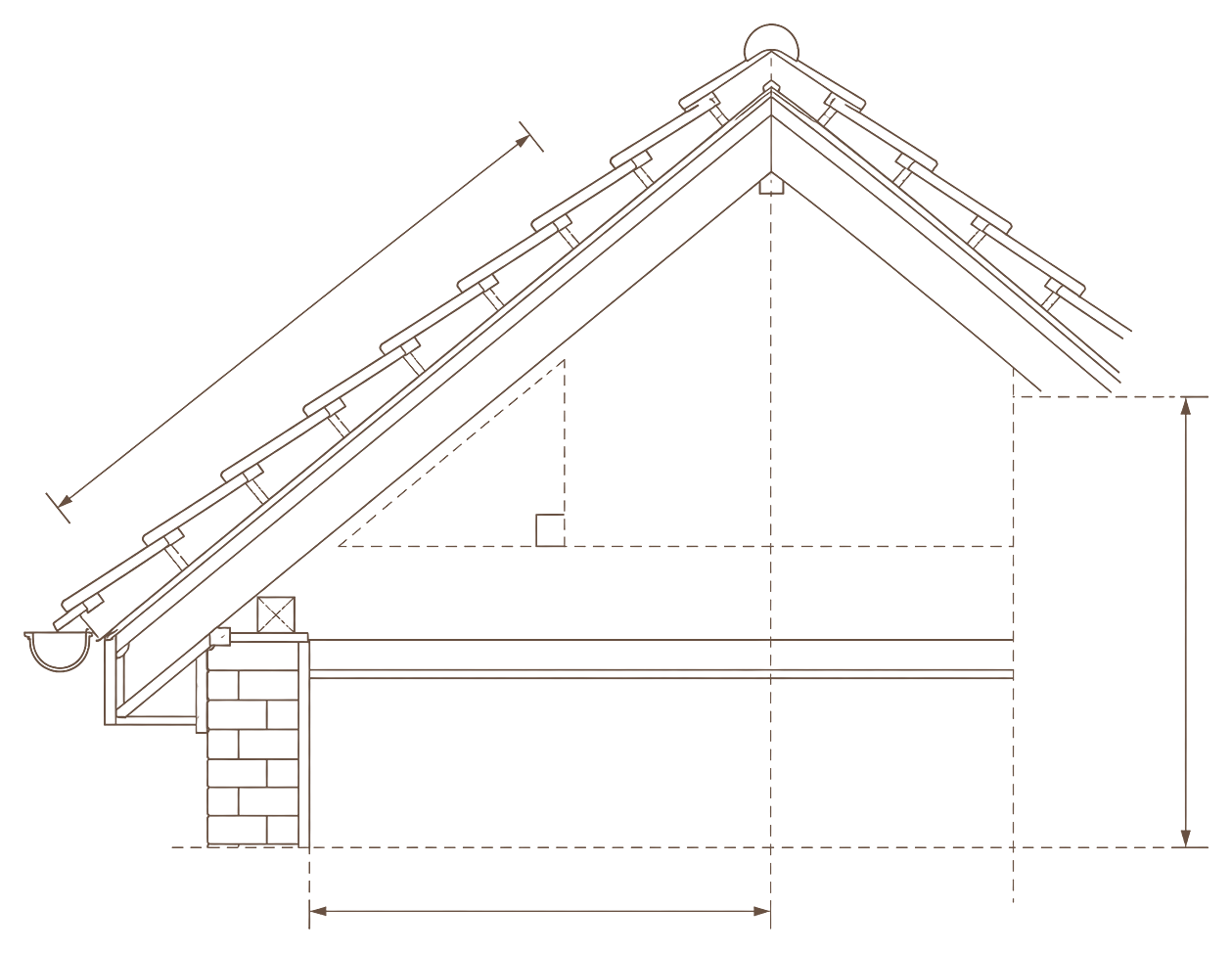
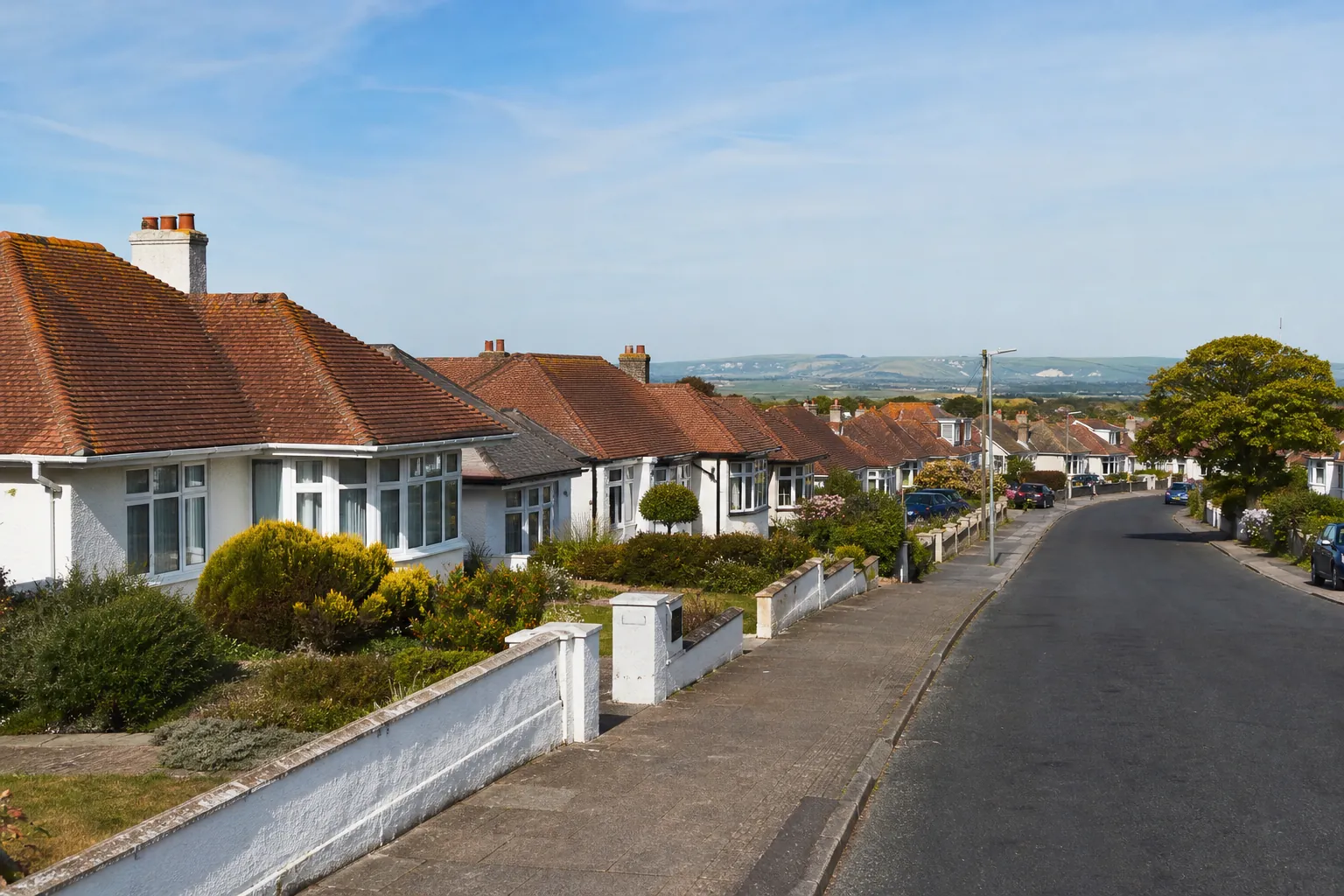
West Thorney roofs
From the waterside church to the island edge
-
A flint church under tile
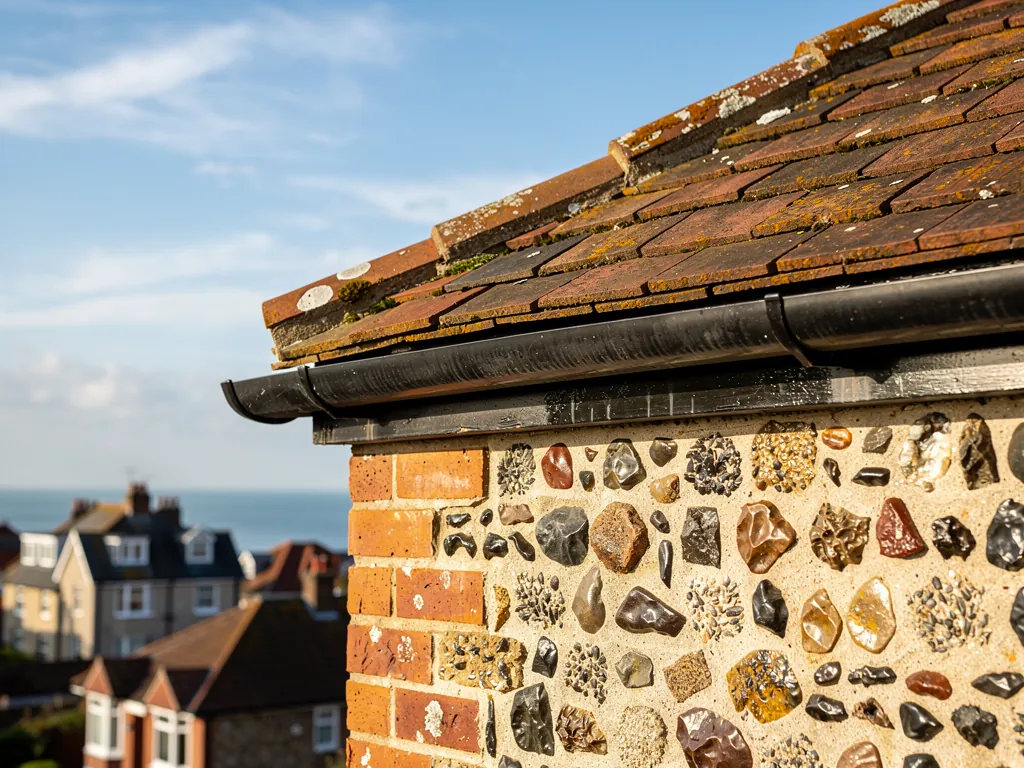
St Nicholas stands by the water on the east edge of the island. Its walls are rubble flint with dressings of Caen stone, and its roof is tile, so every flashing and verge ends against old masonry.
-
A shingled tower
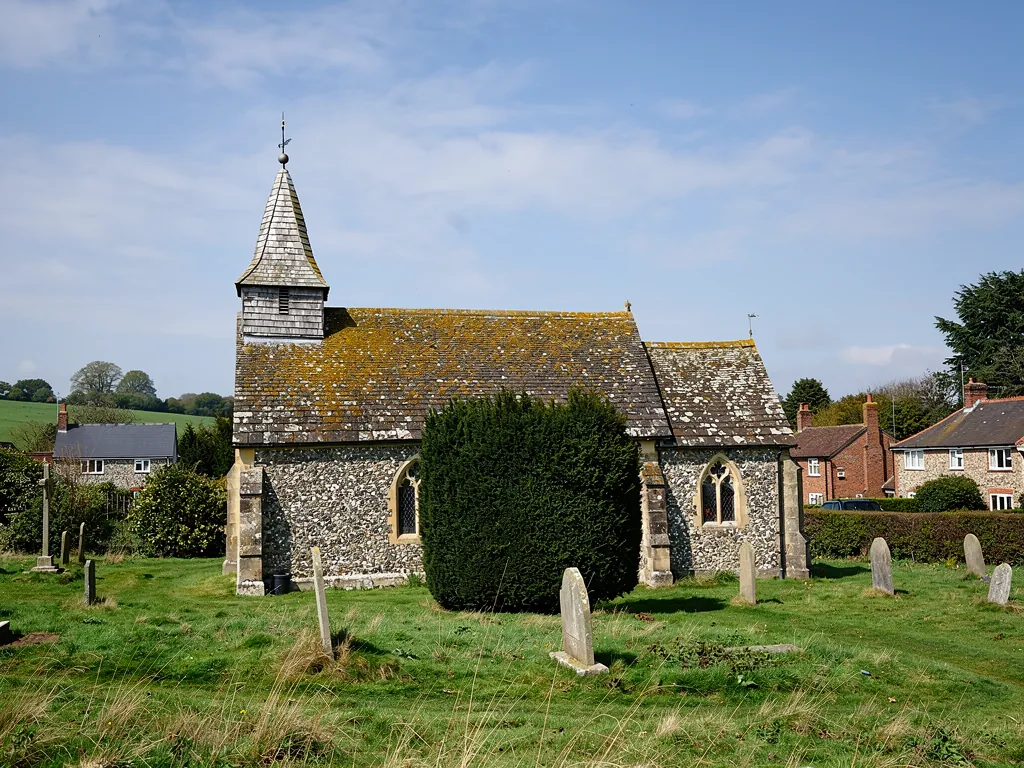
The tower is the one part of St Nicholas not roofed in tile: the Victoria County History calls it shingled. Shingled work means thin split-timber tiles laid by a specialist, and here it sits right above the tiled nave.
-
Roofs in the estuary
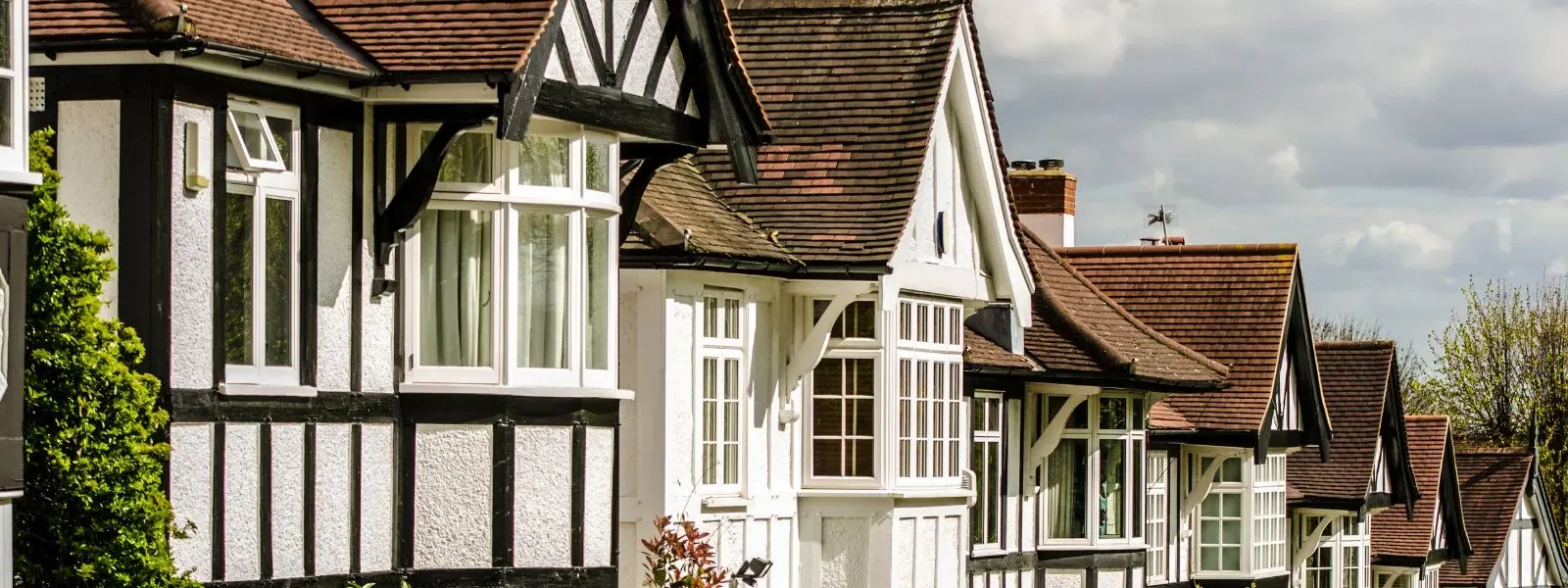
The county history places West Thorney in the estuary of Chichester Harbour and records that, by 1953, most of the parish had been taken for an air station. A roof out here faces open water on several sides.
Map of West Thorney, 16 road miles west of Bognor Regis, with the nearest towns we also cover.
An island inside the National Landscape
- Council
- Chichester District Council
- County
- West Sussex County Council
- Landscape designation
- Chichester Harbour National Landscape, renamed in 2023 from the earlier designation
- Listed landmark
- Church of St Nicholas, Grade I, first listed 5 June 1958
- Setting
- An island between Thorney Channel and Emsworth Channel
- Distance
- 16 road miles west of Bognor Regis, about 33 minutes by car
Island notes
Flint, tile and open water on Thorney
Three things shape a roof job on West Thorney: the church, the weather coming off the harbour, and what the island's protected setting asks of the work.
Chapter 1: St Nicholas church and its roofs1952
Sheet 01 / 03West Thorney is also called Thorney Island, and the Victoria County History puts it in the estuary of Chichester Harbour. Until the 19th century a causeway ran across to Emsworth, and the same history says it was only completely uncovered at low water of spring tides. The building that anchors the place today is the parish church of St Nicholas, which stands by the waterside on the island's east edge. Its walls are rubble flint with ashlar dressings of Caen stone, the roofs are tiled, and only the shingled tower breaks the pattern. The list entry puts the church at Grade I, first listed in June 1958. A building with that grade and that position is looked after in small, patient steps.
Before work on a listed church roof
- Confirm the consent route first
- Photograph each slope and flashing
- Match the existing tile
- Keep the lead details traditional
1.1 Where tile stops against flint
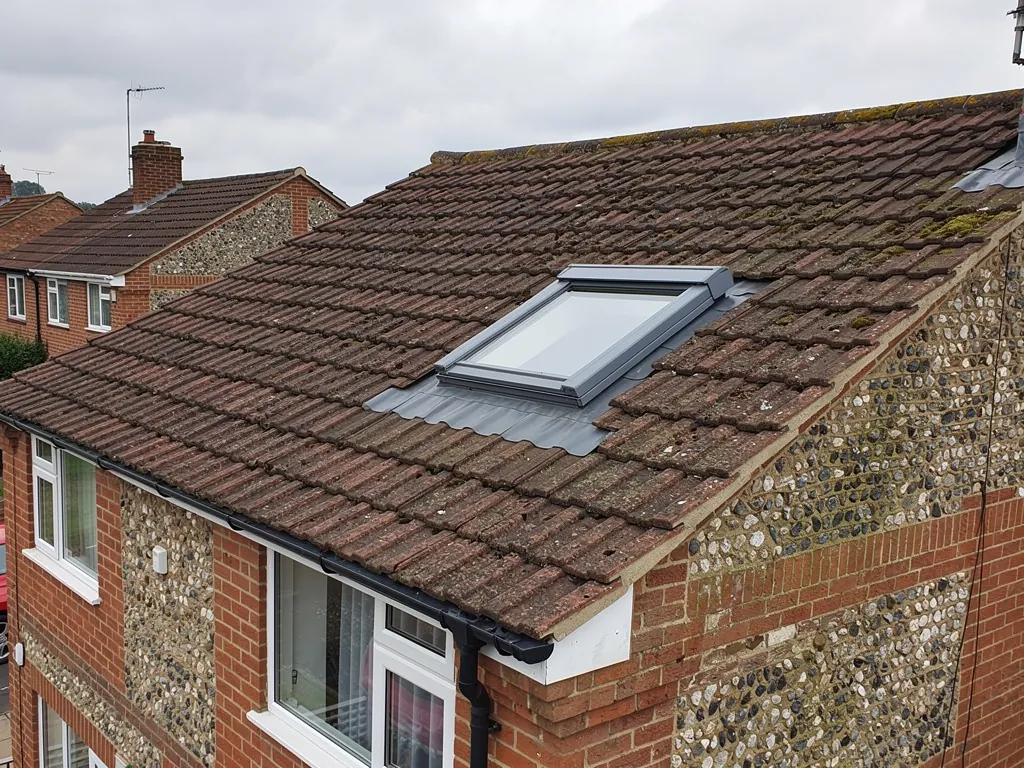
On a tiled church, trouble starts where the covering ends. At a gable the tiles finish in a line called the verge, bedded against the wall below. Where the roof meets a wall, a flashing, which is a cut strip of lead, is tucked into the mortar joints rather than glued to the face. After many winters the pointing around those cuts wears back, the lead loosens, and water runs behind it into the wall head. From the ground that looks like nothing much. Up close, the repair is modest: lift the lead, rake out the joint, repoint, and dress the lead down again. Our lead roofing and leadwork page shows how flashings are formed and fixed, and why the thickness of the sheet matters.
1.2 Who signs off a church roof
St Nicholas is an Anglican parish church that remains in use, so the ecclesiastical exemption applies: repairs are authorised by faculty, and nobody files a listed building consent application. The exemption has limits, because work that changes the building's outer appearance may still call for planning consent. So the first people to speak to are the churchwardens and the diocese, before anyone prices a job. Once they are content, we can survey the tiled slopes and the lead and set out what we find in writing, with a photograph of each fault. Nobody should climb a church roof on a hunch.
It is rare for a roof like this to need stripping. More often the finding is a handful of slipped or cracked tiles, a flashing that has lifted and some tired pointing, and the smallest job that deals with those is the right one.
Chapter 2: Roofs beside the tideline1525
Sheet 02 / 03An island in an estuary gives each building a long view over water, and that shapes how its roof ages. Gales and driving rain arrive across open water with little to slow them. A roofer's answer is to know which details lift first and what to check after rough weather: the ridge, the verges, the lead at each abutment and the gutters that have to carry a downpour away.
Three calls on an exposed roof
- PatchA few loose tiles or a split flashing, fixed and then watched.
- OverhaulRidge, hips and verges refixed while the main covering stays.
- ReplaceTiles, battens and underlay renewed when they have run their course.
2.1 Ridge lines and gable edges
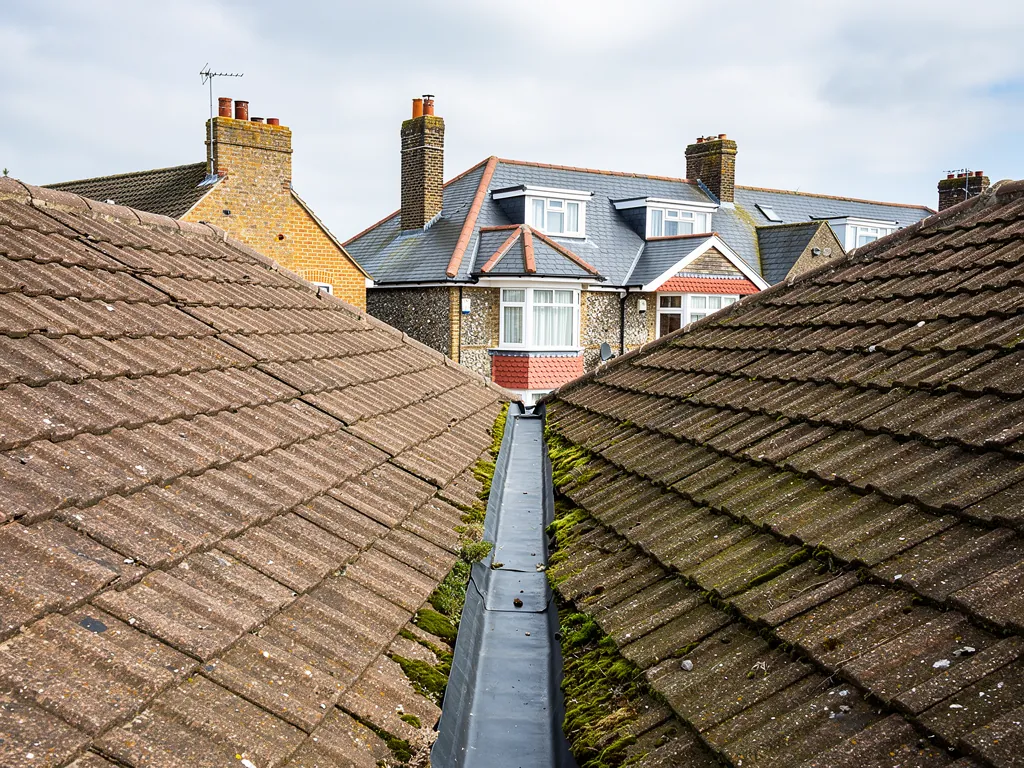
The ridge is the high line where two slopes meet, and on a hipped roof the hips run down from it to the eaves. Plenty of older ridge tiles were bedded in mortar and left at that. After the 2014 revision of BS 5534, a bed of mortar no longer stands alone under a ridge or hip tile; a screw or clip is added to each, which is how we fix them. In a wind off open water that extra fixing matters. A ridge that rocks under a hand, or a gable edge where the pointing has cracked away, will be among the first things a gale lifts. Those are the details on this coast we fix mechanically and finish neatly. If tiles have already slipped, our roof repairs page explains what a patch can hold and when a bigger job is the honest answer.
2.2 Flat roofs with no shelter
Garages, porches and extensions with flat roofs take whatever the weather sends, and the first job of the covering is to shed water. That depends on the fall. BS 6229:2025 sets a minimum finished fall of 1:80, and designers aim steeper, around 1:40, so the surface drains once it has settled. A flat roof holding puddles days after rain is hinting at something under the covering. We also check the trims at the roof edge and the turned-up seams against each wall at that visit, since a seam that opens in a gale lets water under the whole sheet. Sometimes the deck is dry and sound, and a patch will do. Sometimes it is soft, and a new deck is the straight answer. We tell you which, with the photographs that back it up.
2.3 When the weather has done its worst
Make the house safe, then ring your insurer before arranging anything permanent. Photograph the damage, hold on to receipts for temporary cover, and keep damaged material unless it is a danger. We deal with leaks and storm damage ahead of routine jobs, and a roof that is letting water in gets made safe first. When the survey is finished a written quote arrives with one total, and no work begins on the strength of a guess made from the ground. The survey, not a rule of thumb, fixes the figure.
Chapter 3: Rules for a roof in the National Landscape2562
Sheet 03 / 03The whole island sits inside Chichester Harbour National Landscape. The Chichester Harbour Conservancy records that the harbour was designated on 4 February 1964, under the name it carried then, and that all such areas were rebranded in 2023. The island sits in Chichester District, which makes Chichester District Council the body to ask about planning and building control. Whatever the setting, the sensible habit is a phone call to the council before work starts, not a letter afterwards.
How a West Thorney job runs
- 1LookWe survey the roof and photograph every fault we find.
- 2VerdictA decision between mending and renewing arrives with the reasons set out.
- 3ConsentWe explain what the council or the church needs before work starts.
- 4FinishEdges, flashings and ridges are done properly and waste is taken away.
3.1 What a like-for-like repair needs
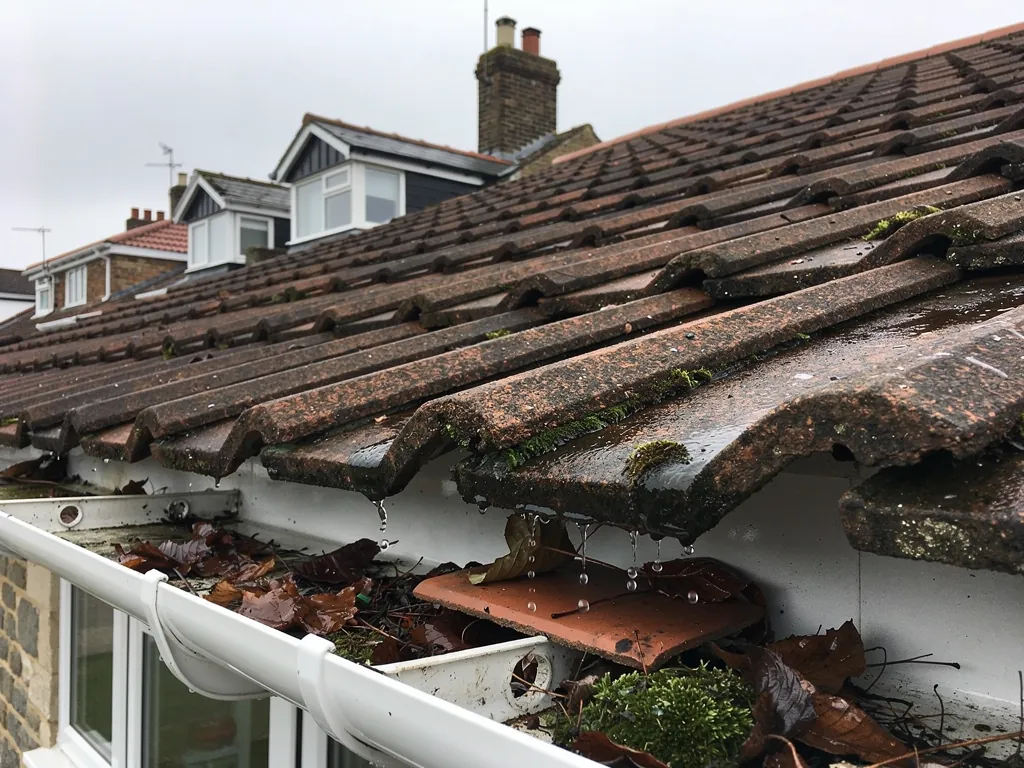
Under the Town and Country Planning Act, work that leaves a building's outward appearance materially unchanged is not development. In practice, mending a roof with matching tile will not normally call for a planning application. The caveats are a listed building, where anything touching its character needs consent, and any local direction that removes rights. Re-roofing also touches the Building Regulations. The Planning Portal puts the threshold at under 25 per cent of the building envelope and under 50 per cent of the roof being touched by the work, below which no application is normally needed. A markedly heavier covering, or one whose fire performance differs, can alter that answer. Where a job is notifiable, we explain what is required and handle the notification, so the paperwork does not turn up halfway through. If the house is listed, we read its list entry before quoting for anything beyond a matching repair. Thinking about roof windows? Read our guide to skylight planning permission before ordering anything.
3.2 Scaffold dates and wildlife
Should the scaffolding need to sit on or over a public highway, the licence comes from West Sussex County Council, which wants a minimum of 10 working days' notice. The wait for that licence can fix your start date, which is why it comes up at the survey rather than on the day. Bats are protected by law, as are nesting birds, so a careful look at the roof space and eaves comes before any stripping begins.
None of this should hold up a small repair. It does mean that the first talk about a West Thorney roof covers what is actually there, what the church or the council requires, and what the smallest proper fix would be. After that comes the fixing itself: tiles hung true, lead dressed neatly, edges closed, and the site swept clear when we leave.
Roofing services for the Thorney shoreline
Frequently asked questions
Questions from St Nicholas to the Emsworth Channel
Can the tiled roof of St Nicholas be mended without stripping the slopes?
Frequently, provided the tiles are sound. Single broken or slipped tiles come out and new ones go in, and a tired lead flashing against the flint can be renewed without lifting a whole slope. The church is Grade I and in use, so the faculty process comes first, and a matching tile is chosen with the parish. A full strip only becomes the answer when battens and fixings have failed right across the roof.
How are ridge and hip tiles fixed on a roof beside the harbour?
The fixing suits the particular roof we are standing on, not a map. The pitch, how open the house stands, the condition of the battens and what holds the ridge, hips and verges all feed the decision. BS 5534 changed in 2014 and mortar alone no longer meets it, so each ridge and hip tile is screwed or clipped to the timber as well, and the edges are finished neatly.
Does living in Chichester Harbour National Landscape stop me re-roofing?
No. The designation, which began in 1964 and took its present name in 2023, does not ban roof repairs or a like-for-like re-roof. It does mean checking first if you want to change how a roof looks or add roof windows. Put your address to Chichester District Council's planning officers, and raise consent as well if the house is listed.
Who approves roof work on a Church of England church on the island?
Because the church is in use, the ecclesiastical exemption applies, and works to a listed building like this go through the faculty jurisdiction rather than an application for listed building consent. Any change to the outside appearance still needs planning permission on top. Speak to the parish officers first. We can inspect the roof, take pictures of the faults and put our findings in writing for them.
Nearby areas
Get a quote
Tell us about your roof
Describe what's happening and we'll call you back.
Loading the enquiry form. You can also call 01243 252373.