
Roofers in Northchapel
Blackdown stone, Colhook brick, Low Weald
Northchapel's roofs sit in the Low Weald just south of the Surrey border, from the church that Anthony Salvin re-roofed in 1876 to a brickmaking past on Colhook Common.
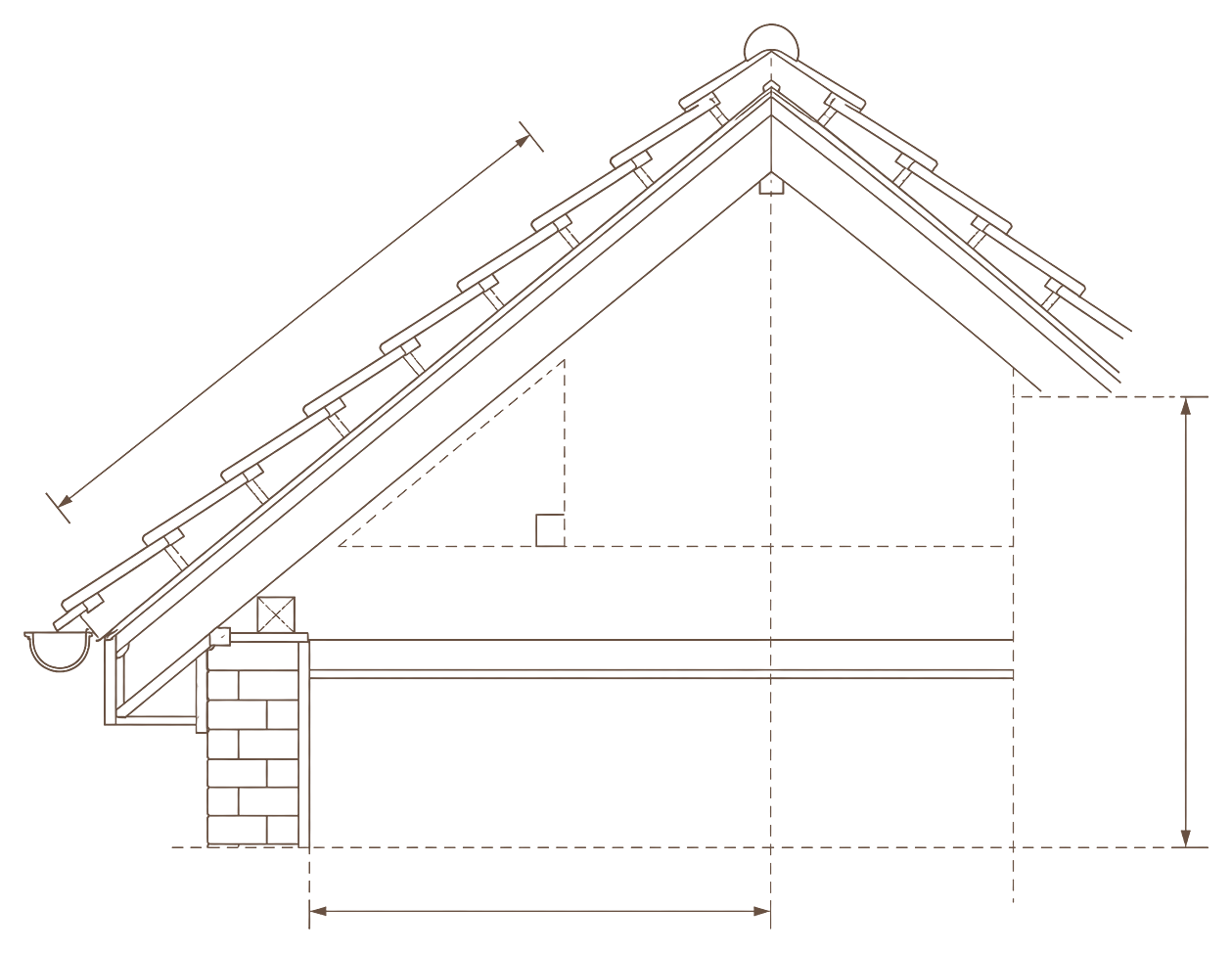
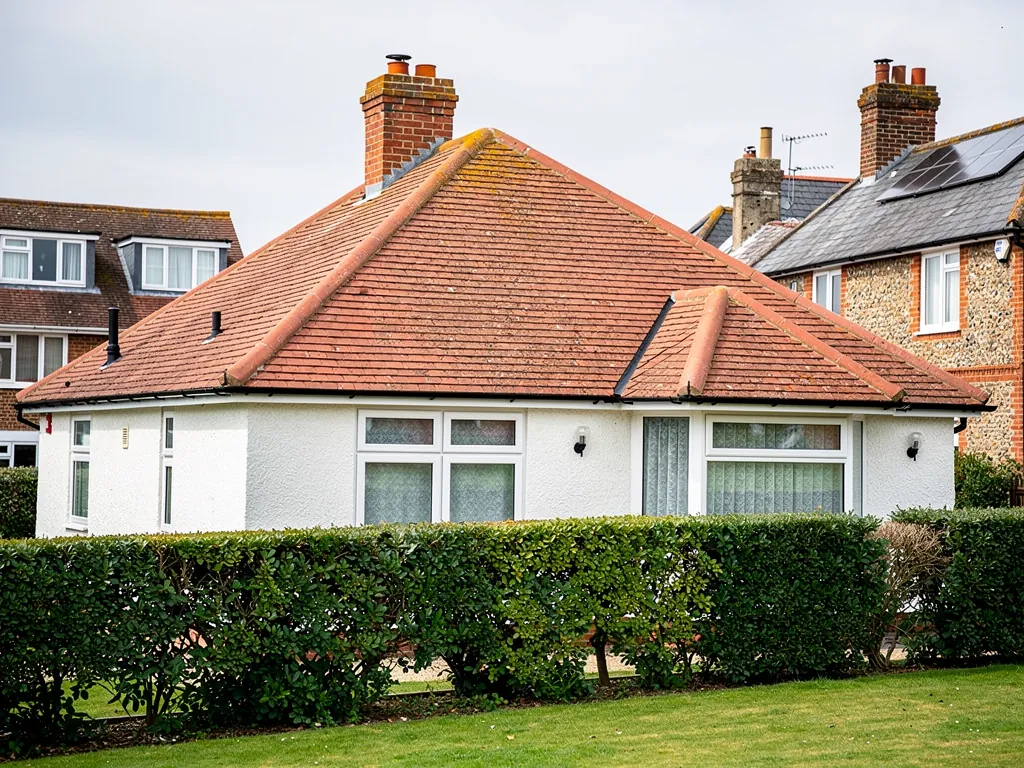
Northchapel roofs
Blackdown stone, Colhook brick and Weald roofs
-
Salvin's church roofs
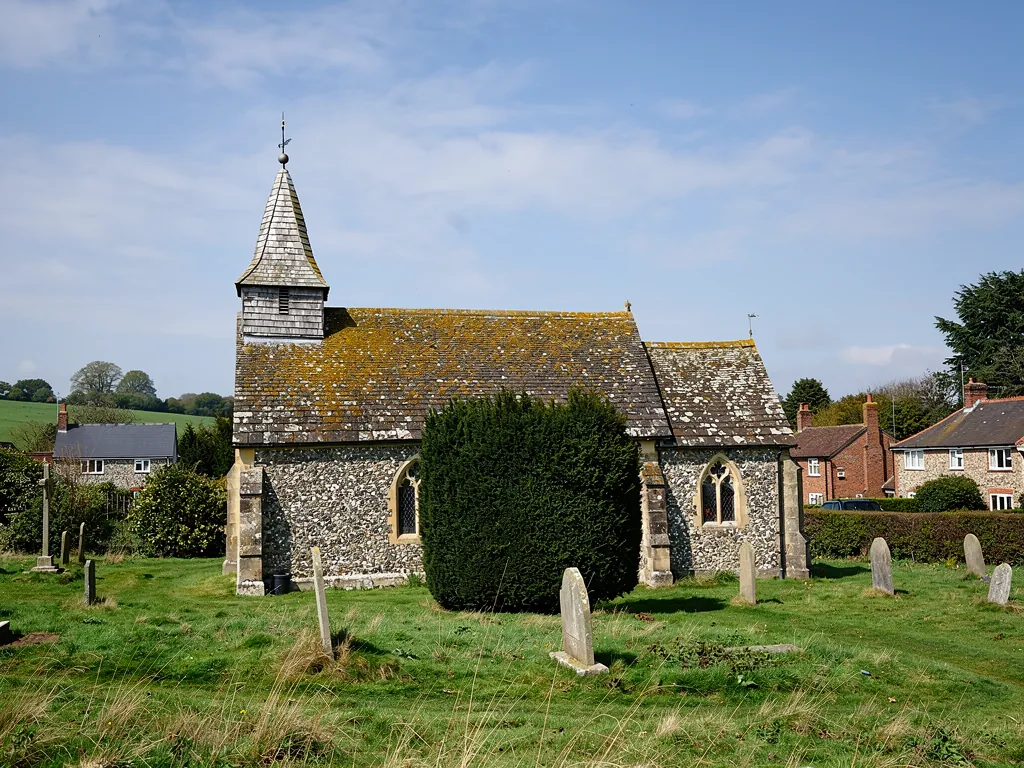
The parish church has a 14th-century core and a west tower added in 1832. Anthony Salvin, who lived in the parish, refaced it in local Blackdown stone in 1876 and 1877 and built the roofs it carries now.
-
Brick from Colhook Common
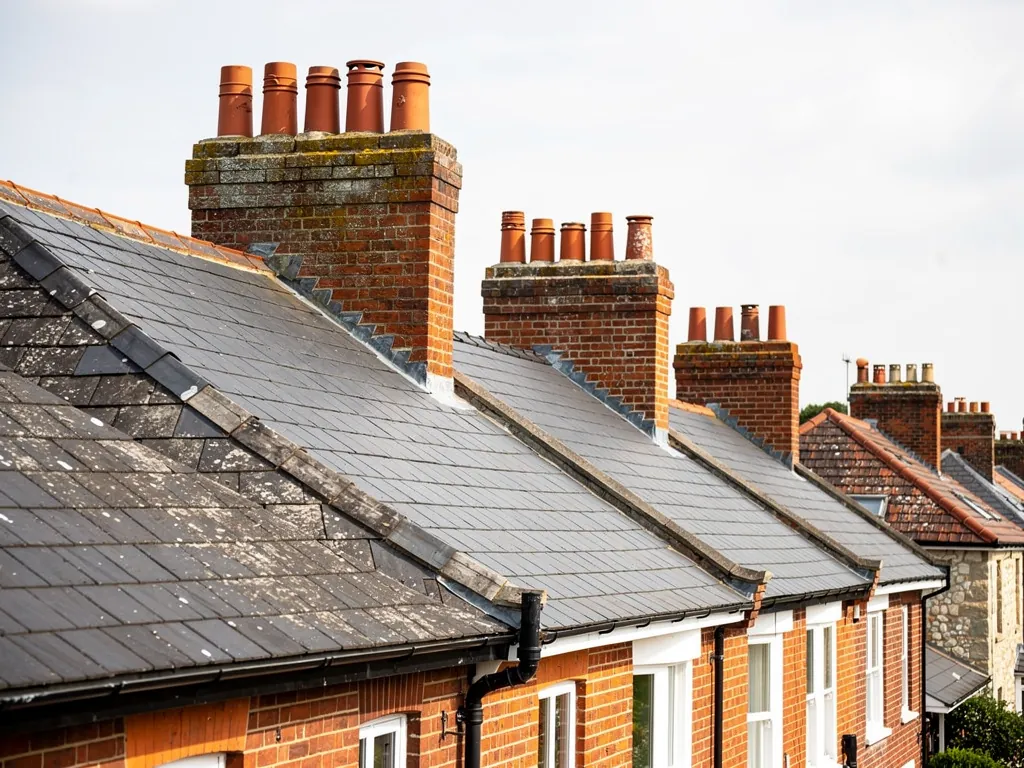
A brickworks on Colhook Common was set up by 1779 and ran until the 1960s, using red and yellow clay and sand dug on the common. Old brick stacks and walls nearby need pointing and flashing to match.
-
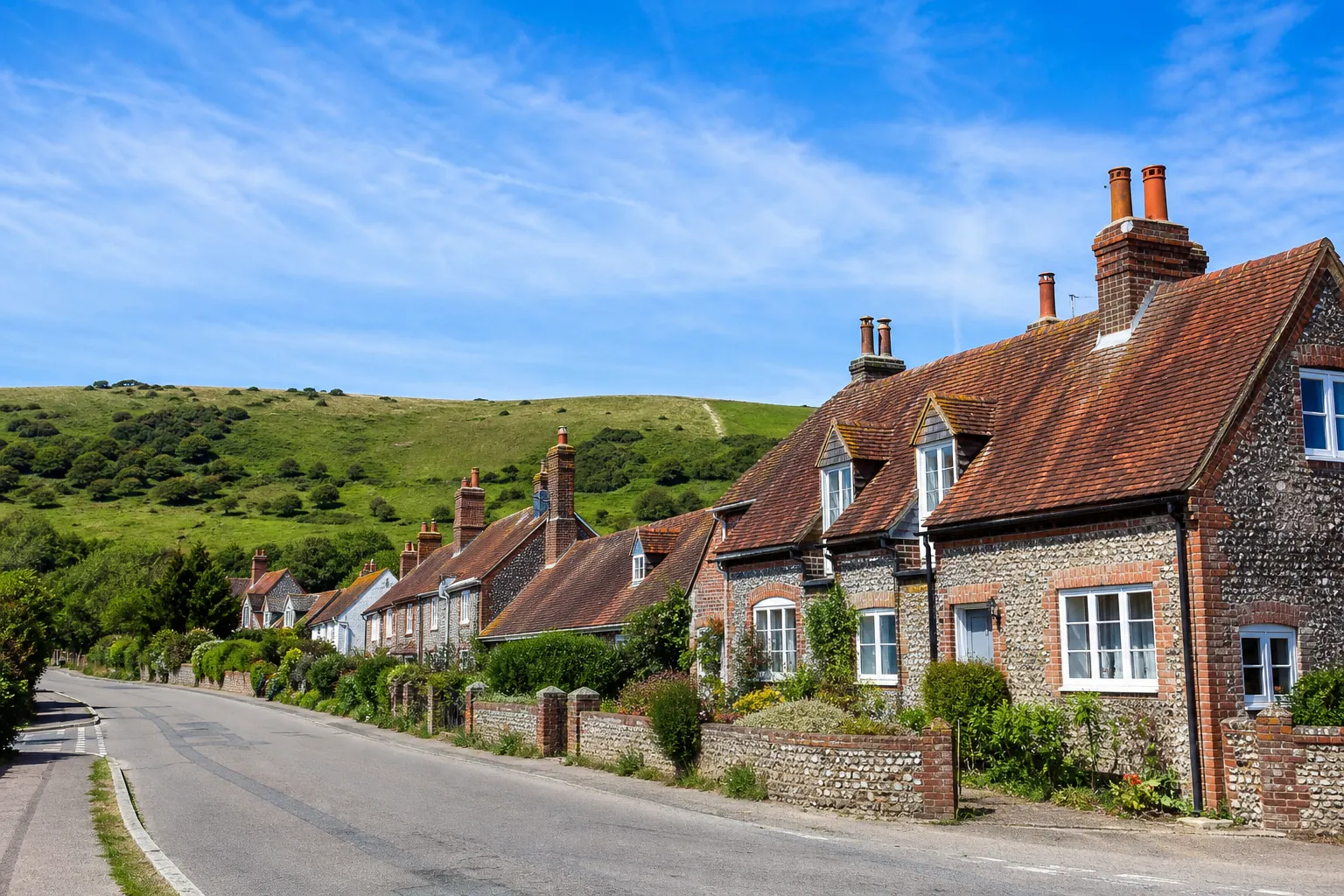
A chapelry that became a parish
Northchapel began as a chapelry in the large parish of Petworth and became a separate parish in 1692. Cottages, farm buildings and outbuildings in the village each have their own covering, age and repair history.
Map of Northchapel, 22.3 road miles north of Bognor Regis, with the nearest towns we also cover.
Northchapel inside the South Downs National Park
- Council
- Chichester District Council
- Planning
- South Downs National Park Authority
- County
- West Sussex County Council
- Conservation area
- Northchapel conservation area, shown on the National Park Authority's Chichester maps
- Article 4
- None on the National Park Authority's Article 4 Directions page
- Listed landmark
- Parish church, Grade II, list entry 1223427
- Distance
- 22.3 road miles north of Bognor Regis, about 38 minutes by car
Northchapel notes
Salvin's stone, Colhook clay and old furnaces
A small Low Weald village with a Victorian church, a brickmaking past and a National Park address for every roof.
Chapter 1: Blackdown stone and Salvin's church roofs2501
Sheet 01 / 03Start with the parish church. Its nave and chancel have a 14th-century core, a west tower went on in 1832, and in 1876 and 1877 the architect Anthony Salvin, who lived in the parish, refaced the building in local Blackdown stone and built the roofs it has today. The church is listed Grade II (list entry 1223427). A church still in worship has its repairs approved through the faculty route, not a council listed building application, which leaves the roof with the parish. Still, a Victorian roof by a known architect is a useful reminder of how buildings of that age were put together: planned timbers, drawn details and edges that were meant to last.
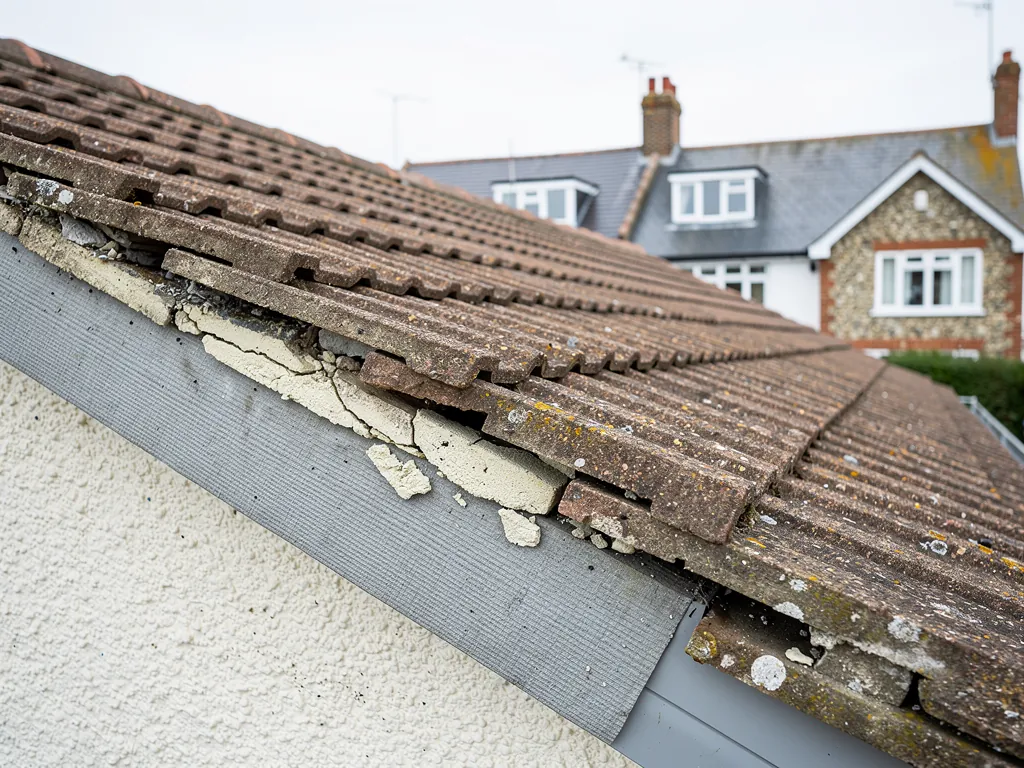
Edge details on a Victorian roof
- Gable copings and verge joints
- Lead in valley gutters
- Chimney flashings
- Eaves and gutter fixings
1.1 Victorian detail on a village roof
Houses, schools and chapels of the same period share a handful of weak spots. Gable copings and the verge, the sloping edge at a gable end, depend on mortar joints that open with age. Valley and parapet gutters, lined in lead, collect debris and wear at the folds. The main slope can be perfectly sound while the lead around a stone chimney is not. We look at every one of these before offering a view on the main covering, because the sensible fix is often at the edge and not in the middle of the slope.
1.2 Reading a roof's age from the ground and the loft
A few clues tell us how much life a roof has left. Tiles that sit proud of their line suggest nail sickness. Underlay that crackles when a tile is lifted has dried out. Battens that are dark, soft or split at the nail holes tell the same story from the loft side. A roof from the late nineteenth century that has never been stripped has done well to pass a century, and the survey is the place to learn whether it has more to give. Our roof inspections and surveys page sets out how each of these signs is recorded in photographs.
Not every older roof needs replacing, and a village building that has stood since the 1870s can often be made good with a handful of targeted repairs. We would rather show you three photographs of three faults than sell you a roof you did not need. A survey that separates the urgent from the optional is the most useful thing we can hand over.
Chapter 2: Colhook brick, clay stacks and old pointing2623
Sheet 02 / 03For almost two centuries, from 1779 or earlier until the 1960s, a brickworks on Colhook Common turned the common's red and yellow clay and sand into bricks. That matters on a roof, because the chimney stacks, party walls and boundary walls of older houses nearby may well be built of brick from the same ground, and bricks from one clay pit weather alike. A stack that is thoroughly sound in its brick can still be let down by tired pointing and a poor flashing. The brick is seldom the problem. The mortar that holds it, and the lead that seals it to the roof, usually are.
Two jobs on a leaning brick stack
Repoint and reflash
Loose joints raked and refilled, flashings renewed, pots reset on fresh flaunching.
Rebuild the top
Top courses taken down and relaid where the brick has moved or broken up.
2.1 Pointing a stack to suit the brick
Old soft brick needs a mortar no harder than the brick itself, since a hard cement mix traps moisture and pushes the damage into the face of the brick. Where repointing is needed we rake out the loose joint, check its depth and refill with a mortar chosen for that stack. If the top courses have moved, they come down and are rebuilt. The flaunching, which is the mortar cap the pots stand in, is renewed on the same visit, and cracked or leaning pots are replaced. Our chimney repairs page lists the jobs that normally come together.
2.2 Leadwork where roof meets stack
The joint between a tiled slope and a brick stack is the part most likely to leak. A flashing there is a strip of lead let into a raked joint, dressed down over the tiles, with a gutter formed behind the stack so water is carried round it. The lead must be thick enough to hold its shape and fixed so it can move. Royston Lead's brochure lists codes 4 to 6 for flashings and codes 5 to 8 for parapet and box gutters. Lead that has lifted should be dressed back and fixed, never sealed over with mastic, which fails the next time the roof moves. Each flashing is checked at its upper edge, where it is let into the wall, because that joint opens first and the water runs behind the lead from there.
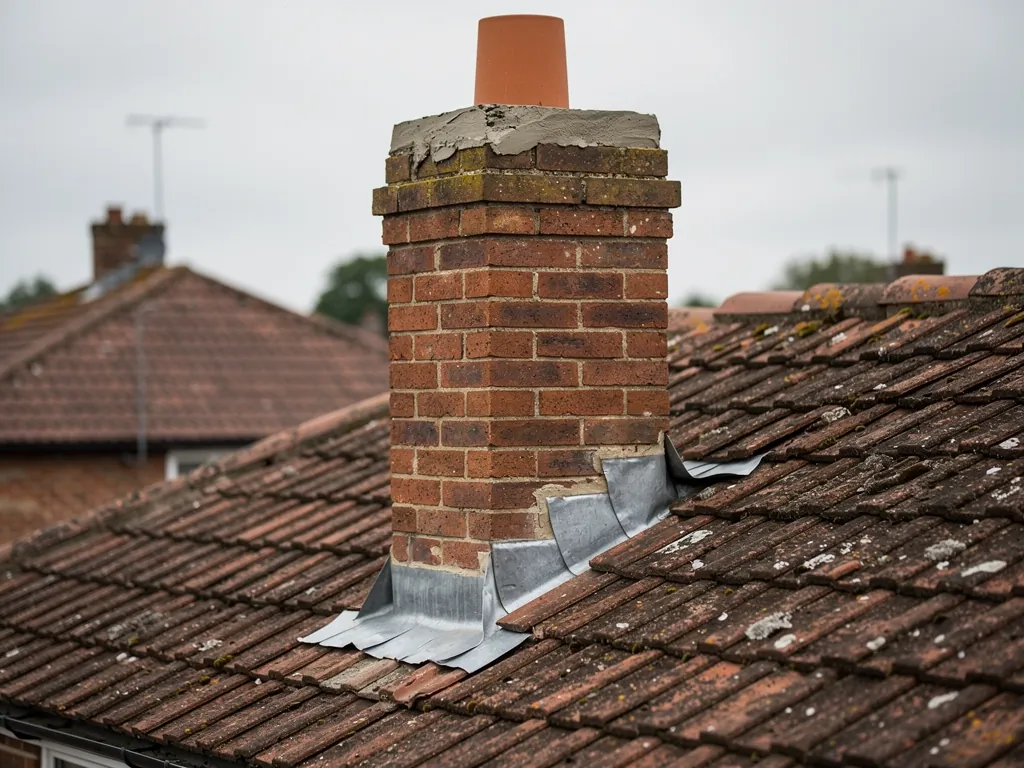
When the brick itself has gone, the answer is different. Frost-damaged, flaking faces on the exposed top courses are cut out and replaced with bricks of a matching colour, so a patched stack does not stand out against the roof around it. Old red and yellow brick from the area is easy to tell from a modern replacement, and a close match matters as much as a sound joint. We bring a few sample bricks to compare in daylight, since a colour that looks right in a yard can look wrong against weathered clay on a stack.
Chapter 3: Low Weald ironworks and a National Park address2867
Sheet 03 / 03Northchapel lies in the Low Weald just south of the Surrey border, and the area was once home to Wealden ironworks that smelted locally dug ironstone in water-powered furnaces in the Tudor and Stuart periods. Little of that survives above ground. What matters on a roof today is how old each building is and how often its joints have been looked at. Old walls and stacks move a little, and a crack that opens at a junction can let water in long before the covering shows any sign. We trace stains inside the house back to the point where the water gets in, which is often some distance from where it shows. Water can run along a rafter or down a wall for a metre or more before it appears on a ceiling, so a brown mark under one chimney breast may start at a cracked tile three courses up the slope. That is why we photograph the whole path and not just the stain.
From survey to written quote
- 1SurveyWe photograph the covering, stack and gutters from the ridge to the eaves.
- 2VerdictYou learn whether the roof needs mending, a stopgap or renewing.
- 3ConsentWe flag whether the conservation area or a listing touches the job.
- 4QuoteOne total price follows in writing, based on what the photographs show.
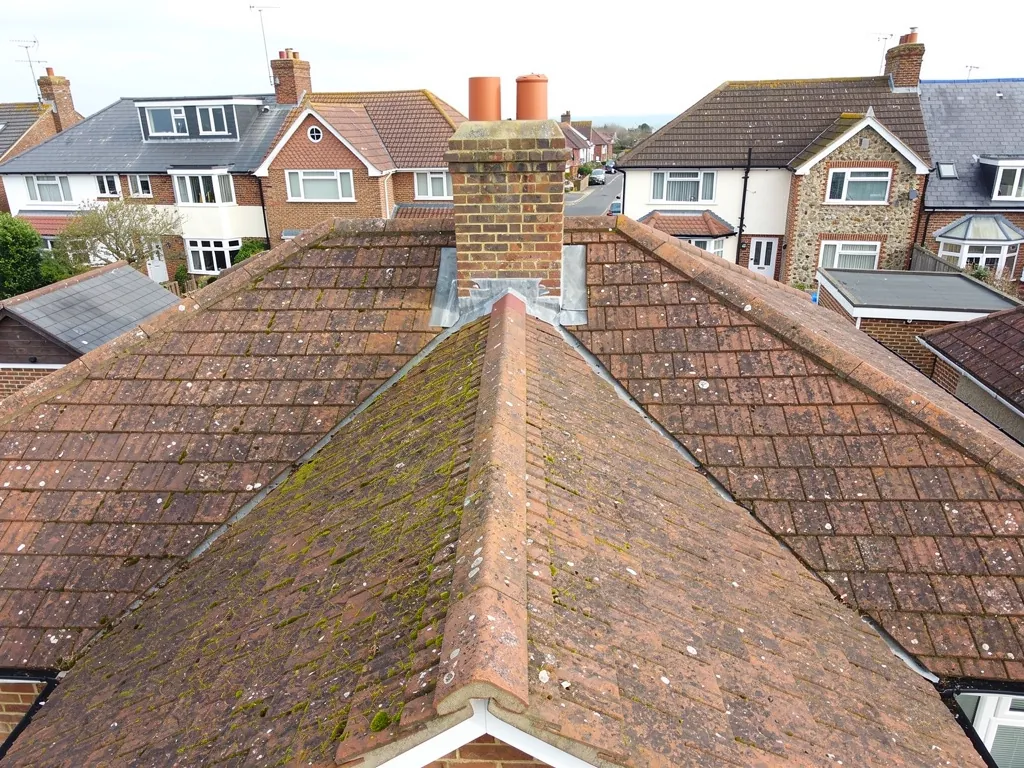
3.1 Who decides: the Park, with the district doing the paperwork
The National Park Authority lists a conservation area for Northchapel. Inside its boundary, swapping the tile for another kind, adding a rooflight or taking down a stack is work to put before the planners first. The village lies within the South Downs National Park and the Authority remains the planning authority, but the district council's planners in Chichester process applications from this side of the Park, and its building control team looks after the Regulations. Anyone planning a roof window should first read our skylight planning permission guide. Re-laying the existing covering is not generally a planning matter, yet a listing or a direction removing rights can change that, so a short call to the council is worth making.
3.2 What the quote follows
After the survey you receive the verdict on the roof, photographs of each fault and one total price in writing. Where a job is notifiable, we explain what building control needs and handle the notification. The usual test is whether the work affects less than 25 per cent of the building envelope and less than 50 per cent of the roof, and when a case is borderline we ask the district's building control team directly. For older houses, we also say whether a stack or a wall needs attention before the roof does, because a new covering fitted over a moving stack will not last.
The roof work we do in Northchapel
Frequently asked questions
Questions from Colhook Common to the churchyard
Can a chimney built of old Colhook-style brick be repointed without rebuilding it?
Often, yes, when the brick faces are sound, the stack stands upright and the joints are loose only at the surface. We rake out the loose joints, refill with a mortar that is not harder than the brick, and renew the flaunching and flashings on the same visit. If the top courses have moved or the brick is crumbling, rebuilding the top is the more lasting repair. You see photographs first, and the quote arrives in writing.
Do the Victorian roofs built in Salvin's day need special roofers?
The church itself goes through the Church of England's own faculty route, so the parish looks after its roof. For houses of the same date in Northchapel the same Victorian details apply: stone or tiled verges, lead gutters and chimney flashings. We look at those edge details first, because they usually fail before the main covering does, and we show you photographs of whichever has gone, taken close up so the fault is easy to see from the ground.
Who do I ask before re-roofing in Northchapel's conservation area?
Start with the district council's planning team in Chichester, which processes applications from this part of the National Park for the Authority. Replacing a covering with the same thing seldom needs planning permission, but listing, a direction or a change of material can alter the answer. Ask before work starts, and keep a photographic record of the existing covering to show the council what is there.
Is there an Article 4 direction on Northchapel roofs?
The National Park Authority's Article 4 Directions page lists none for Northchapel. Rules change, so look at that page again and put your question to the planners before you touch a roof in the conservation area. A listed building is a separate matter, because consent for anything that alters its character is needed whatever the Article 4 position, so look up the list entry as well.
Nearby areas
Get a quote
Tell us about your roof
Describe what's happening and we'll call you back.
Loading the enquiry form. You can also call 01243 252373.