
Roofers in Prinsted
Peg tiles, thatch and flint by the harbour
Prinsted's roofs are thatch or handmade clay peg tile over flint, stone and brick walls, in a small hamlet gathered about a loop at the head of the Thorney Channel.

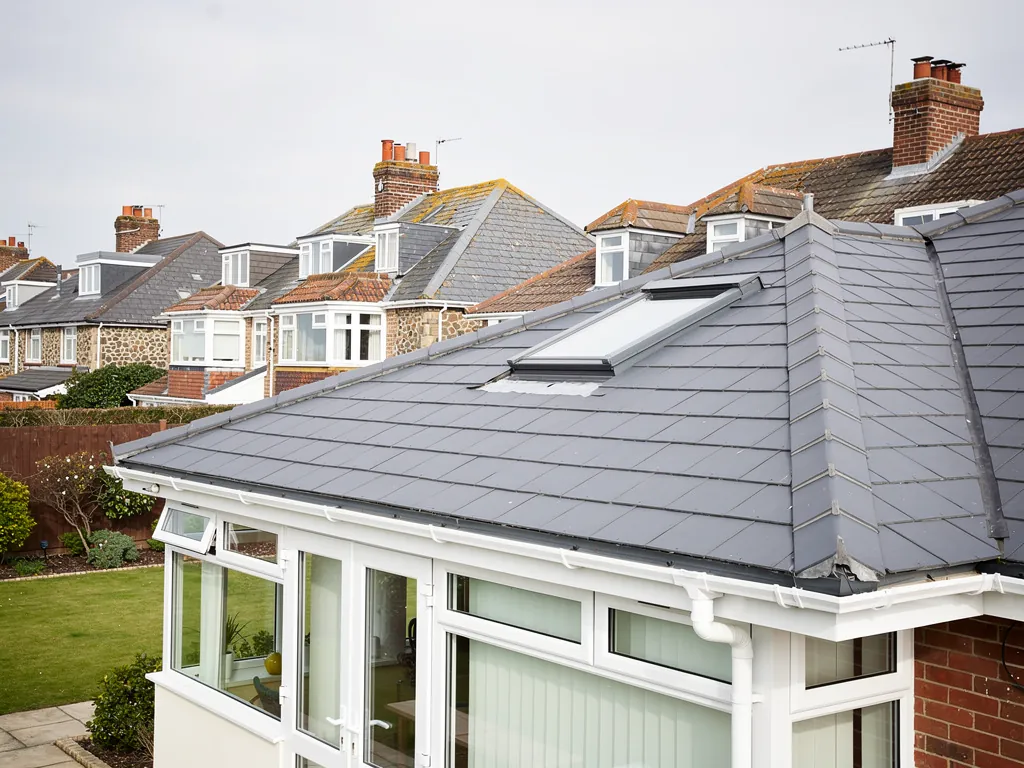
Prinsted roofs
Thatch, peg tile and timber frames at the harbour head
-
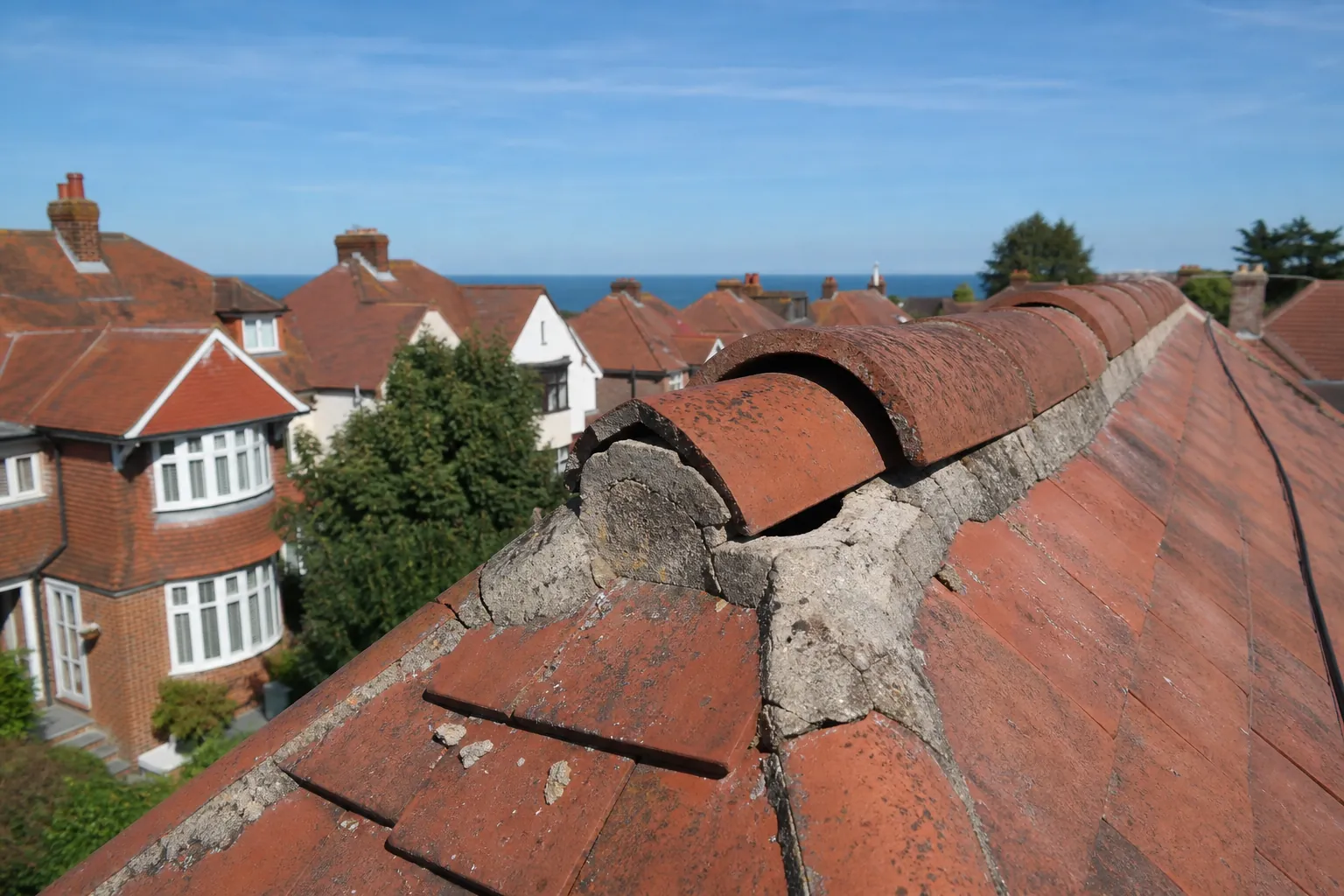
Thatch and handmade peg tile
The council's appraisal says Prinsted's roofs are thatched or covered in handmade clay peg tiles, over walls of flint, stone and brick. Each covering needs its own kind of repairer, so the first question is always what is actually up there.
-
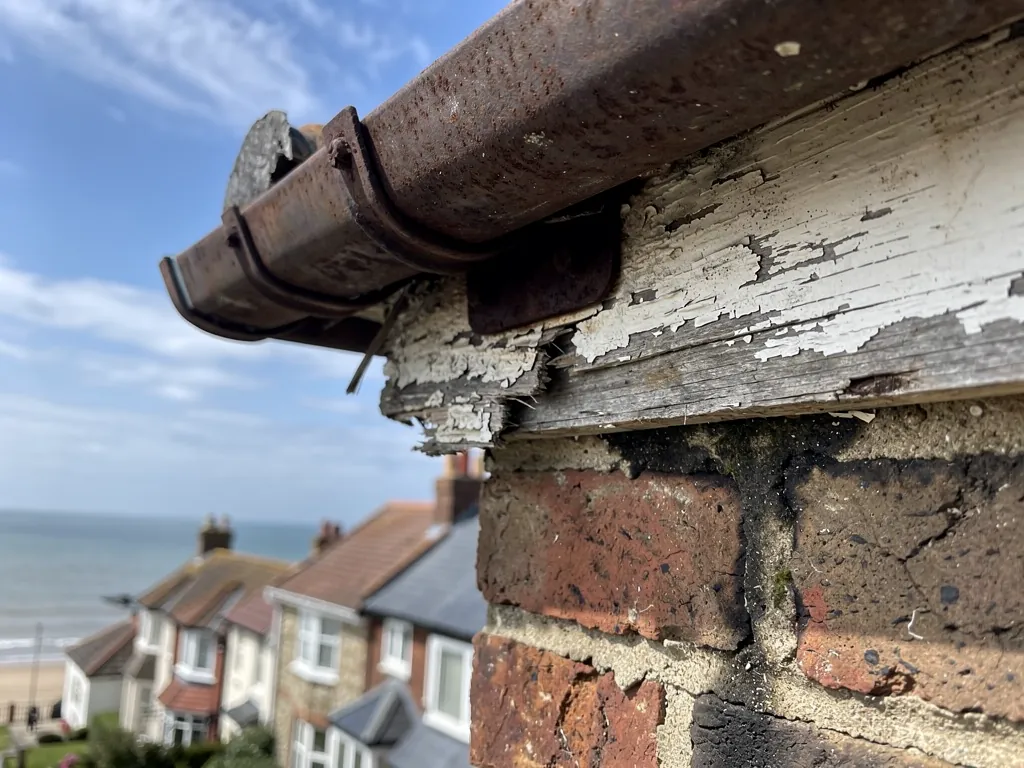
Timber frames from the 14th century
The Old House is the oldest timber-framed building in the conservation area and appears to date to the 14th century. Little Orchard is 17th-century square timber framing with a jettied upper storey.
-
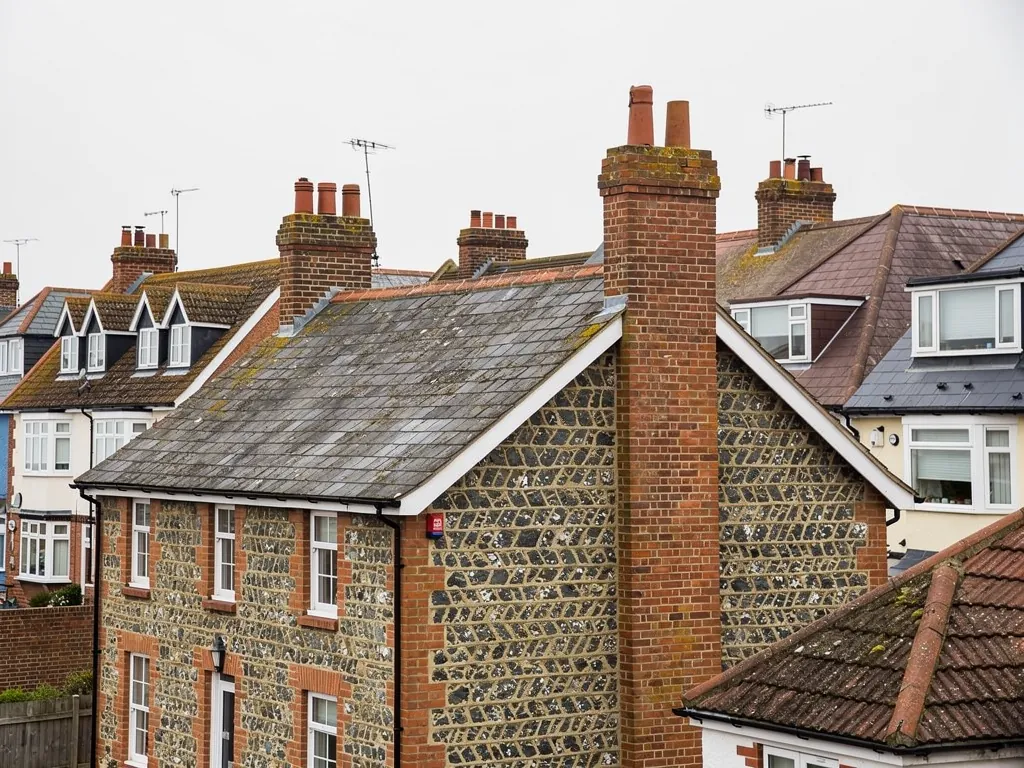
The Manor House and the loop
The Victoria County History groups the hamlet chiefly about a loop south of the main Chichester to Portsmouth road, and dates Prinsted's Manor House to 1663. Houses on a loop this small sit close together, which shapes how we plan access.
Map of Prinsted, 12.9 road miles west of Bognor Regis, with the nearest towns we also cover.
Prinsted Conservation Area and the Thorney Channel
- Council
- Chichester District Council
- County
- West Sussex County Council
- Conservation area
- Prinsted Conservation Area, wholly inside the harbour's protected landscape, renamed a National Landscape in 2023
- Article 4
- Ask Chichester District Council whether a direction affects your address
- Setting
- At the head of the Thorney Channel of Chichester Harbour
- Distance
- 12.9 road miles west of Bognor Regis, about 24 minutes by car
Prinsted notes
Peg tile, thatch and the Thorney Channel
Three things that shape a Prinsted roof, from the handmade tiles to the old frames beneath them and the protected landscape around.
Chapter 1: Handmade peg tiles and thatch round the loop2684
Sheet 01 / 03Prinsted is a small place. The Victoria County History describes the hamlet as grouped chiefly about a loop south of the main Chichester to Portsmouth road, and the council's 2012 character appraisal of the conservation area says its roofs are thatched or covered in handmade clay peg tiles, with flint, stone and brick for the walls. Every part of the conservation area falls inside the harbour's protected landscape, at the head of the Thorney Channel. Very little here is off the shelf, and a roof in this hamlet deserves to be studied for a while before anyone puts a ladder against it.
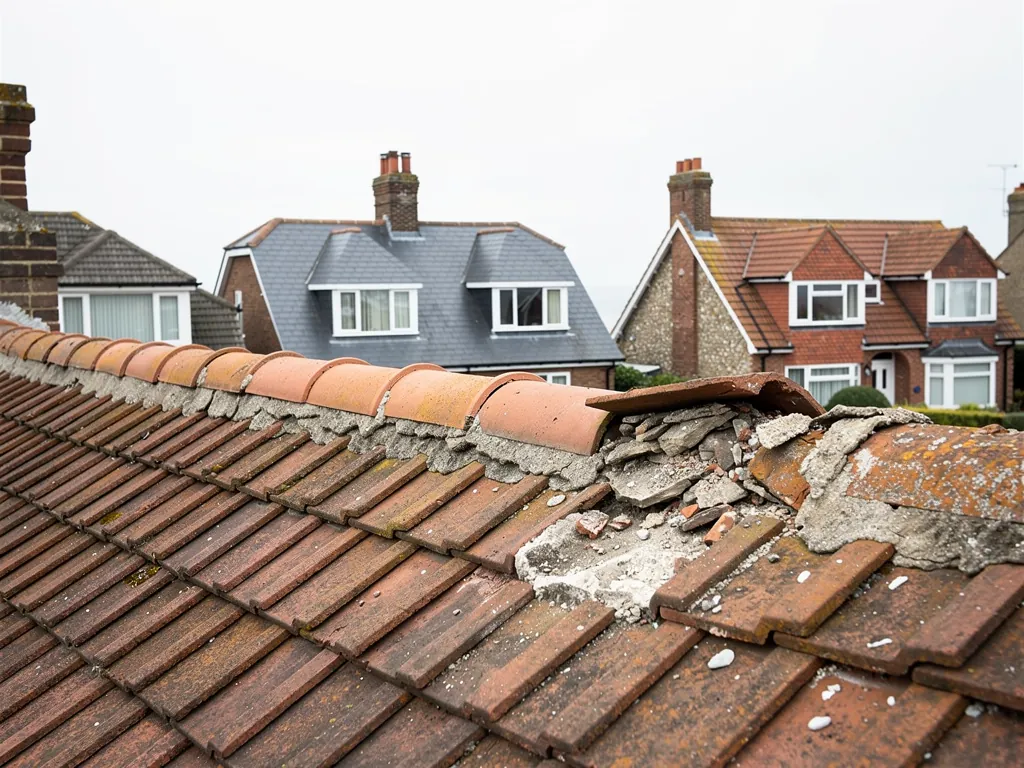
Two clay tiles on a Prinsted roof
Handmade peg tile
Varied in colour and surface, with a soft camber that gives the roof its texture.
Machine-made plain tile
Uniform in colour and thickness, so a patch of it shows beside handmade tiles.
1.1 What makes a handmade peg tile different
A peg tile is a small plain clay tile with a hole near its top, first held to the batten by a wooden peg and now more often by a nail or clip. Because each is made by hand, no two match exactly in thickness, colour or surface, and many carry a slight camber, a gentle curve across the face. That variety gives an old roof its mottled, soft look. Slot a flat, uniform machine-made tile into a handmade slope and it shows from the lane. The Building Conservation website points out that the 60-year life Marley quotes for clay tile is no reliable measure for old peg-tile roofs, which tells us that age alone settles nothing. We judge the condition of every tile and every fixing in front of us.
1.2 Hips, valleys and the reed next door
Two terms matter here. The hip runs down each outside corner where two roof faces meet, and the valley is the inside angle where two faces run together. On a peg-tile roof both are cut and lapped by hand, and a valley is usually lined with lead beneath the tiles. Royston's cast-lead brochure lists code 4 lead for soakers and flashings, and code 5 for flashings and valley gutters, so a thicker sheet suits a valley that carries a lot of water. Reed or straw is a different craft, and a thatcher should handle it. We work on the tiles beside it, the stacks rising through both roofs, and the lead that keeps rain out of those joints. At the point where tile gives way to thatch, we like to agree the order of work with the thatcher first, because each roof depends on the other staying dry. Our chimney repairs page explains what we do when a stack is failing at its base.
Chapter 2: Old timber frames under new coverings2257
Sheet 02 / 03The Old House appears to date to the 14th century, the Manor House is dated 1663, and Little Orchard is a 17th-century house of square timber framing with a jettied upper storey, where the first floor overhangs the ground floor. Frames this old have moved over the centuries, so a Prinsted roof is rarely a neat rectangle. Rafters sag a little, ridges dip and walls lean. A roofer has to work with that movement instead of forcing a ruler-line onto it, because forcing it cracks tiles and opens the laps between them.
Three ways to treat an old peg tile roof
- Re-hangSlipped and loose tiles put back, and the sound ones left alone.
- Part re-roofOne failing slope stripped and relaid, reusing the best tiles.
- Strip and relayBattens, underlay and covering renewed once the old ones have failed.
2.1 Weight, load and a structural opinion
Every covering has a weight, and a frame that has carried one kind of roof for generations may not welcome a heavier one. The Planning Portal says building control approval is needed when a new covering raises the roof's weight by 15 per cent or more, and it recommends that a surveyor or structural engineer looks at the frame first. For re-roofing in general, it says no application is normally required where less than 25 per cent of the total building envelope and less than 50 per cent of the roof is affected. Here the building control body is Chichester District Council, and we explain which of those cases your roof falls into.
2.2 When the standard fixing does not suit
BS 5534 covers slating and tiling, and BSI itself admits that parts of it may not suit some old roofs, especially those covered with reclaimed or traditionally made tiles. In a hamlet like this one that is a fair warning. We fix to the standard wherever the roof can accept it, with mechanical fixings on ridges and verges, and where an old roof cannot, we explain why and pick the nearest sound alternative.
2.3 Insulation and old timbers
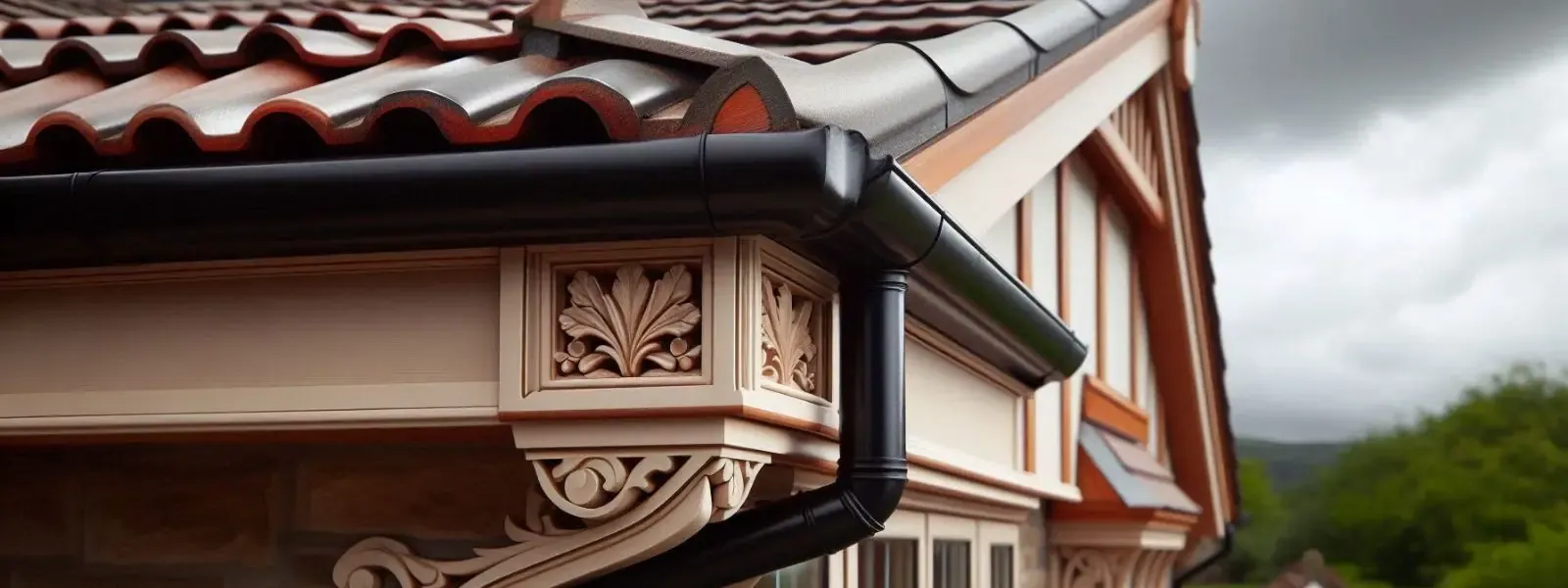
People re-roofing an old house often ask about insulating at the same time. The RICS consumer guide of March 2023 warns that badly fitted insulation can cause dampness, and that spray foam must not go into a listed or other protected building without prior consent. Lenders were split by November 2024: some refused homes with spray foam outright, and others looked at each property individually. For an old frame, we steer owners towards approaches that let the timbers breathe, and our spray foam insulation removal page covers the cases where foam is already there.
Chapter 3: National Landscape rules and the harbour edge2745
Sheet 03 / 03The harbour's protection dates from 4 February 1964, and in 2023 the Area of Outstanding Natural Beauty label became National Landscape across England, so this is now Chichester Harbour National Landscape. Prinsted's conservation area sits wholly inside it, and that colours every conversation about changing a roof. The designation does not forbid a repair, but it does alter which permitted development rights apply to larger changes to a roof. Before you plan roof windows or any change to the shape of a roof, read our guide to skylight planning permission and then put your question to Chichester District Council's planning team.
Before a scaffold goes up in Prinsted
- 1Check listingLook up any list entry for your house before anything is priced.
- 2Ask the councilChichester District Council's planning team confirms the rules for your address.
- 3Plan accessWest Sussex County Council issues the highway licence where one is needed.
- 4Look for wildlifeCheck eaves and roof voids for bats or nests before stripping.
3.1 Listed buildings and like-for-like work
On a listed house, alterations that would affect its character call for listed building consent, so matching what is already there is the safest starting point. Matching the tile, the lap of the courses and the finish of the ridge belongs to the work itself rather than being an add-on. We look up any list entry before pricing any job larger than a repair, and we tell you what to ask the council. A short email to the council with photographs of the existing roof usually gets a clearer answer than a general question.
3.2 Scaffold, bats and birds on a tight loop
Houses this close leave little room for a scaffold clear of the highway. Where one has to stand on the road or pavement, the licence is issued by West Sussex County Council, which asks for a minimum of 10 working days' notice, and that wait goes into the programme from the start. Wildlife law covers bats and nesting birds, and old roofs near water can shelter either, so we look before we strip anything. The county's published fee is £266 for one month of highway scaffolding, set by the county council and passed through the scaffold firm, which is one more reason to plan the dates early.
3.3 Moss, damp and shaded slopes
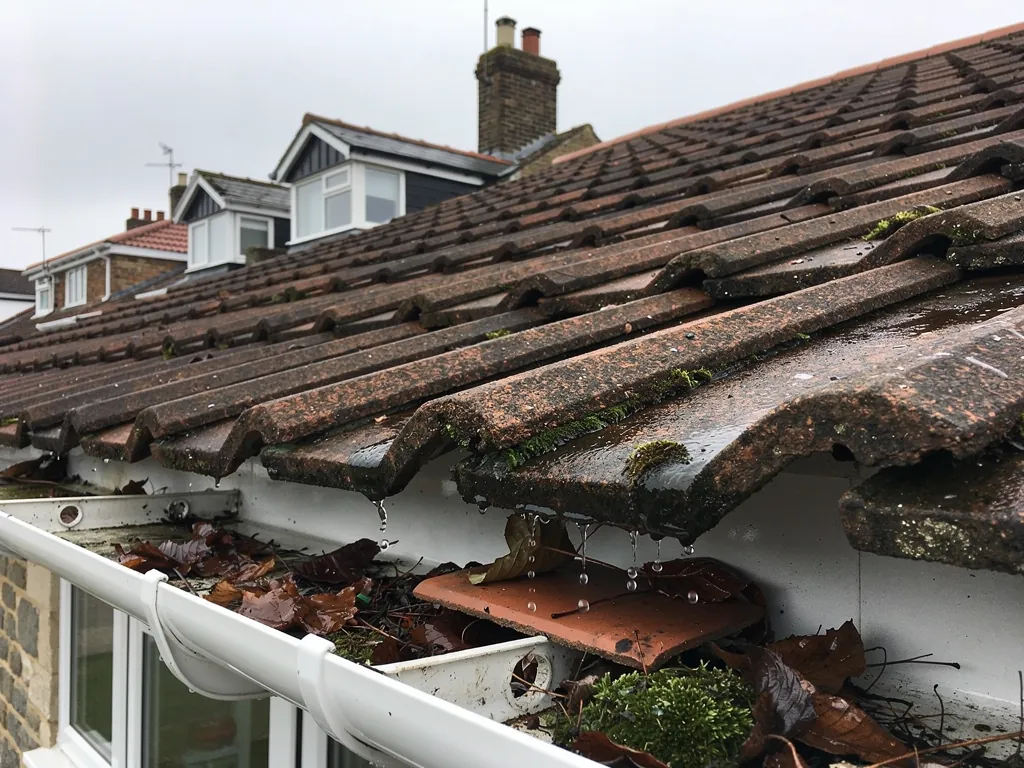
Clay peg tiles hold moisture, and a slope that lies in shade can grow moss along its lower courses. A soft brush and a treatment do the job on an old roof; a pressure lance can blow the pegs and the surface off a handmade tile, so we avoid it. Gutters below a mossy slope are cleared on the same visit, because loosened moss washes down and collects at the outlets. Our pitched roofing page sets out how a slope comes off and goes back on when cleaning will not be enough, and what that does to the battens beneath.
Our services in Prinsted
Frequently asked questions
Questions from the peg tiles to the Thorney Channel
Can a handmade clay peg tile roof in Prinsted be repaired tile by tile instead of stripped?
Often, yes, provided the battens and fixings behind the tiles are still sound. A slipped or cracked peg tile can be swapped singly for a matching handmade or reclaimed tile, with the rest left alone. If a whole slope has lost its fixings, relaying it and reusing the best tiles is the better repair. We photograph the cause first, so you can see which case you are in.
How is the join handled between a tiled roof and the chimney of a thatched Prinsted cottage?
The junction is planned with both trades in mind. We deal with the tiles, the stack and the lead around it, and a thatcher deals with the thatch. The lead is dressed so water leaves the joint without soaking either roof. We would rather agree the sequence with the thatcher before work starts than leave one trade working around the other, and we tell you who is on site and when.
Does Chichester Harbour National Landscape status change how a Prinsted roof can be altered?
It can, for larger changes. The harbour gained its protected status in 1964, and the name changed in 2023. A plain repair is a different matter from reshaping a roof or adding a window, and the rules differ between them. Ask the district council about your address before you commit, and send us what they say so the quote reflects it.
Is there an Article 4 direction on roofs in Prinsted conservation area?
Ask Chichester District Council, because only the council can say whether a direction applies to your house. Prinsted is a conservation area either way, and a listed building has its own controls. Check with the council before you change the roof covering or a chimney, and keep their reply with your records.
Nearby areas
Get a quote
Tell us about your roof
Describe what's happening and we'll call you back.
Loading the enquiry form. You can also call 01243 252373.