
Roof maintenance · 9 min read
A seasonal roof maintenance checklist for homes on the Sussex coast
A roof does best when someone looks at it every season. This checklist runs through the year for coastal Sussex homes, with what to look for, what is safe to do yourself and when to call a roofer.
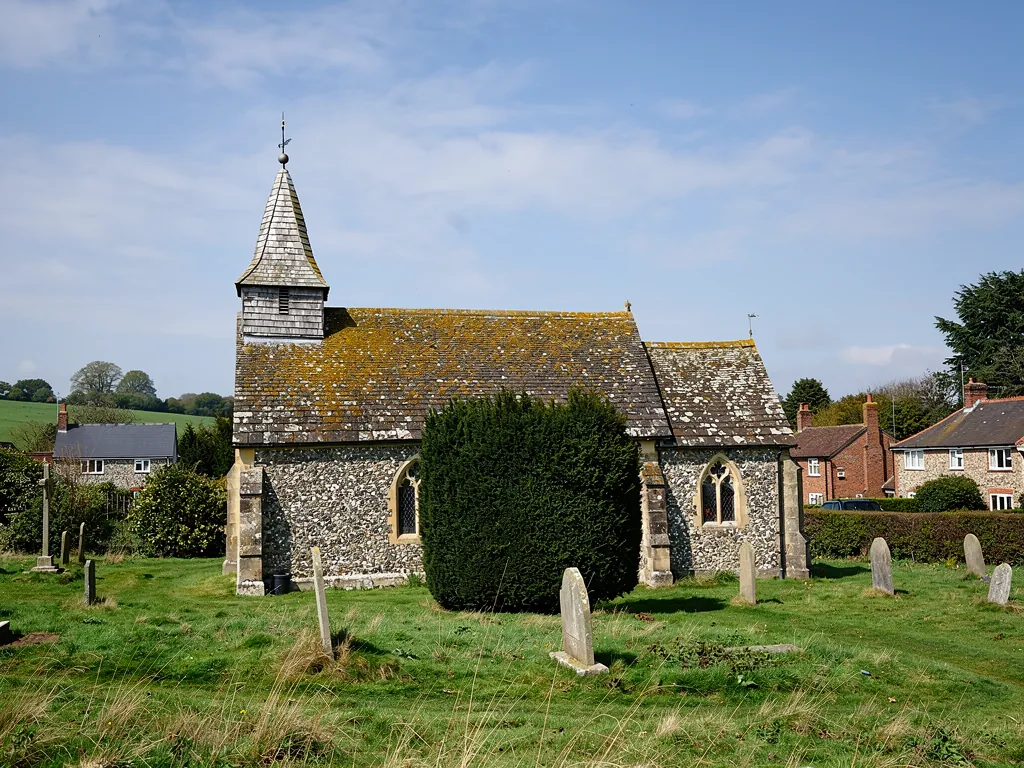
Most roof failures begin as small faults that sat unnoticed through a season. A slipped tile lets water onto the underlay, a blocked gutter overflows onto a fascia, a flat roof ponds in one corner and the membrane splits at the same spot every winter. A short routine that spots them early costs very little.
Homes near the Sussex coast meet sea weather, gales and driving rain, and the roofs closest to the shore also get salt air. None of that needs a hard figure to act on. It simply means the roof is worth a look at the points where wind and water get in: the ridge, the verges, the flashings, the gutters and any flat section.
This checklist is arranged by season, and begins with how to look at a roof without climbing on it. Treat it as a prompt rather than a guarantee. A roofer on site, with a ladder and a camera, sees things from the ground that you will not.
How to look at a roof without going onto it
The safest way to check a roof is from the ground and from inside. Stand back across the road or in the garden, use binoculars or the zoom on a phone, and look along each slope for tiles that have slid, gaps where a ridge or hip tile has lifted, and dark patches that suggest wet. Do the same for the chimney and any lead.
Do not climb a ladder onto a roof, and never walk on a flat roof or a garage roof you have not been told is safe. The Health and Safety Executive treats fibre cement roofs and rooflights as fragile, and counts asbestos cement roofs as fragile every time. A fall through one is a serious injury. Ground-level checks and a loft check cover most of what you need.
What to carry and how to record it
A torch, a phone and a notebook are enough. Photograph each elevation from one fixed spot at the start of every season. Comparing this spring's picture with last autumn's shows slow changes such as a ridge line that has started to dip, a chimney that leans or moss spreading across a slope.
Indoors, scan the top-floor ceilings and the upper edges of the walls for fresh stains, and run a hand over any suspicious patch. Our guide to checking the roof from the loft explains what the underside of a roof should look like, and the guide to finding a roof leak helps when a stain appears and you cannot see where the water gets in.
Spring: sorting out what the winter did
Spring is the time to find what the gales and the cold left behind. Walk round the house and note any tiles that have slipped or cracked, any ridge or hip tiles out of line and any slates that have dropped a few millimetres from their neighbours. A dropped slate usually points to a failed nail, and one dropped slate can mean others are close behind.
BS 5534 was revised in 2014 so that mortar on its own is not trusted to hold ridges and hips, and current work adds clips or screws. On an older roof the ridge may only be bedded, so a loose ridge is worth a roofer's attention before the next gale. Our guide to the signs of loose ridge tiles lists what to watch for.
Moss, lichen and the gutters below
Moss and lichen thrive on a damp slope, and what falls off a roof usually ends up in the gutter. Look at the gutters from a ladder at the eaves only if you can do so safely, or from an upstairs window, and check whether any are full of moss and debris. If a roof needs cleaning, a roofer can judge whether it is worth doing, and our page on roof cleaning and moss removal explains the options.
Nesting birds and bats
Birds nest in roofs from spring, a bat roost stays protected in every month whether bats are in or not, and the law covers both. If you come across either, leave them undisturbed and ask for guidance first.
Summer: flat roofs, lead and the roofline
Dry weather is the best time to look at the parts of a roof that suffer in the wet. On a flat roof, check for water that stands after rain, blistering or splits in the covering, and trims that have lifted. Standing water is the signal that the roof is not draining, and BS 6229:2025 sets a minimum finished fall of 1:80 so that water leaves the roof. Repeated patching of a roof that ponds usually fails again.
The covering also matters. Less gives torch-on felt 10 to 20 years, GRP 25 to 40 years and EPDM 30 to 50 years, though other guides give a shorter range for EPDM. If the roof is in the later part of its range, a summer survey allows time to plan a repair, a staged patch or a full replacement before the autumn. Our page on flat roofing covers the options.
Lead, chimneys and the roofline
Lead flashing can last for over 80 years, according to MyJobQuote, but it can split at laps or lift where it has been poorly fixed. Look at the lead around chimneys, dormers, bay roofs and wall abutments for gaps and signs of staining below. A chimney stack with crumbling pointing or a loose pot should be reported to a roofer, not left for the winter.
The roofline is the line of fascia, soffit and gutter along the eaves. Checkatrade sets no fixed age for renewing uPVC fascias and soffits, though a retailer of boards quotes 20 to 40 years. Look for boards that have sagged, joints that have opened and paint that is flaking from timber. Our page on guttering, soffits and fascias covers repair and replacement.
Autumn: gutters and the run-up to the gales
Autumn is the check to put in the diary on the Sussex coast, because the gales can arrive soon after and the leaves have just fallen. Clear the gutters and hoppers once the leaves are down, and again if a mild spell keeps the trees dropping. A blocked gutter overflows over the fascia and can soak the timber and the wall below,, and the first sign indoors is often a damp patch on an outside wall.
Check that the gutters run to the outlets. Manufacturer guidance gives gutter falls of roughly 1:600 to 1:350 depending on the system, with brackets spaced at 900 millimetres or less. A gutter that holds water along its length is either sagging or was laid flat. Dripping joints, brackets that have pulled away and downpipes that overflow are all worth noting for a roofer.
Preparing before the weather turns
Deal with loose tiles and ridge tiles ahead of the first gale rather than once it has passed. Look at verges, where the roof finishes at a gable wall, because a verge takes the force of the wind along its edge. Ours are fixed mechanically to BS 5534, and an older bedded verge may be worth reviewing. Check roof windows and their seals and any sealant around pipes.
Our guide to the autumn roof check goes through the same ground, and the guide to preparing a roof for storms covers what to do when a named storm is forecast.
If you have scaffolding to book, remember a licence is needed for one on the highway, and that West Sussex County Council asks for at least 10 working days' notice.
Winter: after the gales and inside the loft
Once it is light and safe after a gale, scan the roof from the pavement or garden. Tiles on the lawn, a lifted ridge, a chimney pot on the drive or a gutter hanging from the eaves all want a roofer. Take pictures of the damage before anything is shifted, because they are useful for an insurance claim as well as for planning the repair. Our guide to roof insurance claims explains the sequence.
Inside, a loft check on a cold day shows what a roof is doing. Look for chinks of light through the covering, wet rafters or insulation, drips on a dry day and condensation beading under the felt. Most lofts have some ventilation, and Marley's guidance where the underlay offers high resistance is a 25 millimetre opening along the eaves for pitches of 15 degrees or less, or 10 millimetres for steeper ones. Do not block eaves vents when you add loft insulation.
Roofs, frost and cold-weather jobs
Winter limits what is sensible to do on a roof. In a gale or on a wet, icy slope, the sensible aim is a weathertight cover over the fault, with the lasting repair planned for a calmer spell. Leave anything that is not urgent until the weather settles, and photograph the problem so that the repair can be priced from the survey. Our coastal weather and roofs guide looks at how the sea climate treats a roof through the year.
Keeping a record, and knowing when to call someone
A roof log is the simplest way to turn a checklist into a habit. Write the date, what you saw and what you did after each seasonal check, and file the photographs with it. After a few years it shows you which faults recur, how quickly moss returns and when a gutter last had attention. It also helps a roofer, who can see the history, and a buyer, who gains a record of the care.
Some jobs are worth paying for. A full roof survey costs £300 to £500 plus VAT, and a drone survey around £210, according to Checkatrade's September 2026 table. It buys a written report with photographs and a view of the places you cannot see. Access can add to the price of any job, and Checkatrade's scaffold table lists around £875 monthly for a two-floor semi-detached.
What we do when you call
We go over the roof, photograph the faults and tell you which of three routes fits: a repair, a stopgap patch or a new covering. If a small repair will do the job, that is the advice you get, with a written quote that shows a single total. Prices are good and fair, and once the work ends the site is cleared of waste.
Ring us if a leak cannot wait. Water coming in is looked at before routine jobs, and the permanent fix follows when the roof has dried out. Our roof repairs page describes the work, the guide to hiring a roofer helps you choose, and the homepage lists every service. You can reach us on 01243 252373, by WhatsApp or through the enquiry form.
Questions
Maintenance questions
How often should a roofer look at my roof?
A yearly ground-level look is a good habit, and a look after any bad gale is better. A roofer's visit can follow whenever you see slipped tiles, stains inside or gutters that overflow. For an older roof or a flat one, ask for a survey every few years so that small faults are caught before they turn into a repair that needs scaffolding.
Do flat roofs need different care from tiled ones?
Yes. A flat roof relies on a single membrane and its falls, so ponding water, blisters, splits and lifted edge trims matter more than they do on tiles. Keep the surface clear of leaves, and photograph it each season. A pitched roof loses water by gravity down the slope, which is why a loose tile is usually the first warning on one.
Is moss on a tiled roof always a problem?
Not always, but it holds moisture against the covering and can end up in the gutters when it falls. Whether a roof needs cleaning depends on the tiles, the amount of growth and how the water drains. A roofer can judge that during a survey, and our verdict says whether cleaning is worthwhile or whether the money is better spent on a repair.